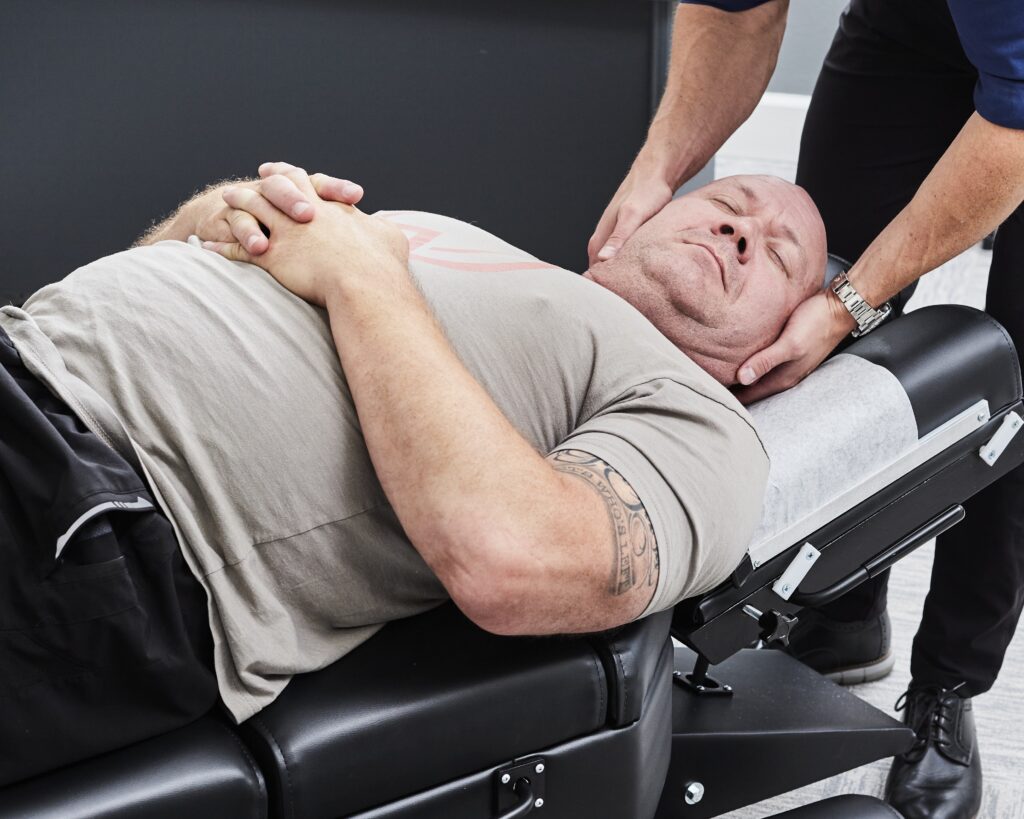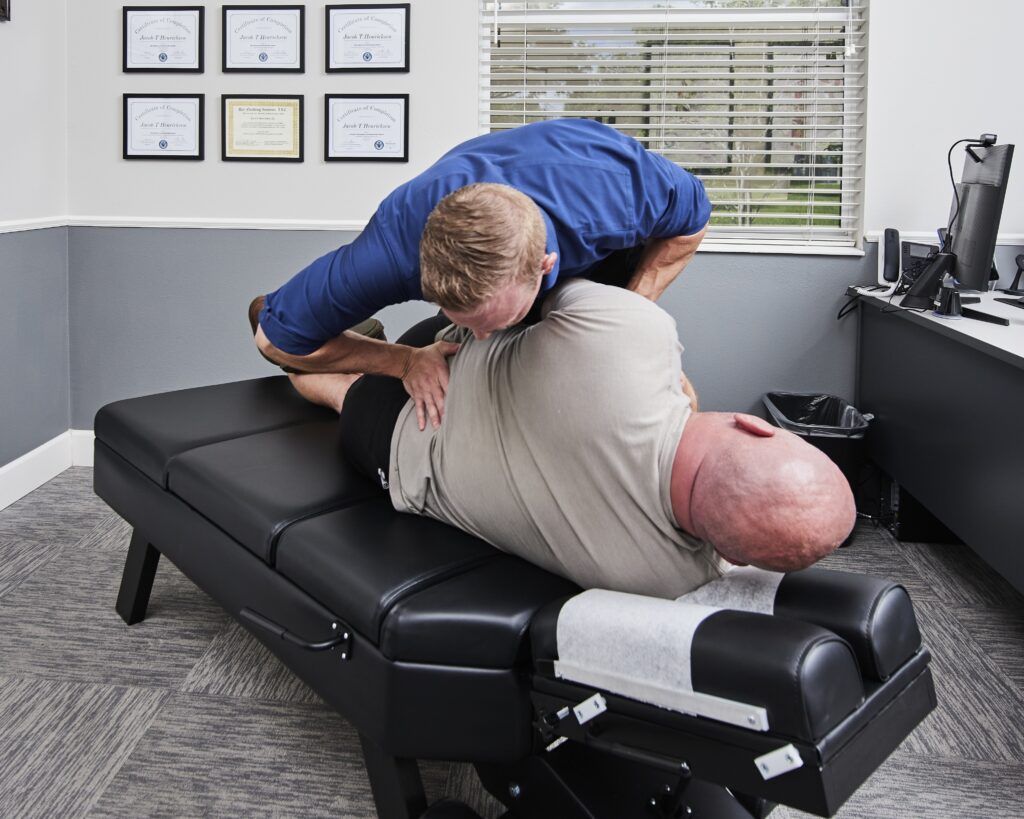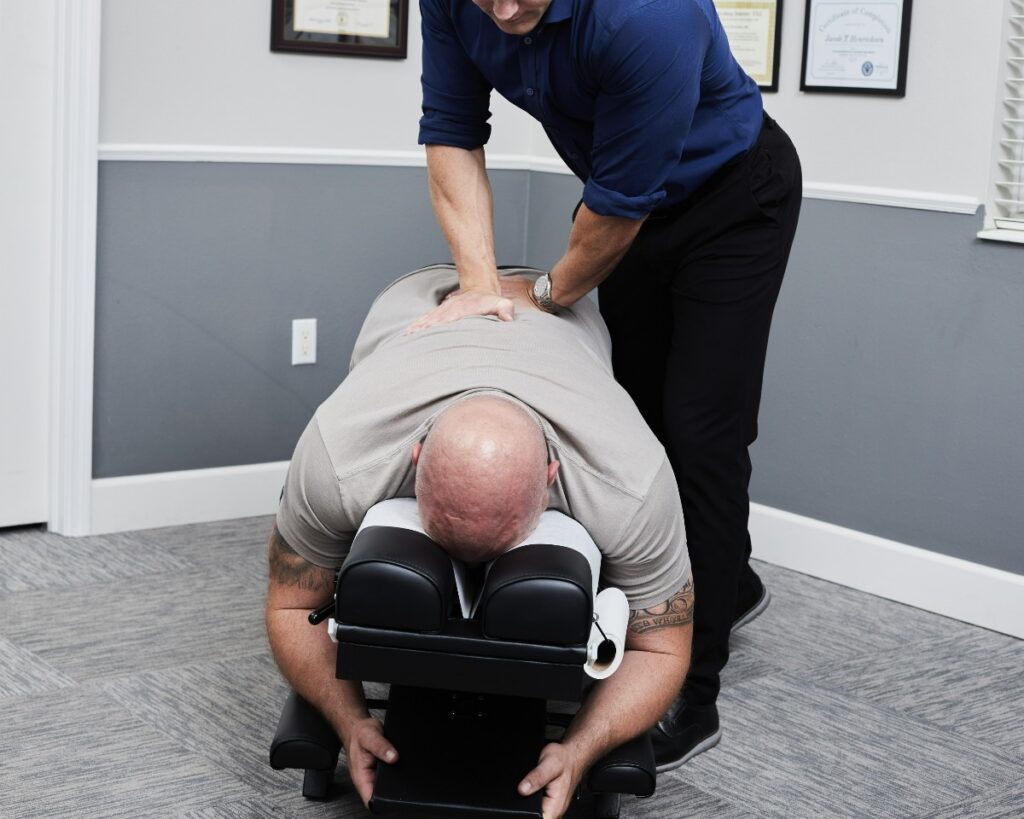

As a chiropractor, I often see patients who are struggling with back pain, and I understand just how disruptive it can be to daily life. Simple tasks may become daunting, and finding relief can feel like an uphill battle. However, I want to reassure you that there are proven techniques that can help you regain control over your discomfort and improve your overall quality of life.
One of the key areas we focus on in chiropractic care is posture. Proper alignment is essential for maintaining back health, and I can guide you in understanding how to sit, stand, and move in ways that support your spine. Additionally, strengthening your core is crucial. A strong core provides stability and can alleviate pressure on your back, helping you feel more comfortable and resilient.
Effective stretching is another important component of back pain relief. Gentle, targeted stretches can improve flexibility, reduce tension, and promote blood flow to the affected areas. Together, we can develop a personalized stretching routine that aligns with your unique needs.
But chiropractic care goes beyond just these foundational techniques. There are various natural healing methods we can explore, such as spinal adjustments, therapeutic exercises, and lifestyle modifications. These approaches can work in harmony to transform how you manage your pain and enhance your overall well-being.
If you're ready to take the first step toward a pain-free life, let's work together to find the best solutions for you. Your journey to back health starts here!
Understanding Back Pain
As a local chiropractor, I want to shed light on a common issue that many of you may experience: back pain. Did you know that approximately 80% of people will encounter back pain at some point in their lives? It's a prevalent concern that can manifest as a dull ache, sharp pain, or even a sensation that radiates down your legs. Understanding the underlying causes of your back pain is crucial for finding effective, natural relief.
One of the primary culprits behind back pain is muscle strain, which can often result from poor lifting techniques or everyday activities. It's also important to consider the impact of posture. If you spend long periods sitting or standing, you may unknowingly place extra stress on your spine. This strain can lead to discomfort that may persist if not properly addressed.
Injuries from sports or accidents can cause immediate pain and may require a specific approach to healing. As a chiropractor, I focus on aligning the spine and improving function to help your body heal naturally.
Another factor to consider is your lifestyle. A lack of exercise can weaken your back muscles, making them more prone to injury, while overexertion can lead to muscle fatigue and pain. Additionally, stress can contribute to tension in your back, making it essential to find effective ways to manage it.
I encourage you to be mindful of your symptoms and how they impact your daily life. If your back pain continues or intensifies, it's important to consult with a healthcare professional like myself. I can provide personalized advice, identify the root causes of your pain, and recommend natural treatment options tailored to your needs.
Importance of Posture
As a local chiropractor, I want to emphasize the vital role that good posture plays in your overall health, particularly when it comes to preventing back pain and ensuring your spine remains healthy.
When you maintain proper alignment while sitting, standing, or walking, you significantly reduce the strain on your spine and the surrounding muscles. This proper alignment allows your body to distribute weight evenly, which minimizes the risk of injury and discomfort.
Many people are unaware that poor posture can lead to muscle imbalances and unnecessary tension. For example, slouching or hunching over can place excessive pressure on your spine, potentially resulting in chronic pain over time. By being conscious of your posture, you can actively work to prevent these issues.
When sitting, aim to keep your feet flat on the floor, your back straight, and your shoulders relaxed. This position not only supports your lower back but also prevents it from rounding, which can lead to discomfort.
When standing, it's important to distribute your weight evenly across both feet and engage your core muscles. This practice will help you maintain stability and relieve pressure on your back.
If you spend a significant amount of time at a desk, I recommend investing in an ergonomic chair that supports your natural spinal curve. Additionally, making adjustments to your workstation can greatly assist in maintaining proper posture throughout your day.
Stretching and Flexibility Exercises
As a local chiropractor, I want to emphasize the importance of stretching in alleviating back pain and enhancing your overall flexibility.
Many people are unaware that incorporating simple stretching techniques into their daily routine can significantly help in maintaining mobility and preventing stiffness in the back.
By integrating these effective exercises into your day-to-day life, you can experience a noticeable reduction in discomfort and improve your back health.
Let's take a closer look at how these stretches can play a vital role in your journey towards natural healing and wellness.
It's all about empowering you with the knowledge and tools to take control of your back health!
Importance of Stretching
As a local chiropractor, I want to emphasize the significant benefits of incorporating stretching into your daily routine. Stretching isn't just a simple exercise; it plays a crucial role in enhancing your flexibility and alleviating back pain. By regularly engaging in stretching, you can improve the range of motion in your joints and muscles, which helps to reduce stiffness and discomfort.
Many people may not realize that tight muscles can be a major contributor to back pain. By focusing on stretching exercises, we can target these tight areas, allowing for relaxation and relieving built-up tension. This not only helps you feel better physically but also contributes to your overall wellbeing.
Moreover, stretching plays an essential role in improving blood circulation to your muscles. This increased circulation delivers vital nutrients and oxygen, which is particularly important if you have a sedentary lifestyle or spend long periods sitting. These habits can often lead to muscle tightness and discomfort, but with consistent stretching, you can counteract these effects.
Incorporating stretching into your routine can also lead to better posture and alignment, which are crucial for preventing and managing back pain. If you're not familiar with chiropractic care and natural healing, think of stretching as an accessible way to support your body's health and function.
Let's work together to ensure you feel your best!
Effective Flexibility Techniques
As a local chiropractor, I want to share some valuable insights on enhancing your flexibility, which is crucial for alleviating back pain and improving overall mobility. Many of my patients are unfamiliar with the importance of regular stretching and flexibility exercises, so let's dive into some effective techniques.
To begin, it's vital to warm up your muscles with dynamic stretches. Simple movements such as arm circles and leg swings can increase blood flow and prepare your body for deeper stretching.
After your warm-up, we can move on to static stretches, where you'll hold each position for 15-30 seconds. Focus on key areas that often contribute to discomfort, such as the hamstrings, hip flexors, and lower back. For example, a seated forward bend can effectively stretch your hamstrings, while a cat-cow stretch can relieve tension in your spine.
Remember, breathing plays a significant role in stretching. I encourage you to inhale deeply as you prepare for each stretch, and exhale as you ease into the position. This practice not only helps you relax but also enhances the effectiveness of your stretches.
Additionally, I recommend considering the incorporation of yoga or pilates into your routine. These practices do wonders for improving flexibility and strengthening your core, which provides essential support for your back.
Daily Routine Recommendations
As a local chiropractor, I want to emphasize the vital role that flexibility plays in maintaining a healthy back. Establishing a daily routine that incorporates stretching and flexibility exercises can significantly improve your spinal health. I recommend starting your day with gentle morning stretches to awaken your muscles.
Focus on movements that specifically target your spine, such as cat-cow stretches and gentle twists. These exercises not only enhance your flexibility but also help alleviate stiffness that may have accumulated overnight.
Throughout your day, it's important to take regular breaks for stretching, especially if you find yourself sitting for extended periods. Simple stretches like standing toe touches or seated forward bends can effectively reduce tension in your back.
I encourage you to aim for at least five minutes of stretching every hour to keep your muscles engaged and prevent tightness.
In the evening, consider dedicating time to a more comprehensive stretching session. Poses like child's pose and downward dog are excellent for relaxing your back and can contribute to better sleep quality.
Consistency is crucial in this practice, so aim to spend at least 15-20 minutes each day on your stretching routine.
Lastly, always listen to your body. If you encounter discomfort during a stretch, don't hesitate to adjust or skip it.
With regular practice, you're likely to experience improved flexibility, reduced pain, and a healthier back overall. Remember, chiropractic care and natural healing go hand in hand with these simple but effective stretching techniques.
Strengthening Core Muscles
As a local chiropractor, I want to emphasize the importance of a strong core for maintaining proper posture and spinal alignment. This is crucial for reducing back pain, which many of my patients experience. Your core muscles, including your abdominals, obliques, and lower back muscles, serve as a stabilizing force for your spine. When these muscles are weak, it can lead to poor posture and increased back pain. Therefore, let's work together to strengthen them.
To begin, I recommend simple exercises like planks and bridges. Planks engage your entire core, and they're a fantastic way to build overall strength. Bridges, on the other hand, specifically target your lower back and glutes. I suggest starting with three sets of 30 seconds for planks and 10-15 repetitions for bridges. As you become more comfortable, you can gradually increase the duration and difficulty of these exercises.
Additionally, incorporating movements like bird-dogs and dead bugs can enhance your coordination and stability. These exercises challenge your core while also improving your balance. For bird-dogs, start on all fours, extend one arm and the opposite leg, and then switch sides. For dead bugs, lie on your back with your legs and arms raised, lowering one arm and the opposite leg at a time.
Don't overlook your obliques! Side planks are excellent for strengthening this area. Aim to hold each side for 20-30 seconds, and as your strength improves, challenge yourself to hold for longer periods.
Remember, consistency is vital in any strengthening program. I recommend working on your core at least two to three times a week. Over time, you should notice improvements in your posture, increased stability, and a significant reduction in back pain.
A strong core is truly the foundation for a healthy back, and as your chiropractor, I'm here to support you on this journey to better health!
Heat and Cold Therapy
As a local chiropractor, I want to share some valuable insights about managing back pain through heat and cold therapy, especially if you're new to chiropractic care and natural healing.
Heat therapy is a wonderful option for alleviating discomfort. It helps to relax tight muscles and enhances blood circulation, which can promote healing in the affected area.
On the other hand, cold therapy is effective for reducing inflammation and numbing acute pain, providing relief when you need it most.
Understanding how to use these therapies can empower you to make informed choices for your pain relief. Whether you're dealing with muscle tension or inflammation, incorporating heat and cold therapy into your routine can be an effective way to enhance your overall well-being.
If you have any questions or would like personalized advice, feel free to reach out to my office. Your journey to relief starts here!
Benefits of Heat Therapy
As your local chiropractor, I want to share with you the incredible benefits of heat therapy for managing back pain. Heat therapy is a powerful tool that can help alleviate discomfort by enhancing blood circulation and relaxing tight muscles. When you apply heat to your back, it increases blood flow, which means more oxygen and essential nutrients reach the affected area. This boost in circulation can significantly accelerate the healing process, particularly for muscle strains and stiffness.
Utilizing heat therapy is a gentle and soothing way to manage pain. You can use a heating pad, a warm towel, or even enjoy a hot bath. The warmth penetrates deeply into the tissues, reducing discomfort and promoting relaxation. Many of my patients have found that heat therapy not only eases muscle spasms but also improves flexibility, allowing for easier movement without pain.
One of the best aspects of heat therapy is that it's simple and can be done right in the comfort of your home. I recommend using it for 15 to 20 minutes at a time, ensuring that you give your skin a break to prevent overheating. Always be mindful of the temperature to avoid burns.
Advantages of Cold Therapy
As a local chiropractor, I'd like to share some valuable insights about cold therapy and its benefits for managing back pain. While many people are familiar with heat therapy, cold therapy has distinct advantages that can significantly aid in your recovery.
Cold therapy is especially effective at numbing sharp pain and reducing inflammation in the back. When you apply cold, it constricts blood vessels, which helps limit blood flow to the injured area, ultimately reducing both swelling and discomfort.
For immediate relief, I recommend using a cold pack for about 15-20 minutes. This can be particularly helpful after you've engaged in strenuous activities or experienced an injury. Additionally, if you're struggling with muscle spasms, cold therapy can help calm those overactive muscles, providing much-needed relief.
One of the best things about cold therapy is how accessible it is. You can easily make a cold pack at home using ice wrapped in a towel or even a bag of frozen peas. This convenience means you can take advantage of its benefits whether you're at home, at work, or on the go.
Just a quick reminder: always place a barrier between the ice and your skin to avoid frostbite. If you're dealing with chronic pain, consider alternating between heat and cold therapy. This combination can help maximize your relief and improve your overall comfort.
Integrating cold therapy into your routine can be a powerful tool in managing back pain and enhancing your quality of life. If you have any questions or need further guidance, don't hesitate to reach out during your visit!
Mindfulness and Relaxation Techniques
As a local chiropractor, I often see patients who struggle with back pain, and I want to share some insights on how mindfulness and relaxation techniques can be incredibly beneficial for managing discomfort. Many individuals underestimate the role that stress and tension play in exacerbating back pain. By focusing on calming both your mind and body, you can create a powerful approach to relief.
One technique I recommend is deep breathing. It's simple yet effective. Find a comfortable position, close your eyes, and take a deep breath in through your nose, allowing your abdomen to expand fully. Hold that breath for a moment, and then exhale slowly through your mouth. Repeat this a few times. As you breathe, visualize the tension in your back dissipating, leading to a more relaxed state.
Another valuable practice is progressive muscle relaxation. Begin at your toes, tensing each muscle group for a few seconds before releasing the tension. Gradually work your way up through your legs, abdomen, arms, and finish with your neck and face. This technique not only helps to release muscle tension but also increases your awareness of where you might be holding stress in your body.
Mindfulness meditation is another powerful tool that I encourage my patients to explore. Dedicate a few minutes each day to sit quietly and focus on your breathing. When distractions or thoughts arise, acknowledge them without judgement and gently bring your attention back to your breath. This practice fosters a sense of calm and helps you become more attuned to your body's signals, including any areas of discomfort.
Integrating these mindfulness and relaxation techniques into your daily routine can enhance your ability to manage back pain effectively. By nurturing both your mind and body, you're not just addressing the pain; you're taking proactive steps toward improved well-being.
Physical Therapy Options
If you're looking for natural ways to relieve back pain, chiropractic care can be a valuable part of your healing journey. As a chiropractor, my goal is to assess your condition thoroughly and develop a customized treatment plan that addresses your unique needs. Together, we'll focus on specific techniques designed to strengthen your back, improve flexibility, and promote better posture.
One key aspect of chiropractic care is spinal manipulation, where I use my hands to adjust your spine and surrounding tissues. This technique can help alleviate tension and restore mobility, allowing your body to function more optimally.
In addition to adjustments, therapeutic exercises are crucial; they'll help correct muscle imbalances and reduce the likelihood of future injuries. I'll guide you through specific movements that target the areas causing discomfort, ensuring you perform them safely and effectively.
We also utilize various modalities such as heat, cold, and electrical stimulation to provide immediate relief. These methods can help reduce inflammation and ease muscle spasms, complementing the adjustments we perform.
Additionally, I may recommend stretching routines to enhance your range of motion, which is especially important if tight muscles are contributing to your pain. Through a holistic approach, chiropractic care aims to empower you on your path to recovery and overall wellness.
Alternative Treatments
As a local chiropractor, I want to share some insights about alternative treatments for back pain relief that can complement traditional methods and enhance your overall well-being. Many of my patients have found effective relief through approaches such as chiropractic care, acupuncture, and massage therapy.
Chiropractic care focuses on spinal alignment and the mechanics of your body. By performing gentle adjustments, we can correct misalignments in your spine, alleviating pressure on your nerves and muscles. This not only helps to relieve pain but also promotes the long-term health of your spine, reducing the chances of future flare-ups.
Regular visits to a chiropractor can be a proactive approach to maintaining a healthy back.
Another option to consider is acupuncture, which involves the insertion of thin needles into specific points on the body. This technique can stimulate your body's natural healing processes and relieve pain. Many of my patients report significant improvements after just a few sessions.
If you're interested in acupuncture, I recommend seeking a licensed practitioner who specializes in treating back pain.
Massage therapy is also a valuable alternative. It can help relax tight muscles, improve circulation, and release endorphins—your body's natural painkillers. There are various techniques available, including deep tissue, Swedish, and trigger point massage, each of which can help alleviate discomfort and enhance your mobility.
In addition to these treatments, practices like yoga and tai chi can be beneficial as well. These mind-body exercises promote gentle movements and stretching, enhancing flexibility and strength. They also help to reduce stress, which can often be a contributing factor to back pain.
I encourage you to explore these alternative treatments as part of your journey to back pain relief. It's important to find a combination that works best for you, and I recommend consulting with a healthcare professional before starting any new treatments to ensure they're safe for your specific condition.
If you have any questions about chiropractic care or how it can help you, feel free to reach out. Your path to relief is important to us!
When to Seek Medical Help
As a local chiropractor, I want to help you understand how to manage back pain effectively and when it's crucial to seek professional medical assistance.
While alternative treatments, including chiropractic care, can provide significant relief, there are certain signs that indicate you may need to consult a healthcare professional.
If you're experiencing severe back pain that persists despite rest or self-care, it's important to reach out for medical advice. This is especially true if your pain is accompanied by symptoms like numbness, tingling, or weakness in your legs, as these could indicate potential nerve involvement that needs further evaluation.
Be cautious if you notice sudden weight loss, fever, or any unexplained changes in your bowel or bladder function, as these red flags could signal serious underlying conditions that require immediate attention.
It's also important to seek help if your pain follows an injury or accident, particularly if it results in ongoing discomfort or affects your ability to perform daily activities.
Chronic pain lasting longer than a few weeks should never be ignored, as it may suggest a more serious issue that warrants professional evaluation.
As your chiropractor, my goal is to support your journey to health and wellness, and knowing when to seek additional medical help is an essential part of that process.
If you have any questions or concerns about your back pain, please don't hesitate to reach out!
Conclusion
As a local chiropractor, I want to share some effective techniques that can help you manage your back pain naturally. By incorporating these practices into your daily life, you can experience significant relief and improvement in your overall well-being.
First and foremost, focusing on proper posture is crucial. Many people underestimate how much their posture affects their back health. I encourage you to be mindful of how you sit, stand, and move throughout the day. Additionally, strengthening your core muscles is essential. A strong core supports your spine and can alleviate pressure on your back.
Regular stretching is another key component in enhancing your flexibility and stability. Simple stretching exercises can help reduce tension in your back and improve your range of motion.
Don't overlook the power of heat and cold therapy. Applying heat can soothe tight muscles, while cold packs can reduce inflammation and numb sharp pain.
Incorporating mindfulness practices, such as deep breathing or meditation, can also promote relaxation and help you manage pain more effectively.
If you find that your pain persists despite these self-care techniques, I recommend seeking professional help. As a chiropractor, I am here to guide you on your journey to better back health. Remember, taking control of your back health is within your reach, and with the right approach, you can achieve relief and improve your quality of life!