
You might be surprised to learn that effective stress relief doesn't always require invasive procedures or medications. Instead, exploring non-invasive therapies can offer you a pathway to relaxation and emotional balance. Techniques like mindfulness, aromatherapy, and gentle exercise can profoundly impact your well-being. By integrating these methods into your daily routine, you could transform your approach to stress management. But what specific practices will best suit your lifestyle and needs? Let's consider some of the most effective strategies that might just change the way you cope.
Understanding Non-Invasive Therapy
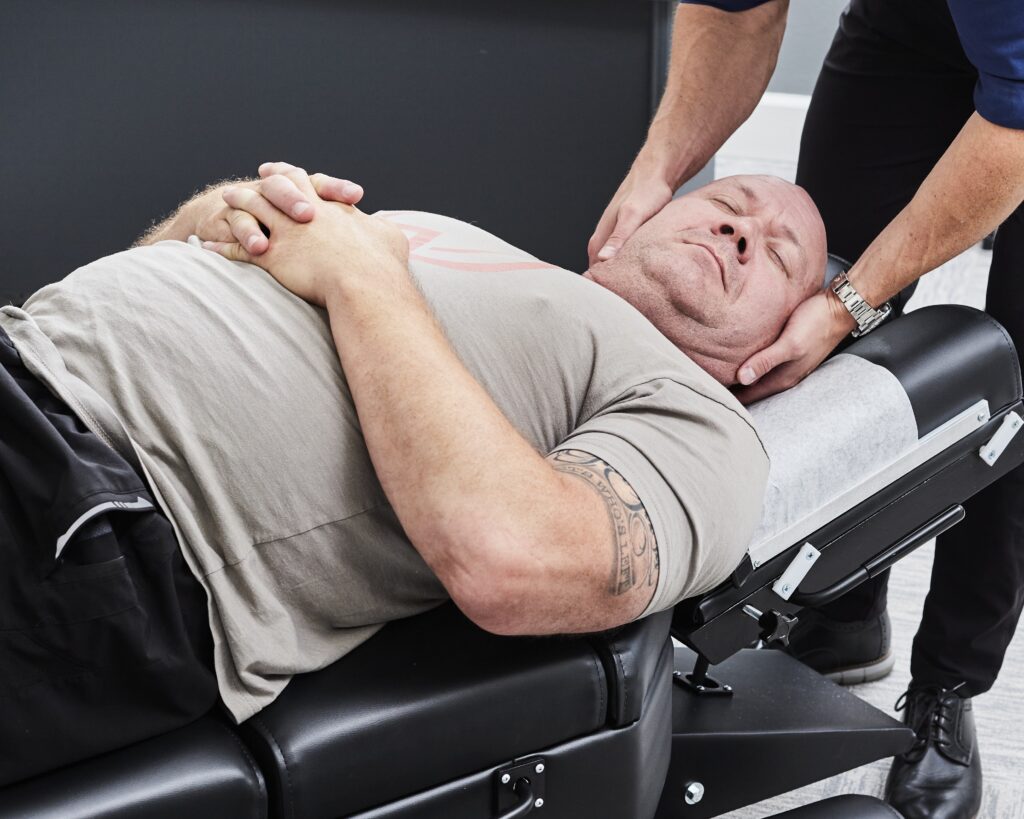
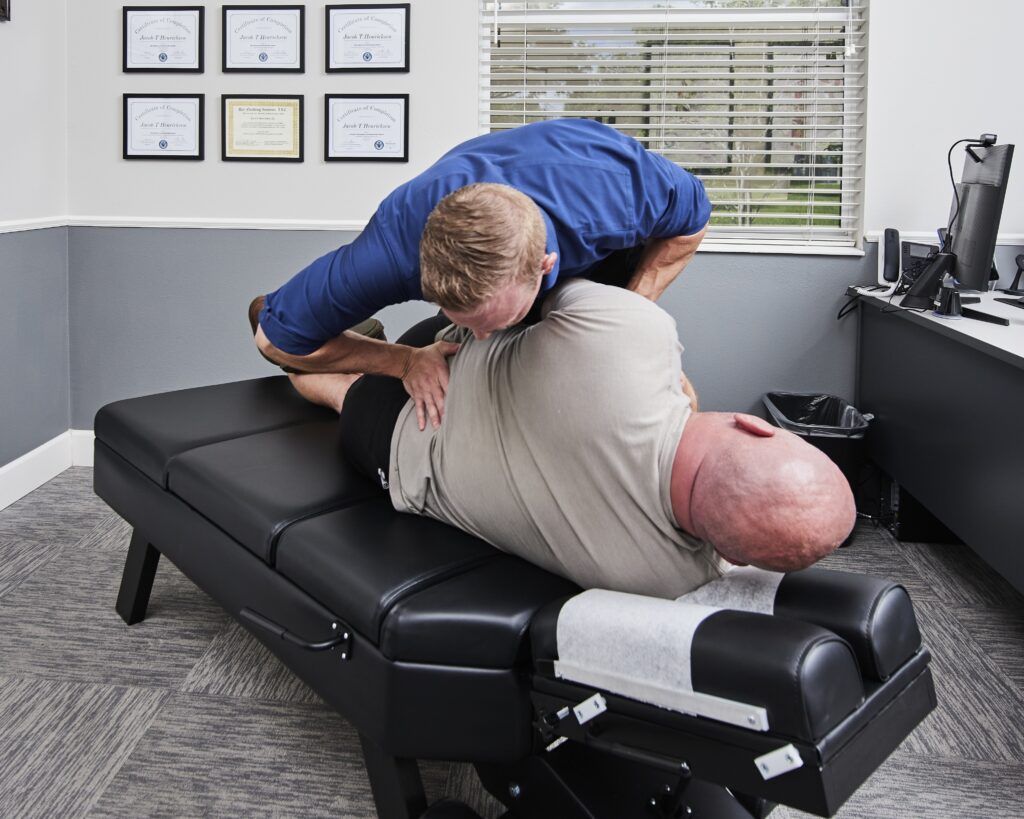
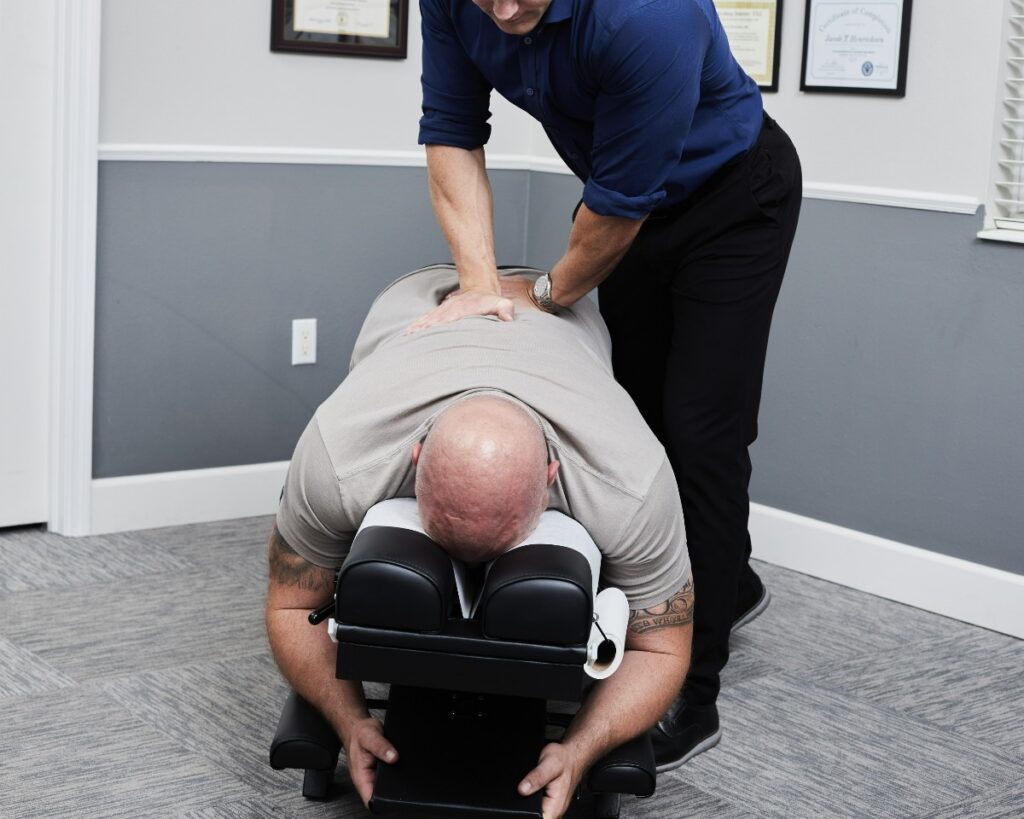
Non-invasive therapy offers a range of techniques designed to alleviate stress without the need for surgical procedures or medications. These methods focus on addressing the root causes of stress while promoting relaxation and emotional well-being. You'll find that non-invasive therapies include options like massage therapy, acupuncture, and various forms of bodywork that can help release tension and improve your overall sense of calm.
When you engage in non-invasive therapies, you're choosing a holistic approach that values your body's natural ability to heal. For instance, massage therapy not only relaxes tight muscles but also stimulates blood flow and encourages the release of endorphins, which can elevate your mood.
Acupuncture, on the other hand, works by balancing your body's energy, or "qi," which can help alleviate stress and restore harmony.
Another key aspect of non-invasive therapy is its focus on individualized care. Practitioners often tailor their techniques to meet your specific needs, ensuring that you receive the most effective treatment possible. This personalized approach can lead to greater satisfaction and better outcomes in your stress relief efforts.
Ultimately, non-invasive therapy provides a safe and accessible way for you to manage stress. By exploring different techniques, you can discover what resonates best with you, empowering yourself to take charge of your mental well-being.
Mindfulness and Meditation Techniques
Exploring mindfulness and meditation techniques can further enhance the benefits of non-invasive therapy in managing stress. By integrating these practices into your daily routine, you can cultivate a deeper awareness of your thoughts and emotions, which helps you respond to stress more effectively.
To get started, find a quiet space where you won't be disturbed. Sit comfortably, close your eyes, and take a few deep breaths. Focus on the sensation of the air entering and leaving your body. When your mind begins to wander, gently bring your attention back to your breath. This simple practice of mindfulness trains your brain to remain present and reduces anxiety.
You might also consider guided meditation apps or videos. These resources can provide structure and support, especially if you're new to meditation. Many offer sessions ranging from just a few minutes to longer practices, allowing you to choose what fits your schedule.
You can try body scan meditation as another technique. Lie down comfortably, and mentally scan your body from head to toe, noticing any tension or discomfort. Acknowledge these sensations without judgment, and breathe into those areas to promote relaxation.
Benefits of Aromatherapy
Aromatherapy offers a variety of benefits that can significantly enhance your stress relief efforts. By utilizing essential oils derived from plants, you can create a calming environment that supports relaxation and mental clarity.
Whether you're dealing with overwhelming stress or just need a moment to unwind, aromatherapy can be a valuable tool in your wellness routine.
Here are some key benefits you might experience:
- Enhanced Mood: Certain essential oils, like lavender and citrus, can elevate your mood and promote feelings of happiness and calmness. Just a few deep breaths can make a significant difference.
- Improved Sleep Quality: If you struggle with insomnia or restless nights, oils such as chamomile and sandalwood can help you drift off to sleep more easily. Incorporating these scents into your bedtime routine may lead to deeper, restorative sleep.
- Reduced Anxiety: Aromatherapy can lower levels of anxiety. Oils like bergamot and frankincense have been shown to reduce feelings of tension, making it easier for you to face daily challenges.
- Boosted Concentration: Scents like peppermint and rosemary can sharpen your focus and mental clarity. When you need to concentrate or tackle a big project, diffusing these oils might help you stay on track.
Incorporating aromatherapy into your life doesn't have to be complicated. Just a few drops in a diffuser or a dab on your wrists can make a world of difference in your stress management journey.
Gentle Exercise Options
When it comes to managing stress, incorporating gentle exercise into your routine can be incredibly beneficial. Gentle exercises not only help you move your body but also promote relaxation and improve your mood. Activities like yoga, tai chi, and walking are excellent options that can easily fit into your day.
Yoga is a fantastic way to relieve tension. By focusing on your breath and holding gentle poses, you'll find that your body begins to release stress. Even a short session can leave you feeling centered and refreshed.
Tai chi, often described as "meditation in motion," combines slow, deliberate movements with deep breathing. This practice helps enhance your balance and flexibility while calming your mind.
Walking is another simple yet effective gentle exercise. A brisk walk in nature can elevate your mood and clear your thoughts. You don't need to go far; even a leisurely stroll around your neighborhood can make a difference. Consider inviting a friend or family member to join you, as social interaction can further reduce stress.
Lastly, don't underestimate the power of stretching. Incorporating a few minutes of stretching into your daily routine can alleviate muscle tension and help you feel more relaxed.
Incorporating these gentle exercise options into your life doesn't have to be overwhelming. Start small and gradually increase the time or intensity as you feel comfortable.
Sound Therapy for Relaxation
Soothing melodies and calming sounds can transform your environment and help you unwind. Sound therapy is an effective way to relieve stress, using frequencies and vibrations to promote relaxation and emotional healing. You don't need to be a music expert to benefit from it; just find what resonates with you and let it wash over you.
Here are some popular options to explore in sound therapy:
- Binaural Beats: These use two slightly different frequencies in each ear, creating a perceived third tone that can help induce relaxation and focus.
- Tibetan Singing Bowls: The rich, resonant tones of these bowls can help reduce anxiety and promote a deep sense of peace.
- Nature Sounds: Rain, ocean waves, or chirping birds can create a tranquil atmosphere, making it easier for you to relax and escape daily stresses.
- Guided Meditation with Soundscapes: Combine soothing voices with ambient music or nature sounds for a fully immersive experience, easing your mind into a state of calm.
To get started, find a quiet space, put on some headphones, and immerse yourself in these sounds. Allow yourself to focus solely on the music or sounds, letting go of distractions.
You might be surprised at how quickly you feel the tension melt away. Sound therapy can fit seamlessly into your routine, providing a simple yet powerful way to manage stress and enhance your overall well-being.
Nature Therapy and Its Impact
Sound therapy offers a unique way to unwind, but nature therapy takes relaxation to another level by immersing you in the great outdoors. There's something magical about stepping outside, where trees sway gently in the breeze and birds chirp in harmony.
Nature therapy encourages you to connect with your environment, helping to ground you and alleviate stress. When you spend time in natural settings, your body responds positively. Research shows that being outdoors can lower cortisol levels, the hormone associated with stress.
Just a short walk in a park or a hike through the woods can clear your mind and lift your spirits. You'll find that the sights, sounds, and even scents of nature can be incredibly therapeutic. Engaging with nature invites mindfulness, allowing you to focus on the present moment.
Whether you're watching clouds drift by or feeling the texture of bark beneath your fingers, these experiences can help you become more attuned to your surroundings, reducing anxiety and enhancing your overall well-being.
You don't need to set out on an extensive trip to reap the benefits of nature therapy. Even a few minutes spent in your backyard or a nearby green space can make a difference.
Creative Outlets for Stress Relief
When stress weighs you down, turning to creative outlets can provide a much-needed release.
Whether you pick up a paintbrush, write in a journal, or dance to your favorite tunes, these activities can help you express your feelings and boost your mood.
Let's explore how art, writing, and music can transform your stress into something positive.
Art and Crafting
Engaging in art and crafting offers a powerful escape from daily stress, allowing you to channel your emotions into creativity. When you engage in these activities, you can experience a sense of flow that lifts your spirits and quiets your mind.
Whether you're a seasoned artist or a complete beginner, the act of creating can be incredibly therapeutic.
Here are some ways art and crafting can help relieve stress:
- Coloring: Adult coloring books can help you focus and unwind, making it easier to let go of worries.
- Painting: Expressing yourself on canvas lets you explore your emotions without judgment.
- Knitting or Crocheting: The repetitive motions not only keep your hands busy but also provide a meditative experience.
- DIY Projects: Creating something functional or decorative for your home can give you a sense of accomplishment.
As you engage with these creative outlets, you may find that they not only distract you from stress but also improve your overall well-being.
Writing and Journaling
Writing and journaling provide an effective way to process emotions and clear your mind of clutter. When you put pen to paper, you give your thoughts a place to land, transforming overwhelming feelings into manageable words. It's like having a personal conversation with yourself, allowing you to explore your innermost thoughts without judgment.
You don't need to be a literary genius; just let your ideas flow naturally. Start with a simple prompt, like "Today I felt…" or "I'm grateful for…" This can help you focus and ease anxiety. The act of writing can also serve as a release, helping you identify patterns or triggers in your stress.
Journaling regularly enhances self-awareness and promotes emotional healing. You might find clarity in your experiences, making it easier to tackle challenges. Plus, the freedom of expression can be liberating; you can write about anything, from daily frustrations to dreams and aspirations.
Try setting aside a few minutes each day to reflect in your journal. This small commitment can lead to significant changes in your mental well-being and help you embrace a clearer, more peaceful state of mind.
Music and Dance
Music and dance can lift you up and wash away stress in an instant. When you immerse yourself in these creative outlets, you tap into feelings of joy and release pent-up emotions.
Whether you're singing along to your favorite tune or twirling around your living room, these activities can transform your mood and clear your mind.
Here are some quick tips to make the most of music and dance for stress relief:
- Create a Playlist: Curate a collection of uplifting songs that resonate with you. Let the music guide your emotions.
- Dance Freely: Don't worry about technique! Just move your body to the rhythm and let go of inhibitions.
- Join a Class: Engage with others by taking a dance class. Social connection adds another layer of joy.
- Use Music for Mindfulness: Focus on the sounds and lyrics of a song to ground yourself in the present moment.
The Role of Nutrition
What you eat plays a vital role in managing stress levels. Key nutrients can boost your mental health, while staying hydrated is essential for overall well-being.
It's also important to recognize which foods to avoid, as they can negatively impact your mood and stress response.
Key Nutrients for Stress
Nutrition plays an essential role in managing stress, as the right nutrients can greatly impact your mood and overall well-being. Incorporating key nutrients into your diet can help you feel more balanced and resilient against stress.
Here are some important nutrients to evaluate:
- Omega-3 Fatty Acids: Found in fish like salmon and walnuts, these fats can lower anxiety levels and improve mood.
- Magnesium: This mineral helps regulate cortisol, the stress hormone. You can find it in leafy greens, nuts, and whole grains.
- B Vitamins: Particularly B6, B12, and folate, these vitamins support brain health and energy levels. Foods like eggs, legumes, and dairy are excellent sources.
- Vitamin C: Known for boosting the immune system, vitamin C also helps reduce stress levels. Citrus fruits, strawberries, and bell peppers are rich in this nutrient.
Hydration and Mental Health
Staying properly hydrated is fundamental for maintaining good mental health, as even mild dehydration can affect your mood and cognitive function. When your body lacks sufficient water, you may experience increased feelings of anxiety, irritability, or fatigue. This makes it imperative to drink enough fluids throughout the day.
Water plays an important role in transporting nutrients to your brain and removing toxins that can negatively impact your mental state. Make it a habit to carry a water bottle with you, and set reminders to take sips regularly.
You might also consider incorporating hydrating foods, like fruits and vegetables, into your diet. These not only boost your hydration but also provide essential vitamins and minerals that support overall brain function.
Pay attention to how your body feels. If you notice signs of dehydration, such as thirst, dry mouth, or dark-colored urine, it's time to increase your fluid intake.
Foods to Avoid
Certain foods can undermine your mental health and contribute to increased stress levels. By being mindful of your diet, you can take active steps to manage stress more effectively.
Here are some foods you might want to avoid:
- Sugary snacks: They can cause blood sugar spikes and crashes, leading to irritability and anxiety.
- Caffeine: While it can give you a temporary boost, too much caffeine can lead to increased heart rate and anxiety.
- Processed foods: High in unhealthy fats and additives, these can negatively impact your mood and energy levels.
- Alcohol: Although it may seem relaxing initially, it can disrupt your sleep and exacerbate feelings of anxiety.
Building a Personal Stress-Relief Plan
Creating a personal stress-relief plan is vital for managing your stress effectively. Start by identifying your unique stressors. Take a moment to reflect on what triggers your stress—whether it's work deadlines, family responsibilities, or financial worries. Knowing your triggers is the first step toward addressing them.
Next, determine what strategies resonate with you. Think about activities that help you unwind. Do you enjoy yoga, meditation, or going for a walk? Consider incorporating deep-breathing exercises or listening to calming music as part of your daily routine. Choose a few techniques you feel comfortable with and commit to practicing them regularly.
Set specific goals to keep yourself accountable. For instance, aim to meditate for ten minutes each morning or take a 20-minute walk during lunch breaks. These small, achievable goals can lead to significant stress reduction over time.
It's important to evaluate your progress. Set aside time each week to reflect on how well your stress-relief plan is working. Are you feeling more relaxed? If not, don't hesitate to adjust your strategies. Experiment with different activities until you find what best suits your needs.
Lastly, don't forget to reach out for support. Share your plan with friends or family, and consider joining a support group or class. Building a personal stress-relief plan is a journey, and having a support system can make all the difference in your pursuit of a more balanced, stress-free life.
Conclusion
Incorporating non-invasive therapies into your daily routine can greatly reduce stress and enhance your overall well-being. By exploring mindfulness, aromatherapy, gentle exercise, and sound therapy, you're empowering yourself to manage stress effectively. Embrace nature and creative outlets to further foster relaxation, and don't forget the importance of nutrition. By building a personalized stress-relief plan, you're taking proactive steps toward a healthier, more balanced life. Start today and watch the positive changes unfold!