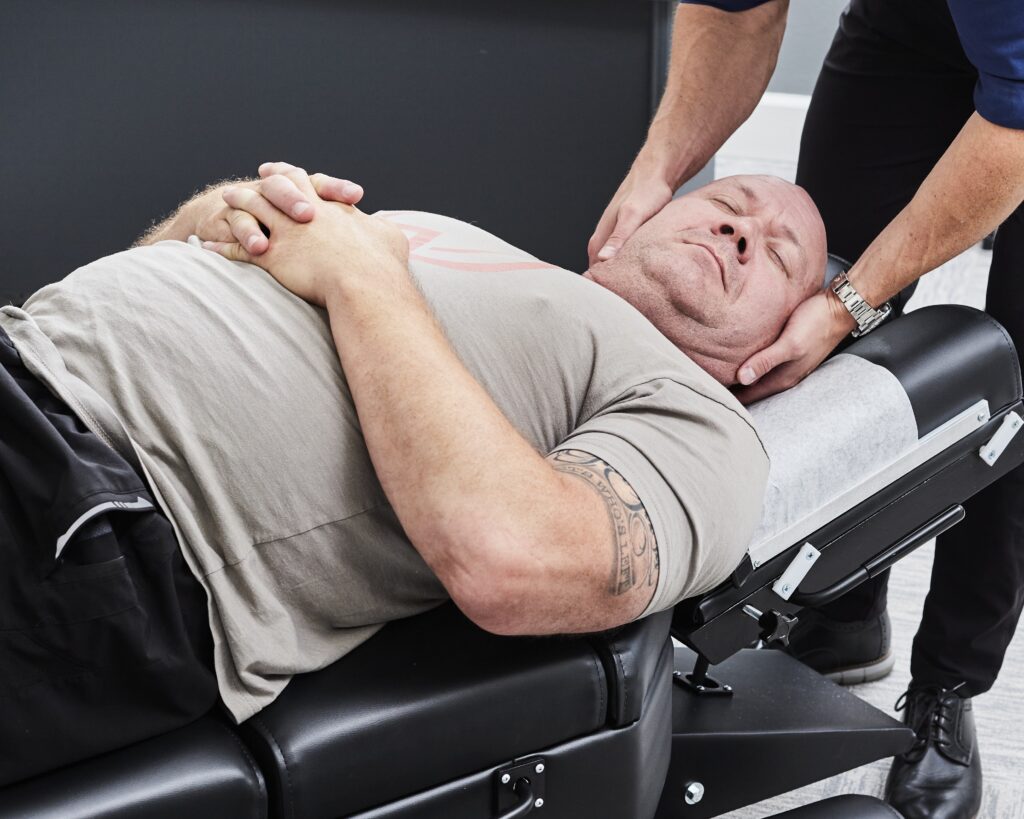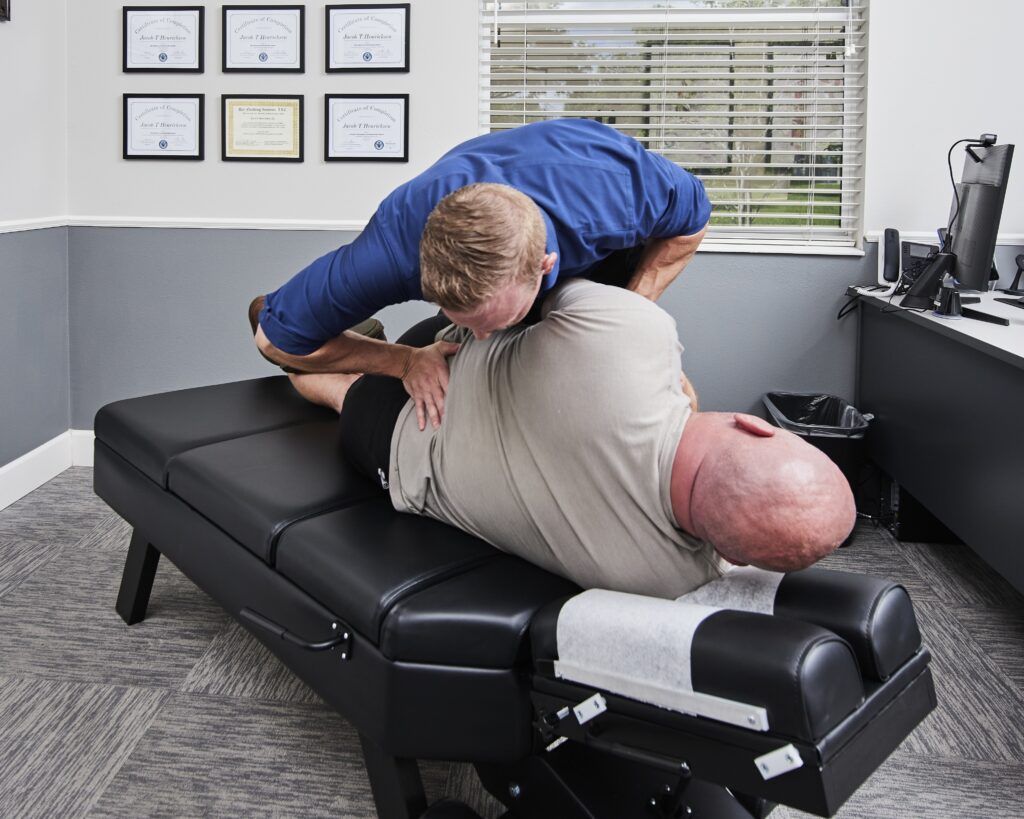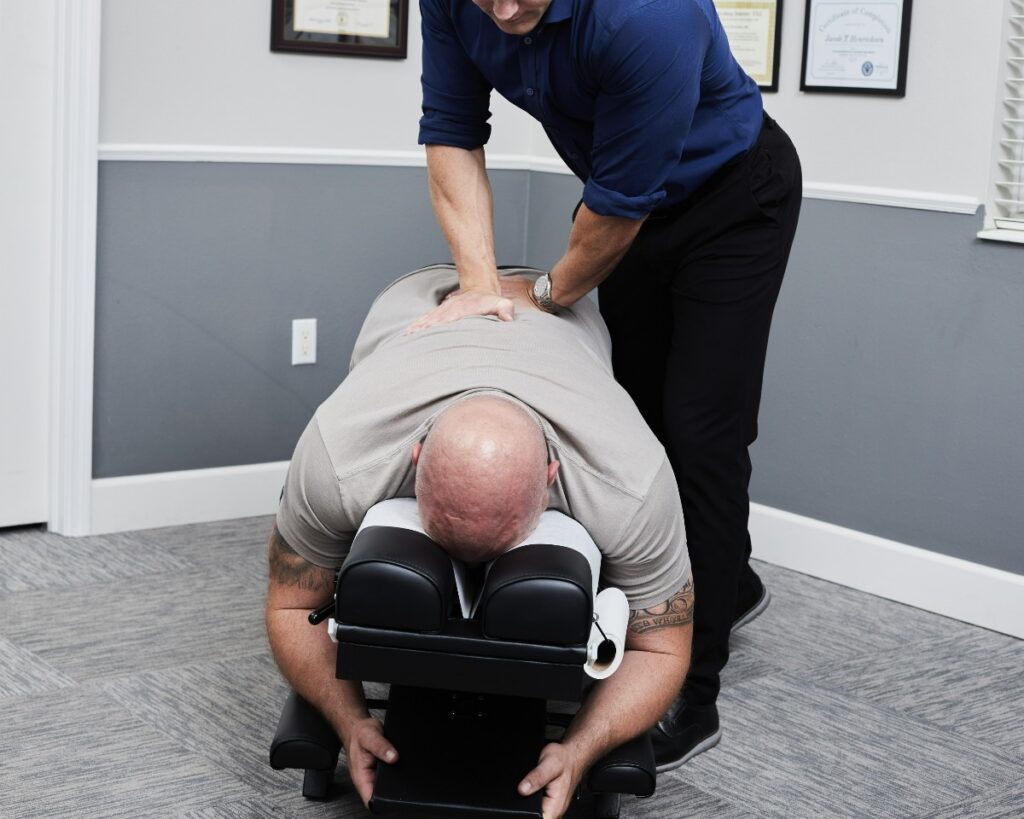

When you consider your health, a one-size-fits-all approach often falls short. Customized treatment plans offer a tailored solution that takes your unique history, lifestyle, and preferences into account. This personalization not only boosts the effectiveness of treatments but also keeps you engaged in your own care. You might be surprised at how this approach can transform your healthcare experience, but what exactly does it entail, and how can it lead to better outcomes for you? Let's explore the nuances that make personalized plans a compelling choice.
Understanding Customized Treatment
Understanding customized treatment means recognizing that healthcare isn't one-size-fits-all. You know your body and its needs better than anyone else, and that's why personalized care is vital. When you seek treatment, it's essential to take into account your unique medical history, lifestyle, and preferences. Customization acknowledges these factors, ensuring that the approach you receive aligns with your specific circumstances.
In contrast to standard protocols, which often apply a blanket solution to a diverse population, customized treatment plans focus on you as an individual. They take into account your genetic makeup, previous health issues, and even your emotional well-being. This tailored approach enhances the likelihood of effective treatment, as it considers not just the illness but also how you respond to various therapies.
Moreover, engaging in a customized treatment plan empowers you. You become an active participant in your healthcare journey, collaborating with your healthcare provider to determine the best course of action. This partnership fosters open communication, allowing you to voice your concerns and preferences.
As you explore your options, remember that achieving the best health outcomes requires a thorough understanding of your needs. Customized treatment isn't merely about addressing symptoms; it's about creating a roadmap that guides you toward overall wellness.
Benefits of Personalization
When you personalize treatment plans, you're likely to see enhanced effectiveness in achieving health goals.
This tailored approach not only meets your unique needs but also keeps you more engaged in your own care.
Ultimately, it leads to better outcomes and a more satisfying experience.
Enhanced Effectiveness
Personalizing treatment plans greatly boosts their effectiveness, ensuring that each individual's unique needs and circumstances are addressed. When you receive a tailored approach, your specific medical history, lifestyle, and preferences are taken into account. This means the strategies and interventions you follow are more likely to resonate with you and lead to positive outcomes.
For instance, when healthcare providers customize a treatment plan, they can identify the most suitable medications or therapies that align with your body's responses. This not only minimizes potential side effects but also enhances the likelihood of successful treatment.
Furthermore, by focusing on what works best for you, the process becomes more efficient, saving both time and resources. Additionally, personalized plans can help in monitoring and adjusting treatments as needed. If something isn't working, adjustments can be made quickly based on your feedback and progress.
This proactive approach keeps you on track and maximizes the effectiveness of your care. Ultimately, when treatment aligns closely with your individual needs, you're more likely to experience improvements in your health and well-being, making personalized treatment plans an essential part of effective healthcare.
Increased Engagement
A customized treatment plan naturally leads to increased engagement in your healthcare journey. When your plan aligns with your unique needs and preferences, you're more likely to actively participate in your treatment. This personalized approach fosters a sense of ownership, making you feel invested in your health outcomes.
Consider the following benefits of increased engagement:
- Better understanding: You'll grasp the reasons behind each treatment option, empowering you to ask questions and voice concerns.
- Motivation: A plan tailored to your lifestyle encourages you to stick with it, whether that means following a new exercise program or adhering to medication schedules.
- Collaboration: You'll work closely with your healthcare team, allowing for open communication and adjustments to your plan as needed.
When you're engaged, you're not just a passive recipient of care. Instead, you're an active participant, which can lead to better outcomes and a more satisfying healthcare experience.
Enhancing Patient Engagement
Engaging patients in their treatment plans greatly boosts their commitment and overall health outcomes. When you actively participate in your healthcare journey, you're more likely to adhere to prescribed treatments and make informed decisions about your health. Customized treatment plans invite you to share your preferences, concerns, and lifestyle factors, making your involvement essential.
One effective way to enhance your engagement is through open communication with your healthcare provider. Don't hesitate to ask questions or express your thoughts about the treatment options presented to you. This dialogue fosters a sense of ownership over your health, motivating you to follow through with the plan.
Furthermore, when you feel heard and valued, it builds trust and strengthens the patient-provider relationship.
Incorporating technology can also stimulate your engagement. Many healthcare providers now offer patient portals or mobile apps that allow you to track your progress, schedule appointments, and access educational resources. These tools empower you to take charge of your health by providing real-time information and reminders about your treatment regimen.
Setting achievable goals with your healthcare team can further enhance your engagement. When you collaborate to define clear, realistic milestones, you'll have a roadmap to monitor your progress. Celebrating these small victories along the way can boost your motivation and commitment to the overall treatment plan.
Ultimately, when you're engaged in your treatment plan, you're not just a passive recipient of care; you're an active participant in shaping your health journey.
Improving Health Outcomes
Active participation in your treatment plan not only fosters engagement but also greatly improves health outcomes. When you take an active role, you're more likely to stick to the prescribed regimen and make informed decisions that positively impact your health. Customized treatment plans allow for tailored approaches that consider your unique circumstances, which can lead to more effective interventions and better overall results.
Here are a few ways your involvement can enhance your health outcomes:
- Better adherence to treatment: When you understand and agree with your plan, you're more committed to following through with medications, therapies, and lifestyle changes.
- Timely adjustments: By communicating regularly with your healthcare team, you can quickly address any challenges or side effects, ensuring that your treatment remains effective and aligned with your health goals.
- Empowerment and confidence: Engaging in your treatment fosters a sense of ownership over your health, which can lead to increased motivation and a proactive approach to your well-being.
Ultimately, when you invest time and effort into your customized treatment plan, you're setting the stage for improved health outcomes. This active participation not only leads to better management of your condition but also enhances your quality of life.
Considering Individual Preferences
When creating a treatment plan, it's crucial to take into account your personal goals and values.
Your unique health circumstances can greatly influence what approaches work best for you.
Personal Goals and Values
How do your personal goals and values shape your treatment journey? Understanding what matters to you can greatly impact your healthcare experience. When you align your treatment plan with your individual preferences, you're more likely to feel motivated and engaged throughout the process.
Consider how your unique goals and values might influence your choices:
- Quality of Life: Do you prioritize maintaining your daily activities and hobbies over aggressive treatments?
- Holistic Approach: Are you inclined to explore alternative therapies alongside conventional medicine to support your overall well-being?
- Family Involvement: Would you like to include family members in discussions and decisions, ensuring support and shared understanding?
Unique Health Considerations
Unique health considerations play an important role in tailoring your treatment plan to fit your specific needs. Everyone's health is influenced by a variety of factors, including genetics, lifestyle, and existing medical conditions. By understanding these unique elements, you can work with your healthcare provider to create a plan that truly resonates with you.
When you consider your individual preferences, it's vital to address aspects like dietary restrictions, exercise habits, and mental health. If you have allergies or intolerances, your treatment should accommodate those to prevent adverse reactions.
Similarly, if you prefer low-impact exercises, your plan should reflect that to guarantee you're comfortable and motivated.
Additionally, your emotional wellbeing matters. If you thrive in social settings, incorporating group therapy or support sessions can enhance your treatment experience. On the other hand, if you prefer personal reflection, opt for one-on-one counseling.
Incorporating unique health considerations not only enhances the effectiveness of your treatment but also empowers you to take an active role in your health journey. This personalized approach fosters a sense of ownership, making it more likely that you'll stick with the plan and achieve your health goals.
Addressing Diverse Medical Needs
In today's healthcare landscape, addressing diverse medical needs is vital for achieving ideal patient outcomes. Every individual you encounter has a unique set of circumstances, experiences, and health conditions that require personalized attention. By tailoring treatment plans to these specific needs, you guarantee that patients receive the most effective care.
Customized treatment plans can greatly enhance patient engagement and compliance. When patients see their specific needs being met, they're more likely to stick to their treatment regimens. This commitment can lead to better health results and overall satisfaction with their healthcare experience.
Consider the following aspects that highlight the importance of addressing diverse medical needs:
- Cultural Sensitivity: Recognizing cultural backgrounds helps build trust and fosters open communication between healthcare providers and patients.
- Chronic Conditions: Many patients live with chronic illnesses that require ongoing management, necessitating a plan that evolves with their changing health status.
- Mental Health: Addressing mental health alongside physical health is essential, as the two are often interconnected and can impact treatment outcomes.
The Role of Technology
Technology plays an essential role in crafting personalized treatment plans that truly fit your needs.
With advanced data analysis and tailored algorithms, you can receive care that's specifically designed for you.
Plus, telehealth integration makes accessing these customized treatments easier and more convenient than ever.
Advanced Data Analysis
Data analysis has become a cornerstone in developing customized treatment plans, allowing healthcare providers to make informed decisions tailored to individual patient needs. By leveraging advanced data analysis, you can identify trends and patterns that directly impact treatment outcomes. This technology enables you to harness vast amounts of patient data, making it easier to understand specific conditions and responses to various therapies.
With advanced data analysis, you can expect:
- Real-time insights that help monitor patient progress and adjust treatments as necessary.
- Predictive modeling that forecasts potential complications based on individual health histories and lifestyle choices.
- Enhanced communication between providers and patients, ensuring everyone is on the same page regarding treatment plans.
Embracing data analysis not only streamlines the decision-making process but also fosters a more personalized approach to healthcare.
By utilizing these tools, you can greatly improve the quality of care and enhance patient satisfaction.
Ultimately, advanced data analysis equips you with the knowledge needed to tailor treatment plans effectively, paving the way for better health outcomes and a more patient-centered healthcare experience.
Personalized Treatment Algorithms
Harnessing advanced data analysis sets the stage for developing personalized treatment algorithms that can revolutionize patient care. These algorithms analyze your unique medical history, genetic makeup, and lifestyle factors to tailor interventions that best suit you. Instead of a one-size-fits-all approach, personalized algorithms guarantee that the treatment you receive aligns with your specific needs.
As you engage with your healthcare provider, they can utilize these algorithms to predict how you might respond to different treatments. This proactive strategy allows for adjustments in real-time, optimizing outcomes while minimizing side effects. You're not just a number; you're at the center of a data-driven approach that considers your individuality.
Moreover, fostering collaboration among healthcare professionals through these algorithms enhances decision-making. Your care team can seamlessly share insights, guaranteeing that everyone is aligned with your treatment goals. This synergy leads to improved communication and a more cohesive care experience.
In essence, personalized treatment algorithms leverage technology to empower you and your healthcare providers, enhancing the precision of your care. By focusing on your unique characteristics, these algorithms promise a brighter, more effective future in healthcare.
Telehealth Integration Benefits
With the rise of telehealth, patients can tap into a new domain of convenience and accessibility in their healthcare.
This integration of technology into your treatment plan not only streamlines the process but also enhances your overall experience. You can connect with healthcare providers from the comfort of your home, making it easier than ever to manage your health.
Consider these benefits of telehealth integration:
- Immediate Access: You can consult with specialists or primary care providers without the need for travel, saving you time and effort.
- Personalized Care: Telehealth allows for customized treatment plans to be discussed in real-time, ensuring your unique needs are met promptly.
- Continuous Monitoring: With remote monitoring tools, your healthcare team can track your progress and make adjustments to your treatment plan as needed.
Overcoming Common Challenges
Facing the hurdles of customized treatment plans can be intimidating, but understanding common challenges is the first step toward overcoming them. One significant challenge you might encounter is the complexity of tailoring a plan that meets your specific needs. It's vital to communicate openly with your healthcare provider about your symptoms, lifestyle, and preferences. This dialogue helps guarantee the plan is truly personalized and effective.
Another challenge is maneuvering the overwhelming amount of information available. With countless treatment options and varying opinions, it's easy to feel lost. Focus on gathering information from credible sources and don't hesitate to ask your healthcare team for clarification. They're there to guide you through the process and can help you filter out the noise.
Cost can also pose a barrier. Customized plans might seem pricey, but consider discussing financing options with your provider. Many clinics offer payment plans or sliding scale fees based on your financial situation. It's important to advocate for yourself and explore all available resources.
Lastly, you may face emotional hurdles, like uncertainty about the effectiveness of a new approach. Trust the process and give yourself time to adjust. Staying committed to your treatment and maintaining a positive mindset can make a significant difference.
Case Studies of Success
Exploring successful case studies can provide valuable insights into the effectiveness of customized treatment plans. You may find it inspiring to see how personalized approaches have transformed lives. Here are a few examples that highlight the power of tailored care:
- Patient A: A 45-year-old woman struggling with chronic migraines found relief through a customized treatment plan that included diet changes, stress management techniques, and targeted therapy. Within weeks, she experienced a significant reduction in the frequency and intensity of her migraines.
- Patient B: A young athlete with a sports injury received a personalized rehabilitation program that focused on his specific needs. By integrating strength training, flexibility exercises, and sport-specific drills, he not only returned to his sport faster but also improved his overall performance.
- Patient C: An elderly man with multiple health conditions benefited from a coordinated care plan tailored to his unique situation. By addressing his diabetes, hypertension, and mobility issues in a single, cohesive strategy, he achieved better health outcomes and improved his quality of life.
These case studies illustrate how customized treatment plans can address individual needs and lead to remarkable results.
You can see that when healthcare is personalized, it not only enhances the patient experience but also increases the effectiveness of treatment. By focusing on the specifics of each individual, customized plans pave the way toward better health outcomes and a more fulfilling life.
Future of Tailored Healthcare
Embracing advancements in technology and data analysis, the future of tailored healthcare promises to revolutionize how you approach medical treatment.
Imagine a world where your specific health needs are predicted and catered to with precision. With the integration of artificial intelligence, machine learning, and big data, healthcare providers can analyze vast amounts of information to create personalized treatment plans just for you.
As genetic testing becomes more accessible, your unique genetic makeup will play a vital role in determining the most effective therapies. This means fewer trial-and-error approaches and quicker paths to effective treatment, saving you time and frustration.
Additionally, wearable technology will track your health metrics in real-time, providing your healthcare team with continuous data to adjust your treatment as needed.
Telemedicine is also set to enhance your healthcare experience. You'll have the convenience of consulting with specialists from the comfort of your home, ensuring that your treatment plan is tailored to your lifestyle and preferences.
Moreover, as healthcare systems become more interconnected, sharing your health data securely will enable seamless collaboration among your providers, leading to more extensive care.
In the near future, you'll benefit from a more proactive approach to healthcare, where prevention takes center stage. By focusing on your individual risk factors and lifestyle, tailored healthcare will help you maintain peak health rather than just reacting to illness.
The future is bright, and it's all about you.
Conclusion
To sum up, opting for customized treatment plans can greatly enhance your healthcare experience. By focusing on your unique needs, these plans boost your engagement and commitment to your health goals. You'll likely see better outcomes and fewer side effects, making your journey toward ideal health more satisfying. As technology continues to evolve, tailored healthcare will become even more accessible, empowering you to take control of your well-being like never before. Embrace the future of personalized care!