If you're struggling with migraine pain, you might find yourself searching for effective relief. Chiropractic care offers several methods that not only target the root causes of your discomfort but also promote overall well-being. From spinal adjustments to personalized treatment plans, these approaches can greatly ease your symptoms. You may be curious about how these techniques work together to enhance your quality of life and whether they could be the solution you've been looking for. Let's explore how chiropractic care can make a difference for you.
Spinal Adjustments
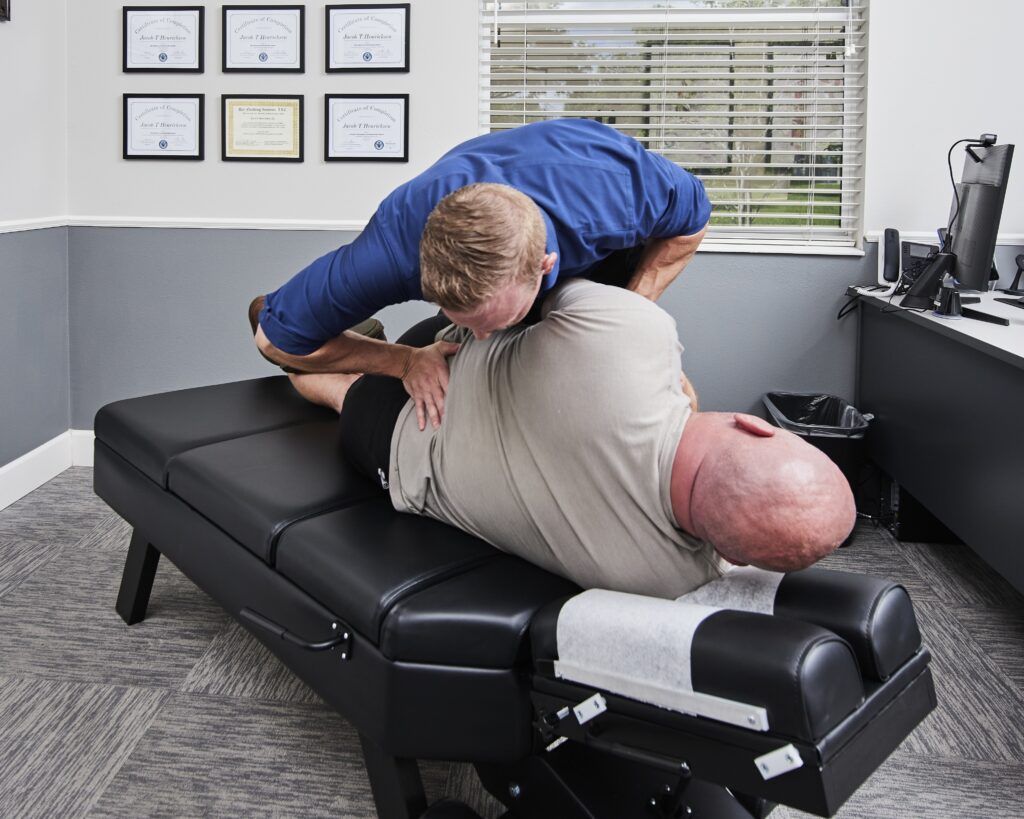
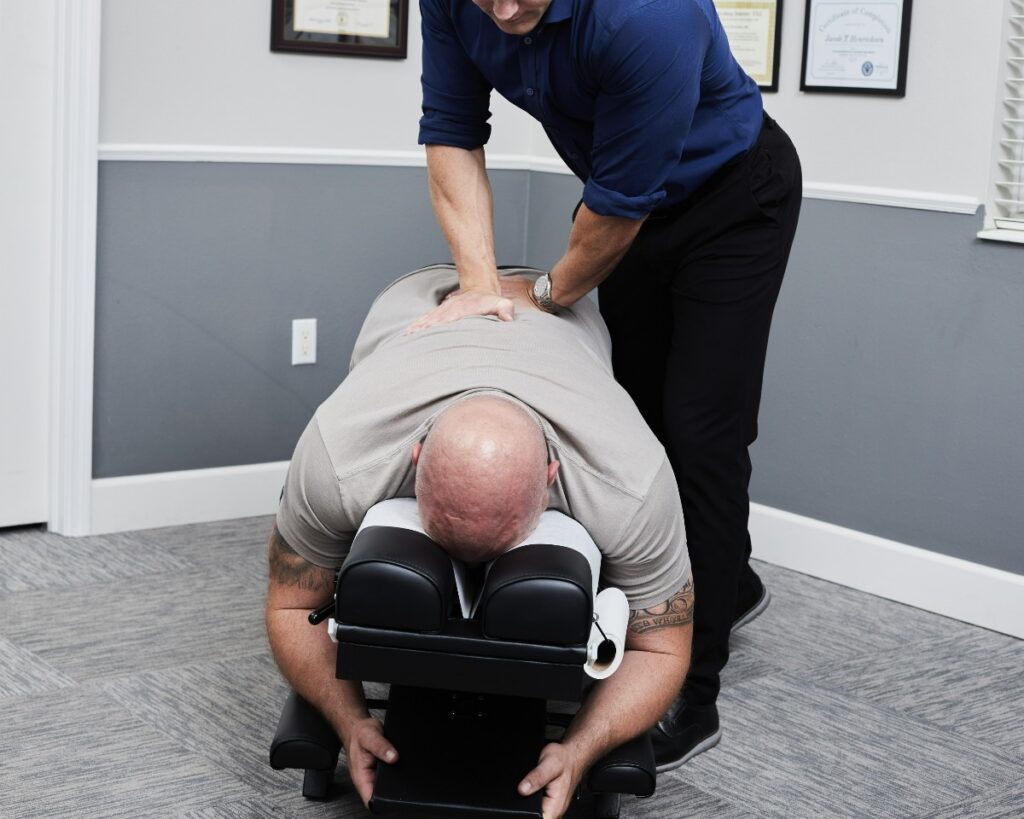
Spinal adjustments, often performed by chiropractors, can be an imperative part of managing migraine pain. When you experience migraines, tension and misalignments in your spine may contribute to the intensity and frequency of your headaches. Chiropractors utilize spinal adjustments to align your vertebrae, which can help alleviate pressure on nerves and restore proper function to your nervous system.
During a chiropractic session, your chiropractor will assess your spine's alignment and identify any areas of restriction or discomfort. By applying precise force to specific joints, they can improve spinal mobility and reduce muscle tension. You might notice an immediate reduction in headache symptoms after an adjustment, or you may experience gradual improvement over several sessions. This process can help enhance blood flow and decrease inflammation, both of which are vital for mitigating migraine pain.
Additionally, chiropractic care emphasizes a holistic approach. Your chiropractor may suggest lifestyle changes, such as stress management techniques or posture corrections, to further support your treatment. By combining spinal adjustments with these recommendations, you're more likely to see long-lasting results.
It's important to note that not everyone responds to chiropractic care in the same way. While many people report significant relief from migraine pain, others may find varying degrees of effectiveness.
Communicate openly with your chiropractor about your experience, so they can tailor their approach to best suit your needs. Overall, spinal adjustments can be a valuable tool in your migraine management plan.
Improved Neck Mobility
When you experience migraines, improved neck mobility can make a significant difference.
Chiropractic care enhances your range of motion, reduces muscle tension, and alleviates nerve compression in your neck.
Enhanced Range of Motion
Many individuals suffering from migraines often experience restricted neck mobility, which can exacerbate their discomfort. This limitation can lead to stiffness and tension, making it harder for you to find relief.
Chiropractic care can help enhance your range of motion, allowing for smoother neck movement and potentially reducing migraine frequency and severity.
When your neck is more mobile, you're likely to experience several benefits:
- Improved posture: Better neck alignment can help prevent additional strain on your body, contributing to overall well-being.
- Easier daily activities: Enhanced mobility allows you to perform routine tasks, like driving or working at a desk, without discomfort.
- Increased blood flow: Improved neck movement can enhance circulation, which may help alleviate migraine triggers.
#
Reduced Muscle Tension
Relief from muscle tension is essential for anyone dealing with migraines, as tightness in the neck and shoulders can greatly contribute to pain. Chiropractors focus on reducing this tension through targeted adjustments and manipulations.
When you visit a chiropractor, they assess your posture and muscle tightness, identifying areas that need attention. By addressing these tight spots, chiropractic care improves your neck mobility and reduces discomfort.
As your muscles relax, you'll likely notice a decrease in migraine frequency and intensity. Increased mobility in your neck allows for better blood flow and oxygen delivery to your brain, which can further help in alleviating migraine symptoms.
You might also find that regular chiropractic sessions promote better posture, which can prevent the buildup of tension in the future. When your neck and shoulder muscles are less strained, you're more likely to feel relaxed and less susceptible to stress-related migraines.
Incorporating chiropractic care into your routine can create lasting benefits, helping you manage muscle tension effectively. As you experience improved neck mobility, you'll likely find yourself enjoying a better quality of life, free from the debilitating grip of migraines.
Alleviated Nerve Compression
Chiropractic care effectively alleviates nerve compression, especially in the neck area, where misalignments can lead to significant discomfort.
When your spine is misaligned, it can pinch nerves, resulting in pain that may trigger migraines. By addressing these issues, chiropractic adjustments can help restore proper alignment and improve your overall neck mobility.
You might notice benefits such as:
- Reduced Pain: Alleviating nerve compression can lead to less pain, decreasing the frequency and intensity of migraines.
- Enhanced Mobility: Improved neck mobility allows for better movement and flexibility, making daily activities more manageable and less stressful.
- Better Posture: Correcting misalignments can help you maintain proper posture, reducing strain on your neck and back, which can also contribute to migraine relief.
## Reduced Muscle Tension
When you experience reduced muscle tension, you'll likely notice relief in neck discomfort and an improvement in your overall posture.
This reduction can enhance blood flow, which is essential for alleviating migraine symptoms.
Alleviates Neck Tension
How can reducing muscle tension in your neck help alleviate migraine pain? When you experience tension in your neck, it can lead to increased pressure and stress that often triggers migraines. By addressing this tension, chiropractic care can greatly reduce the frequency and intensity of your headaches.
Chiropractors use techniques to relax tight muscles, improve blood flow, and relieve nerve pressure in your neck. When these muscles are relaxed, the overall tension in your body decreases, which may help you feel more at ease and less prone to migraine attacks.
Here are a few benefits of alleviating neck tension:
- Enhanced Mobility: Reduced tension allows for greater flexibility and range of motion in your neck, making daily activities easier.
- Less Pain: Alleviating neck tension often leads to a reduction in pain levels, which can help you manage migraine symptoms more effectively.
- Improved Sleep Quality: With less tension in your neck, you may find it easier to get restful sleep, which is vital for migraine prevention.
Incorporating chiropractic care into your routine could be a game-changer for managing migraine pain.
Improves Posture Alignment
Improving posture alignment can greatly reduce muscle tension, which is essential for those who suffer from migraines. When your spine is aligned properly, it allows your muscles to relax, relieving the strain often caused by poor posture.
If you find yourself sitting for long periods, whether at a desk or while using your phone, you might slouch or lean forward, leading to tightness in your neck, shoulders, and back. This muscle tension can trigger or exacerbate migraine episodes.
Chiropractic care focuses on adjusting your spine and improving your overall posture. By receiving regular adjustments, you can correct imbalances and promote proper alignment, which helps your muscles function more efficiently.
You'll notice that as your posture improves, the tension in your muscles will begin to ease.
Incorporating exercises and stretches recommended by your chiropractor can further enhance your posture. These activities strengthen the muscles that support your spine, making it easier to maintain good posture throughout your day.
Ultimately, by improving your posture alignment, you're taking a proactive step toward reducing muscle tension and minimizing the frequency and intensity of your migraines.
Enhances Blood Flow
As your posture improves, you'll likely notice enhanced blood flow throughout your body, which can play a significant role in reducing muscle tension.
Good blood circulation helps deliver essential nutrients and oxygen to your muscles, promoting healing and relaxation. When muscle tension eases, you may find that migraine triggers become less intense, allowing you to experience relief more effectively.
Chiropractic adjustments can help realign your spine, improving your posture and, in turn, boosting blood flow. With better circulation, your body can manage stress and tension more effectively, directly impacting your migraine symptoms.
Here are some benefits of enhanced blood flow:
- Faster recovery: Improved circulation means your muscles can recover from strain or injury more quickly, reducing overall tension.
- Reduced inflammation: Better blood flow can help decrease inflammation, a common contributor to migraine pain.
- Enhanced muscle flexibility: With increased oxygen and nutrient delivery, your muscles can remain more flexible, decreasing the chances of tension buildup.
Enhanced Blood Flow
Enhanced blood flow plays an essential role in alleviating migraine pain, as it helps deliver important nutrients and oxygen to the brain while removing waste products. When you're experiencing a migraine, your brain's blood vessels can constrict, reducing circulation and exacerbating your symptoms. Chiropractic care targets these issues by realigning your spine and improving overall blood flow.
During your chiropractic sessions, the adjustments help relieve tension in your neck and upper back, areas that often contribute to migraine discomfort. As tension eases, blood vessels can expand, allowing for better circulation. This enhanced blood flow not only nourishes your brain but also helps to flush out toxins that may be contributing to your pain. You might notice a difference in your migraine frequency and intensity as your body responds positively to these adjustments.
Moreover, chiropractic care can help manage cervical spine alignment. Proper alignment can reduce pressure on nerves and blood vessels, further promoting adequate blood flow to the brain. When your body functions efficiently, you're less likely to experience the debilitating effects of migraines.
Incorporating regular chiropractic visits into your wellness routine can support your overall health and reduce migraine occurrences. You may find that with improved blood flow, your migraines become less severe and more manageable. By prioritizing this aspect of your care, you're investing in long-term relief and a better quality of life.
Stress Relief Techniques
When it comes to managing migraine pain, incorporating effective stress relief techniques can make a significant difference. Stress is often a trigger for migraines, so finding ways to relax is essential. You can start by integrating simple practices into your daily routine that help calm your mind and body.
One effective technique is deep breathing. Taking a few moments to focus on your breath can lower your heart rate and reduce tension. You can practice this anywhere—whether you're at home, work, or even in your car.
Another useful approach is mindfulness meditation. This practice encourages you to stay present and acknowledge your thoughts without judgment, which can lessen anxiety and stress levels. Just a few minutes a day can yield noticeable results.
Lastly, consider physical activities like yoga or tai chi. These gentle movements not only stretch and strengthen your body but also promote relaxation and mental clarity.
Here are some key techniques to explore:
- Deep Breathing: Focus on your breath to calm your mind.
- Mindfulness Meditation: Stay present and reduce anxiety through awareness.
- Gentle Exercise: Engage in yoga or tai chi for relaxation and strength.
Nutritional Guidance
Managing migraine pain involves not just stress relief techniques but also paying attention to your diet. What you eat can greatly affect your migraine triggers and overall well-being. By incorporating specific nutritional strategies, you can help reduce the frequency and severity of your migraines.
Start by keeping a food diary. This can help you identify potential triggers like aged cheeses, processed meats, or artificial sweeteners. Once you pinpoint these foods, you can minimize or eliminate them from your diet.
Additionally, it's essential to maintain consistent meal times. Skipping meals or fasting can lead to fluctuations in blood sugar levels, which might trigger a migraine.
Hydration is another key factor. Dehydration can easily lead to headaches, so make sure you're drinking enough water throughout the day. Aim for at least eight 8-ounce glasses daily, more if you're active or live in a hot climate.
Incorporating magnesium-rich foods like spinach, nuts, and whole grains can also be beneficial. Research suggests that magnesium deficiency may be linked to migraines. Omega-3 fatty acids found in fish, flaxseeds, and walnuts can reduce inflammation and may help prevent migraines.
Finally, consider consulting a nutritionist who understands migraine management. They can help tailor your diet to better support your health while keeping your migraine triggers in check.
Personalized Treatment Plans
A personalized treatment plan for migraine pain can make a considerable difference in your overall management strategy.
By working closely with a chiropractor, you'll be able to address not just the symptoms but also the underlying triggers of your migraines. Every person's experience with migraines is unique, so a one-size-fits-all approach often falls short.
Instead, your chiropractor will tailor a plan that fits your specific needs and lifestyle.
Your personalized treatment plan may include a combination of chiropractic adjustments, lifestyle modifications, and nutritional guidance.
Here's what you might expect:
- Chiropractic Adjustments: Regular adjustments can help alleviate tension in your neck and spine, which may contribute to migraine frequency and intensity.
- Lifestyle Modifications: Your chiropractor may suggest changes in your daily routine, such as stress-reduction techniques, posture improvement, or sleep hygiene tips that can considerably impact your migraine episodes.
- Nutritional Guidance: A tailored diet plan may help you identify and eliminate potential food triggers that exacerbate your migraines.
Conclusion
Incorporating chiropractic care into your migraine management can greatly enhance your quality of life. With spinal adjustments, improved neck mobility, and reduced muscle tension, you'll find relief from pain while also benefiting from better posture and blood flow. Stress relief techniques and personalized treatment plans tailored to your triggers further support your journey to wellness. By taking these steps, you're not just easing migraine pain; you're investing in your overall health and well-being.