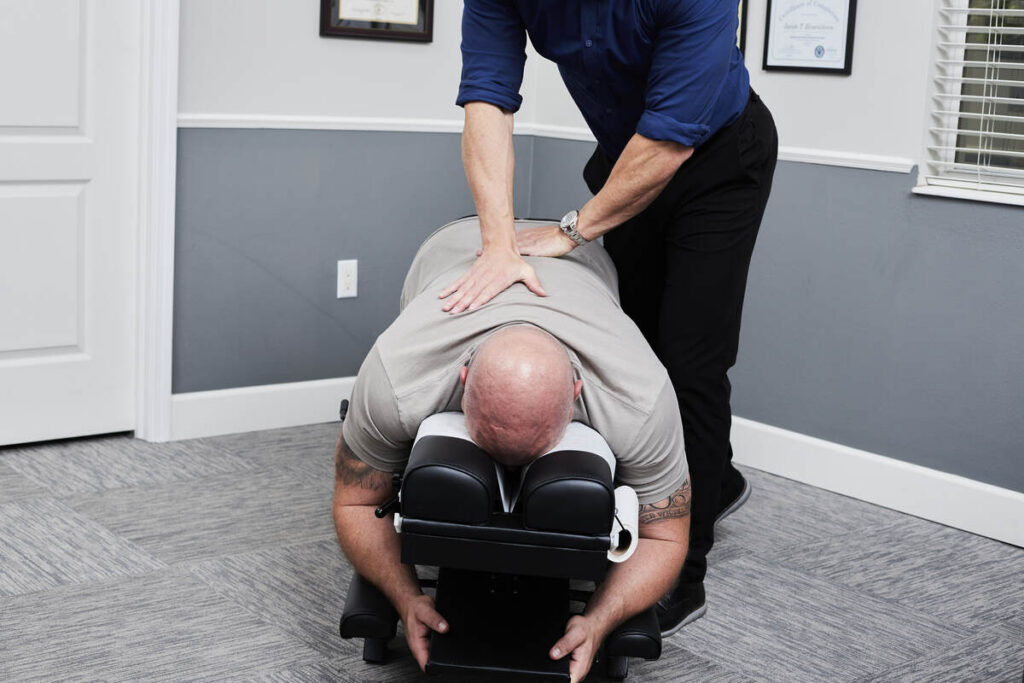

You might be surprised to learn that about 75% of athletes are turning to alternative pain relief methods like acupuncture, massage therapy, and yoga. These techniques not only alleviate discomfort but also enhance recovery and overall performance, suggesting a shift in how athletes approach pain management. As you consider the implications of these findings, it raises important questions about the effectiveness and integration of these methods alongside traditional treatments. What does this mean for the future of sports and athlete health?
Understanding Alternative Pain Relief
Many athletes turn to alternative pain relief methods to manage discomfort and enhance recovery. As you push your body to its limits, traditional painkillers may not always be effective or desirable. You might seek out these alternatives for various reasons, including a desire to avoid side effects, a preference for natural treatments, or the need for more holistic approaches.
Understanding alternative pain relief involves recognizing the diverse range of options available. These methods can include anything from herbal remedies and acupuncture to massage therapy and mindfulness practices. Each approach offers unique benefits, and it's crucial to determine which aligns with your personal needs and preferences.
When considering alternative options, you should also think about how they complement your existing training regimen. For instance, incorporating practices like yoga or meditation not only helps with pain relief but also promotes mental clarity and stress management. This dual benefit can enhance your overall performance and well-being.
Moreover, the effectiveness of alternative pain relief methods often depends on individual responses. What works for one athlete may not work for another, so trying different approaches can be beneficial. You might find that combining various methods yields the best results.
Ultimately, understanding alternative pain relief means being open to exploring different avenues. You're empowered to take charge of your recovery process, which can lead to improved performance and a more sustainable athletic career. Embrace these options as part of your journey toward ideal health and well-being.
Popular Techniques Explained
Exploring popular techniques for alternative pain relief can help you find the right fit for your needs. One commonly used method is acupuncture, which involves inserting thin needles into specific points on your body. This practice aims to stimulate your body's natural pain-relief mechanisms. Many athletes swear by its effectiveness, especially for chronic pain.
Another technique worth considering is massage therapy. This involves manipulating your muscles and soft tissues to reduce tension and improve circulation. A good massage can alleviate soreness, enhance recovery, and promote overall relaxation, making it a popular choice among athletes post-training.
Yoga is also gaining traction as an alternative pain relief option. It combines physical postures, breathing exercises, and meditation, helping you become more in tune with your body. By increasing flexibility and strength, you can potentially reduce the risk of injury and manage pain more effectively.
Furthermore, herbal remedies and dietary supplements are often explored for pain management. Many athletes turn to natural ingredients like turmeric, ginger, or omega-3 fatty acids, believing they possess anti-inflammatory properties that can aid recovery.
Lastly, mindfulness and meditation techniques can provide mental relief from pain. By focusing your mind and calming your thoughts, you may find that your perception of pain decreases, making it easier to manage both physical and emotional challenges.
Benefits of Acupuncture
Harnessing the ancient practice of acupuncture can offer athletes a range of benefits that go beyond just pain relief. This holistic approach taps into your body's natural healing processes, helping you recover faster and perform better. By stimulating specific points on the body, acupuncture can enhance your overall well-being and athletic performance.
Here are some key benefits you might experience:
- Reduced Inflammation: Acupuncture can help decrease inflammation, promoting faster recovery from injuries or intense workouts.
- Enhanced Circulation: Improved blood flow means your muscles get more oxygen and nutrients, which can boost performance and endurance.
- Increased Flexibility: Regular sessions can help you maintain or improve your flexibility, reducing the risk of injuries during training.
- Stress Relief: With the pressures of competition, acupuncture can help you manage stress and anxiety, allowing you to focus better during events.
- Improved Sleep Quality: Better sleep means better recovery. Acupuncture can help regulate your sleep patterns, ensuring you wake up refreshed and ready to train.
Incorporating acupuncture into your routine may not only help alleviate pain but also enhance your physical and mental resilience.
By exploring this alternative therapy, you could reveal a new level of performance, giving you that competitive edge you've been searching for.
Consider working with a licensed acupuncturist to tailor treatments to your specific athletic needs and goals.
The Role of Massage Therapy
Massage therapy plays an essential role in your recovery as an athlete.
It not only helps reduce pain but also enhances muscle recovery and improves flexibility.
Enhanced Muscle Recovery
When it comes to enhanced muscle recovery, few methods rival the benefits of massage therapy. You mightn't realize just how much a good massage can do for your body after intense workouts. It's not just about relaxation; it's a powerful tool that can notably speed up your recovery time.
Through targeted pressure and manipulation, massage therapy improves blood circulation and helps reduce muscle tension. This means you'll feel less soreness and be ready for your next workout sooner.
Here are some key benefits you can expect from incorporating massage therapy into your recovery routine:
- Increased blood flow: Enhances nutrient delivery to muscles.
- Reduced muscle fatigue: Helps flush out metabolic waste.
- Improved flexibility: Aids in maintaining joint and muscle range of motion.
- Stress relief: Lowers cortisol levels, promoting overall well-being.
- Boosted performance: Prepares your muscles for future activities.
Pain Reduction Techniques
Relief from pain is essential for athletes endeavoring to maintain peak performance, and massage therapy plays an important role in this process. You might be surprised by how effective massage can be in reducing pain and improving recovery times.
When you incorporate massage therapy into your routine, you're not just treating sore muscles; you're actively promoting healing and comfort.
Massage works by increasing blood flow to affected areas, which helps in delivering important nutrients while flushing out toxins. This improved circulation can alleviate pain and reduce inflammation, allowing you to get back to training sooner.
You'll also find that massage can help release endorphins, which are natural painkillers your body produces.
Moreover, regular sessions can help you identify and address tight spots or muscle imbalances before they escalate into more significant issues. By communicating openly with your massage therapist about your pain levels and specific concerns, you can tailor each session to your needs, ensuring maximum benefit.
Whether you're managing chronic pain or recovering from an intense workout, massage therapy can be an essential component in your pain reduction strategy, keeping you on track toward your athletic goals.
Improved Flexibility Benefits
Flexibility is essential for athletes looking to enhance performance and prevent injuries. One of the most effective ways to improve flexibility is through massage therapy. Regular sessions can help you achieve a greater range of motion, allowing your body to move more fluidly during training and competition.
Here are some key benefits of massage therapy for improved flexibility:
- Increased Blood Flow: Massage enhances circulation, delivering oxygen and nutrients to your muscles.
- Reduced Muscle Tension: By alleviating tightness, massage allows muscles to stretch more easily.
- Enhanced Recovery: Massage aids in the recovery process, helping you bounce back quicker after intense workouts.
- Better Posture: Improved flexibility contributes to better alignment, reducing strain on muscles and joints.
- Stress Relief: Massage can alleviate stress, allowing you to focus better on your training and performance.
Incorporating massage therapy into your routine can greatly boost your flexibility, helping you perform at your best.
Herbal Remedies and Their Efficacy
Many athletes are turning to herbal remedies as a natural alternative for pain management. You might find it appealing to explore these options, especially if you're looking to avoid side effects associated with conventional medications.
Herbal remedies like turmeric, ginger, and arnica have gained popularity for their potential anti-inflammatory and analgesic properties.
Turmeric, for instance, contains curcumin, which may help reduce inflammation and pain. You can incorporate it into your diet or take it as a supplement.
Ginger is another powerful anti-inflammatory; it can be consumed fresh, as a tea, or in supplement form. Many athletes report that these remedies help alleviate soreness after intense training sessions.
Arnica, often used topically, has shown promise in treating muscle pain and bruising. You can apply arnica gel or cream directly to the affected area for quick relief. Many athletes appreciate its natural composition and find it effective for recovery.
While herbal remedies can be beneficial, it's important to approach them with an informed mindset. Not all remedies work the same for everyone, and individual responses can vary greatly.
It's wise to consult a healthcare professional before starting any new supplement, especially if you're already taking other medications.
Incorporating herbal remedies into your pain management routine might offer you the relief you need while keeping your body in sync with nature.
Just remember to monitor your body's response and adjust as necessary.
Case Studies of Athletes
Over the past few years, several athletes have turned to alternative pain relief methods, including herbal remedies, to enhance their recovery and performance.
These approaches have led to some compelling case studies that showcase their effectiveness. For instance, you might be surprised to learn about professional athletes who've integrated herbal treatments into their routines and experienced remarkable results.
- A marathon runner used turmeric supplements to reduce inflammation and improve recovery times, allowing them to train harder and longer.
- A football player incorporated CBD oil into their regimen, reporting decreased anxiety and improved sleep, which translated into better on-field performance.
- A gymnast relied on arnica gel for bruises and muscle soreness, enabling quicker turnarounds between rigorous training sessions.
- A swimmer experimented with ginger tea for its anti-inflammatory properties, leading to a noticeable reduction in joint pain.
- A cyclist utilized valerian root to enhance sleep quality, which contributed to better stamina during races.
These examples illustrate how athletes aren't just relying on traditional methods anymore.
They're exploring various herbal remedies to find what works best for their unique needs.
By sharing these experiences, you can see how alternative pain relief methods can empower athletes to push their limits and achieve their goals.
It's about finding that balance between modern science and nature, allowing for a holistic approach to recovery and performance enhancement.
Risks and Considerations
When considering alternative pain relief methods, you should be aware of potential side effects that can arise.
Long-term dependency issues may also develop, which could hinder your performance and recovery.
It's essential to seek professional guidance to navigate these risks effectively and make informed choices.
Potential Side Effects
While alternative pain relief methods can offer significant benefits for athletes, it's crucial to evaluate the potential side effects that may arise. Just because something is natural or non-traditional doesn't mean it's free of risks.
You need to be aware of how these methods might impact your body and performance.
Consider the following potential side effects:
- Allergic Reactions: Some herbs or supplements can trigger allergies, leading to rashes or respiratory issues.
- Gastrointestinal Distress: Certain pain relief methods, like herbal remedies, can upset your stomach or cause nausea.
- Interactions with Medications: If you're taking other medications, alternative treatments might interfere, diminishing their effectiveness or causing harmful reactions.
- Overuse Injuries: Relying too heavily on alternative pain relief can mask underlying issues, possibly leading to worsening injuries.
- Psychological Effects: While some methods may help reduce pain, they can also create a false sense of security, leading to overexertion.
Long-term Dependency Issues
Many athletes may not realize the risk of developing a long-term dependency on alternative pain relief methods. While these options can provide immediate relief, relying on them over time can lead to a cycle that's hard to break.
You might start using these methods to manage pain, but as their effectiveness diminishes, you may find yourself needing to increase usage or experiment with different products. This gradual shift can create a false sense of security, where you believe you're in control, but in reality, you're setting yourself up for potential psychological or physical dependence.
You might begin to feel anxious or unsettled when pain arises, leading you to rely on these pain relief methods even more. Furthermore, some alternatives may mask underlying issues instead of addressing them, which can impact your performance and overall well-being.
It's essential to remain aware of your usage patterns and how they affect your body and mind. Recognizing these dependency risks allows you to make informed choices about your pain management strategies, ensuring you maintain a balanced approach to your health as an athlete.
Professional Guidance Needed
Maneuvering the world of alternative pain relief without professional guidance can be risky for athletes. You might think that exploring these options is a straightforward path to recovery, but the reality is far more complex. Not all treatments are suitable for everyone, and some could even worsen your condition.
Here are key considerations you should keep in mind:
- Individual Needs: Each athlete's body reacts differently; what works for one mightn't work for you.
- Potential Side Effects: Alternative treatments can have unexpected side effects, which may complicate your recovery.
- Dosage and Administration: Knowing the right dosage and method of administration is vital for safety and effectiveness.
- Interactions with Other Treatments: Always consider how alternative methods might interact with conventional treatments you're already using.
- Regulatory Concerns: Some alternative therapies may not be regulated, leading to inconsistent quality and safety standards.
Consulting with a healthcare professional guarantees you're making informed decisions. Their expertise helps tailor treatment strategies that align with your specific needs, minimizing risks and maximizing benefits.
Don't skip this step. Your health and performance depend on it.
Integrating Alternative Methods
Integrating alternative methods into your pain relief routine can greatly enhance your athletic performance and recovery. Many athletes are discovering the benefits of techniques like acupuncture, massage therapy, and mindfulness practices. These approaches not only target pain but also promote overall well-being, allowing you to train harder and recover faster.
Start by exploring acupuncture. This ancient practice involves inserting thin needles into specific points on your body. It can help reduce inflammation and alleviate pain, making it an excellent addition to your recovery plan.
Pairing this with regular massage therapy can further enhance muscle recovery, improve circulation, and decrease tension. Be sure to communicate your needs with your massage therapist to guarantee you're getting the most effective treatment.
Mindfulness practices, such as yoga and meditation, can also play a vital role in pain management. These methods teach you to focus on your breath and stay present, helping you manage pain mentally and emotionally. Incorporating yoga into your routine not only improves flexibility but also strengthens your mind-body connection, which is essential for athletes.
Don't forget about nutrition! Incorporate anti-inflammatory foods into your diet, like turmeric, ginger, and omega-3 fatty acids. These can help reduce pain and speed up recovery times.
Ultimately, combining these alternative methods with traditional pain relief strategies can create a holistic approach to managing pain. Experiment with different techniques to find what works best for you, and consider consulting a professional to tailor a plan specific to your needs.
Future of Pain Management in Sports
The future of pain management in sports is poised to revolutionize how athletes approach recovery and performance. As advancements in technology and research continue to emerge, you're likely to see a shift towards more personalized and holistic methods for managing pain.
These innovations promise not only to enhance your performance but also to minimize the risk of injury and improve your overall well-being.
Here are some key trends shaping the future of pain management in sports:
- Wearable Technology: Devices that monitor your body's response to stress and strain can provide real-time feedback, allowing you to adjust your training and recovery strategies.
- Telemedicine: Virtual consultations with medical professionals provide convenient access to expert advice, making it easier to manage pain from the comfort of your home.
- Regenerative Medicine: Techniques like PRP (platelet-rich plasma) therapy are becoming more mainstream, promoting faster healing and recovery from injuries.
- Mindfulness and Mental Conditioning: Incorporating mental strategies can help you cope with pain more effectively, allowing you to focus on your performance rather than your discomfort.
- Customized Supplements: Advances in nutrition science mean you can take tailored supplements designed to support your specific recovery needs.
As these trends gain traction, you'll have more tools at your disposal to manage pain effectively.
Embracing these innovations will empower you to push your limits while maintaining your health and performance.
Conclusion
Incorporating alternative pain relief techniques can truly enhance your athletic performance and recovery. With 75% of athletes reporting positive outcomes from methods like acupuncture, massage therapy, and herbal remedies, it's clear these approaches have a place in your training regimen. By exploring individualized strategies, you not only manage pain effectively but also boost mental clarity and reduce stress. Embrace these options and take charge of your pain management for a more successful athletic journey.