As a local chiropractor passionate about helping our community, I want to share how chiropractic adjustments can be a game-changer for those struggling with back pain. Many of my patients are often surprised to discover that these adjustments do more than just realign the spine; they tackle various underlying issues that may be contributing to your discomfort.
When you come in for an adjustment, the benefits go beyond just immediate relief. You'll notice improvements in your posture and muscle relaxation, which are crucial for long-term wellness. If you're curious about how exactly these adjustments can alleviate your pain, let's dive into the seven key mechanisms that can help you regain comfort and enhance your overall quality of life. Together, we can embark on a journey towards natural healing and better health!
Chiropractic Adjustments
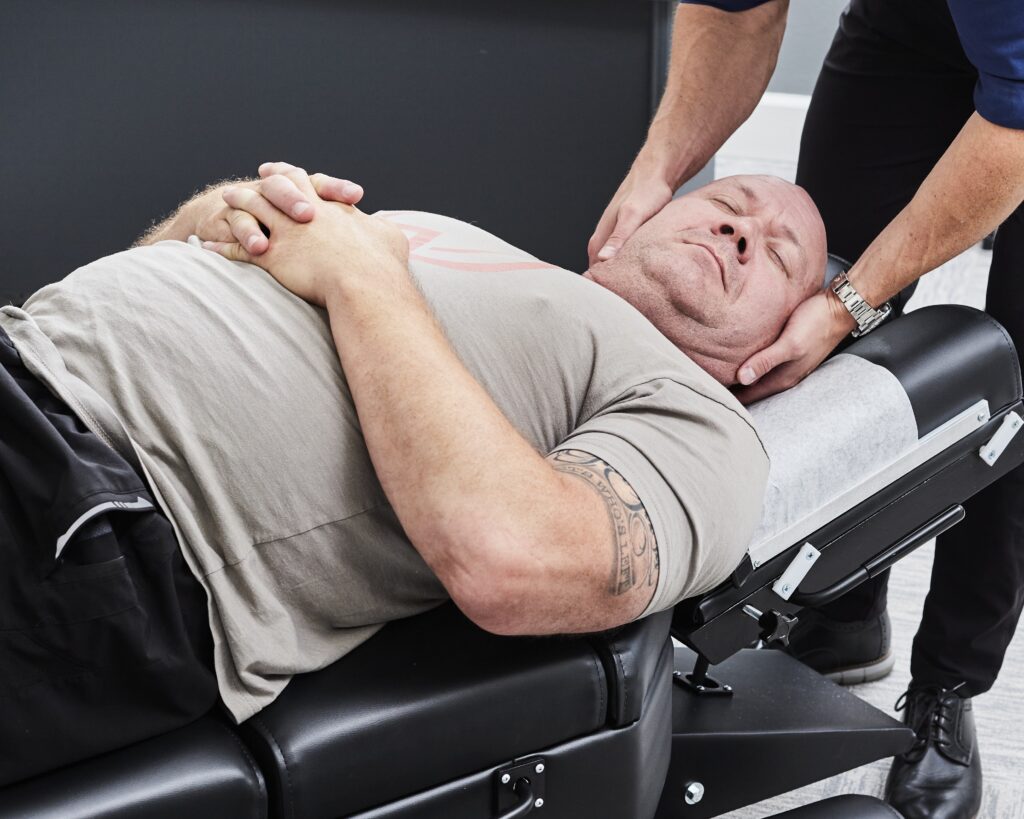
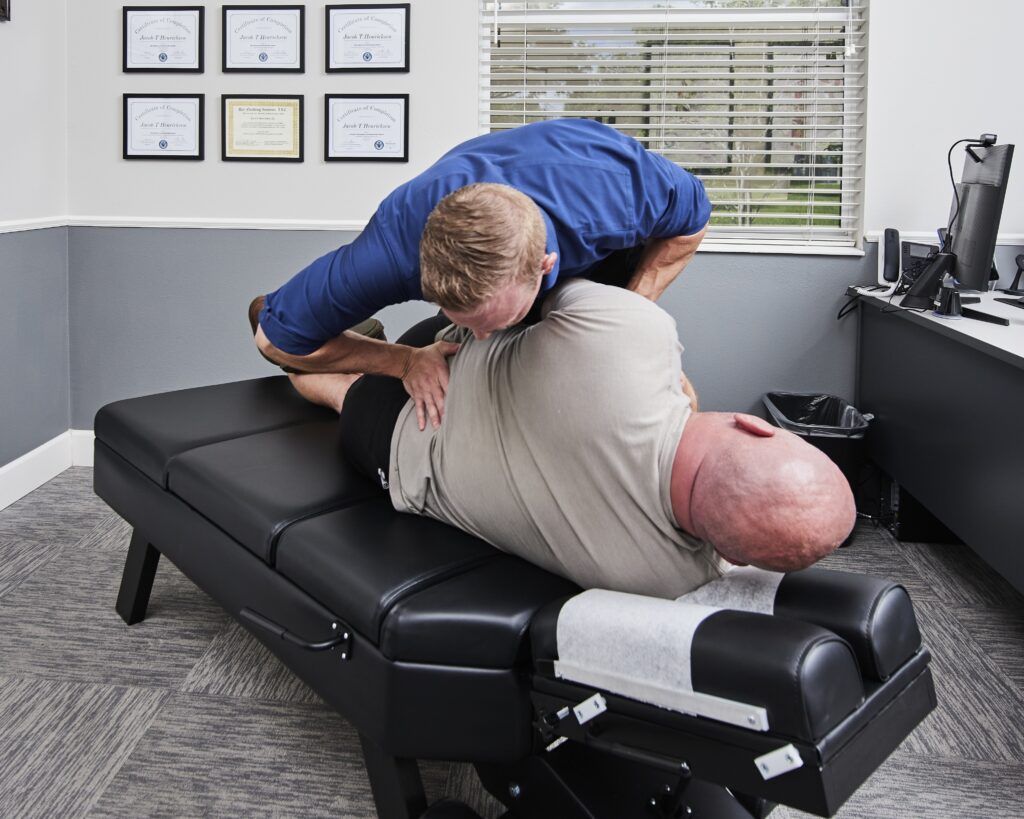
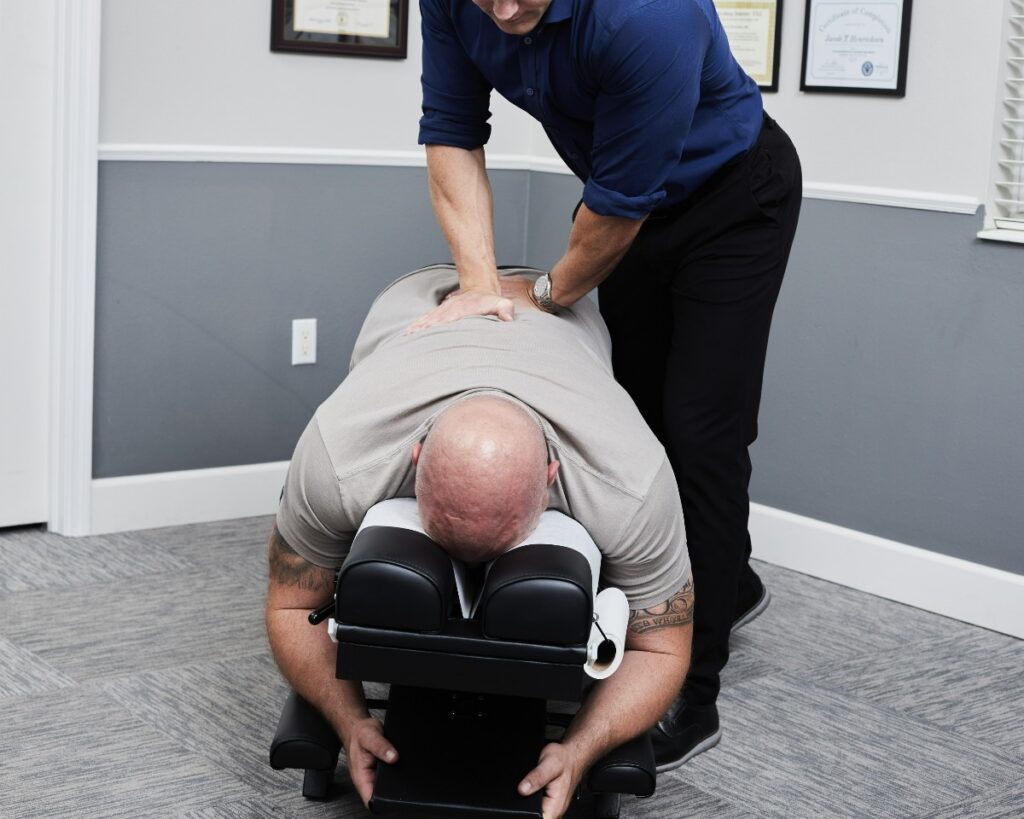
As a local chiropractor, I want to share with you how chiropractic adjustments can be a powerful tool in alleviating back pain and enhancing your overall well-being. When you come to my office, the first step involves a thorough assessment of your spine's alignment. It's crucial to identify any misalignments that may be contributing to your discomfort.
Through gentle manual manipulation, I work to restore proper alignment in your spine. This process can relieve pressure on your nerves and reduce inflammation, leading to significant improvements in how you feel. Some patients experience immediate relief after just one session, while others may notice gradual changes over a few visits.
During your adjustment, you might hear some popping or cracking sounds. There's no need to be alarmed—this is completely normal! It typically indicates that gas bubbles in your joints are being released, which can enhance your mobility and reduce tension in your body.
Additionally, I may provide you with personalized recommendations, including specific stretches and lifestyle modifications, to further support your spine's health and maximize the benefits of your adjustments.
I encourage you to be open and communicative about your pain levels and any other symptoms you might be experiencing. This feedback allows me to tailor the treatment plan to meet your unique needs effectively.
Regular chiropractic adjustments not only help maintain your spinal health but also play a role in preventing future episodes of back pain. Many of my patients find that chiropractic care not only alleviates their current discomfort but also contributes to an improved sense of well-being.
Physical Therapy Techniques
As a local chiropractor, I want to share with you some valuable insights into managing back pain, especially if you're new to chiropractic care and natural healing. After experiencing the benefits of chiropractic adjustments, you might be interested in exploring additional methods, such as physical therapy techniques, to further support your recovery.
One of the cornerstone techniques in physical therapy is therapeutic exercise. A skilled physical therapist can guide you through targeted movements that are designed to stretch and strengthen your muscles. This not only helps alleviate pain but also plays a crucial role in preventing future issues. Strengthening your core is particularly essential, as a robust core supports your spine and minimizes strain on your back.
Another effective technique is manual therapy. This hands-on approach allows the therapist to manipulate your muscles and joints, enhancing their function and reducing pain. Many patients find this method particularly beneficial for addressing tight or tense areas in their back, complementing the adjustments you receive in chiropractic care.
Additionally, incorporating modalities like heat and cold therapy can provide immediate relief. Applying heat can help relax tight muscles, while cold therapy is excellent for reducing inflammation and numbing acute pain. In some cases, your therapist may suggest electrical stimulation, which utilizes gentle electrical currents to alleviate pain and promote healing.
Education is also a vital aspect of physical therapy. Your therapist will share important information about body mechanics and demonstrate how to perform daily activities in a way that protects your back. Understanding these proper techniques can help you avoid aggravating your pain and maintain a healthier spine.
Posture Improvement
As your local chiropractor, I want to share some important insights on how improving your posture can lead to significant reductions in back pain and enhance your overall well-being. Many people may not realize that simple adjustments to your daily habits can have a profound impact on your health.
One of the first steps is to set up an ergonomic workstation. This means arranging your desk and chair in a way that supports your natural spine alignment. I can help assess your setup and provide recommendations tailored to your needs.
Additionally, strengthening your core muscles is crucial. A strong core supports your spine and helps maintain proper posture. I often recommend exercises that focus on the abdominal and back muscles to promote stability and alignment.
Incorporating daily stretching routines can also be beneficial. Stretching helps alleviate tension in the muscles and promotes flexibility, which is essential for maintaining good posture. I can guide you through some effective stretches that target key areas of your body.
Together, we can explore these strategies to help you stand tall and feel better.
Ergonomic Workstation Setup
As a local chiropractor, I often see patients who struggle with back pain and discomfort due to improper workstation setups. A well-designed ergonomic workstation can make a significant difference in your overall comfort and health while you work.
First, let's talk about your chair. It's essential to adjust it to provide adequate support for your lower back. Your feet should rest flat on the ground, and your knees should be at a right angle. This positioning promotes better circulation and posture, which are vital for spinal health.
Next, consider the height of your computer monitor. Ideally, it should be at eye level. This helps prevent unnecessary neck strain and keeps your spine in a natural alignment. If you find that your monitor is too low or too high, using a monitor stand can help you achieve the correct height.
Your keyboard placement is also crucial. It should be positioned close enough for you to keep your elbows at a 90-degree angle. This alignment ensures that your wrists remain straight while typing, reducing the risk of repetitive strain injuries.
Don't overlook the importance of your mouse! It should be easily accessible and on the same surface as your keyboard to minimize arm strain and promote a more natural movement.
If you find yourself sitting for long periods, I recommend considering a sit-stand desk. This allows you to alternate between sitting and standing throughout the day, which can be beneficial in reducing the risk of back pain and improving overall comfort.
Lastly, I can't stress enough the importance of taking regular breaks to stretch and move around. These simple adjustments to your workstation and daily habits can lead to significant improvements in your comfort and well-being.
Strengthening Core Muscles
As a local chiropractor, I want to share the importance of maintaining a well-organized workstation in conjunction with strengthening your core muscles to alleviate back pain and enhance your posture. Your core plays a vital role in supporting your spine and ensuring proper alignment. When your core is strong, it stabilizes your pelvis and lower back, which helps to lessen the strain on these areas during your daily activities.
To effectively build strength in your core, it's essential to engage in exercises that target not just your abdominal muscles, but also your obliques, lower back, and pelvic floor. Exercises such as planks, bridges, and bird-dogs are fantastic options as they activate multiple muscle groups simultaneously.
I recommend incorporating these exercises into your routine three to four times a week. You don't need expensive gym memberships or fancy equipment; often, your own body weight is sufficient for building strength. As you become more comfortable with these exercises, think about adding resistance or extending the duration of your holds for additional challenge.
Remember, consistency is crucial. A stronger core leads to better posture, which in turn can reduce discomfort in your back. By dedicating time to strengthening your core, you're making a valuable investment in your overall health and well-being.
Embracing these practices alongside chiropractic care can significantly enhance your journey towards natural healing.
Daily Stretching Routines
As a local chiropractor, I often see how a daily stretching routine can significantly improve your posture and alleviate back pain. By incorporating stretching into your daily life, you're not just easing tight muscles; you're enhancing your flexibility and alignment, which ultimately supports a healthier spine.
I recommend starting with fundamental stretches, such as the cat-cow pose. This particular stretch warms up your back and encourages the correct curvature, which is essential for overall spinal health. Additionally, including chest openers in your routine can help counteract the slouched posture many of us adopt while sitting at desks for long periods.
Don't forget to add hamstring stretches as well; tight hamstrings can lead to discomfort in your lower back.
Aim to dedicate at least 10-15 minutes each day to your stretching routine. Setting reminders on your phone or incorporating these stretches into your morning or evening rituals can help you stay consistent.
Remember, consistency is crucial; the more regularly you stretch, the more your posture will improve over time.
Listen to your body and pay attention to areas that feel tight. By focusing on these spots, you'll develop a routine that enhances your mobility and reduces stiffness, making it easier to maintain good posture throughout your day.
Keep in mind that even a little bit of stretching can go a long way in helping to combat back pain and promote overall well-being. As a chiropractor, I encourage you to embrace the power of stretching as part of your natural healing journey.
Stretching and Flexibility
As a local chiropractor dedicated to your well-being, I want to emphasize the importance of stretching regularly for maintaining flexibility and preventing back pain.
Many of my patients are surprised to learn how effective stretching techniques can be in targeting tight muscles and enhancing your overall range of motion.
By incorporating flexibility exercises into your daily routine, you can experience a remarkable improvement in how you feel and move throughout the day.
Importance of Regular Stretching
As a local chiropractor dedicated to your health and wellness, I want to emphasize the crucial role that flexibility plays in preventing and alleviating back pain. When your muscles, tendons, and ligaments are flexible, they provide better support for your spine and help maintain proper posture. This is where regular stretching comes into play—it enhances flexibility, reduces muscle tension, and promotes smoother movement.
Incorporating stretching into your daily routine can significantly improve blood circulation, ensuring that essential nutrients reach your muscles and aid in their recovery from strain. When your muscles are well-nourished and relaxed, they're less likely to contribute to discomfort or pain.
Additionally, stretching can help you pinpoint areas of tightness or stiffness. By addressing these issues early on, you can prevent them from escalating into more significant problems. Dedicating just a few minutes each day to stretching is an investment in your long-term back health and overall well-being.
Consistency is crucial in this practice. Making stretching a regular part of your routine, rather than something you do sporadically, ensures that you maintain your flexibility and minimize the risk of injuries.
Effective Stretching Techniques
As a chiropractor dedicated to helping you achieve optimal health, I want to emphasize the importance of incorporating targeted stretching techniques into your routine to enhance flexibility and alleviate back pain.
Starting with gentle stretches that focus on the muscles surrounding your spine can make a significant difference. One effective exercise is the cat-cow stretch. Begin on your hands and knees, gently arch your back upwards, then dip it down while lifting your head. This movement helps warm up your spine and encourages mobility.
Another beneficial stretch is the child's pose. By sitting back on your heels and extending your arms forward on the ground, you can effectively release tension in your lower back. I recommend holding each stretch for 15-30 seconds and practicing deep breathing to maximize the benefits.
Don't overlook the importance of the hamstring stretch. While seated, extend one leg and reach toward your toes. This stretch not only targets your hamstrings but also helps alleviate strain on your lower back, which can be particularly beneficial for those of us who spend long hours sitting.
Lastly, the standing quadriceps stretch is a great addition. While holding onto a wall or chair for balance, pull one foot toward your glutes. Stretching these major muscle groups enhances overall flexibility and can lead to significant relief from back pain.
I encourage you to incorporate these stretches into your routine at least three times a week for the best results.
Incorporating Flexibility Exercises
As a local chiropractor, I want to emphasize the importance of incorporating flexibility exercises into your daily routine for improved overall well-being and relief from back pain. Regular stretching can significantly enhance your range of motion, which is essential for relieving tension in your back muscles.
Simple stretches such as the cat-cow pose, seated forward bend, and child's pose can truly make a difference in how you feel. You don't need to set aside hours for this; dedicating just 10 to 15 minutes a day can lead to remarkable results.
It's crucial to focus on major muscle groups, particularly the hamstrings, hip flexors, and lower back, as tightness in these areas often contributes to discomfort.
While stretching, remember to breathe deeply. This not only helps your muscles relax but also maximizes the benefits of each stretch. Aim to hold each position for at least 20 to 30 seconds, and avoid bouncing, as this can lead to injuries.
As you gradually become more flexible, you'll likely notice increased comfort in your everyday activities—whether sitting at your desk, lifting groceries, or engaging in sports.
Incorporating flexibility exercises into your routine is a proactive step toward managing and preventing back pain. By making these stretches a regular part of your life, you'll not only enhance your flexibility but also promote a healthier, pain-free back.
If you have any questions or need guidance on specific stretches that can benefit you, feel free to reach out during your next visit!
Exercise and Strengthening
As a local chiropractor, I want to share how regular exercise and strengthening can significantly help alleviate back pain and enhance your spinal health. Engaging in consistent physical activity strengthens and increases the flexibility of your muscles, which in turn provides better support for your spine and reduces unnecessary strain. This is especially crucial for your core muscles, which encompass your abdominal and back muscles. By focusing on fortifying these areas, you can establish a more stable foundation for your spine.
Incorporating specific exercises into your routine can lead to remarkable improvements. Activities such as planks, bridges, and pelvic tilts not only bolster your core but also encourage proper posture, which is essential for spinal alignment. Moreover, resistance training can enhance muscle strength, enabling you to perform daily tasks with greater ease and less discomfort.
I recommend aiming for at least 150 minutes of moderate aerobic exercise each week, complemented by strength training sessions twice a week for optimal benefits.
Don't overlook the advantages of low-impact activities like swimming, walking, or cycling. These exercises can enhance your flexibility and cardiovascular health without exerting excessive pressure on your back. They promote better blood flow to the muscles, aiding in recovery and keeping you active.
It's important to listen to your body. If you experience pain while exercising, consider modifying the movements or consulting a healthcare professional for personalized advice. Consistency is essential, so seek out activities that you enjoy to keep your motivation high.
Ergonomic Modifications
As a local chiropractor, I'm passionate about helping you maintain good posture and create a supportive work environment, as this can significantly enhance the benefits of your exercise routine and overall well-being.
Ergonomic modifications are crucial in minimizing back pain and preventing discomfort in your daily activities. By making a few simple adjustments, you can cultivate a workspace that promotes healthier posture and reduces strain on your back.
Here are four essential ergonomic modifications that I recommend for my patients:
- Chair Selection: Opt for an adjustable chair that offers proper support for your lower back. It's important that your feet can rest flat on the floor, and your knees should be at a 90-degree angle. This setup helps maintain spinal alignment and reduces pressure on your back.
- Monitor Height: Position your computer monitor at eye level. This adjustment encourages your neck to stay in a neutral position, which decreases the likelihood of leaning forward or looking down—common habits that can lead to back strain over time.
- Keyboard and Mouse Placement: Ensure your keyboard and mouse are within easy reach and at the same height as your elbows. This arrangement minimizes strain on your shoulders and wrists, while also helping to keep your back supported during your work.
- Frequent Breaks: It's important to incorporate regular breaks into your routine. I recommend standing up, stretching, or taking a short walk every hour. These small actions can help alleviate tension and improve circulation, contributing to your overall comfort and health.
By implementing these ergonomic changes, you can significantly enhance your posture and reduce discomfort, allowing your body to function better and support your active lifestyle.
If you have any questions or need further guidance, feel free to reach out to me!
Mindfulness and Relaxation
As a local chiropractor, I want to share how embracing mindfulness and relaxation techniques can significantly enhance your well-being and help alleviate back pain. Many of my patients find that by focusing on the present moment, they can effectively reduce the stress and tension that often contribute to discomfort in their bodies. Mindfulness allows you to become more aware of how your body feels, which can help you identify triggers that lead to pain.
A great starting point is simple breathing exercises. I recommend finding a quiet spot, closing your eyes, and practicing deep, slow breaths. Inhale deeply through your nose, filling your lungs, and then exhale through your mouth, consciously releasing any tension. This not only calms your mind but also promotes relaxation in your muscles, which can provide relief from back pain.
Incorporating gentle yoga or stretching into your daily routine can also be a game changer. These practices build flexibility and strength, while mindfulness helps you stay aware of your body's limits. Pay attention to your movements, notice any tightness or discomfort, and modify your actions as necessary.
Another effective technique I often suggest is progressive muscle relaxation. You can achieve this by tensing each muscle group in your body, starting from your toes and working your way up to your head, and then relaxing them. This practice increases your awareness of where you hold tension and can provide immediate relief.
Lastly, consider engaging in guided meditation. There are many apps and online resources that offer sessions specifically designed for pain relief. Committing to regular mindfulness and relaxation practices can significantly reduce your perception of pain and improve your overall quality of life.
Conclusion
As your local chiropractor, I want to share how chiropractic adjustments can significantly impact your back pain. These adjustments work by restoring proper alignment to your spine, which can enhance your mobility and overall comfort. I also provide personalized advice tailored to your specific needs, empowering you to take charge of your health.
In addition to adjustments, I encourage incorporating physical therapy, improving posture, and practicing mindfulness techniques into your routine. These complementary approaches not only help alleviate discomfort but also promote a healthier lifestyle in the long run.
If you're curious about how chiropractic care can transform your back health, I invite you to take the first step and explore the benefits with me. Together, we can work towards lasting relief and improved well-being!