
If you're struggling with lower back pain, you're not alone, and there are effective strategies you can implement right away. By focusing on proper posture and incorporating some simple stretching exercises, you can start to relieve discomfort considerably. Additionally, exploring heat and cold therapy options might provide the immediate relief you're looking for. However, these are just a few initial steps; understanding how to maintain overall wellness is essential. What if there's more you can do to enhance your comfort and mobility? Let's explore further.
Maintain Proper Posture
Good posture is your best ally in relieving lower back pain. When you maintain proper alignment, you distribute your body weight evenly, reducing strain on your spine and surrounding muscles.
To start, focus on how you sit. Keep your back straight and shoulders relaxed, with your feet flat on the floor. If you're sitting for long periods, consider using a chair that supports the natural curve of your spine.
When standing, distribute your weight evenly on both feet. Avoid locking your knees, as this can lead to discomfort. Instead, keep a slight bend in your knees and engage your core muscles to support your lower back. Regularly change your position to prevent stiffness and fatigue.
If you frequently lift objects, remember to bend at the knees instead of the waist. This technique uses your leg muscles rather than putting pressure on your back. Hold the object close to your body, and avoid twisting while lifting, as this can lead to injury.
For those who work at a desk, invest in ergonomic tools like a chair with lumbar support and a desk that encourages good posture. Adjust your computer screen so it's at eye level, preventing you from hunching over.
Incorporate Stretching Exercises
While maintaining proper posture is essential, incorporating stretching exercises can greatly enhance your efforts to relieve lower back pain. Stretching helps to improve flexibility, release tension, and strengthen the muscles that support your spine. By dedicating just a few minutes each day to stretch, you can considerably reduce discomfort and improve your overall mobility.
Begin with gentle stretches like the child's pose or the cat-cow stretch to ease tension in your lower back. To perform the child's pose, kneel on the floor, sit back on your heels, and reach your arms forward while lowering your torso. Hold this position for 20-30 seconds, breathing deeply to promote relaxation.
The cat-cow stretch involves moving between an arched back (cat) and a dipped back (cow) while on all fours, which can help mobilize your spine and relieve stiffness.
Incorporating hamstring stretches is also beneficial, as tight hamstrings can contribute to lower back pain. Sit on the floor with one leg extended and the other bent, reaching toward your toes on the extended leg. Hold for 20-30 seconds before switching sides.
Finally, consider incorporating the pelvic tilt stretch. Lie on your back with your knees bent and feet flat on the floor. Gently tilt your pelvis upward, pressing your lower back into the ground. Hold for a few seconds and release.
This simple exercise strengthens your core and alleviates pressure on your lower back. By consistently practicing these stretches, you'll likely find relief and improve your daily comfort.
Use Heat and Cold Therapy
Heat and cold therapy can be powerful allies in your battle against lower back pain. By understanding how to use each method effectively, you can reduce discomfort and promote healing.
When you apply heat, it helps relax tight muscles and improve blood circulation. You can use a heating pad, hot water bottle, or take a warm bath to ease tension. Just remember to keep the heat source at a safe temperature to avoid burns—aim for about 20 minutes at a time.
If you're using a heating pad, consider wrapping it in a towel for added protection.
On the other hand, cold therapy is great for reducing inflammation and numbing sharp pain. You can apply an ice pack or a bag of frozen peas wrapped in a towel directly to the affected area. Cold therapy is most effective when used within the first 48 hours after an injury.
Just like with heat, limit your application to around 20 minutes to prevent skin damage.
Sometimes, alternating between heat and cold can provide even more relief. Start with cold therapy to reduce inflammation, then switch to heat to relax muscles and enhance blood flow.
Listen to your body and see which method works best for you. Remember, while heat and cold can be effective, they're not a substitute for professional medical advice.
If your pain persists, consult a healthcare provider to explore further options.
Stay Active With Low-Impact Activities
Staying active is essential for managing lower back pain, and low-impact activities can make a big difference.
Walking, swimming, and yoga not only help relieve discomfort but also improve flexibility and strength.
Incorporating these activities into your routine can lead to lasting relief and better overall health.
Walking for Pain Relief
How can something as simple as walking help relieve lower back pain? Walking is a low-impact activity that encourages movement and flexibility without straining your back. It increases blood flow to your muscles and tissues, promoting healing and reducing stiffness. When you walk, you engage your core, which helps support your spine and can alleviate discomfort.
You don't need to walk for hours; even short, brisk walks can make a difference. Aim for 10 to 15 minutes a couple of times a day. As you feel more comfortable, gradually increase the duration. Remember to wear supportive shoes and maintain good posture while walking to maximize the benefits.
Incorporating walking into your daily routine not only helps relieve pain but also boosts your mood and overall health. It's a simple yet effective way to stay active, helping you avoid the negative effects of prolonged sitting.
If you're unsure where to start, consider walking in a park or around your neighborhood. The fresh air and change of scenery can enhance your experience. So, lace up those shoes and take a step towards relieving your lower back pain today!
Swimming's Soothing Benefits
Swimming offers an invigorating way to stay active while relieving lower back pain. The buoyancy of water reduces stress on your joints and spine, allowing you to move freely without the usual strain.
When you swim, you engage multiple muscle groups, promoting strength and flexibility without the harsh impact associated with other activities. Whether you choose freestyle, backstroke, or even water aerobics, each stroke can help improve your core stability, which is essential for back health.
As you glide through the water, you'll notice a soothing sensation that can help alleviate tension in your back muscles. Plus, the rhythmic nature of swimming can be meditative, providing mental relief alongside the physical benefits.
You'll find that consistent swimming can enhance your overall fitness, making daily activities easier and less painful. To get started, aim for at least two to three sessions per week, gradually increasing your duration and intensity as you build strength.
Always listen to your body; if something doesn't feel right, adjust your technique or consult a professional. With commitment and care, swimming can be a key part of your journey to a pain-free back.
Yoga for Flexibility
Incorporating yoga into your routine can greatly enhance flexibility and reduce lower back pain. This ancient practice focuses on stretching and strengthening your muscles while promoting relaxation. You don't need to be an expert; even simple poses can yield significant benefits.
Start with gentle stretches like Cat-Cow or Child's Pose. These movements target your spine and help relieve tension in your lower back. As you progress, try Downward Dog or Pigeon Pose to open up your hips and hamstrings, which can alleviate pressure on your back.
Consistency is key. Aim for just 15-30 minutes a few times a week. Not only will this help improve your flexibility, but it'll also promote better posture and body awareness.
Plus, the mindfulness aspect of yoga can reduce stress, which often contributes to muscle tension.
Remember to listen to your body. If a pose feels uncomfortable, modify it or take a break. Over time, you'll notice increased flexibility and a decrease in pain, making daily activities easier.
Consider Ergonomic Supports
Choosing the right ergonomic supports can make a big difference in your comfort at work.
You'll want to pay attention to your office chair selection, adjust your desk height, and consider using a footrest.
These simple changes can help alleviate strain on your lower back and improve your overall posture.
Office Chair Selection
When it comes to selecting the right office chair, don't overlook the importance of ergonomic supports. An ergonomic chair is designed to provide ideal support for your back, promoting a healthy posture while you work. Look for features such as lumbar support, which helps maintain the natural curve of your spine. This support can greatly reduce lower back pain during long hours spent sitting.
Next, consider the chair's adjustability. You'll want a chair that allows you to modify the height, backrest angle, and armrest position. This flexibility guarantees that you can customize the chair to fit your body perfectly, reducing strain on your muscles and joints.
Also, pay attention to the seat material. A chair with breathable fabric can keep you comfortable throughout the day, while cushioning that's neither too soft nor too firm will help distribute your weight evenly.
Lastly, don't forget about the chair's mobility. A chair with wheels can make it easier to move around your workspace without straining your back.
Desk Height Adjustment
Adjusting your desk height can greatly impact your comfort and productivity throughout the day. When your desk is at the right height, you reduce strain on your back and neck. Ideally, your elbows should be at a 90-degree angle when your hands are on the keyboard. This position allows you to maintain a neutral wrist posture, minimizing the risk of injury.
To find the best height, sit in your office chair with your feet flat on the ground. Your thighs should be parallel to the floor, and your arms should rest comfortably on the desk without hunching your shoulders. If your desk is too high or low, consider using adjustable desk risers or a height-adjustable desk.
Additionally, think about your monitor's placement. The top of the screen should be at or slightly below eye level, allowing you to keep your neck in a neutral position.
Investing in ergonomic supports, like a keyboard tray or mouse pad, can further enhance your setup.
Making these adjustments may take some time, but the effort will pay off with reduced discomfort and increased focus during your workday. Prioritize your workspace to protect your back and boost your efficiency.
Footrest Usage Tips
Using a footrest can considerably enhance your comfort while sitting at your desk. It helps promote better posture by allowing your feet to rest at a comfortable angle, reducing strain on your lower back. Choose a footrest that's adjustable, so you can find the perfect height for your needs. Ideally, your knees should be slightly lower than your hips, which helps maintain the natural curve of your spine.
While using the footrest, keep your feet flat on it and avoid crossing your legs. This position encourages proper circulation and prevents stiffness. If your footrest has a textured surface, it can also provide a gentle massage to your feet, adding to your comfort.
Make sure the footrest is positioned close enough to your chair to avoid overreaching. You should be able to slide your feet easily onto it without straining. Consider using a footrest with a rocking feature to help keep your legs moving, which can further alleviate tension.
Lastly, regularly take breaks to stand and stretch. Combining footrest usage with these practices can considerably reduce lower back pain and enhance your overall well-being while working at your desk.
Practice Mindfulness and Relaxation
Mindfulness and relaxation can be powerful tools in alleviating lower back pain. When you practice mindfulness, you learn to focus on the present moment. This helps you become more aware of your body and any tension that may contribute to discomfort.
Start by finding a quiet space where you can sit or lie down comfortably. Close your eyes, take a deep breath, and let your body relax. Concentrate on your breath, feeling it flow in and out. This simple act can shift your focus away from pain and toward a more peaceful state of mind.
Incorporating relaxation techniques, such as progressive muscle relaxation, can also be beneficial. As you breathe deeply, tense specific muscle groups in your body for a few seconds, then release the tension.
Start with your toes and work your way up to your shoulders and neck. This will help you identify areas of tightness and consciously relax them, which can reduce discomfort in your lower back.
Yoga and gentle stretching can enhance your mindfulness practice. Movements like cat-cow stretches or child's pose can ease tension and improve flexibility.
These activities not only promote relaxation but also strengthen the muscles that support your lower back.
Lastly, consider setting aside time each day for mindfulness and relaxation. Even just a few minutes can make a difference.
Consult a Healthcare Professional
When dealing with persistent lower back pain, it's important to consult a healthcare professional. Ignoring the issue or trying to self-diagnose can lead to further complications. Your healthcare provider can evaluate your condition, identify the root cause, and recommend appropriate treatment options.
Whether your pain stems from an injury, a chronic condition, or muscle strain, a professional assessment is vital.
During your appointment, be prepared to discuss your symptoms in detail. Describe when the pain started, its intensity, and any activities that worsen or alleviate it. This information helps your provider understand your situation better and tailor a treatment plan to your needs.
They may conduct physical exams and recommend imaging tests like X-rays or MRIs to pinpoint the issue.
Once your healthcare professional has a clear diagnosis, they can suggest a variety of treatment options. These may include physical therapy, medications, or even lifestyle changes to promote healing.
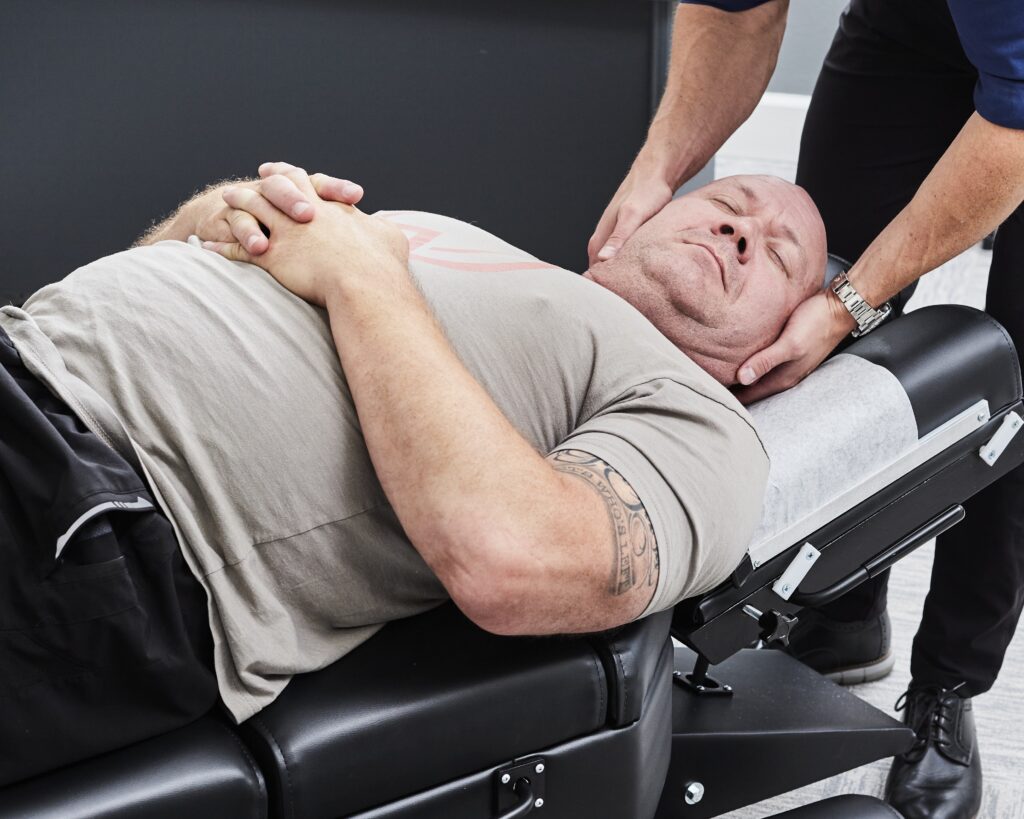
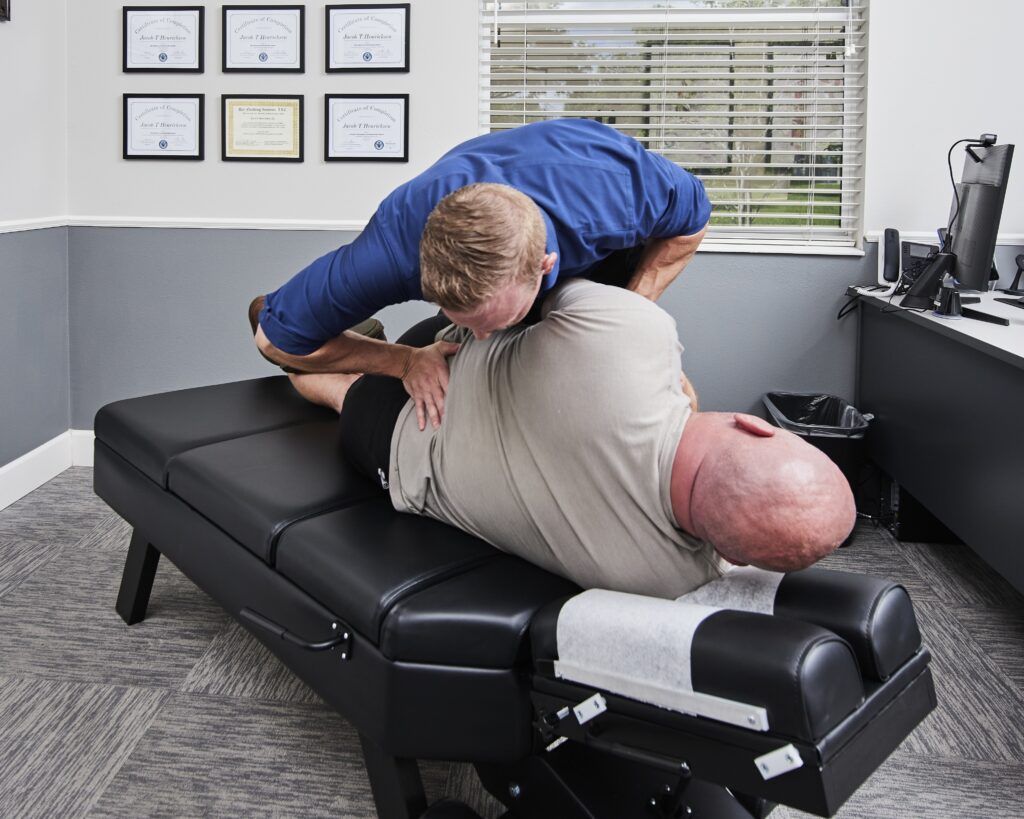
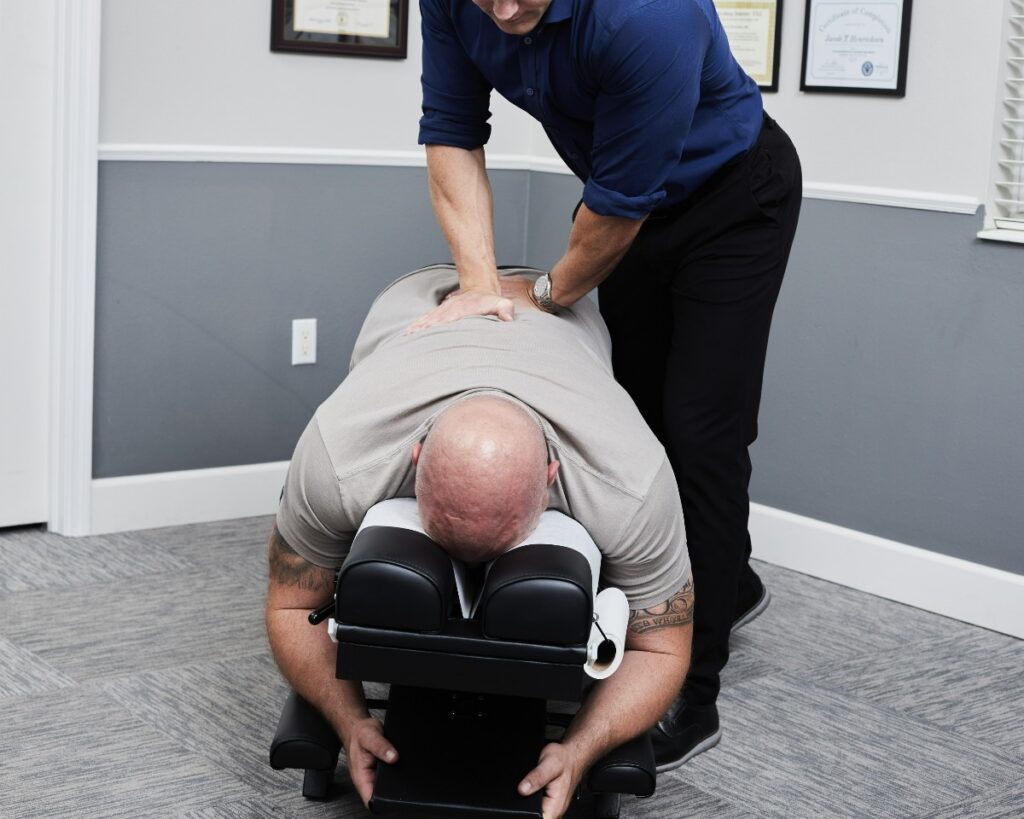
If necessary, they can refer you to specialists, such as orthopedic doctors or chiropractors, for more targeted care.
Conclusion
By following these tips, you can effectively relieve lower back pain today. Maintaining proper posture, incorporating stretching, and using heat or cold therapy are simple yet powerful steps. Staying active with low-impact activities and considering ergonomic supports can make a big difference. Don't forget to practice mindfulness to reduce tension. If your pain persists, don't hesitate to consult a healthcare professional for personalized advice. Take control of your comfort and well-being—you deserve it!