
As a local chiropractor, I want to reassure you that if you're dealing with back pain, you're not alone, and there are effective ways to find relief quickly without relying solely on medication. Many people are unaware of the natural healing techniques that can significantly improve their condition. By incorporating simple strategies such as stretching exercises, maintaining proper posture throughout your day, and using heat or cold therapy, you can begin to alleviate your discomfort.
Strengthening your core muscles is also crucial, as a strong core supports your spine and helps prevent further pain. Additionally, practicing mindfulness techniques can be incredibly beneficial for managing pain and reducing stress levels. However, it's important to go beyond these basics. Understanding ergonomic adjustments in your workspace and daily activities can make a substantial difference in your overall comfort.
Lastly, knowing when to seek professional help is vital. As a chiropractor, I specialize in identifying the root causes of your pain and creating personalized treatment plans that focus on natural healing. If you're curious about how these strategies can enhance your daily routine and improve your quality of life, I encourage you to reach out. Together, we can work towards a pain-free future.
Stretching Techniques
As a local chiropractor, I often see patients seeking relief from back pain, and I want to share some effective stretching techniques that can make a significant difference. Incorporating simple stretches into your daily routine can help loosen tight muscles, improve flexibility, and enhance your overall spinal health. You don't need to be a yoga expert to reap the benefits; dedicating just a few minutes each day can lead to remarkable changes.
Let's start with the cat-cow stretch, a fundamental movement that I recommend to many of my patients. Begin by positioning yourself on all fours. Inhale deeply, arching your back and allowing your belly to drop toward the ground. Then, as you exhale, round your back, tucking your chin towards your chest. Repeat this sequence several times, coordinating your breath with each movement. This stretch not only warms up your spine but also helps to alleviate tension in the back muscles.
Another beneficial stretch is the seated forward bend. Sit comfortably on the floor with your legs extended in front of you. Inhale while reaching your arms overhead, and then exhale as you hinge at your hips, leaning forward towards your toes. This stretch effectively targets your hamstrings and lower back, promoting relaxation and easing discomfort.
I also recommend the child's pose, which is a gentle yet effective way to relieve back pain. Start by kneeling on the floor, then sit back on your heels and extend your arms forward, lowering your forehead to the ground. Hold this position for a few deep breaths. It's a wonderful way to stretch your back muscles and promote a sense of calm.
By incorporating these stretches into your daily routine, you can find relief from back pain while enhancing your flexibility and overall well-being. Remember, making stretching a regular habit can have a positive impact on your spinal health.
If you have any questions or need further guidance, don't hesitate to reach out to me during your next visit. Your path to a healthier back is just a stretch away!
Proper Posture Practices
As a local chiropractor, I want to emphasize how crucial your posture is in managing and preventing back pain. Many people don't realize that the way you sit, stand, and move can significantly affect your comfort and overall spinal health. It's important to develop an awareness of your body alignment throughout your daily activities.
When you're sitting, aim to keep your feet flat on the ground, your knees aligned with your hips, and your back straight against the chair. Choosing a chair that provides good support for your lower back is essential, and if you're finding it lacks support, consider adding a cushion.
It's also vital to take regular breaks to stand up, stretch, and walk around, as this can alleviate tension and promote better posture.
When it comes to standing, make sure to distribute your weight evenly across both feet and avoid locking your knees. Engaging your core muscles is key to supporting your spine, and try to keep your shoulders relaxed without slouching.
If you're sitting at a desk for work, ensure that your computer screen is at eye level to avoid straining your neck.
Even while walking, maintaining good posture is important. Keep your head up, shoulders back, and stride naturally. Avoid hunching forward, as this can lead to increased back pain over time.
Heat and Cold Therapy
As a local chiropractor, I want to share some valuable insights about managing back pain through natural methods like heat and cold therapy.
These techniques can be incredibly effective in alleviating discomfort. Applying heat helps to relax tight muscles and enhances blood circulation, which is crucial for healing.
On the other hand, cold therapy is excellent for minimizing inflammation and numbing sharp pain sensations.
Understanding when to use heat versus cold can significantly enhance your relief and accelerate your recovery process.
For instance, heat is often beneficial for muscle tension, while cold therapy is best used after an injury or to reduce swelling.
By mastering the timing and application of these therapies, you can take an active role in your healing journey.
If you have any questions or would like personalized advice, don't hesitate to reach out!
Benefits of Heat Therapy
As a local chiropractor, I want to share with you the benefits of heat therapy for relieving back pain, especially if you're not familiar with chiropractic care and natural healing practices.
Heat therapy is a simple yet effective method that can provide quick relief by increasing blood flow to the affected area, which promotes healing and relaxation.
When you apply heat—whether it's through a heating pad, hot water bottle, or a warm towel—it helps to soothe tense muscles and alleviate stiffness. The warmth penetrates deeply into your tissues, easing discomfort and improving your range of motion. This is particularly important for those of you who may be experiencing chronic back pain or stiffness.
Incorporating heat therapy into your daily routine is easy and convenient. You can use it while unwinding after a long day or even as part of your warm-up before physical activities.
However, it's essential to practice heat therapy safely. Always avoid applying heat for extended periods and never place it directly on your skin to prevent burns.
One of the significant advantages of heat therapy is its effectiveness in reducing muscle spasms. The soothing heat relaxes the muscles, allowing them to release tension and decreasing the chances of spasms recurring.
Additionally, the comforting sensation of warmth can improve your mood, helping you shift your focus away from pain and stress.
As you explore ways to manage your back pain, I encourage you to consider incorporating heat therapy into your pain relief strategy. It can significantly enhance your overall well-being and serve as a valuable tool in effectively managing your back discomfort.
Cold Therapy Techniques
As a local chiropractor, I want to share with you the importance of incorporating cold therapy techniques into your pain management routine, especially when dealing with back pain.
While heat therapy has its benefits, cold therapy plays an equally vital role in alleviating discomfort.
When you apply cold therapy, it helps by constricting blood vessels, which reduces inflammation and numbs sharp pain. For this purpose, you can utilize ice packs, gel packs, or even a simple bag of frozen vegetables wrapped in a towel.
To experience the best results, I recommend applying cold therapy for about 15 to 20 minutes at a time, several times throughout the day. Always remember to place a thin cloth between the cold source and your skin to prevent frostbite.
It's important to avoid prolonged exposure, as excessive cold can lead to tissue damage.
Cold therapy is particularly effective right after an acute back injury or episode of pain. By using it promptly, you can significantly reduce swelling and gain immediate relief.
Pay attention to your body's signals; if you notice numbness or an increase in pain, it's time to stop the application.
By integrating cold techniques with heat therapy, you can create a more balanced approach to managing your back pain.
Alternating between these two methods can enhance your overall comfort and support your recovery process.
When to Alternate
As your local chiropractor, I want to help you understand how to effectively manage your back pain through the use of heat and cold therapy. Knowing when to switch between these methods can significantly enhance your relief strategy.
When you're experiencing swelling or inflammation in your back, it's best to start with cold therapy. Applying a cold pack to the affected area for about 15-20 minutes can numb the pain and reduce that bothersome swelling. This initial step is crucial for managing acute discomfort.
Once the inflammation begins to diminish, it's time to incorporate heat therapy. Heat helps to increase blood flow in the area, which promotes healing and helps relax any tight muscles. You can achieve this by using a heating pad or a warm towel for roughly 20 minutes.
It's important to listen to your body during this process. If you find that heat exacerbates your pain, don't hesitate to revert to cold therapy. On the other hand, if cold packs leave you feeling stiff, heat might be the better option for you.
In general, I recommend alternating between heat and cold therapy every few hours based on your pain intensity and comfort level.
If you're ever unsure about which method to use or how to proceed, please feel free to reach out. I'm here to provide guidance tailored to your specific condition.
Strengthening Exercises
As a local chiropractor dedicated to your wellness, I want to emphasize the importance of strengthening exercises in relieving back pain. One of the key areas to focus on is core stability exercises, which play a vital role in supporting your spine.
It's also essential to incorporate stretching to enhance flexibility, as this can greatly reduce tension in your back muscles.
Additionally, engaging in resistance training can offer significant benefits, not only for your back but for your overall body strength and balance.
These practices work together to create a solid foundation for your body, helping to prevent future injuries and improve your daily function.
Remember, a strong core and flexible muscles are essential components of a healthy back.
As we explore these natural healing methods together, I encourage you to consider incorporating these exercises into your routine for a healthier, pain-free life.
Core Stability Exercises
As a chiropractor, I often see patients who underestimate the vital role core stability plays in overall health, particularly when it comes to alleviating back pain.
It's important to understand that your core extends beyond just your abdominal muscles; it encompasses the muscles surrounding your pelvis, lower back, and sides. When these muscles are strong and well-conditioned, they provide essential support for your spine, which helps reduce strain and prevent injuries.
One of the foundational exercises I recommend is the plank. To perform this exercise, start by positioning yourself face down, then lift your body off the ground, balancing on your forearms and toes. Make sure to keep your body straight from head to heels. Aim to hold this position for 20-30 seconds, and as your strength improves, you can gradually increase the duration.
Another beneficial exercise is the bridge. To do this, lie on your back with your knees bent and your feet flat on the floor. Engage your glutes and core as you lift your hips, creating a straight line from your knees to your shoulders. Hold this position for a few seconds before lowering back down.
Additionally, I suggest incorporating the dead bug exercise into your routine. Lie on your back with your arms extended toward the ceiling and your knees bent at a 90-degree angle. As you engage your core, lower your opposite arm and leg toward the floor, then return to the starting position.
By regularly practicing these core stability exercises, you can experience significant improvements in your back pain and overall spinal health.
Stretching for Flexibility
As a local chiropractor, I want to emphasize how crucial flexibility is in managing back pain. Many people may not realize that incorporating stretching into your daily routine can significantly enhance your mobility and relieve discomfort.
Regular stretching helps maintain and improve your flexibility, allowing your muscles to function more efficiently. When muscles become tight, they can lead to tension and pain in your back, so it's vital to focus on areas such as your hamstrings, hip flexors, and lower back.
I recommend starting with gentle stretches that target these specific areas. For example, the seated forward bend is excellent for stretching your hamstrings, while the figure-four stretch can help release tightness in your hips.
It's important to hold each stretch for at least 20-30 seconds and to breathe deeply, as this promotes relaxation and enhances the benefits of the stretch. You might find that not only does stretching alleviate discomfort, but it also improves your posture, which can further reduce strain on your back.
I encourage you to make stretching a daily habit, especially if you find yourself sitting for long periods. Setting reminders can be a helpful way to ensure consistency in your routine.
Over time, you'll likely notice an increase in flexibility, which can lead to a significant reduction in your back pain. So, don't overlook the power of stretching; it's a simple yet effective approach to enhancing your well-being and keeping discomfort at bay.
Resistance Training Benefits
As a local chiropractor, I want to share with you the transformative benefits of incorporating resistance training into your routine, especially if you're dealing with back pain.
Strengthening your back and core muscles is vital for supporting your spine and enhancing your overall stability. This can lead to significant relief from pain and discomfort.
Here are three key benefits of resistance training that I encourage my patients to consider for their back health:
- Improved Muscle Strength: Focusing on your back, abdominal, and leg muscles creates a robust support system. This support is essential for maintaining proper posture and alignment throughout your daily activities, which can reduce strain on your spine.
- Enhanced Flexibility: Many resistance training exercises involve a full range of motion. This can help increase flexibility in your back muscles, alleviating stiffness and tension that often contribute to pain. Improved flexibility is crucial for overall mobility and comfort.
- Increased Endurance: As your muscles strengthen through resistance training, they become more resilient, allowing you to handle daily stresses and strains more effectively. This means you can engage in activities you enjoy without the constant worry of injury.
Integrating resistance training into your weekly routine can lead to gradual improvements in your back pain.
I always advise patients to start slowly and consult with a professional—whether it's a chiropractor or a fitness expert—if you're uncertain about how to begin safely.
Mindfulness and Relaxation
As a local chiropractor, I want to share with you how a mindful approach can significantly alleviate back pain by promoting relaxation and reducing stress. Many of my patients find that when they practice mindfulness, they can focus on the present moment, which helps them detach from the worries that often lead to tension and discomfort in their bodies.
To get started, I encourage you to find a quiet place where you can sit or lie down comfortably. Close your eyes and take a deep breath in, filling your lungs completely. Hold that breath for a moment and then slowly exhale. As you breathe, pay close attention to how your body feels. Notice any areas of tightness or discomfort in your back. It's important to acknowledge these sensations without judgment and simply allow yourself to breathe into those areas. This mindful breathing can help to release built-up tension and facilitate healing.
Incorporating mindfulness into your daily routine can also make a significant difference in your overall well-being. I recommend setting aside just a few minutes each day for this practice. You might explore guided meditations focused on relaxation or simply sit in silence, concentrating on your breath.
Engaging your senses—such as feeling the texture of a soft blanket or listening to calming music—can further enhance your relaxation experience and complement your chiropractic care.
I also want to highlight the power of visualization. Picture your body free of pain, fully relaxed, and experiencing comfort. By consistently practicing mindfulness, you can cultivate a sense of peace and ease that can greatly alleviate back pain.
Ergonomic Adjustments
As a local chiropractor, I want to emphasize the importance of mindfulness in managing and alleviating back pain. Being aware of your body and its alignment is crucial for making simple ergonomic adjustments that can significantly enhance your comfort.
By evaluating your workspace and daily activities, you can ensure they support your posture and overall well-being.
Here are three essential ergonomic adjustments you can start implementing today to support your back health:
- Chair Selection: It's vital to choose a chair that properly supports the natural curve of your spine. Your feet should rest flat on the floor, and your knees should be at or just below hip level. If you experience discomfort, consider adding a lumbar support cushion to provide additional support and promote proper posture.
- Monitor Height: Position your computer monitor so that the top of the screen is at or just below eye level. This adjustment helps prevent neck strain and encourages an upright sitting posture. If you need to tilt your screen for visibility, make sure to adjust it to minimize glare while maintaining a neutral position.
- Keyboard and Mouse Placement: Keep your keyboard and mouse close enough that your elbows remain at a 90-degree angle while you work. Your wrists should be straight, and your forearms should run parallel to the floor. This setup minimizes strain on your wrists and arms, promoting a more relaxed and comfortable working posture.
Implementing these ergonomic adjustments can have a profound impact on your comfort and help reduce back pain.
Remember, small changes can lead to significant relief, so take the time to assess your environment and make adjustments that will support your back health.
If you have any questions or need further assistance, feel free to reach out to me—I'm here to help guide you on your journey to better health and wellness.
Professional Treatments
When back pain becomes a persistent issue, it's important to know that there are effective solutions available, and chiropractic care is one of the best options to consider. As a local chiropractor, I want to educate you on how our approach can provide the relief you need while promoting natural healing.
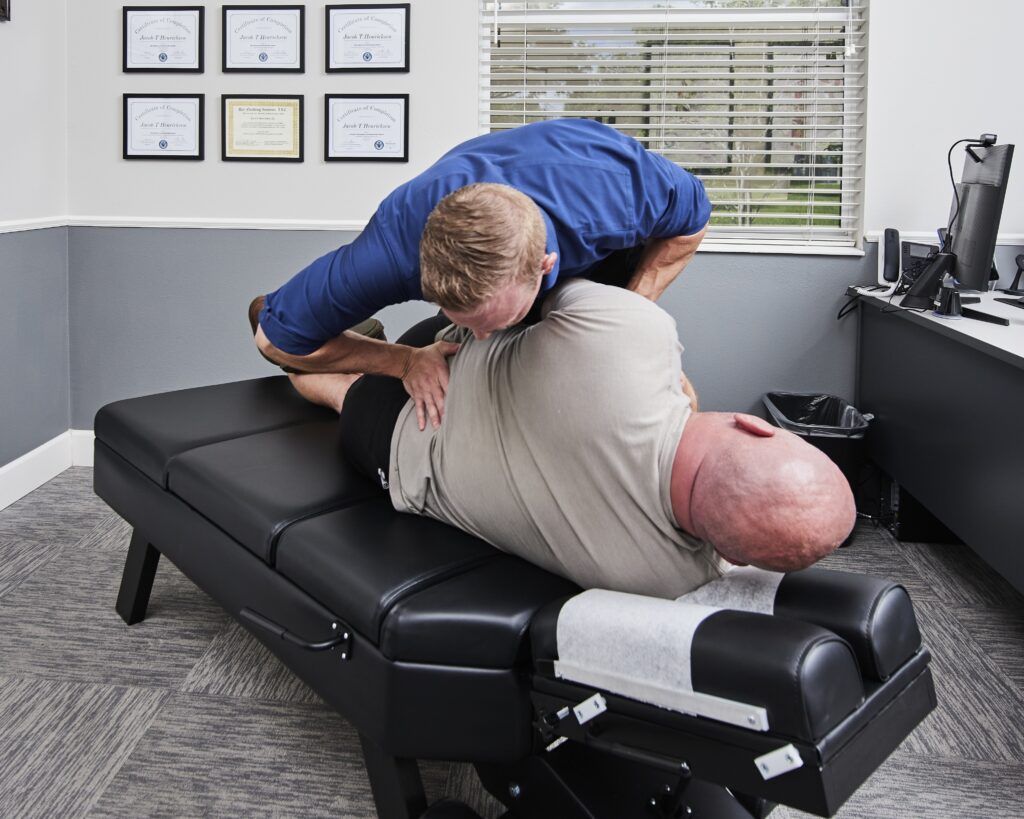
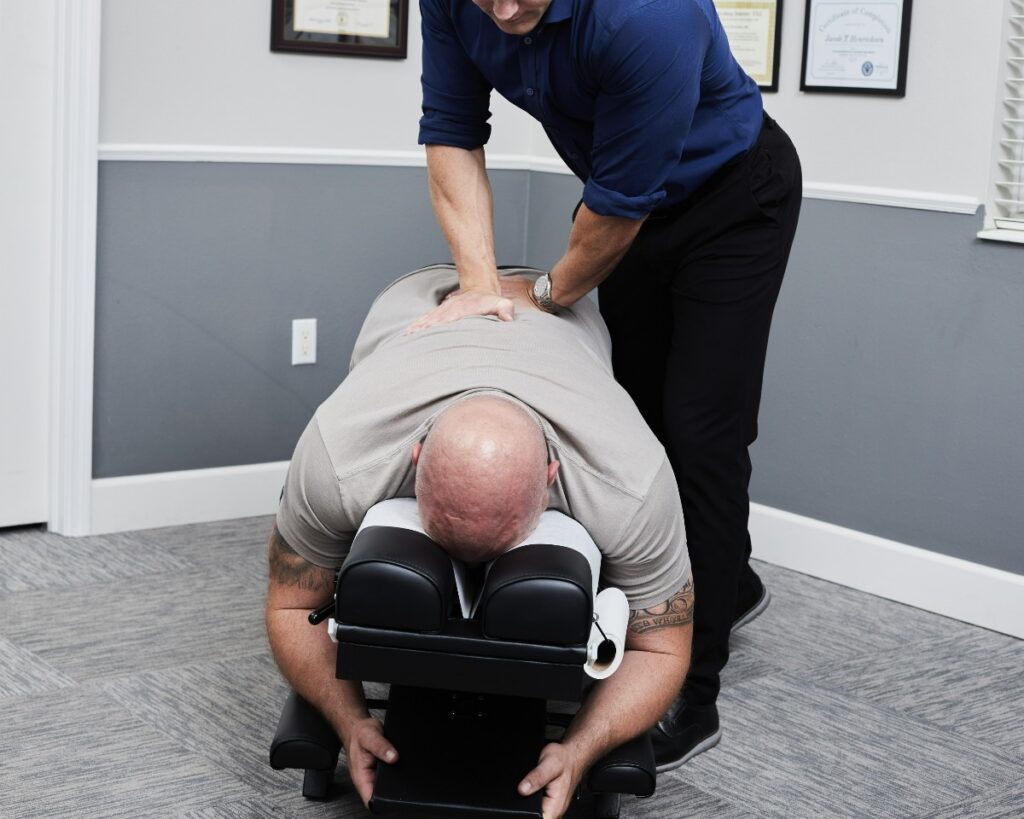
First and foremost, it's essential to consult with a healthcare provider who can help diagnose the root cause of your pain. Once we identify the underlying issue, we can tailor a treatment plan just for you. Chiropractic care focuses on manual manipulation of the spine, which can help align your body properly, alleviate pain, and restore mobility.
In addition to spinal adjustments, I often recommend complementary therapies such as physical therapy exercises that strengthen your back and improve your flexibility, helping to prevent future injuries. For those experiencing significant discomfort, we can discuss natural pain management options, including lifestyle changes and supportive exercises.
I also want to introduce you to acupuncture, an ancient practice that some of my patients find beneficial. By inserting thin needles into specific points on your body, acupuncture can promote healing and significantly reduce pain.
Moreover, massage therapy is another excellent option that I frequently suggest. It works wonders to relieve muscle tension around the spine, providing you with both physical relief and mental relaxation.
In the rare cases where conservative treatments don't bring the desired results, we'll thoroughly discuss all available options, including cortisone injections or surgery, if necessary. My goal is to ensure you understand the risks and benefits of each treatment so that we can make informed decisions together.
Conclusion
As your local chiropractor, I want to share some valuable insights on how you can relieve back pain quickly and effectively. By integrating these seven strategies into your daily routine, you can take significant steps toward better back health.
First, I encourage you to stretch regularly. Gentle stretching can help alleviate tension in your muscles and improve flexibility. Additionally, maintaining proper posture is crucial; it can prevent unnecessary strain on your back.
Utilizing heat or cold therapy can also be beneficial. Heat helps to relax tight muscles, while cold therapy can reduce inflammation and numb pain.
Strengthening your core is another important aspect of back health. A strong core supports your spine and can prevent future injuries. Don't overlook the power of mindfulness and relaxation techniques, which can greatly enhance your overall pain management.
Furthermore, I recommend making ergonomic adjustments in your workspace. This simple change can make a significant difference in how your body feels throughout the day.
Lastly, consider seeking professional treatments, such as chiropractic care, when necessary. As a chiropractor, I can provide personalized adjustments and guidance tailored to your specific needs.
By taking these proactive steps, you'll empower yourself to regain control over your back health and enjoy a more comfortable, active life. Remember, you don't have to live with pain—there are natural, effective solutions available to you!