
If you've ever experienced the discomfort of a tension headache, you know how disruptive it can be. Chiropractors have developed several effective methods to alleviate this pain, from spinal adjustments to soft tissue therapies. By focusing on your body's alignment and muscle tension, they can offer relief that's both immediate and long-lasting. But what specific techniques do they use, and how can these approaches fit into your overall wellness strategy? Exploring these methods could change how you manage headaches for good.
Spinal Adjustments
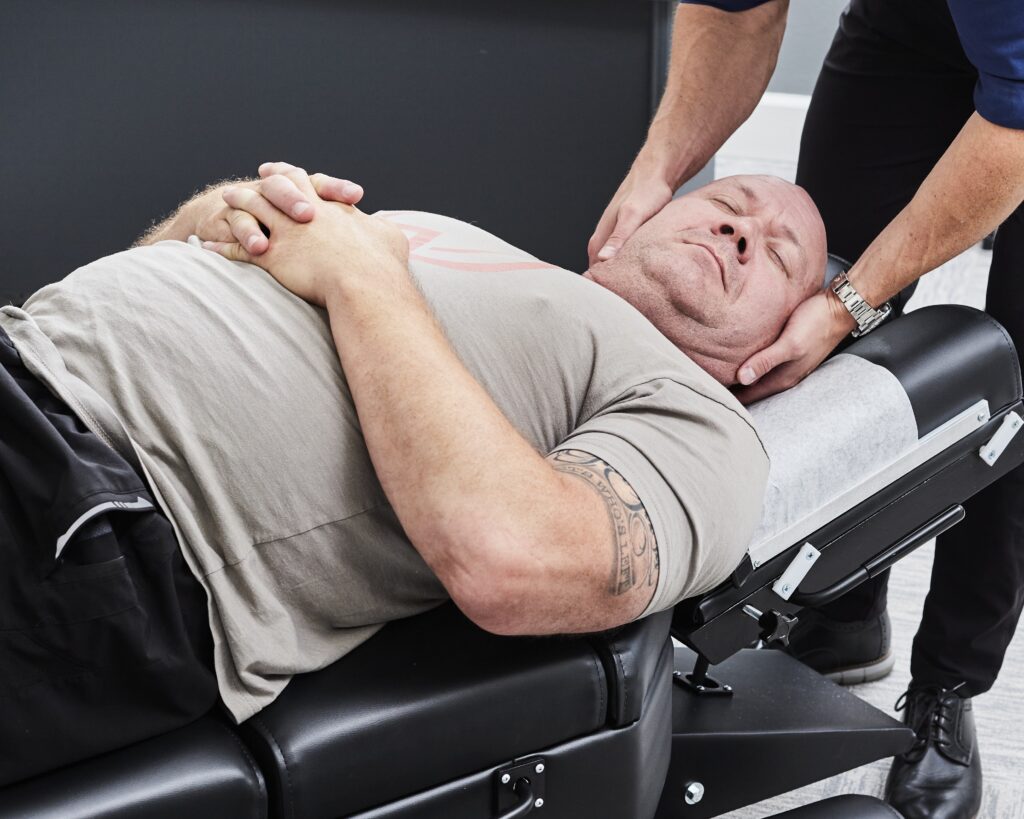
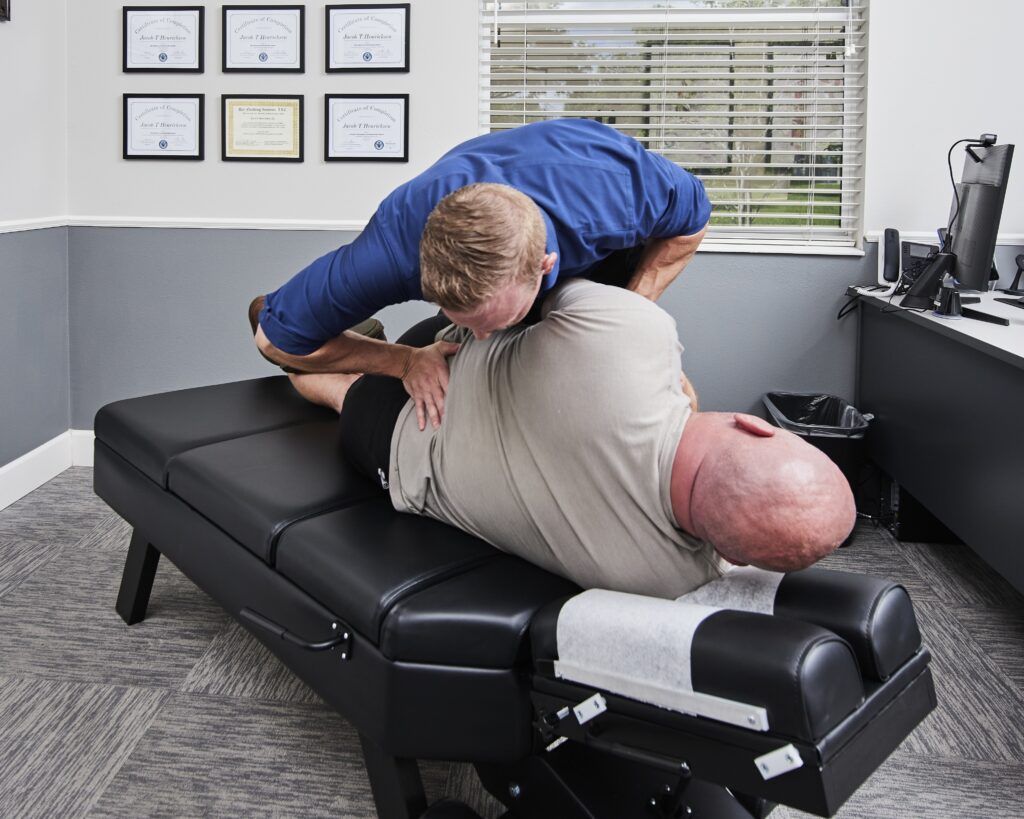
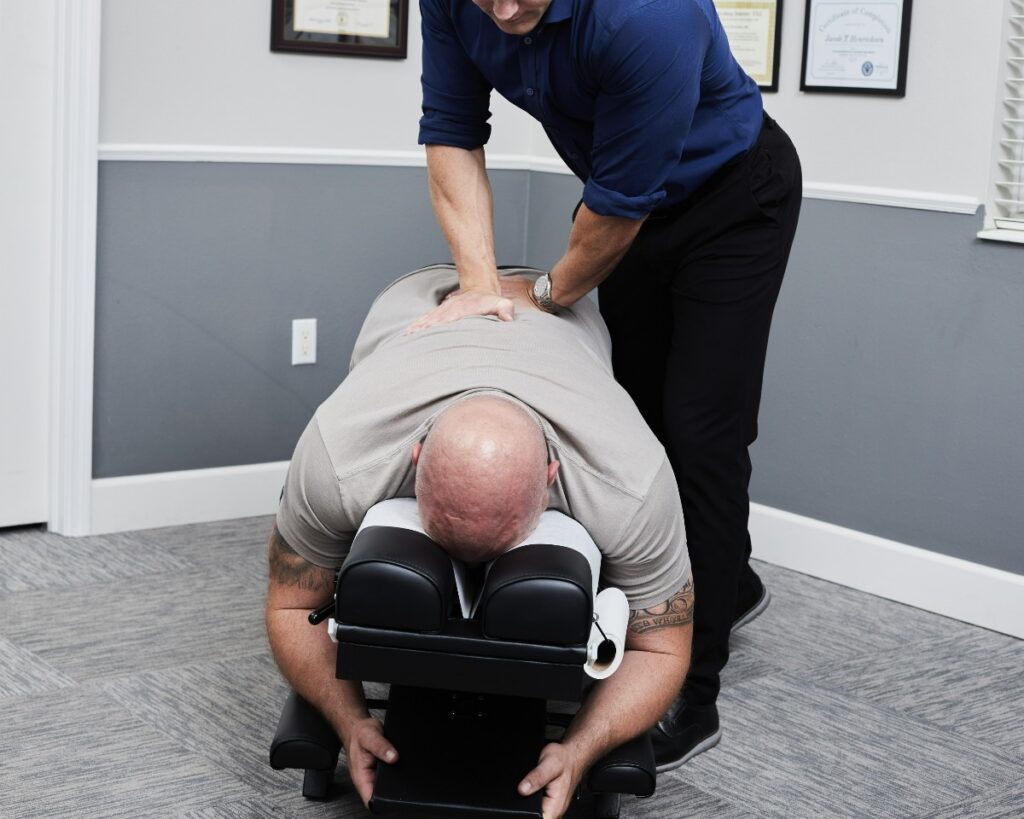
Spinal adjustments can play an essential role in relieving tension headaches. When you're dealing with these headaches, you mightn't realize that misalignment in your spine could be a contributing factor. Chiropractors focus on correcting these misalignments, restoring proper function to your nervous system, and relieving the build-up of tension that often leads to headaches.
During a chiropractic visit, your chiropractor will assess your spine for any abnormalities. They'll look at your posture, spinal curvature, and any restrictions in movement. Once they identify the issues, they'll perform targeted spinal adjustments. These adjustments involve applying controlled force to specific areas of the spine, helping to realign vertebrae and improve overall spinal function.
You may notice immediate relief after an adjustment, or it might take a few sessions to experience the full benefits. Regular adjustments can enhance blood flow and reduce muscle tension, which are vital factors in alleviating headaches. Additionally, by addressing spinal misalignments, chiropractors can help prevent future headaches from occurring.
It's important to communicate with your chiropractor about your headache frequency and intensity. This information allows them to tailor treatments specific to your needs.
As you undergo spinal adjustments, you might also find that other symptoms, such as neck pain or stiffness, improve as well. By prioritizing spinal health, you're taking a proactive step toward managing and reducing tension headaches effectively.
Soft Tissue Therapy
Soft tissue therapy can be a game changer for easing tension headaches.
You'll experience muscle relaxation techniques, trigger point release, and myofascial release therapy to help relieve tightness and discomfort.
These methods focus on the underlying muscle tension that often contributes to your headaches.
Muscle Relaxation Techniques
Finding relief from tension headaches often involves exploring various muscle relaxation techniques, especially those rooted in soft tissue therapy.
These methods focus on relieving muscle tightness and improving blood flow, which can greatly help reduce headache symptoms. Here are three effective techniques you might consider:
- Massage Therapy: This hands-on approach targets tight muscles in your neck, shoulders, and upper back. A skilled chiropractor can perform deep tissue massage to release tension and promote relaxation.
- Stretching Exercises: Incorporating gentle stretching into your routine can help alleviate muscle tightness. Try neck rolls, shoulder shrugs, and upper back stretches to increase flexibility and reduce stress.
- Heat Therapy: Applying heat to sore muscles can provide immediate relief. A warm towel or heating pad on your neck or shoulders can help soothe muscle tension and promote relaxation.
Trigger Point Release
Many people suffering from tension headaches can benefit from trigger point release techniques. This method targets specific knots in your muscles, often found in areas like your neck, shoulders, and upper back. By applying pressure to these trigger points, you can relieve tightness and reduce headache intensity.
During a session, your chiropractor will locate these areas and use their fingers, elbows, or specialized tools to apply direct pressure. This helps release the built-up tension, promoting blood flow and easing muscle tightness. You'll likely feel a mix of discomfort and relief as the knots loosen, leading to an overall sense of relaxation.
Incorporating trigger point release into your treatment plan can be particularly effective if traditional methods haven't provided full relief. It's a hands-on approach that complements other therapies, enhancing their effectiveness.
You might find that regular sessions not only alleviate your tension headaches but also improve your overall well-being.
Myofascial Release Therapy
Myofascial release therapy frequently offers relief from tension headaches by targeting the fascia, the connective tissue surrounding your muscles. This technique involves applying gentle, sustained pressure to the fascia, helping to release tightness and improve blood flow. As a result, you might experience reduced pain and improved mobility.
Here are three key benefits of myofascial release therapy for tension headaches:
- Relieves Muscle Tension: By focusing on tight fascia, this therapy helps alleviate muscle stiffness, which often contributes to headaches.
- Enhances Circulation: The gentle pressure stimulates blood flow to the affected areas, promoting healing and reducing headache intensity.
- Improves Flexibility: Releasing fascial restrictions can lead to better overall flexibility, allowing your body to move more freely and reducing the likelihood of future headaches.
Incorporating myofascial release therapy into your treatment plan can make a significant difference in how you manage tension headaches.
Posture Correction
Proper posture plays an essential role in alleviating tension headaches. When you slouch or hunch over your devices, the muscles in your neck and shoulders become strained. This tension can lead to discomfort and headaches that seem to never go away. Chiropractors focus on correcting your posture to relieve this pressure and help bring balance to your spine.
During your visits, the chiropractor will assess your posture, identifying any misalignments or areas of weakness. They'll guide you through adjustments designed to realign your spine and improve your overall posture. By addressing these issues, you can reduce muscle tension and prevent headaches from becoming a recurring problem.
You'll also learn how to maintain good posture in your daily life. Simple adjustments, like keeping your shoulders back and your head aligned with your spine, can make a significant difference. If you spend long hours at a desk, your chiropractor might suggest ergonomic changes to your workspace, ensuring your chair and monitor are positioned to promote better posture.
Incorporating posture correction techniques into your routine can help you feel more comfortable and focused throughout the day.
You'll find that as your posture improves, the frequency and intensity of tension headaches may decrease. Remember, making these changes takes time and effort, but the payoff is well worth it—fewer headaches and a more relaxed, pain-free life.
Exercise Recommendations
Regular exercise can considerably reduce the frequency and intensity of tension headaches.
When you engage in physical activity, you improve blood circulation, reduce muscle tension, and boost the release of endorphins—your body's natural painkillers. Incorporating regular exercise into your routine can provide significant relief from headaches.
Here are three effective exercises you can try:
- Neck Stretches: Gently tilt your head to one side, bringing your ear toward your shoulder. Hold for 15-30 seconds, then switch sides. This helps release tightness in your neck, which is often a trigger for tension headaches.
- Shoulder Rolls: Sit or stand comfortably. Roll your shoulders forward in a circular motion for 10 reps, then reverse the direction. This simple exercise can alleviate tension in your upper back and shoulders, reducing headache triggers.
- Walking: A brisk 30-minute walk can work wonders. It not only gets your heart pumping but also helps clear your mind, relieving stress that may contribute to headaches. Plus, it's easy to fit into your day.
Stress Management Techniques
Managing stress is essential for reducing tension headaches, and incorporating techniques like breathing exercises and mindfulness practices can make a big difference.
You'll find that these methods not only help you relax but also improve your overall well-being.
Let's explore how to effectively use these strategies in your daily routine.
Breathing Exercises
Breathing exercises serve as powerful tools for stress management, helping you create a sense of calm during tension headache episodes. By focusing on your breath, you can reduce muscle tension and promote relaxation, making it easier to cope with headaches.
Here are three effective breathing techniques to try:
- Diaphragmatic Breathing: Sit or lie comfortably. Inhale deeply through your nose, allowing your abdomen to rise. Exhale slowly through your mouth. Repeat for five minutes to lower stress levels.
- 4-7-8 Breathing: Inhale through your nose for a count of four, hold your breath for seven counts, and exhale through your mouth for eight counts. This technique can help you manage anxiety and tension, especially during headaches.
- Box Breathing: Inhale through your nose for a count of four, hold your breath for four counts, exhale through your mouth for four counts, and pause for another four counts. This method can stabilize your mood and reduce headache symptoms.
Incorporating these breathing exercises into your routine can markedly help alleviate tension headaches and improve overall well-being.
Mindfulness Practices
Mindfulness practices can greatly enhance your ability to cope with tension headaches by fostering a deeper connection between your mind and body. By incorporating mindfulness techniques into your daily routine, you can considerably reduce stress, which often triggers these headaches.
Start with simple meditation. Find a quiet space, sit comfortably, and focus on your breath. When your mind wanders, gently bring your attention back. This practice can help you become more aware of tension building in your body, allowing you to address it before it escalates.
Progressive muscle relaxation is another effective technique. While lying down or sitting, systematically tense and relax each muscle group, starting from your toes and moving up to your head. This helps release physical tension and promotes relaxation.
Lastly, consider mindful movement practices like yoga or tai chi. These activities combine gentle movement with focused breathing, helping you release stress and increase body awareness.
Nutritional Guidance
When it comes to tackling tension headaches, paying attention to your nutrition can make a significant difference. Your diet plays a vital role in how your body responds to stress and tension, which can trigger headaches.
Here are some nutritional tips to help you alleviate those pesky tension headaches:
- Stay Hydrated: Dehydration is a common headache trigger. Make sure you're drinking enough water throughout the day. Aim for at least 8 glasses, and increase your intake if you're active or live in a hot climate.
- Incorporate Magnesium-Rich Foods: Magnesium helps relax muscles and can reduce headache frequency. Foods like spinach, nuts, seeds, and whole grains are great sources. Consider adding these to your meals or snacks to keep your magnesium levels balanced.
- Limit Processed Foods and Sugars: Processed foods and excessive sugar can lead to blood sugar spikes and crashes, which may trigger headaches. Focus on whole, nutrient-dense foods like fruits, vegetables, lean proteins, and healthy fats to maintain steady energy levels.
Ergonomic Assessments
Proper ergonomics can greatly reduce the frequency and intensity of tension headaches. When you sit at a desk, use a computer, or engage in any repetitive tasks, paying attention to your posture and workspace setup is essential. Chiropractors often conduct ergonomic assessments to identify any adjustments you can make for better alignment and comfort.
During an ergonomic assessment, your chiropractor will evaluate your workstation, including chair height, monitor position, and keyboard placement. They'll look at your posture while you work, ensuring your head, neck, and spine are in a neutral position. If you're slouching or leaning forward, it can lead to unnecessary strain, contributing to headaches.
Your chiropractor might suggest specific changes, like adjusting your chair or using a standing desk. They may recommend ergonomic tools like keyboard trays, monitor risers, or supportive chairs that promote better alignment. Even small modifications can make a significant difference in your comfort level and headache frequency.
Additionally, they'll likely discuss breaks and stretches you should incorporate into your routine. Taking short breaks to stand, stretch, and reset your posture can alleviate tension and reduce headache triggers.
Conclusion
To summarize, chiropractors offer effective solutions for alleviating tension headaches through a combination of spinal adjustments, soft tissue therapy, and posture correction. Incorporating regular exercise, stress management techniques, and nutritional guidance into your routine can further enhance your well-being. By focusing on ergonomic assessments, you can optimize your daily activities to reduce strain. If you're struggling with tension headaches, consider reaching out to a chiropractor for personalized care that addresses your specific needs.