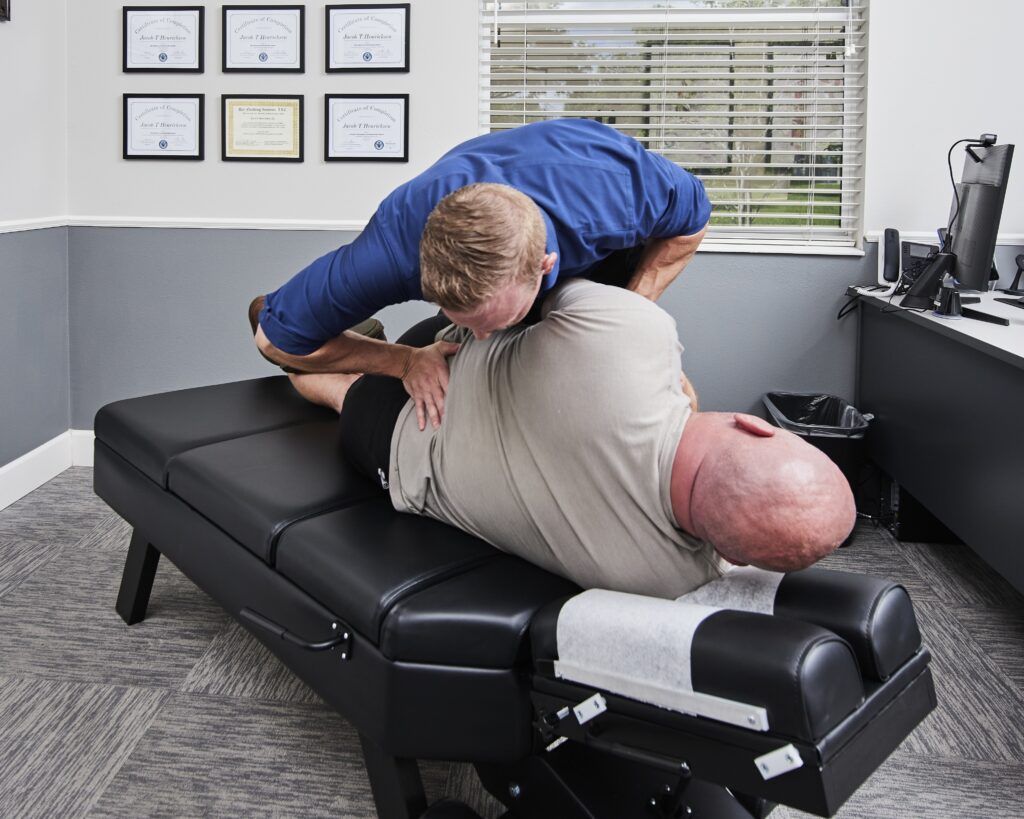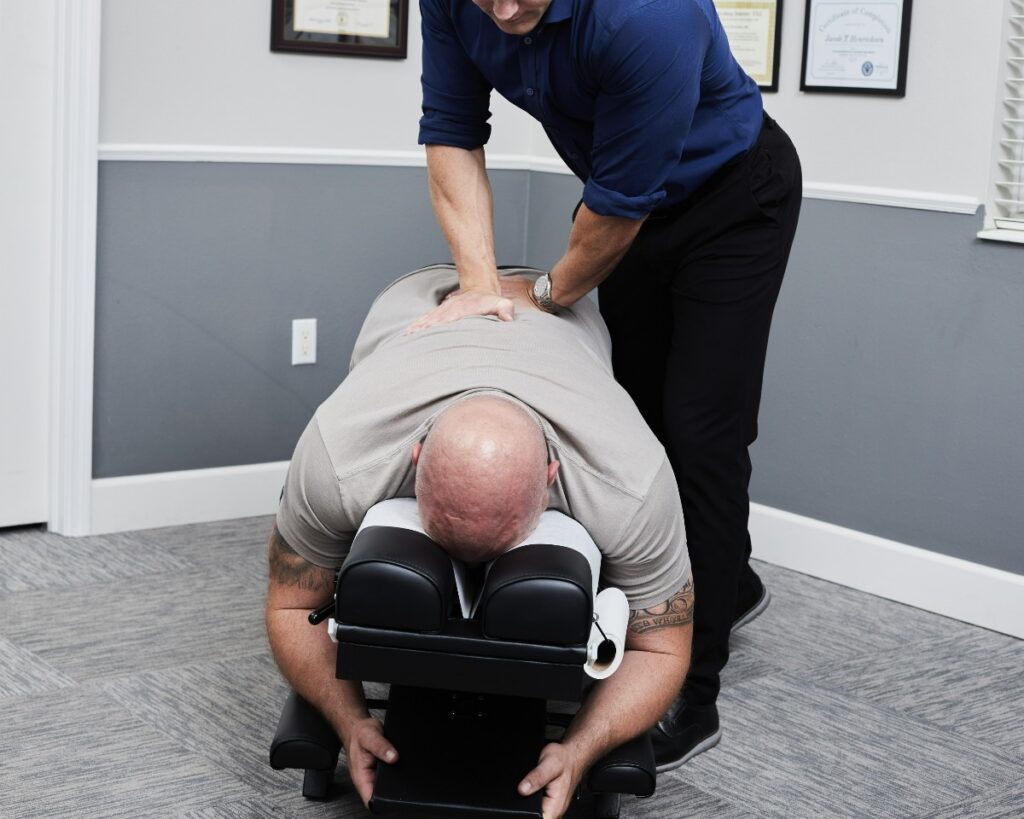

As a local chiropractor, I want to share some insights on how simple adjustments can help alleviate back pain. Many of my patients are often surprised to discover that making small changes in their posture, sleeping habits, and even the furniture they use can significantly reduce their discomfort. These adjustments not only provide immediate relief but also contribute to an overall improvement in your quality of life.
If you're curious about how these specific methods can empower you to take control of your back health, I'm here to help guide you. Understanding these approaches is the first step toward creating a more comfortable and pain-free daily routine. Let's explore how chiropractic care and natural healing can work together to enhance your well-being!
Improve Posture
As a local chiropractor, I want to share some insights on the importance of maintaining good posture for your overall health and well-being. Many people underestimate the impact that poor posture can have on their bodies, often leading to unnecessary strain on the spine and surrounding muscles.
Over time, habits like slouching or hunching can compress the spine, resulting in discomfort and potentially contributing to more serious issues, such as herniated discs or chronic pain.
To support your spine and improve your posture, it's essential to be mindful of how you position your body throughout the day. When sitting, ensure that your feet are flat on the floor and your knees form a right angle. Your back should remain straight, with relaxed shoulders aligned over your hips.
If you spend long hours at a desk, consider adjusting your chair height or using a lumbar support cushion to promote a more natural spine alignment.
When standing, it's important to distribute your weight evenly across both feet. Avoid locking your knees, as this can create unnecessary tension in your back. Instead, maintain a slight bend in your knees and engage your core muscles to provide better support for your spine.
Regularly check in with your posture, especially during activities that may cause you to lean forward or slump.
Making these small adjustments can significantly improve how you feel on a daily basis. You may notice reduced strain on your back, which can lead to less pain and discomfort overall.
Incorporate Stretching Exercises
As a local chiropractor, I want to share some insights on how incorporating stretching exercises into your daily routine can significantly help alleviate back pain. Many of my patients are surprised to learn that stretching isn't only a natural way to ease discomfort but also plays a crucial role in improving flexibility, circulation, and relieving tension in the muscles that support your spine.
Just setting aside a few minutes each day for stretching can lead to noticeable improvements in your mobility and a reduction in your discomfort. I often recommend starting with gentle stretches that specifically target the back, hamstrings, and hip flexors.
For example, the cat-cow stretch is a fantastic way to warm up your spine. Begin on your hands and knees. As you inhale, arch your back (this is the "cow" position), and as you exhale, round your spine (the "cat" position). Repeat this sequence for several breaths to help loosen those tight back muscles.
Another effective stretch is the seated forward bend. Sit on the floor with your legs extended in front of you, and gently reach toward your toes while keeping your back straight. This stretch not only helps elongate your spine but also releases tightness in your hamstrings. Aim to hold each stretch for 15 to 30 seconds, taking deep breaths throughout to enhance the relaxation effect.
It's important to listen to your body during these stretches. If you experience pain, it's a sign to ease off and adjust your position. I encourage you to incorporate these stretches into your morning routine or use them as a break during your day.
Consistency is vital; I recommend aiming for at least three to four times a week to achieve the best results.
Use Ergonomic Furniture
As a local chiropractor, I see firsthand how choosing the right furniture can significantly impact your overall spinal health and help alleviate back pain. When you opt for ergonomic furniture, you're not just investing in comfort; you're actively promoting better posture and reducing the strain on your back.
Whether you're working from home or spending long hours at a desk, the right pieces can support a healthier spine alignment, which is crucial for your well-being.
Here are three essential ergonomic furniture items I recommend for my patients:
- Ergonomic Chair: It's vital to select a chair that provides adequate support for your lower back and allows for height and armrest adjustments. A chair designed with lumbar support can relieve pressure on your spine, enabling you to sit comfortably for longer periods, which is essential for preventing discomfort and pain.
- Standing Desk: Consider incorporating a height-adjustable desk into your workspace. This allows you to alternate between sitting and standing throughout the day. Changing positions regularly can help reduce the risk of back pain by alleviating pressure on your spine and improving circulation, which are both beneficial for your body's overall functionality.
- Monitor Stand: Proper monitor placement is key to preventing neck strain and encouraging good posture. Positioning your computer monitor at eye level can help ensure you're not craning your neck or leaning forward, which can lead to discomfort. A monitor stand can be a simple yet effective solution to keep your workspace ergonomically sound.
By making thoughtful choices about your furniture, you can take proactive steps toward better spinal health and overall wellness.
If you have any questions about how these changes can benefit you, feel free to reach out during your appointment. Your spine will thank you!
Adjust Sleeping Positions
As a local chiropractor, I want to share with you how adjusting your sleeping position can significantly impact your back health and overall comfort. Many people don't realize that the way they sleep can either support their spine or contribute to discomfort and pain. If you frequently wake up feeling stiff or sore, it might be time to reassess your nighttime positioning.
Let's start with sleeping on your back, which is one of the best positions for spinal health. In this position, your head, neck, and spine can rest in a neutral alignment, reducing unnecessary pressure on your back. I recommend using a supportive pillow that helps maintain the natural curvature of your neck. Additionally, placing a small pillow under your knees can further relieve strain on your lower back.
For those who prefer sleeping on their side, it's essential to keep your spine aligned to avoid discomfort. A thicker pillow can help fill the gap between your shoulder and head, which helps prevent neck strain. I also suggest placing a pillow between your knees to provide extra support, keeping your hips aligned and minimizing pressure on your lower back.
I advise against sleeping on your stomach, as this position often twists your neck and places undue stress on your spine. If you find it difficult to change this habit, consider using a thin pillow under your pelvis to help reduce strain on your back.
Lastly, investing in a quality mattress tailored to your sleeping style is crucial. A medium-firm mattress is generally recommended, as it strikes a balance between support and comfort.
Maintain a Healthy Weight
As a local chiropractor, I want to emphasize the importance of maintaining a healthy weight, especially when it comes to preventing and alleviating back pain. Carrying excess weight can place extra stress on your spine and the muscles that support it, leading to discomfort or even injury over time.
By managing your weight effectively, you can significantly reduce this strain and enjoy a more active, pain-free life.
Here are three effective strategies I recommend to help you maintain a healthy weight:
1. Balanced Diet: It's essential to nourish your body with a variety of nutritious foods. I encourage you to incorporate an abundance of fruits, vegetables, whole grains, and lean proteins into your meals.
Steering clear of processed foods and sugary snacks won't only help you avoid weight gain but also reduce inflammation, which can contribute to back pain.
2. Regular Exercise: Establishing a consistent exercise routine is crucial. Aim to include both cardiovascular activities—such as walking, swimming, or cycling—to help burn calories, and strength training exercises to build muscle.
Stronger muscles provide better support for your spine and improve your overall body mechanics, which can alleviate stress on your back.
3. Stay Hydrated: Proper hydration is vital for your overall health and well-being. Drinking enough water can help regulate your metabolism and curb cravings for unhealthy snacks.
Additionally, staying hydrated supports the health of your spinal discs, which can be beneficial in alleviating back discomfort.
By following these strategies, you're not only helping to maintain a healthy weight but also taking proactive steps to protect your spine and enhance your overall quality of life.
If you have any questions or need guidance on implementing these practices, please feel free to reach out. Your journey to better health is important, and I'm here to help!
Practice Mindfulness and Relaxation
As a local chiropractor, I want to share how practicing mindfulness and relaxation can significantly alleviate back pain and enhance your overall well-being. Many of my patients are unaware of the powerful impact these simple techniques can have when incorporated into daily life.
By nurturing a calmer mind and a more relaxed body, you can experience a notable reduction in discomfort.
Let's delve into some effective strategies that I often recommend to my patients to help them get started on this journey toward natural healing and improved health.
Embracing mindfulness can help you become more aware of your body and its signals, while relaxation techniques can ease tension and promote healing.
Together, we can explore these practices to support your chiropractic care and empower you to take charge of your health.
Benefits of Mindfulness
As a local chiropractor, I want to share with you the numerous benefits of mindfulness, especially in relation to alleviating back pain and enhancing your overall well-being. Many people are unaware that by integrating mindfulness into your daily routine, you can develop a greater awareness of your body and its sensations. This awareness allows you to identify tension and discomfort before they escalate into more severe pain.
Here are three essential benefits of mindfulness that can significantly aid in relieving back pain:
- Stress Reduction: One of the primary contributors to muscle tension and pain is stress. Mindfulness practices can effectively lower your stress levels. By calming your mind, you create an environment for your body to relax, which is crucial in managing back pain.
- Improved Posture: Mindfulness encourages you to be aware of your posture throughout the day. Many individuals unknowingly adopt poor posture habits that can exacerbate back pain. By practicing mindfulness, you can cultivate better posture, alleviating pressure on your spine and reducing discomfort.
- Enhanced Pain Management: Mindfulness changes the way you relate to pain. Instead of resisting or fearing it, you learn to acknowledge it. This shift in perspective can greatly diminish the impact of pain on your daily life, allowing you to live more fully.
By incorporating mindfulness into your routine, you can foster a more relaxed state, which facilitates healing and promotes efficient body function.
Embracing these benefits can support your journey toward a pain-free life. Remember, chiropractic care complements mindfulness practices, and together they can lead to lasting relief and improved health.
Relaxation Techniques Overview
As a local chiropractor, I want to share some effective relaxation techniques that can't only enhance your well-being but also support your back health. Many of my patients find relief from back pain through mindful practices, and I encourage you to explore these options.
One of the simplest yet most impactful methods is deep breathing. This technique involves focusing on your breath to calm your mind and alleviate muscle tension. To practice, take a deep breath in through your nose, hold it for a few seconds, and then exhale slowly through your mouth. Repeat this process several times, and you may notice a significant reduction in stress and discomfort.
Another valuable approach is progressive muscle relaxation. This technique requires you to tense and then relax each muscle group in your body, starting from your toes and moving up to your head. By doing so, you'll develop a greater awareness of where you carry tension, allowing you to effectively release it and reduce any discomfort you may be experiencing.
Meditation is also a powerful tool in managing back pain. It encourages you to anchor your awareness in the present moment, which can help distract you from pain. Even dedicating just a few minutes each day to mindfulness meditation can greatly enhance your overall sense of well-being.
Additionally, incorporating gentle yoga or stretching into your routine can promote relaxation and improve flexibility. These practices not only help you reconnect with your body but also empower you to manage pain through mindful movement.
Incorporating Practices Daily
As a chiropractor, I often see patients struggling with back pain and overall stress. One of the most effective ways to enhance your back health and improve your well-being is by integrating mindfulness and relaxation techniques into your daily routine.
By adopting these practices, you can't only alleviate stress but also empower your body to manage pain more effectively. Here are three simple yet powerful techniques you can easily incorporate into your day:
1. Deep Breathing: Throughout your day, take a few moments to focus on your breath. Inhale deeply through your nose, hold it for a few seconds, and then exhale slowly through your mouth. This straightforward exercise helps release tension in your back and promotes a sense of relaxation.
It's a fantastic way to reset and refocus.
2. Mindful Stretching: Set aside a few minutes each day to perform gentle stretches that specifically target your back and the surrounding muscles. As you stretch, pay close attention to how your body feels, allowing yourself to ease into the movements.
This practice not only enhances flexibility but also significantly reduces discomfort, making it easier for your body to heal.
3. Meditation: I recommend dedicating a few minutes daily to sit quietly, close your eyes, and focus on your breath or a calming mantra. Regular meditation can help clear your mind, reduce anxiety, and cultivate a sense of inner peace, all of which support better back health.
Incorporating these mindfulness practices into your daily life can lead to significant improvements in how you feel, both physically and mentally.
As your chiropractor, I encourage you to explore these techniques and see how they can complement your chiropractic care for optimal health.
Seek Professional Help
As a local chiropractor, I want to share the importance of seeking professional help when you're experiencing persistent back pain. You don't have to face this discomfort on your own; I'm here to guide you through the healing journey.
It's essential to start by consulting a healthcare provider who specializes in musculoskeletal issues—like me! I can assess your condition and recommend treatments tailored specifically to your needs. Chiropractic care focuses on the alignment of your spine, which plays a crucial role in your overall health.
Many people may not realize that chiropractors offer more than just adjustments. Along with spinal realignment, I can also design a personalized exercise program to help strengthen the muscles that support your back. My approach is based on evidence and natural healing techniques that aim to alleviate pain and improve your mobility.
A proper diagnosis is essential for effective treatment. Identifying the root cause of your pain is the first step toward relief. I may suggest imaging tests, such as X-rays or MRIs, to better understand the condition of your spine.
With this information, I can create a targeted treatment plan that may include manual adjustments, therapeutic exercises, and other natural interventions.
Conclusion
As a local chiropractor dedicated to your health and well-being, I want to share some valuable insights on how adjustments can significantly alleviate back pain and enhance your overall quality of life. By focusing on improving your posture, incorporating regular stretching into your routine, utilizing ergonomic furniture, and adjusting your sleeping positions, you can take meaningful steps toward managing discomfort.
Maintaining a healthy weight is crucial, as it helps reduce the strain on your back. Additionally, practicing mindfulness can play a vital role in your healing journey. Remember, it's perfectly okay to seek professional help when necessary; chiropractic care offers effective, natural solutions for pain relief.
By embracing these strategies, you're not only addressing your current discomfort but also investing in your long-term back health and overall well-being. Take the first step toward taking charge of your recovery today!