
If you're struggling with chronic back pain, you're not alone, and there are several remedies that might help ease your discomfort. From targeted exercises that strengthen your core to the soothing effects of heat and cold therapy, these approaches can offer relief. You might also consider mindfulness techniques or herbal remedies for additional support. Each method has its own benefits, but finding the right combination for your situation can be a bit tricky. So, what are the most effective strategies to incorporate into your routine? Let's explore the top seven remedies that could make a difference.
Physical Therapy Techniques
Physical therapy techniques are often essential for managing chronic back pain effectively. When you work with a physical therapist, you'll engage in targeted exercises designed to strengthen your core and improve flexibility. These exercises not only alleviate pain but also prevent future injuries. You'll learn proper body mechanics, which can help you maintain a healthy posture and avoid unnecessary strain on your back.
One common technique is therapeutic exercise, which may include stretching and strengthening routines tailored to your specific needs. Your therapist might introduce you to low-impact activities like swimming or walking, which promote mobility without putting too much pressure on your spine. You'll also likely practice stabilization exercises that focus on your core muscles, providing better support for your back.
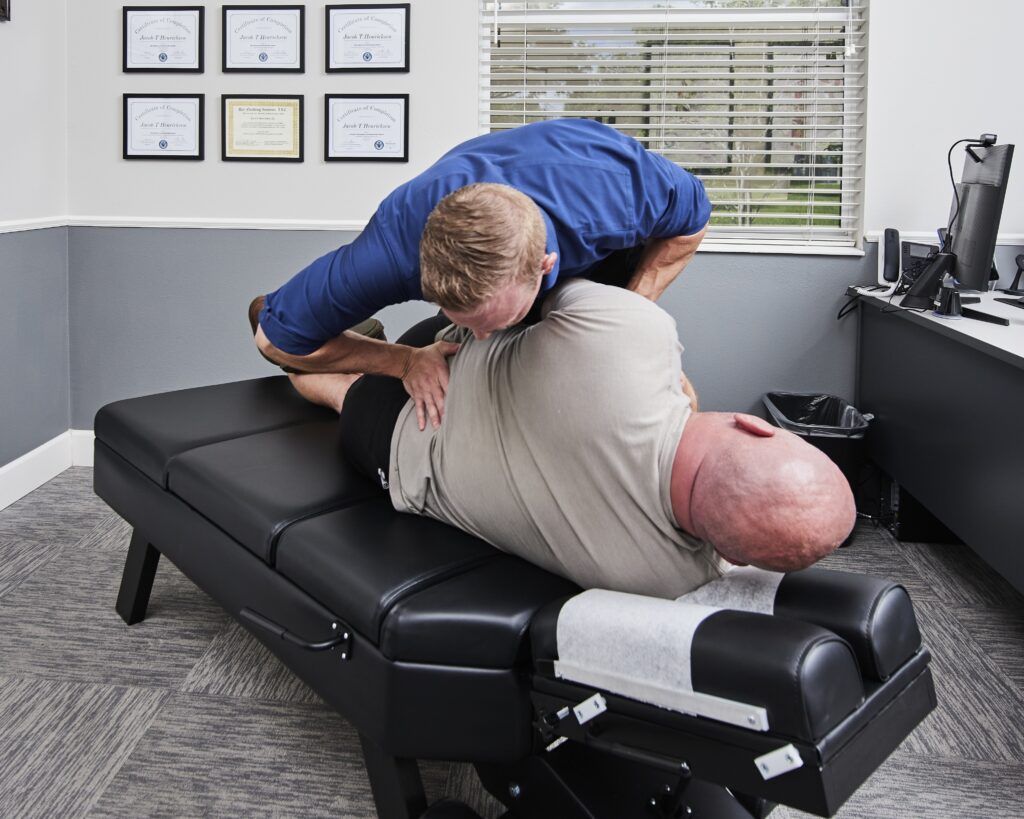
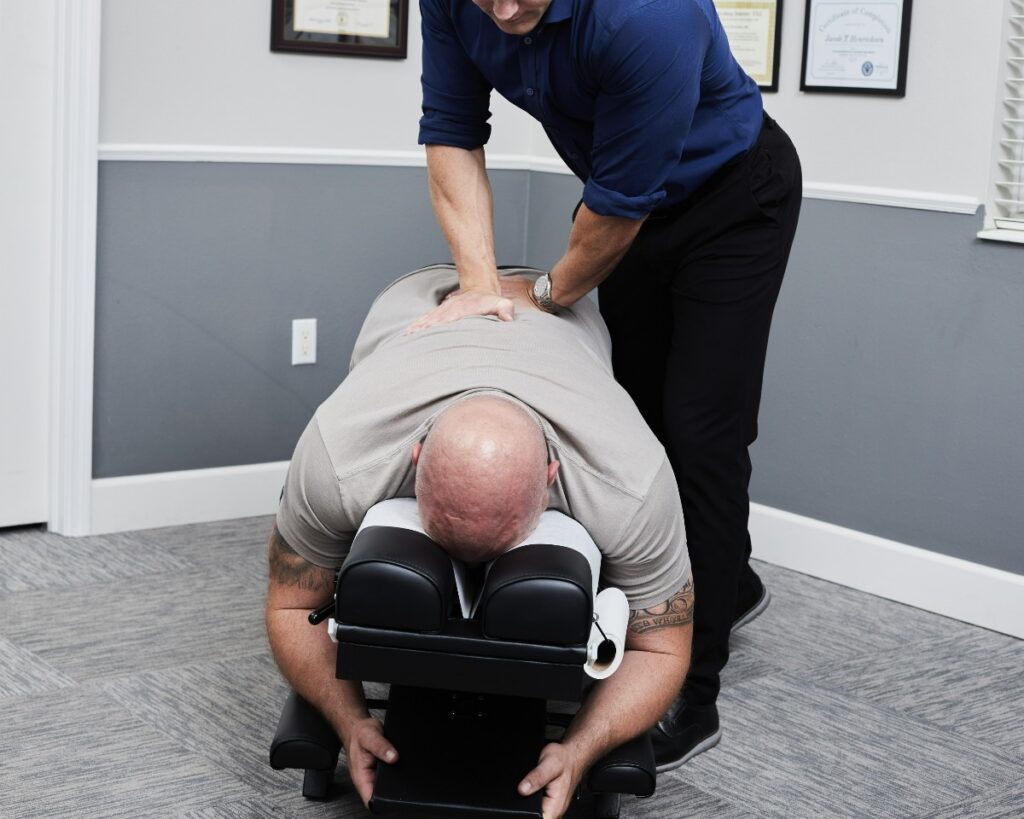
Manual therapy is another valuable component of physical therapy. Your therapist may use hands-on techniques to manipulate your tissues, helping to relieve tightness and improve blood circulation. This can aid in your recovery and enhance your overall mobility.
Additionally, your therapist may incorporate specialized modalities such as ultrasound or electrical stimulation, which can assist in pain relief and muscle activation. Throughout your sessions, your therapist will monitor your progress and adjust your treatment plan accordingly, ensuring you're on the right track.
Heat and Cold Therapy
Using heat and cold therapy can be a simple yet effective way to manage chronic back pain. Both methods target pain relief but work in different ways.
Applying heat helps increase blood flow to the affected area, which promotes healing and relaxes tight muscles. You can use a heating pad, hot water bottle, or take a warm bath for this purpose. Just make sure the heat isn't too intense; it should feel soothing, not burning. Aim for about 15 to 20 minutes of heat application at a time.
On the other hand, cold therapy focuses on reducing inflammation and numbing sharp pain. Cold packs, ice wrapped in a cloth, or even a bag of frozen vegetables can do the trick.
Apply cold therapy for 10 to 15 minutes, and you'll find it helps alleviate swelling and dulls discomfort. It's important to alternate between heat and cold therapy based on your specific symptoms and needs.
Exercise and Stretching
When it comes to managing chronic back pain, incorporating regular exercise and stretching into your routine can make a significant difference.
You'll discover effective techniques and recommended workout routines that not only help alleviate discomfort but also strengthen your back.
Let's explore how these practices can enhance your overall well-being.
Benefits of Regular Exercise
Incorporating regular exercise into your routine can greatly alleviate chronic back pain. Engaging in physical activity strengthens your core muscles, which support your spine and help maintain proper posture. This support reduces the strain on your back, allowing you to move with greater ease and less discomfort.
Exercise also increases flexibility and range of motion in your back and surrounding muscles. As you become more flexible, you'll find it easier to perform daily activities without pain. Additionally, regular physical activity promotes the release of endorphins, your body's natural pain relievers, which can improve your overall mood and decrease your perception of pain.
Moreover, staying active helps prevent weight gain, which can put extra stress on your back. By maintaining a healthy weight through exercise, you'll reduce the risk of exacerbating your back pain. Aim for low-impact activities like swimming, walking, or cycling, as these are gentle on your joints while still providing significant benefits.
Ultimately, committing to a consistent exercise routine can empower you to take control of your chronic back pain and improve your quality of life. Start today, and you'll soon notice the positive changes.
Effective Stretching Techniques
Regularly incorporating effective stretching techniques into your routine can considerably enhance your back's flexibility and reduce pain. Stretching helps to alleviate tension in your muscles, improve circulation, and promote better posture.
Here are a few effective stretches to contemplate.
First, try the cat-cow stretch. Start on all fours, then alternate between arching your back (cat) and dipping it (cow). This movement warms up your spine and improves flexibility.
Next, the seated forward bend is excellent for stretching your lower back. Sit with your legs extended and reach forward toward your toes, holding for 15-30 seconds.
Another great option is the child's pose. Kneel on the floor, sit back on your heels, and stretch your arms forward on the ground. This pose gently elongates your spine and relaxes your back muscles.
Finally, incorporate the standing quadriceps stretch. Stand on one foot, grab your ankle, and pull your heel toward your glutes. This stretch targets your hip flexors, which can influence back pain.
Aim to hold each stretch for at least 15-30 seconds, and perform them regularly. By making stretching a priority, you can experience significant relief from chronic back pain.
Recommended Workout Routines
Building on the importance of effective stretching, incorporating a balanced workout routine is essential for managing chronic back pain. Focus on exercises that strengthen your core, improve flexibility, and promote overall body stability. A strong core supports your spine, reducing strain and discomfort.
Start with low-impact aerobic exercises like walking, swimming, or cycling. Aim for at least 30 minutes, three to five times a week. These activities increase blood flow and oxygen to your muscles, aiding recovery and reducing pain.
Incorporate strength training with bodyweight exercises such as planks, bridges, and bird-dogs. These movements engage your core and lower back without putting excessive pressure on your spine. Perform strength training two to three times a week, allowing rest days in between sessions.
Lastly, don't forget about flexibility. Regularly practicing yoga or Pilates can enhance your range of motion and alleviate tension in your back muscles. Focus on poses that stretch and strengthen your back, hips, and legs.
Always listen to your body. If something feels wrong, modify the exercise or consult a healthcare professional. Consistency is key, so make these workouts a regular part of your routine for better back health.
Meditation and Mindfulness
Meditation and mindfulness can be powerful tools in managing chronic back pain.
By practicing mindfulness, you can increase your awareness of pain and reduce stress, which often exacerbates discomfort.
Guided meditation techniques can further enhance your experience, helping you find relief and promote relaxation.
Benefits of Mindfulness Practice
In the domain of pain management, mindfulness practice offers a powerful tool for alleviating chronic back pain. By focusing on the present moment, you can cultivate a sense of awareness that shifts your relationship with pain. Instead of reacting with stress or anxiety, mindfulness helps you observe your discomfort without judgment, allowing you to respond more calmly.
Practicing mindfulness can considerably reduce the perception of pain. When you engage in mindful breathing or body scans, you learn to relax tense muscles and promote better posture, which can directly impact your back pain. This relaxation response also triggers the release of endorphins, your body's natural painkillers.
Additionally, mindfulness enhances emotional resilience. Chronic pain can be mentally draining, but by developing a mindful attitude, you're better equipped to handle the emotional challenges that accompany physical discomfort. This shift can lead to improved mood and reduced feelings of anxiety or depression.
Guided Meditation Techniques
While you explore ways to manage chronic back pain, incorporating guided meditation techniques can be a transformative practice. These techniques help you focus your mind, reduce stress, and promote relaxation, all of which can alleviate your pain.
To start, find a quiet space where you can sit or lie down comfortably. Use a guided meditation app or YouTube video that specifically addresses pain relief. You'll want to choose sessions that focus on body awareness and relaxation techniques. As you listen, concentrate on your breath and visualize your pain melting away.
Try to practice daily, even for just a few minutes. Consistency is key. You might also consider combining guided meditation with deep breathing exercises. Inhale deeply through your nose, hold for a few seconds, and exhale slowly through your mouth. This can enhance the calming effects of meditation.
Additionally, you can explore loving-kindness meditation, where you send positive thoughts to yourself and your body, fostering compassion and acceptance.
Herbal Remedies
Exploring herbal remedies can provide natural relief for chronic back pain. Many people turn to herbs as a holistic approach to manage their discomfort. One popular option is turmeric, known for its anti-inflammatory properties. You can easily incorporate turmeric into your diet by adding it to meals or drinking it as a tea.
Another effective herb is ginger, which has similar anti-inflammatory effects. Try steeping ginger in hot water for a soothing tea that may help alleviate pain.
Willow bark is another herbal remedy worth considering. It contains salicin, a compound similar to aspirin, and has been used for centuries to relieve pain. You can find willow bark in capsule or tea form. Just be cautious if you're taking blood thinners or have allergies to aspirin.
Capsaicin, derived from chili peppers, may also bring relief. It works by blocking pain signals in your body. You can apply capsaicin cream directly to the affected area for targeted relief. Remember to wash your hands thoroughly afterward to avoid irritation.
Lastly, consider using devil's claw, a South African herb known for its pain-relieving properties. It's available in capsules or tinctures, and many find it beneficial for chronic pain.
Before starting any herbal remedy, it's always best to consult with a healthcare professional, especially if you're currently taking medications. By incorporating these herbal options into your routine, you might find the natural relief you've been searching for.
Acupuncture Treatment
Herbal remedies aren't the only natural options for managing chronic back pain; acupuncture treatment offers another effective approach. This ancient practice, rooted in Traditional Chinese Medicine, involves inserting thin needles into specific points on your body. It aims to restore balance and promote healing, making it a popular choice for those looking to alleviate back pain.
You might wonder how acupuncture actually works. The treatment is believed to stimulate your body's natural pain-relieving chemicals and improve blood flow. Many people report experiencing reduced pain and enhanced mobility after just a few sessions.
Here are some benefits of acupuncture for chronic back pain:
- Pain Relief: It can help reduce both acute and chronic back pain.
- Increased Flexibility: Regular sessions may improve your overall flexibility and range of motion.
- Stress Reduction: Acupuncture can promote relaxation, helping to alleviate tension that may contribute to your back pain.
- Minimal Side Effects: Compared to some medications, acupuncture has fewer side effects, making it a safer option for many.
Before starting acupuncture, it's crucial to consult with a qualified practitioner who can tailor the treatment to your specific needs.
Lifestyle Modifications
Making simple lifestyle modifications can greatly impact your chronic back pain. One of the most effective changes you can make is to incorporate regular physical activity into your routine. Aim for low-impact exercises like walking, swimming, or cycling. These activities strengthen your muscles, improve flexibility, and boost your overall health without putting undue strain on your back.
Another significant modification is to evaluate your posture throughout the day. Whether you're sitting at a desk, standing, or lifting objects, maintaining proper alignment can prevent unnecessary stress on your spine. Consider using ergonomic chairs and tools to support your posture while working.
Additionally, be mindful of how you lift heavy items—always bend your knees and keep the load close to your body.
Incorporating a balanced diet is also fundamental. Eating anti-inflammatory foods, such as fruits, vegetables, and whole grains, can help reduce pain. Staying hydrated is essential, too, as it supports spinal health and muscle function.
Lastly, don't underestimate the power of stress management. Chronic stress can exacerbate pain, so practices like yoga, meditation, or deep-breathing exercises can help you relax and alleviate discomfort.
Conclusion
By incorporating these remedies into your routine, you can effectively manage chronic back pain and improve your quality of life. Regular physical therapy, combined with heat and cold therapy, exercise, and stretching, can strengthen your body and enhance flexibility. Don't forget the benefits of meditation and herbal remedies, as well as acupuncture for natural relief. Additionally, making lifestyle modifications can support your journey to wellness. Take charge of your health and find what works best for you!