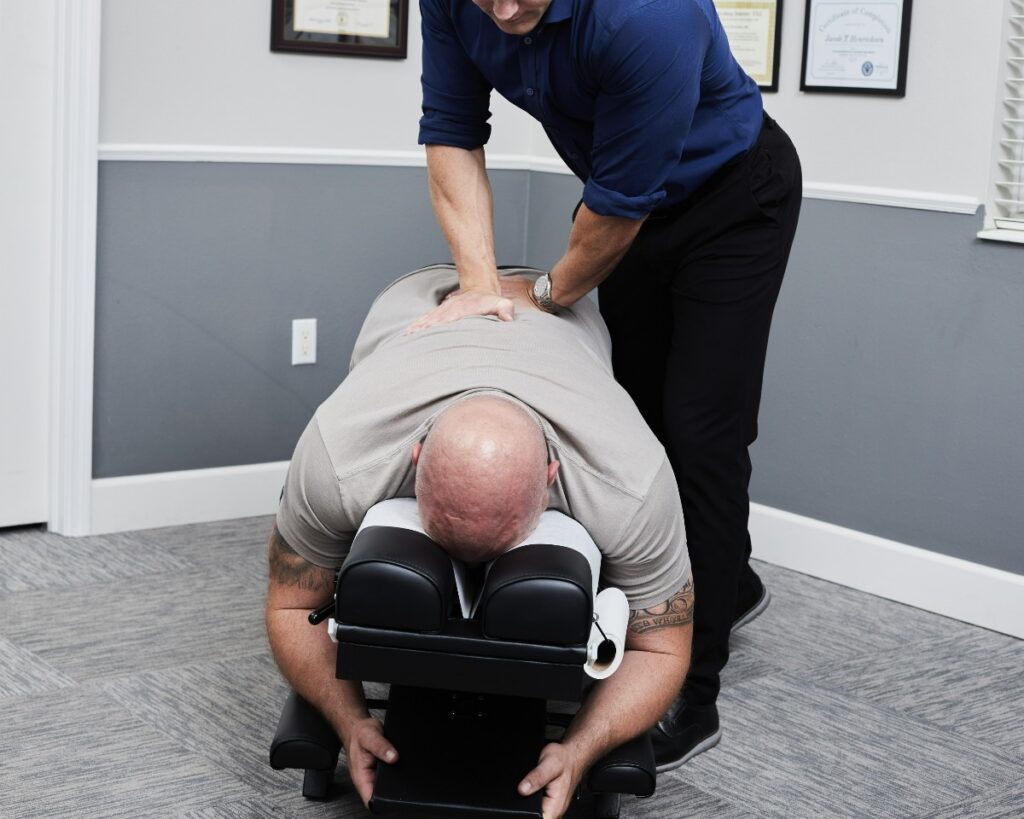

As a local chiropractor, I'm excited to share with you the evolving landscape of fibromyalgia relief as we look toward 2025. Many patients may not yet be familiar with the benefits of alternative care strategies, which are increasingly becoming an essential part of managing fibromyalgia symptoms. Treatments like acupuncture, mindfulness practices, and personalized nutritional plans are gaining traction, indicating a significant shift toward more individualized approaches to health and wellness.
This trend goes beyond merely managing symptoms; it's about cultivating a holistic understanding of your overall health. By addressing not just the physical aspects of fibromyalgia but also the emotional and nutritional components, we can work together to create a comprehensive care plan that truly resonates with your unique needs.
So, what does this mean for you on your journey to relief? It opens up a world of possibilities. As you consider these alternative therapies, know that they can complement chiropractic care and enhance your overall well-being. I'm here to guide you through these options and help you discover the most effective strategies for your health journey. Let's explore this path together!
Acupuncture's Rising Popularity
In recent years, I've noticed a growing interest in acupuncture as a complementary approach to managing fibromyalgia pain among my patients. You may be curious about why this ancient practice is becoming popular for those seeking relief from chronic discomfort. Acupuncture involves the insertion of thin needles into specific points on the body, a method that aims to promote healing and restore balance. For many who suffer from fibromyalgia, this technique offers a refreshing alternative to conventional pain management strategies.
Studies indicate that acupuncture can effectively alleviate pain and enhance the overall quality of life for individuals dealing with fibromyalgia. The stimulation from the needles encourages your body to release natural pain-relievers, such as endorphins, while also increasing blood circulation. This can lead to a decrease in those nagging aches and discomfort.
Many of my patients have shared that their acupuncture sessions foster a deeper sense of relaxation, which is particularly beneficial for managing stress—often a trigger for fibromyalgia flare-ups.
If you're contemplating acupuncture, it's essential to seek out a qualified practitioner who's experience in treating fibromyalgia. You might be pleasantly surprised at how quickly you can start to notice improvements in your symptoms after just a handful of sessions. Numerous patients report significant reductions in pain, increased energy, and better sleep quality.
While acupuncture isn't a universal remedy, it can be a valuable component of your overall fibromyalgia management strategy. By exploring this natural therapy, you're taking a proactive approach to finding relief and enhancing your overall well-being.
Mindfulness and Meditation Techniques
As a local chiropractor, I want to share some insights on how mindfulness and meditation techniques can serve as effective tools for managing fibromyalgia symptoms. Many of my patients have found that integrating these practices into their daily routines can significantly help in reducing stress, enhancing emotional well-being, and alleviating some of the discomfort associated with this condition.
Mindfulness is all about focusing on the present moment. This practice allows you to become more aware of your thoughts and feelings without judgment, which can be particularly beneficial when it comes to recognizing and addressing pain in a constructive way. By cultivating this awareness, you may find that you can better manage your symptoms.
To begin your journey with mindfulness, I recommend setting aside just a few minutes each day for mindfulness exercises. Find a quiet, comfortable space where you can sit peacefully and take deep, calming breaths. Pay attention to the rise and fall of your chest and the sensations throughout your body.
It's common for your mind to wander, but when it does, gently redirect your focus back to your breath. Over time, this practice can help you develop a greater sense of calm and improve your overall ability to cope with pain.
Meditation is another valuable technique that often includes visualization or guided sessions. There are many excellent apps and online resources available that offer guided meditations specifically tailored for pain management. Engaging in these sessions can help create a mental environment where you can effectively manage your symptoms.
As you explore mindfulness and meditation, it's essential to practice patience with yourself. It's completely normal for your mind to drift, especially when dealing with fibromyalgia. The key is to continually bring your attention back to your breath or whatever focal point you've chosen, allowing these techniques to gradually enhance your quality of life.
Incorporating these natural healing practices alongside chiropractic care can offer a holistic approach to managing fibromyalgia. If you have any questions or would like to learn more about how chiropractic care can complement these mindfulness techniques, feel free to reach out. Your journey to better health is important to me!
Nutritional Approaches to Healing
As a local chiropractor, I want to share some insights on how nutritional approaches to healing can play a significant role in managing fibromyalgia symptoms. It's important to understand that the foods you consume can greatly influence your overall health and well-being. A diet that emphasizes whole, unprocessed foods can be a powerful tool in reducing inflammation, which is often associated with fibromyalgia.
I encourage you to focus on incorporating a variety of fruits, vegetables, whole grains, lean proteins, and healthy fats into your meals. These foods are rich in essential nutrients that support the body's healing processes.
One effective strategy is to adopt an anti-inflammatory diet. Including foods such as fatty fish, nuts, seeds, and olive oil can be beneficial in combating inflammation. Conversely, it's wise to limit your intake of processed foods, sugar, and trans fats, as these can aggravate symptoms.
Staying adequately hydrated is also crucial, so make sure you're drinking plenty of water throughout the day.
Many individuals with fibromyalgia discover that certain food sensitivities can intensify their symptoms. It might be helpful to experiment with eliminating common allergens like gluten or dairy from your diet and observe any changes in how you feel. Keeping a food diary can be a great way to track your symptoms in relation to your diet, allowing you to identify potential triggers.
Lastly, I recommend consulting with a registered dietitian who specializes in fibromyalgia or chronic pain. They can assist you in creating a personalized nutrition plan that meets your individual needs.
Herbal Remedies and Supplements
As a local chiropractor dedicated to holistic health, I want to share how herbal remedies and supplements can play a supportive role in managing fibromyalgia symptoms. Many of my patients have found that integrating natural options into their daily routines not only alleviates pain but also enhances their overall well-being and improves sleep quality.
One particularly effective herbal remedy is turmeric, celebrated for its powerful anti-inflammatory properties. The active compound, curcumin, has been shown to help ease the discomfort associated with fibromyalgia. You can incorporate turmeric into your meals or consider taking it as a supplement to reap its benefits.
Another herb worth considering is ginger, which may assist in reducing muscle soreness and promoting better circulation. Brewing a soothing ginger tea or opting for ginger capsules can provide additional relief.
In addition to herbal remedies, certain supplements can significantly aid in muscle and nerve function. For instance, magnesium is essential for many bodily processes, and many individuals with fibromyalgia have reported symptom improvements after incorporating magnesium into their regimen.
Omega-3 fatty acids, commonly found in fish oil, are also beneficial for joint and muscle health, potentially reducing inflammation and discomfort.
Before embarking on any herbal or supplement journey, I strongly recommend consulting with a healthcare professional, such as myself. This ensures you find the right dosages and confirms that these natural options won't interfere with any medications you may be taking.
Remember, while herbal remedies and supplements can be valuable tools, they should complement a comprehensive approach to managing fibromyalgia. This includes lifestyle modifications, balanced nutrition, and effective stress management techniques.
Integrative Therapy Models
As a local chiropractor, I want to introduce you to the concept of integrative therapy models, which can be an effective approach to managing fibromyalgia. These models take a holistic view of your health, combining various treatment methods tailored specifically to your unique needs. By merging conventional medical treatments with alternative therapies, we can create a comprehensive plan that addresses both the physical and emotional challenges associated with fibromyalgia.
In our practice, we often incorporate therapies such as chiropractic adjustments, acupuncture, yoga, and mindfulness meditation. Each of these options can work in harmony with traditional treatments, helping to alleviate pain and improve your overall quality of life. For example, chiropractic adjustments can help realign your spine, reducing tension and discomfort, while acupuncture may stimulate specific points on your body to promote pain relief.
Additionally, yoga can enhance your flexibility and reduce stress—two critical aspects that can contribute to fibromyalgia symptoms.
Collaboration is essential in our approach. You'll find that we work closely with other healthcare providers, including your primary doctor, physical therapists, and possibly nutritionists, to ensure that all your treatments are aligned and effective. This multidisciplinary teamwork is crucial for your healing journey.
Self-care is another fundamental aspect of managing fibromyalgia. Techniques such as journaling or engaging in creative arts can be beneficial for expressing emotions and coping with chronic pain. By taking an active role in your care, you empower yourself to make choices that resonate with your individual needs and preferences.
Ultimately, integrative therapy models provide a well-rounded approach to managing fibromyalgia. By embracing a variety of treatment options, including chiropractic care, you can find relief that feels right for you and fosters a greater sense of well-being. I'm here to support you on this journey and help you discover the natural healing pathways that work best for you.
Conclusion
As we look ahead to 2025, I want to share with you how integrative therapy models can significantly improve your experience with fibromyalgia. As a local chiropractor, I believe in the power of natural healing methods to help manage symptoms associated with this challenging condition. By incorporating therapies such as acupuncture, mindfulness practices, and tailored nutritional strategies, we can work together to create a personalized treatment plan that truly suits your unique needs.
The increasing recognition of the benefits of alternative care means you won't have to navigate this journey alone. With my guidance and collaboration with other healthcare providers, we can enhance your path to wellness. Together, we can empower you to take control of your symptoms and improve your overall quality of life. Let's explore how chiropractic care and natural healing can be part of your journey toward relief and well-being.