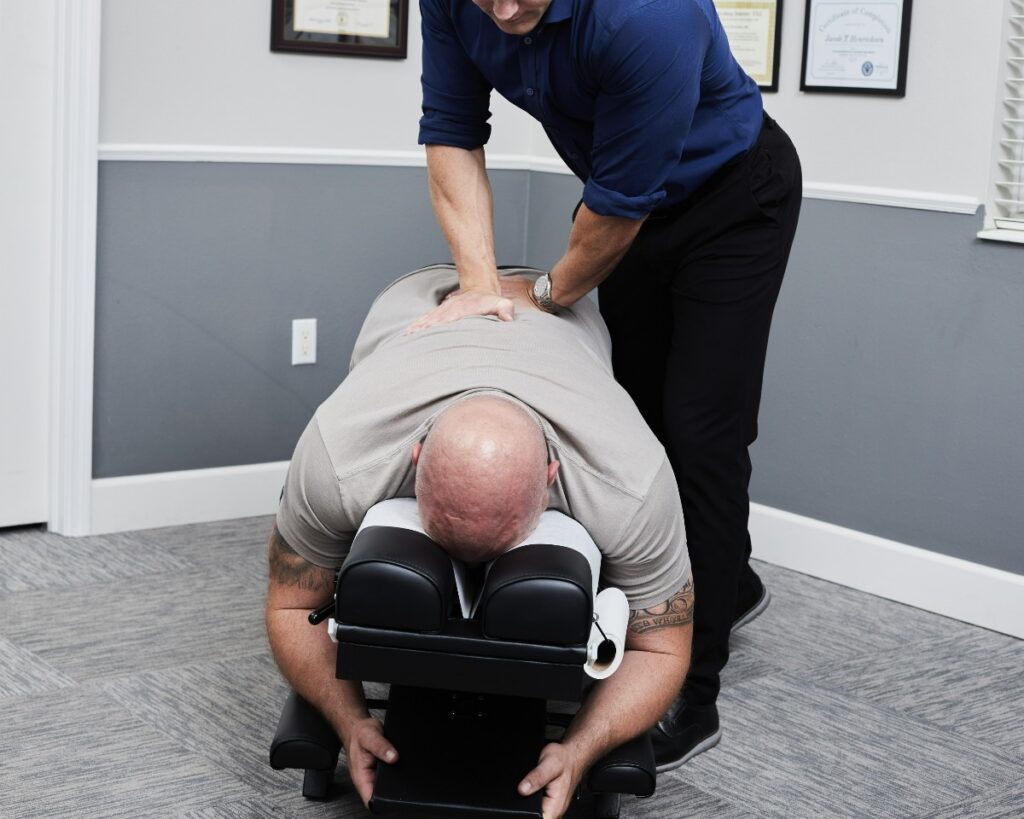

If you're struggling with chronic pain, it's understandable to seek out effective, natural solutions beyond medication. As a local chiropractor, I want to introduce you to a variety of approaches that not only focus on relieving your pain but also improve your overall well-being. Techniques such as mindfulness meditation and dietary adjustments are just a couple of the tools we can utilize to help you take charge of your pain management.
Chiropractic care is grounded in the belief that your body has the innate ability to heal itself when aligned and functioning properly. By addressing misalignments in the spine and other joints, we can help alleviate pain and restore balance. You may be curious about which of these natural techniques will work best for you, and I encourage you to explore the following strategies that could lead you toward a more comfortable and fulfilling life. Let's work together to find the right combination of methods tailored to your individual needs.
Practice Mindfulness Meditation
Have you ever experienced how your mind can magnify physical discomfort? When you're fixated on pain, it can feel like it takes over your entire being, making it challenging to cope. This is where the principles of mindfulness meditation can be beneficial, especially in conjunction with chiropractic care.
By incorporating mindfulness, you can learn to observe your thoughts and sensations without judgment, which can help you acknowledge your discomfort without allowing it to dominate your experience.
To begin, find a quiet space where you can relax without interruptions. Whether you choose to sit or lie down, make yourself comfortable, close your eyes, and take a few deep breaths. As you inhale and exhale, focus on how your body feels.
Pay attention to any areas of tension or pain, but try not to react to them immediately. Instead, simply observe these sensations for what they are, without labeling them as good or bad.
As your mind starts to wander, gently bring your attention back to your breath. It's completely normal for thoughts to arise, but this practice enhances your ability to cultivate awareness and acceptance.
Over time, you may notice a shift in your relationship with pain. Rather than feeling overwhelmed, you could discover a newfound sense of calm and control.
I encourage you to set aside a few minutes each day to incorporate mindfulness meditation into your routine. Consistency is essential.
As you develop this practice alongside your chiropractic treatment, you'll likely find yourself better equipped to manage chronic pain and improve your overall well-being.
Explore Herbal Remedies
As a chiropractor dedicated to holistic health, I often explore various ways to help my patients manage chronic pain naturally. Herbal remedies can be an excellent option for those looking to complement their pain management strategies without the side effects commonly associated with conventional medications.
Many of these remedies have stood the test of time and may provide the relief you're seeking. Here are three herbal options I encourage you to consider:
- Turmeric: This vibrant spice is renowned for its anti-inflammatory properties, largely due to an active compound known as curcumin. Research suggests that turmeric can help reduce pain and inflammation, particularly in conditions such as arthritis. You can easily incorporate turmeric into your meals or choose to take it as a supplement.
- Ginger: Another powerful root, ginger has long been celebrated for its ability to alleviate pain and swelling. Whether you enjoy a warm cup of ginger tea or add fresh ginger to your cooking, this herb can be a delicious way to tap into its benefits.
- Willow Bark: Often referred to as "nature's aspirin," willow bark has a rich history of use in pain relief. It contains salicin, which has natural anti-inflammatory effects. You can find willow bark in various forms, including tea or capsules, making it accessible and easy to use.
Before you begin any herbal remedy, I strongly recommend consulting with a healthcare professional, particularly if you're currently taking other medications. Some herbal remedies may interact with certain drugs, so ensuring your safety is paramount.
By exploring these natural alternatives, you may find that they effectively complement your chiropractic care and overall pain management strategy, helping you reclaim control over your life.
Incorporate Gentle Exercise
As a local chiropractor dedicated to helping patients understand the benefits of natural healing, I want to emphasize the importance of incorporating gentle exercise into your routine for managing chronic pain. Gentle exercise can truly be a transformative approach in your journey toward alleviating discomfort. It enhances blood circulation, improves flexibility, and builds muscle strength—factors that can significantly reduce pain levels over time.
There's no need to push yourself beyond your limits; even light activities can yield remarkable results. I recommend starting with gentle exercises such as walking, swimming, or yoga. These are low-impact options that can be easily adjusted to fit your comfort and ability. Engaging in these forms of exercise not only helps with pain relief but also triggers the release of endorphins, which are your body's natural painkillers. This boost can uplift your mood and enhance your overall sense of well-being.
It's crucial to pay attention to your body as you embark on this journey. If you experience pain during an exercise, don't hesitate to modify your approach or take a rest. Consistency is vital for success, so aim for short exercise sessions several times a week. You might discover that gradually increasing the duration or intensity of your activities helps you build strength while respecting your body's limits.
In addition to pain management, incorporating gentle exercise into your daily routine can also improve your sleep quality—a crucial element in dealing with chronic pain. Regular movement can elevate your energy levels, making everyday tasks feel less daunting and more achievable.
In summary, gentle exercise is an invaluable tool in managing chronic pain. By taking those initial steps, you're not only investing in your physical health but also paving the way for a more active and pain-reduced life.
If you have any questions or need guidance on getting started, I'm here to help you every step of the way.
Maintain a Balanced Diet
As a local chiropractor, I want to emphasize the importance of maintaining a balanced diet, especially for those of you dealing with chronic pain.
It's crucial to focus on incorporating anti-inflammatory foods into your meals, as these can significantly help in alleviating pain and discomfort. Remember, what you eat plays a vital role in your overall health and well-being.
Additionally, I can't stress enough the importance of staying hydrated. Proper hydration is fundamental not just for your general health, but it also aids in pain relief.
By nourishing your body with the right foods and staying hydrated, you can support your healing journey and improve your quality of life.
Let's work together to explore how these dietary changes can complement your chiropractic care and enhance your natural healing process.
Anti-Inflammatory Foods
As a local chiropractor, I often emphasize the importance of nutrition in supporting overall health and managing chronic pain.
One of the most effective ways to promote healing in your body is by incorporating anti-inflammatory foods into your diet. These foods not only help reduce inflammation but also strengthen your immune system, contributing to better overall wellness.
By being mindful of what you eat, you can actively support your body's healing processes.
Here are three powerful anti-inflammatory foods I recommend considering for your meals:
- Fatty Fish: Fish such as salmon, mackerel, and sardines are abundant in omega-3 fatty acids, which are known to combat inflammation and may alleviate pain. Including these in your diet can be a game-changer for your health.
- Berries: Blueberries, strawberries, and blackberries are rich in antioxidants and essential vitamins that work to reduce inflammation and oxidative stress in your body. They make a delicious and nutritious addition to your snacks or meals.
- Leafy Greens: Vegetables like spinach, kale, and Swiss chard are loaded with nutrients and anti-inflammatory compounds. Incorporating these greens into your diet can provide significant benefits for your overall health and wellness.
By focusing on these anti-inflammatory foods, you can enhance your healing journey and better manage any discomfort you may experience.
Hydration Importance
As a local chiropractor, I want to emphasize the crucial role that staying properly hydrated plays in your overall health and well-being, especially when it comes to managing chronic pain.
Water is essential for a variety of bodily functions, including the transportation of nutrients and the recovery of muscles. When we become dehydrated, our bodies may react by increasing pain sensitivity and inflammation, which can make chronic pain feel even more intense.
It's important to make a conscious effort to drink enough water throughout the day to keep your body functioning optimally. Factors such as your activity level, the climate you live in, and your overall health can influence your hydration needs. If you're physically active or live in a warmer environment, you may find that you require additional fluids.
A practical tip for monitoring your hydration is to check the color of your urine; a light yellow hue typically indicates that you're well-hydrated.
In addition to drinking water, incorporating foods that are high in water content can significantly enhance your hydration. Fruits and vegetables such as cucumbers, watermelon, and oranges aren't only refreshing but also packed with essential nutrients that support your overall health.
Remember, staying hydrated can boost your energy levels, elevate your mood, and contribute to a more balanced diet—all of which can aid in alleviating chronic pain.
As you embark on your journey to better health, I encourage you to prioritize hydration in your daily routine. It's a simple yet powerful way to support your body and enhance the effectiveness of any chiropractic care you may receive.
Utilize Heat and Cold Therapy
As a local chiropractor, I often emphasize the importance of natural healing methods in managing chronic pain. One effective approach I recommend is the use of heat and cold therapy. By applying heat or cold to specific areas of discomfort, you can significantly alleviate pain and enhance your overall well-being.
These methods can seamlessly fit into your daily routine and serve distinct purposes.
Here are three key benefits of incorporating heat and cold therapy into your pain management:
1. Heat Therapy: Utilizing heat can boost blood circulation, relax tight muscles, and reduce stiffness. Consider using a heating pad, a warm towel, or indulging in a warm bath to experience these advantages. This approach is particularly beneficial for conditions like arthritis or chronic muscle soreness.
2. Cold Therapy: On the other hand, applying cold, such as ice packs or a cold compress wrapped in a cloth, can effectively numb sharp pain and minimize inflammation. Cold therapy is especially useful for acute injuries, swelling, or sudden flare-ups of chronic pain conditions.
Just a quick tip: remember to limit cold application to no more than 20 minutes at a time to protect your skin.
3. Combination Therapy: One of the most powerful strategies is alternating between heat and cold. Start with cold therapy to tackle inflammation, and then switch to heat to encourage blood flow and promote healing. This combination can help you develop a personalized pain management plan that works for you.
Integrating heat and cold therapy into your routine can be a simple yet impactful way to manage pain and improve your quality of life.
If you have any questions about how these therapies can fit into your overall wellness plan, don't hesitate to ask!
Try Acupuncture Techniques
If you're seeking a natural approach to managing chronic pain, I encourage you to explore chiropractic care as a viable option.
This holistic practice offers numerous benefits, not only in alleviating pain but also in enhancing your overall health and well-being.
To embark on this journey, it's crucial to consult with a qualified chiropractor who can customize a treatment plan tailored to your unique needs and concerns.
Together, we can work towards restoring balance and improving your quality of life through safe and effective techniques.
Benefits of Acupuncture
As a local chiropractor, I often encounter patients looking for natural ways to relieve chronic pain, and one option that has gained popularity is acupuncture. This ancient practice has shown remarkable effectiveness in promoting healing and balancing energy within the body.
Here are three key benefits of acupuncture that I encourage you to consider as part of your wellness journey:
- Pain Reduction: Many patients report significant relief from pain after just a few acupuncture sessions. This technique stimulates specific points on the body, which can trigger the release of endorphins—your body's natural painkillers—helping to alleviate chronic conditions such as arthritis and migraines.
- Improved Mobility: If you're dealing with pain that restricts your movement, acupuncture might be the solution you need. By addressing inflammation and enhancing blood circulation, acupuncture can help you regain mobility and reduce discomfort, ultimately improving your overall quality of life.
- Stress Relief: Chronic pain often leads to heightened levels of stress and anxiety. Acupuncture can foster relaxation and enhance mental well-being, making it easier for you to manage pain over time.
Incorporating acupuncture into your pain management strategy can pave the way toward a more balanced and pain-free existence.
As your chiropractor, I encourage you to explore this natural healing option and discover how it can complement your care and benefit your health.
Finding a Practitioner
Finding the right chiropractor can greatly enhance your experience with chiropractic care and natural healing. Start by researching licensed chiropractors in your local area. Look for practitioners who hold proper credentials, such as a degree from an accredited chiropractic college and certification from a recognized board. This ensures they possess the necessary training and expertise.
Next, consider their experience in treating specific conditions, especially if you're dealing with chronic pain. It's important to find someone who's well-versed in managing your particular issue, as they can customize their approach to suit your individual needs.
Don't hesitate to inquire about their treatment philosophy and techniques. A good chiropractor should be open to discussing their methods and how they plan to assist you in your healing journey.
Be sure to read reviews and testimonials from previous patients. This feedback can give you valuable insight into their approach and effectiveness. If possible, schedule an initial consultation. This meeting will allow you to assess their communication style and your comfort level with them.
Trust your instincts—if you feel comfortable and respected, you're likely on the right path.
Finally, remember that chiropractic care is a collaborative process. Your chiropractor should encourage you to express any concerns or preferences, fostering a more personalized and effective treatment plan tailored to your needs.
Ensure Quality Sleep
As a local chiropractor, I understand that chronic pain can significantly impact your sleep. However, ensuring quality rest is crucial for managing discomfort and enhancing your overall well-being. A restorative night's sleep allows your body to heal, decreases pain sensitivity, and elevates your mood.
Here are three essential strategies that I recommend to help you achieve better sleep:
1. Establish a Sleep Routine: Consistency is key! Going to bed and waking up at the same time each day helps regulate your body's internal clock. Aim for 7-9 hours of sleep every night, and consider incorporating a calming bedtime ritual, such as gentle stretching or deep breathing exercises, to signal to your body that it's time to wind down.
2. Create a Comfortable Sleep Environment: Your bedroom should be a peaceful haven for sleep. Ensure it's dark, quiet, and cool. A supportive mattress and pillows are vital for your spinal alignment and overall comfort.
I often suggest utilizing blackout curtains, earplugs, or a white noise machine to minimize any disturbances that could disrupt your rest.
3. Limit Stimulants and Screen Time: Be mindful of your intake of caffeine and nicotine, particularly in the hours leading up to bedtime, as they can interfere with your ability to fall asleep. Additionally, the blue light emitted by screens can disrupt your sleep cycle.
To promote better sleep, try to limit screen time at least an hour before bed. Instead, consider reading a book or practicing relaxation techniques like meditation or gentle yoga.
Engage in Yoga and Stretching
As your local chiropractor, I want to share how engaging in yoga and stretching can significantly enhance your physical and mental well-being, especially if you're dealing with chronic pain.
These practices not only improve flexibility and strength but also integrate mindfulness techniques that can help you manage discomfort more effectively.
By incorporating yoga and stretching into your routine, you can support your body's natural healing processes and promote a greater sense of balance and relaxation.
Let's discuss how these holistic approaches can play a vital role in your journey towards better health.
Benefits of Yoga
As a local chiropractor, I understand the challenges many of you face with chronic pain. One effective approach to managing this pain is through yoga, which beautifully combines physical movement with mindfulness. Incorporating yoga into your routine can complement chiropractic care and enhance your overall well-being.
Here are three key benefits of yoga that can support your healing journey:
- Increased Flexibility: Regular yoga practice can help stretch and strengthen your muscles, improving your range of motion and reducing stiffness. This flexibility can complement chiropractic adjustments, allowing your body to respond better to treatment.
- Stress Reduction: Yoga promotes relaxation and helps lower stress levels, which is crucial since stress can amplify your perception of pain. By focusing on your breath and mindfulness during yoga, you can create a sense of calm that aids in pain management.
- Enhanced Body Awareness: As you flow through various poses, you'll become more attuned to your body's signals. This heightened awareness allows you to identify pain triggers and adjust your activities, ensuring that you're taking care of your body in a way that supports your chiropractic treatment.
I encourage you to explore yoga as a natural healing modality alongside your chiropractic care. You don't need to be an expert; starting with basic poses that feel comfortable is a great way to begin.
Over time, you may notice significant improvements in both your physical and mental health, making yoga a valuable addition to your pain management strategy. If you have any questions about how yoga can fit into your overall treatment plan, feel free to reach out!
Stretching Techniques Explained
As a local chiropractor, I want to emphasize the importance of incorporating stretching techniques into your daily routine to enhance the benefits of both chiropractic care and yoga. Stretching is essential not only for improving flexibility but also for alleviating muscle tension and discomfort that many of my patients experience.
If you're dealing with specific areas of pain, it's a good idea to start with gentle stretches targeting those areas. For example, if you often suffer from lower back pain, you might find relief through simple hamstring stretches or seated forward bends. These movements can help ease tightness and promote better mobility.
It's also crucial to focus on your breath while stretching. Inhale deeply through your nose as you lengthen your muscles, and then exhale slowly to release any tension. This combination of rhythmic breathing and stretching can significantly enhance the effectiveness of the exercises.
Before beginning your yoga session, consider incorporating dynamic stretches to warm up your body. These movements can help prepare your muscles for deeper stretches and reduce the risk of injury.
To maximize your stretching routine, include a mix of static stretches—holding a position for 15-30 seconds—and dynamic stretches that involve movement. Always listen to your body and avoid pushing yourself to the point of pain.
Consistency is vital; I recommend aiming to stretch a few times a week. By making stretching a regular part of your routine, you may find it easier to manage chronic pain and improve your overall well-being.
Mindfulness and Pain Relief
As your local chiropractor, I want to share how practicing mindfulness can significantly aid in relieving chronic pain, particularly when paired with yoga and stretching exercises.
By focusing on the present moment, you can transform your perception of pain, making it more manageable. Engaging in yoga and stretching not only enhances your flexibility but also strengthens your mind-body connection, which is crucial for effectively managing discomfort.
Here are three practical ways to bring mindfulness into your routine through yoga and stretching:
- Breathe Deeply: Pay attention to your breath as you move through each yoga pose. Deep, intentional breathing can help calm your nervous system and alleviate muscle tension, making it easier for you to handle pain.
- Stay Present: While stretching, focus on the sensations in your body. Acknowledge any areas of discomfort without judgment. This awareness allows you to recognize tension and release it, helping to ease your pain.
- Practice Regularly: Establishing a consistent routine is vital. Dedicate time each day to yoga or stretching. This practice not only benefits your physical body but also enhances your mindfulness, empowering you to respond to pain with greater awareness and control.
By integrating these mindfulness techniques into your daily life, you can take proactive steps toward managing your pain naturally and improving your overall well-being.
If you have any questions or would like guidance on how to get started, feel free to reach out!
Consider Essential Oils
As a local chiropractor, I want to share some insights into how essential oils can be a valuable part of your natural healing journey, especially for managing chronic pain. Many of my patients have found that incorporating these concentrated plant extracts into their daily routines can enhance their overall well-being.
Let's start with lavender oil. This oil is renowned for its calming effects. You can easily diffuse it in your home or apply it topically, mixed with a carrier oil, to help alleviate tension and encourage relaxation.
Another oil that many people find beneficial is peppermint oil, which contains menthol. This oil provides a refreshing cooling sensation that can help relieve headaches and muscle soreness. Just a few drops on your temples or affected muscles can make a significant impact.
Eucalyptus oil is another great option worth considering. It has anti-inflammatory properties, and when diluted and used during a massage, it may help reduce swelling and discomfort in specific areas.
If you're dealing with joint pain, ginger oil is an excellent choice. Its warming characteristics can promote circulation and alleviate stiffness, making it particularly helpful for those suffering from arthritis.
One of the exciting aspects of using essential oils is the possibility of creating your own personalized blends. By mixing different oils to suit your specific needs, you can enhance their effectiveness while enjoying their delightful aromas.
Just a gentle reminder: it's important to patch-test any new oil on your skin to avoid any adverse reactions.
Exploring essential oils is a natural step toward managing your chronic pain and improving your quality of life. As you learn more about these options, consider how they might complement the chiropractic care you receive. Together, we can work towards a holistic approach to your health and well-being.
Seek Supportive Therapies
As a local chiropractor, I want to emphasize the importance of incorporating supportive therapies into your pain management routine. While essential oils can be a beneficial addition, it's crucial to consider holistic approaches that address the root causes of your discomfort.
Supportive therapies not only improve your overall well-being but also equip you with effective tools to manage chronic pain beyond just medication.
Here are three supportive therapies that can complement chiropractic care:
1. Physical Therapy: A customized physical therapy program can significantly enhance your mobility and strength while reducing pain. Working alongside a physical therapist, you can engage in exercises specifically designed to support your condition and improve your quality of life.
Together, we can create a comprehensive plan that addresses your unique needs.
2. Massage Therapy: Regular sessions with a licensed massage therapist can help alleviate muscle tension and promote relaxation. If your pain is associated with stress or tight muscles, massage therapy can be particularly beneficial.
I can recommend skilled therapists who understand your specific pain conditions and can work in conjunction with your chiropractic treatments.
3. Acupuncture: This ancient healing practice involves the insertion of thin needles at specific points on the body. Many of my patients have found relief from chronic pain through acupuncture, as it stimulates the release of endorphins and enhances blood flow.
It can be a valuable addition to your overall pain management strategy.
Integrating these supportive therapies into your pain management plan can lead to a more well-rounded approach to healing. By actively participating in these therapies alongside your chiropractic care, you empower yourself to take control of your pain and improve your quality of life.
I encourage you to explore these options and reach out to professionals who can guide you on your journey to relief.
Conclusion
As a local chiropractor, I want to share with you some valuable natural methods that can help manage chronic pain and enhance your overall well-being. By incorporating practices such as mindfulness meditation and gentle exercise into your daily life, you can make a significant positive impact on your pain levels.
It's also important to pay attention to your diet—eating a balanced diet can provide your body with the nutrients it needs to heal. I encourage you to explore herbal remedies, which can complement your treatment, and consider therapies like yoga and essential oils that have been known to help alleviate discomfort.
Don't underestimate the power of quality sleep; it plays a crucial role in pain management. Additionally, using heat and cold therapy can offer immediate relief for aching muscles and joints.
With dedication and the right approach, you can take control of your pain and improve your quality of life. As your chiropractor, I'm here to guide you on this journey to natural healing and better health.