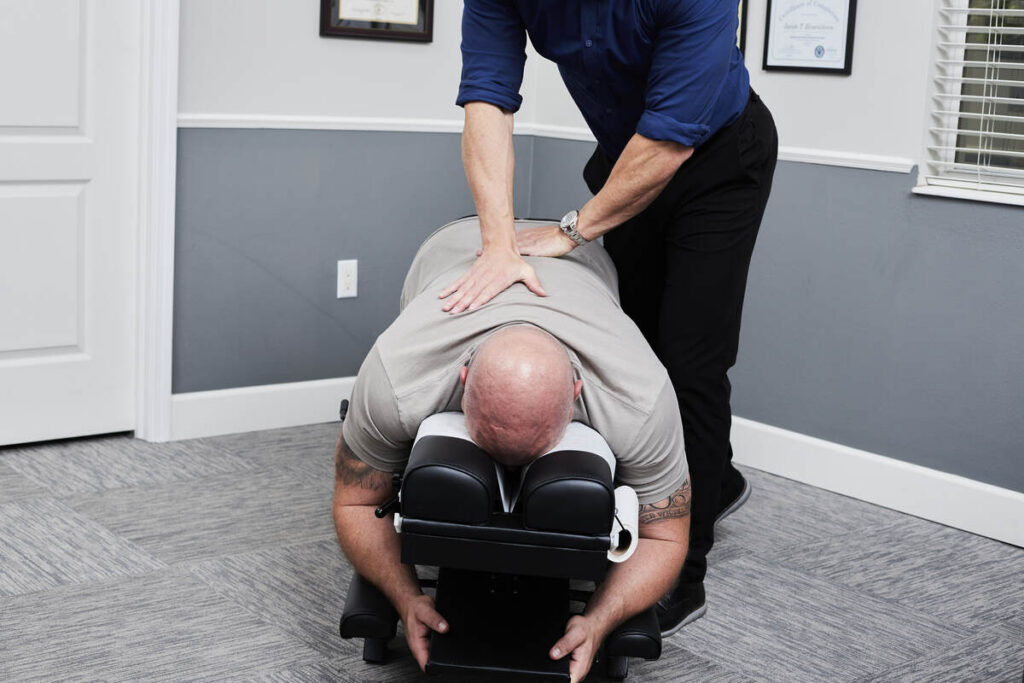

As a local chiropractor, I want to reassure you that if you're dealing with prenatal back pain, you're not alone, and there are effective, natural ways to find relief. First and foremost, let's talk about the importance of maintaining good posture. This can have a substantial impact on your comfort levels throughout your pregnancy. Gentle exercises tailored for expectant mothers can also make a significant difference in alleviating discomfort.
In addition to these practices, consider making simple adjustments to your daily routines. For instance, modifying your seating and sleeping positions can greatly reduce strain on your back. But there's more to it than just posture and movement; understanding the connection between hydration, nutrition, and back health is crucial in managing pain effectively.
Are you curious about the specific strategies that can help provide relief? Together, we can explore these ten approaches that focus on natural healing methods, helping you enjoy a more comfortable pregnancy.
Maintain Proper Posture
As a local chiropractor, I want to emphasize the importance of maintaining proper posture, especially during pregnancy, to help alleviate back pain. Your body undergoes significant changes during this time, which can lead to poor posture habits that strain your back. You may notice yourself slouching or leaning forward as your belly grows, but it's crucial to combat this by standing tall. Keep your shoulders back and ensure your head is aligned over your spine.
When sitting, opt for a chair that provides support for your lower back. It's ideal to keep your feet flat on the floor and avoid crossing your legs. If you're sitting for extended periods, remember to take breaks to stretch or walk around. This will help keep your muscles engaged and reduce stiffness.
For a restful night's sleep, I recommend lying on your side with a pillow between your knees. This position not only promotes spinal alignment but also alleviates pressure on your lower back. If you find it comfortable, consider using a pregnancy pillow for added support.
If you need to stand for long durations, try shifting your weight from one foot to the other. This practice distributes your body weight more evenly and reduces the strain on your back. Engaging your core muscles can also provide additional support to your spine.
By incorporating these posture tips into your daily routine, you can help manage discomfort and promote better spinal health during your pregnancy.
Use Supportive Cushions
As a local chiropractor, I often emphasize the importance of using supportive cushions, especially for those experiencing back pain during pregnancy.
These cushions can play a crucial role in providing the necessary support to help manage discomfort. I encourage you to explore different types of cushions and discover the optimal placement for them in your daily routine.
By integrating these supportive tools, you can significantly enhance your comfort and reduce the strain on your back, promoting a healthier and more enjoyable pregnancy experience.
Types of Supportive Cushions
As a chiropractor, I often see expectant mothers struggling with prenatal back pain, and I want to share some insights on how the right supportive cushions can enhance your comfort during this special time.
There are several types of cushions specifically designed to help alleviate back pain associated with pregnancy.
One effective option is the lumbar support cushion. This cushion is crafted to fit the natural curve of your lower back, providing essential support while you sit. By maintaining proper posture, it can significantly reduce strain on your spine, which is crucial as your body undergoes changes.
Another excellent choice is the wedge cushion. These cushions serve a dual purpose: they elevate your hips and help align your spine, which can relieve pressure on your lower back. They're versatile, making them suitable for both sitting and lying down, so you can use them in various settings throughout the day.
If you're looking for additional comfort, consider incorporating a body pillow into your routine. This long, supportive pillow can be shaped to provide targeted support for your back, belly, or legs, helping you find a comfortable position for sleep or relaxation.
Finally, memory foam cushions are a great option as they contour to your unique body shape. This customized support can adapt to your specific needs, which is particularly beneficial during pregnancy, when comfort is paramount.
By utilizing these types of supportive cushions, you can take proactive steps to alleviate your prenatal back pain and enhance your overall comfort.
If you have any questions or need further guidance, don't hesitate to reach out. Your well-being is my priority!
Proper Cushion Placement
As a local chiropractor dedicated to helping you understand the importance of proper support, I want to share how the placement of cushions can greatly alleviate prenatal back pain.
When you're sitting, it's essential to position a lumbar cushion behind your lower back. This simple adjustment maintains the natural curve of your spine and provides the support your body needs during this special time.
If you find yourself in bed, placing a pillow between your knees can work wonders. This small change keeps your hips aligned, which can significantly relieve pressure on your back and enhance your overall comfort.
When sitting in a chair, opt for a cushion that encourages good posture. Ensure your feet are flat on the ground and your knees are bent at a right angle. If the chair is too high, using a footrest or a smaller cushion under your feet can help maintain proper alignment, which is crucial for reducing strain on your back.
For those moments when you're lying down, consider using a body pillow. It can offer support along your entire body, allowing you to hug it for added comfort for your arms and legs, while also keeping your spine in alignment.
Engage in Gentle Exercise
As a local chiropractor, I want to share the benefits of gentle exercise in managing prenatal back pain.
Incorporating safe workouts and stretching routines into your daily routine can significantly alleviate tension and enhance your overall well-being. Gentle exercise not only helps with pain relief but also supports your body's natural healing processes.
Let's explore some effective options that can easily fit into your lifestyle, promoting both physical health and comfort during this important time.
Safe Prenatal Workouts
As a local chiropractor, I want to emphasize the importance of incorporating gentle exercise into your prenatal routine. Many expectant mothers experience back pain, and engaging in safe prenatal workouts can significantly alleviate discomfort while enhancing your overall well-being.
These exercises not only strengthen your muscles but also improve flexibility and promote relaxation, which are vital during pregnancy. Here are some excellent options to consider:
- Walking: This is a simple yet effective way to stay active without putting undue strain on your body. It encourages circulation and is easy to fit into your daily schedule.
- Swimming: The buoyancy of water provides excellent support, helping to reduce pressure on your back and joints, allowing you to move freely and comfortably.
- Prenatal yoga: Participating in tailored yoga classes can help you learn poses that specifically relieve tension and promote balance, benefiting both your body and mind.
- Stationary cycling: This low-impact exercise keeps your heart rate up while being gentle on your joints, making it a great option for maintaining fitness.
Before starting any exercise routine, it's essential to listen to your body and consult with your healthcare provider. They can give you personalized advice based on your unique situation and needs.
Ideally, aim for at least 30 minutes of gentle activity most days of the week, as consistency is key to reaping the benefits. Not only will these workouts help ease your back pain, but they'll also elevate your mood and energy levels, making your pregnancy experience more enjoyable.
Embrace these activities, and you'll likely feel more comfortable and empowered as you navigate this exciting journey.
Stretching for Relief
As a local chiropractor, I want to share the benefits of gentle stretching for relieving back pain during pregnancy. Incorporating simple stretches into your daily routine can significantly alleviate tension in your back and enhance your overall comfort. It's important to listen to your body, so only engage in movements that feel right for you.
One excellent stretch to consider is the cat-cow stretch. Position yourself on your hands and knees, arch your back upwards like a cat, and then lower it while simultaneously lifting your head and tailbone. This motion promotes flexibility in your spine, which is essential for maintaining a healthy back during pregnancy.
Another beneficial stretch is the seated forward bend. Sit with your legs extended in front of you, and gently reach for your toes. You'll likely feel a nice stretch in your lower back and hamstrings, which can help relieve tightness.
Don't overlook the importance of side bends. Whether standing or seated, reach one arm overhead and lean to the opposite side. This action stretches the muscles along your sides and back, further helping to relieve discomfort.
Remember to breathe deeply and hold each stretch for about 15-30 seconds. Aim to incorporate these stretches into your daily routine, but be careful not to overdo it.
Engaging in these gentle exercises can greatly ease your discomfort and promote relaxation during your pregnancy. As a chiropractor, I encourage you to explore these natural methods for maintaining your well-being throughout this special time.
Practice Prenatal Yoga
As a chiropractor, I want to emphasize the incredible benefits of prenatal yoga for managing back pain during pregnancy. This gentle form of exercise isn't just about movement; it's an essential practice that focuses on stretching, strengthening, and relaxing your body, all of which can significantly help alleviate discomfort in your back.
By incorporating specific poses and breathing techniques, you can improve your flexibility and enhance your overall well-being. Here's what you can expect from integrating prenatal yoga into your routine:
- Strengthened Core Muscles: Engaging your core is crucial during pregnancy. It helps support your growing belly, reducing strain on your back and promoting a healthier spine.
- Improved Posture: Yoga encourages awareness of body alignment, which is vital for maintaining proper posture. This awareness can help minimize back pain and prevent further complications.
- Enhanced Relaxation: The breathing exercises and meditative aspects of yoga are fantastic for reducing stress. A relaxed state is beneficial not only for you but also for your developing baby.
- Increased Blood Circulation: Improved circulation through yoga can help reduce swelling and discomfort, particularly in the lower back, which is common during pregnancy.
Before you begin, I recommend looking for classes specifically designed for pregnant women. These classes cater to your unique needs and ensure that the poses are safe and effective for both you and your baby.
Always listen to your body and feel free to modify poses as needed. Regular practice of prenatal yoga can lead to significant improvements in your back pain and overall comfort as you navigate your pregnancy journey.
Apply Heat or Cold
As a local chiropractor dedicated to helping you find relief from prenatal back pain, I want to share how applying heat or cold can significantly alleviate your discomfort.
Heat therapy is excellent for soothing sore muscles, providing a gentle warmth that can ease tension and promote relaxation. On the other hand, cold therapy is beneficial for reducing inflammation and numbing sharp pain, making it a great choice for acute discomfort.
Many of my patients have found that combining both heat and cold therapies yields the best results. This approach allows you to target different aspects of pain and discomfort, helping you feel more comfortable as your body goes through this beautiful journey of pregnancy.
If you're unfamiliar with these methods, I'm here to guide you through how to safely and effectively use them for your relief. Your well-being is my priority, and together we can explore natural ways to support your health during this special time.
Benefits of Heat Therapy
As a local chiropractor, I want to share the incredible benefits of heat therapy for alleviating prenatal back pain, a common issue faced by many expectant mothers. When heat is applied to the back, it can significantly enhance blood flow, relax tense muscles, and provide a soothing sensation that helps ease discomfort.
Here are some key benefits of utilizing heat therapy:
- Increased Blood Circulation: Heat therapy helps to dilate blood vessels, which promotes better circulation and ensures that essential nutrients are delivered to the affected areas.
- Muscle Relaxation: The warmth from heat therapy works effectively to relax tight muscles, thereby reducing the tension and stiffness that often contributes to back pain during pregnancy.
- Pain Relief: By applying heat, you can help block pain signals to the brain, providing immediate relief from discomfort that can be especially beneficial during this delicate time.
- Improved Flexibility: Incorporating heat can also enhance your range of motion, allowing you to move more freely and comfortably, which is crucial as your body changes throughout pregnancy.
You have a variety of heat sources to choose from, including heating pads, warm towels, or even soaking in a warm bath. Just remember to monitor the temperature to avoid any risk of burns.
Cold Therapy Techniques
As a local chiropractor, I want to share with you how cold therapy can be an effective tool in managing prenatal back pain. Many of my patients have found it to be a refreshing alternative to traditional heat therapy.
Applying cold can significantly reduce inflammation and numb areas of discomfort, providing much-needed relief during this special time.
For a quick and effective cold therapy solution, you can use a cold pack or even a bag of frozen vegetables wrapped in a towel. Just a quick note: it's important to avoid placing ice directly on your skin to prevent frostbite.
When you're ready to try cold therapy, make sure to find a comfortable position. Apply your cold pack to the affected area for about 15 to 20 minutes at a time. This can be repeated several times throughout the day, especially after activities that may exacerbate your back pain.
If at any point you experience discomfort or increased pain, take a break and give your body some time to recover.
Another method you might consider is taking a cool bath or shower. The cool water can help soothe sore muscles and promote relaxation. Just ensure the water isn't too cold so that your experience remains comfortable.
Feel free to experiment with different cold therapy methods to discover what works best for you, and remember, I'm here to guide you.
If you have any questions or need personalized advice, don't hesitate to reach out during your visits. Natural healing is a journey, and I'm here to support you every step of the way.
Combining Both Methods
As a local chiropractor, I often see patients seeking relief from prenatal back pain. One effective approach I recommend is combining both heat and cold therapy. This method allows you to harness the distinct benefits of each technique, promoting healing while alleviating discomfort. Here's how you can get started:
- Reduce Inflammation: Cold therapy is excellent for minimizing swelling and numbing sharp pain, which can be particularly helpful during pregnancy.
- Enhance Blood Flow: Heat therapy works wonders for relaxing tight muscles and improving circulation, providing a soothing effect on your body.
- Promote Relaxation: Applying heat can help ease tension, making you feel more comfortable during this unique time.
- Personalize Your Approach: It's essential to adjust the intensity and duration of these therapies based on your individual needs.
To effectively combine both methods, I suggest starting with cold therapy for about 15-20 minutes to address any inflammation you may be experiencing.
After allowing a few hours to pass, switch to heat therapy, applying it for another 15-20 minutes. Always pay attention to how your body responds; if one method feels more beneficial, trust your instincts.
Finding the right balance that suits you is key.
This combination of therapies can significantly help manage discomfort, allowing you to enjoy your pregnancy more comfortably.
I encourage you to give it a try and observe how your body reacts. If you have any questions or need further guidance, feel free to reach out during your next visit!
Consider Massage Therapy
Have you considered how chiropractic care can alleviate your prenatal back pain? This holistic approach not only provides relief but also helps to restore balance and improve overall body function. As your body undergoes significant changes during pregnancy, the added weight can lead to strain and discomfort. A skilled chiropractor can identify and address specific areas of tension, offering you the relief you need.
Chiropractic adjustments can reduce muscle stiffness and improve your range of motion, making it easier for you to engage in daily activities. Additionally, these adjustments can promote the release of endorphins, the body's natural painkillers, which can enhance your mood and help you feel more relaxed.
The time you spend in the chiropractor's office can also serve as a peaceful escape from the stresses that come with pregnancy.
When seeking chiropractic care, it's crucial to choose a practitioner who specializes in prenatal techniques. They'll understand how to position you safely and effectively, ensuring your comfort throughout your visit. Open communication about your pain and any specific concerns is vital for a successful treatment plan.
Many women discover that regular chiropractic care not only alleviates back pain but also enhances their overall well-being during pregnancy.
Wear Supportive Footwear
As a local chiropractor, I want to highlight the importance of wearing supportive footwear, especially for those managing prenatal back pain. The right shoes can play a crucial role in providing stability, cushioning, and proper alignment, which can significantly reduce the strain on your back during this transformative time.
Pregnancy brings about numerous changes in your body, including increased pressure on your spine, so selecting the right footwear can alleviate some of that discomfort.
When choosing supportive shoes, here are some key features to consider:
- Arch Support: Shoes designed with proper arch support are essential. They help distribute your weight evenly, which can significantly reduce pressure on your lower back.
- Cushioning: Opt for footwear that offers ample cushioning. This feature is important for absorbing shock and providing comfort as you walk, which is crucial when your body is undergoing changes.
- Wide Toe Box: Look for shoes with a wider toe box. This design allows your toes to move freely and can help prevent cramping, ultimately contributing to better balance.
- Non-Slip Sole: A non-slip sole is vital for stability. As your center of gravity shifts during pregnancy, having a reliable grip can help reduce the risk of falls.
When you're out shopping for shoes, I encourage you to try on several pairs to find the best fit for your feet.
Keep in mind that your feet may swell during pregnancy, so it's wise to shop later in the day when they're at their largest. Additionally, consider using orthotic inserts for extra support, as they can enhance comfort and alignment.
By investing time in selecting the right footwear, you can help alleviate some of the stress on your back and enjoy a more comfortable pregnancy.
Stay Hydrated and Nourished
As a local chiropractor, I want to emphasize the importance of staying hydrated and well-nourished, especially for those managing prenatal back pain. Proper hydration is crucial for maintaining the elasticity of your spinal discs, which can significantly reduce discomfort and stiffness.
I recommend aiming for at least eight to ten cups of water daily, and even more if you're active or live in a warm climate. Keeping a water bottle handy can serve as a helpful reminder to stay on top of your hydration throughout the day.
Nutrition is another key component of your overall physical well-being during pregnancy. A balanced diet that includes plenty of fruits, vegetables, whole grains, and lean proteins provides essential vitamins and minerals for both you and your developing baby.
Foods that are high in calcium and magnesium, such as leafy greens and nuts, are particularly beneficial for strengthening your bones and muscles, which can help alleviate some of the strain on your back.
Additionally, incorporating Omega-3 fatty acids from sources like fish, flaxseeds, and walnuts can help reduce inflammation, potentially easing back pain. It's also important to include fiber-rich foods in your diet to prevent constipation, as this can contribute to discomfort that exacerbates back pain.
I encourage you to be mindful of your portion sizes; overeating can lead to weight gain that places additional stress on your back. Instead, try focusing on smaller, more frequent meals to help maintain your energy levels throughout the day.
Sleep on Your Side
As a local chiropractor, I understand that getting adequate rest is crucial for managing prenatal back pain. The way you sleep can significantly impact your comfort and overall well-being during this important time. One effective strategy I often recommend to my patients is sleeping on your side, especially your left side. This position can greatly enhance blood circulation for both you and your baby, while also reducing pressure on your spine and pelvis.
Here are some key benefits of side sleeping during pregnancy that I'd like you to consider:
- Enhanced Circulation: Sleeping on your left side can promote better blood flow, which may help alleviate swelling and discomfort in your body.
- Reduced Pressure: This position minimizes strain on your back and hips, which can lead to less discomfort and pain throughout your pregnancy.
- Improved Kidney Function: Side sleeping can enhance kidney function, potentially reducing fluid retention and swelling, which is often a concern during pregnancy.
- Better Fetal Positioning: This position encourages optimal fetal positioning, which could facilitate a smoother labor experience.
To help you get comfortable, I recommend using pillows for additional support. Placing a pillow between your knees can help align your hips and reduce strain on your lower back. Additionally, many of my patients find pregnancy pillows helpful, as they provide extra support for both your belly and back.
If you're having difficulty transitioning to side sleeping, consider propping yourself up with pillows or adjusting your mattress for enhanced support. The goal is to find a sleeping position that feels comfortable for you while promoting restorative rest.
Consult a Healthcare Professional
As a local chiropractor specializing in prenatal care, I want to emphasize how crucial it's to seek professional help when dealing with back pain during pregnancy. Understanding the changes your body undergoes can significantly enhance your comfort and well-being.
Whether you're feeling mild discomfort or experiencing significant pain, expert guidance is essential not only for your health but also for the health of your baby.
During your visit, I'll ask you to share detailed information about your symptoms. This will include when the pain began, how intense it is, and any activities that seem to exacerbate it. This insight allows me to develop a personalized treatment plan tailored to your unique needs.
I often recommend gentle chiropractic adjustments, physical therapy, or prenatal yoga that can help strengthen your back and improve your posture, all while ensuring safety for you and your baby.
In addition to chiropractic adjustments, I may also suggest complementary therapies that can help alleviate discomfort, such as heat therapy. I focus on natural healing methods to promote overall wellness, empowering your body to heal itself.
It's vital to monitor any changes in your condition. If you notice that your pain worsens or if you experience any new symptoms, please don't hesitate to reach out.
I'm here to support you through any challenges that may arise during your pregnancy, ensuring you have the best possible experience as you prepare for your new arrival.
Conclusion
As a local chiropractor, I want to share some effective strategies that can significantly alleviate prenatal back pain. It's important to prioritize your posture and stay active through gentle exercises and yoga, as this can help support your body during pregnancy. Consider using supportive cushions and wearing appropriate footwear to provide your back with the necessary support. Staying hydrated is also crucial for overall wellness.
I recommend focusing on side sleeping, which can help relieve pressure on your back. Additionally, consulting with a healthcare professional, like a chiropractor, can provide tailored advice and treatments that promote natural healing and enhance your comfort. Remember, taking care of yourself not only benefits you but also your baby. Integrating these practices into your daily routine can make a meaningful difference in your journey to wellness.