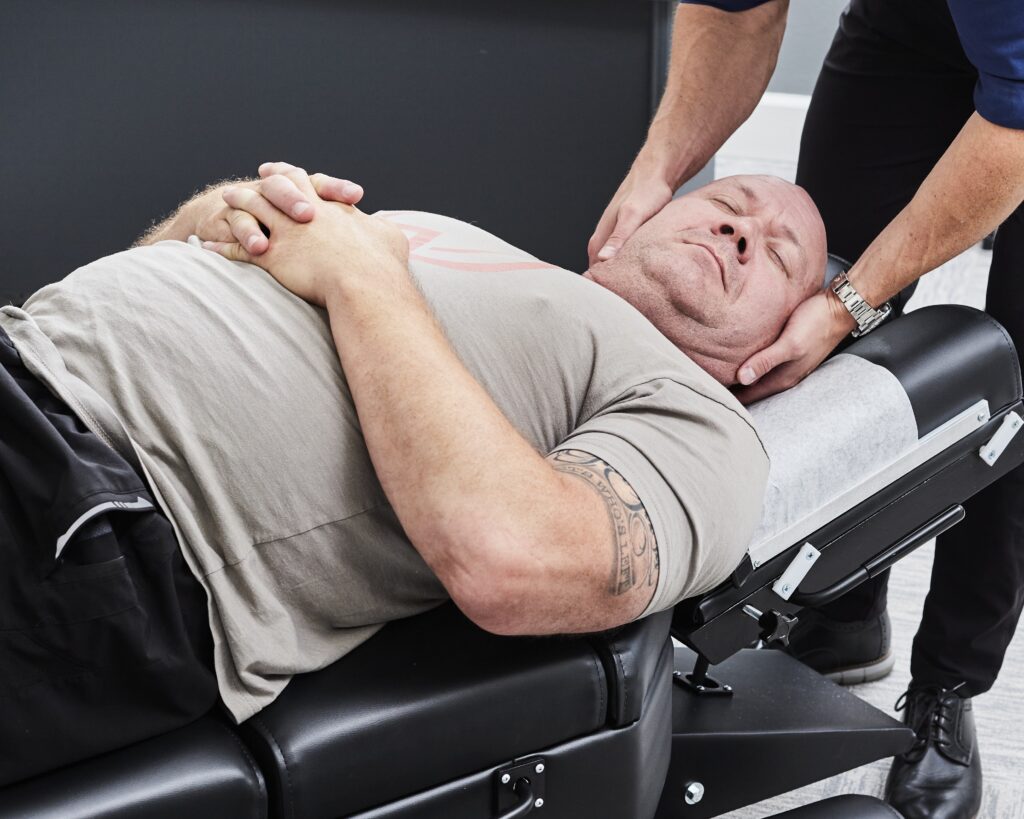
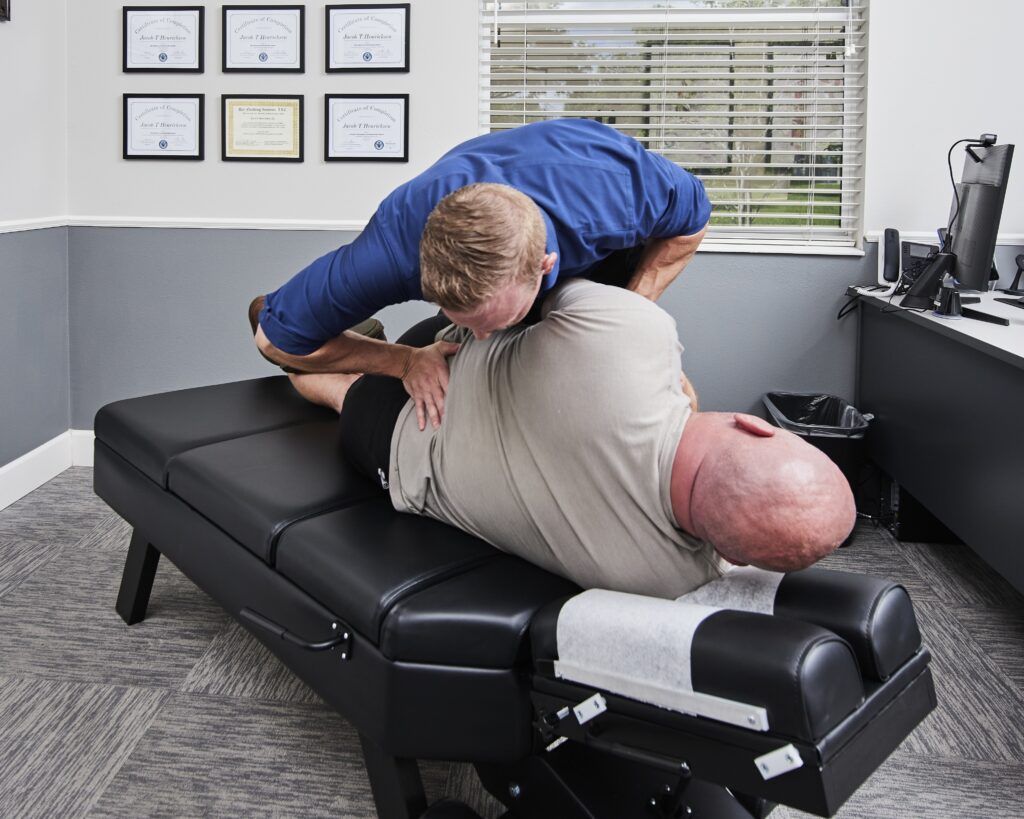
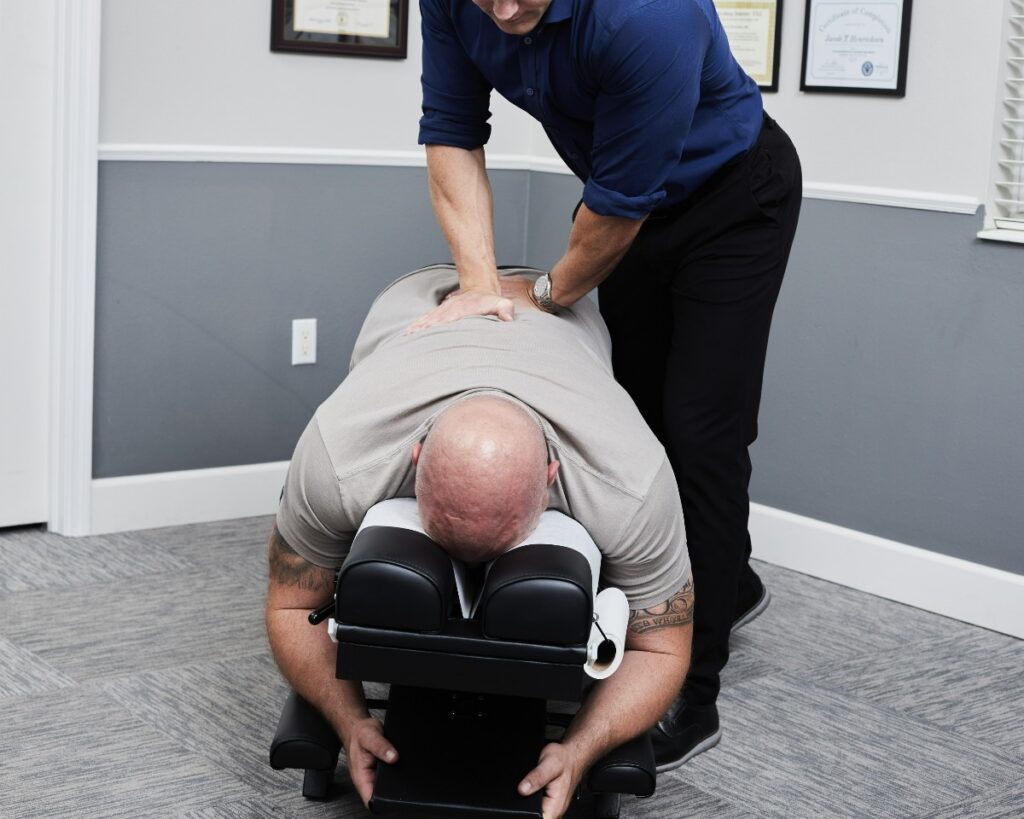
As a local chiropractor, I want to share how important adjustments can be in enhancing your flexibility—something you may not have thought about before. By realigning your spine and joints, we help improve your posture and relieve tension in tight muscles, which ultimately expands your range of motion. But there's even more to it—these adjustments can also enhance your circulation and proprioception, which are essential for better body awareness.
If you're curious about how these aspects connect with specific techniques and routines, let me guide you through the ten ways adjustments can elevate your flexibility to new heights. It's all part of a holistic approach to health that can truly transform your well-being.
Dynamic Stretching Techniques
As a chiropractor, I often emphasize the importance of dynamic stretching techniques for preparing your body before engaging in physical activities. Unlike static stretches, which require you to hold a position, dynamic stretches involve movement. This movement not only increases blood flow to your muscles, but it also enhances your range of motion, which is crucial for optimal performance and injury prevention.
Let's start with leg swings. Position yourself next to a wall or a sturdy surface for support, and swing one leg forward and backward. This simple motion effectively warms up the hip flexors, hamstrings, and glutes. Aim for about 10 to 15 swings on each leg to really get those muscles ready.
Next, I recommend incorporating walking lunges into your routine. Step forward into a lunge, making sure your front knee stays aligned with your ankle. This exercise activates your quadriceps, hamstrings, and glutes while also stretching your hip flexors. Perform 10 lunges on each leg for a balanced warm-up.
Another great technique is arm circles. Extend your arms out to the side and start making small circles, gradually increasing the size of the circles. This movement is fantastic for warming up your shoulders and improving upper body flexibility. Aim for about 30 seconds in one direction before switching to the opposite direction.
Lastly, don't overlook torso twists. Stand with your feet shoulder-width apart and gently twist your upper body from side to side, allowing your arms to follow the motion. This exercise helps to loosen your spine and engage your core, which is essential for maintaining good alignment and stability.
By incorporating these dynamic stretching techniques into your warm-up routine, you can effectively prepare your body for the demands of your workout. This not only enhances your performance but also significantly reduces your risk of injury.
Consistent Warm-Up Routines
As a chiropractor, I want to emphasize the importance of a consistent warm-up routine for anyone looking to improve their overall fitness and well-being. Properly warming up is essential not only for maximizing your workout effectiveness but also for minimizing the risk of injury.
When you take the time to engage in a warm-up, you're preparing your muscles, joints, and cardiovascular system for the more intense activities that lie ahead. This preparation increases blood flow and enhances your range of motion, which can significantly improve your performance and flexibility during workouts.
I recommend setting aside 10 to 15 minutes before each workout for an effective warm-up. Start with light aerobic exercises, such as jogging or jumping jacks, to elevate your heart rate. This initial step gets your blood circulating and helps loosen your muscles.
Following that, incorporate dynamic stretches that mimic the movements you'll be performing during your workout. For example, if you plan to go for a run, include leg swings and high knees in your warm-up routine.
Consistency is key to reaping the benefits of warming up. By establishing a routine that you can stick to, you create a habit that supports your overall fitness journey. Over time, you're likely to notice improved flexibility and reduced muscle stiffness.
Moreover, a consistent warm-up allows you to mentally transition into your workout, helping you focus and optimize each session. It's also important to listen to your body during your warm-up. If something doesn't feel right, don't hesitate to adjust your routine.
Incorporating Yoga Practices
Incorporating yoga practices into your wellness routine can significantly improve your flexibility and overall health, which is essential for maintaining a balanced spine and optimal nervous system function.
Yoga not only stretches and lengthens your muscles but also promotes better balance and posture—key elements in chiropractic care. By integrating yoga into your lifestyle, you can enjoy a variety of benefits that will complement your chiropractic treatment and enhance your physical capabilities.
Here are four effective ways to get started with yoga that I recommend to my patients:
- Choose the Right Style: There are various styles of yoga, such as Hatha, Vinyasa, and Yin. Each style has its own focus on flexibility and healing. Take the time to explore these options and find one that aligns with your needs and preferences.
- Practice Regularly: Consistency is vital for experiencing the benefits of yoga. Aim for at least two to three sessions per week. Even engaging in short 15-20 minute sessions can lead to significant improvements in your flexibility and overall well-being over time.
- Focus on Breath: Deep and mindful breathing is crucial in yoga, as it helps release tension and allows your body to stretch more effectively. I encourage you to synchronize your movements with your breath during each pose to enhance the healing process.
- Incorporate Poses for Flexibility: Include specific poses such as Downward Dog, Forward Bend, and Pigeon Pose in your routine. These positions target various muscle groups and promote a greater range of motion, which is beneficial for spinal health.
Foam Rolling Benefits
As a chiropractor dedicated to promoting natural healing and overall wellness, I want to share the benefits of foam rolling as a valuable addition to your health regimen. While yoga is undoubtedly beneficial for enhancing flexibility, foam rolling can serve as a powerful complement to your practice. This technique is designed to release muscle tightness, alleviate soreness, and improve mobility, making it an excellent tool in your journey toward optimal health.
When you engage in foam rolling, you're essentially practicing self-myofascial release. This technique focuses on the fascia, the connective tissue surrounding your muscles. By applying targeted pressure with the foam roller, you can break up knots and adhesions, allowing your muscles to relax and lengthen. This process can significantly increase your range of motion, which is crucial for flexibility and overall physical performance.
Furthermore, foam rolling enhances blood circulation to your muscles. Improved blood flow means that more oxygen and nutrients are delivered to your tissues, which aids in recovery and reduces the likelihood of injury. Many of my patients report feeling a noticeable difference in their body after just a few foam rolling sessions.
Incorporating foam rolling into your routine is simple and only requires a few minutes before or after your workouts. I recommend focusing on areas that feel tight or sore and spending a bit more time on those specific spots to maximize the benefits.
Additionally, using a foam roller before your yoga practice can serve as an effective warm-up. It prepares your muscles for deeper stretches, enabling you to fully benefit from your yoga sessions.
Targeted Muscle Strengthening
As a local chiropractor, I want to emphasize the importance of targeted muscle strengthening for your overall health and well-being.
Engaging the key muscle groups that support your daily activities can significantly enhance your joint stability, which in turn helps to reduce the risk of injuries. Many of my patients are surprised to learn how strengthening specific muscles can lead to improved flexibility and better performance in their everyday lives.
By focusing on these areas, you can't only support your chiropractic care but also promote natural healing and maintain a healthier, more active lifestyle.
Let's work together to explore the benefits of targeted muscle strengthening and how it can contribute to your overall wellness.
Strengthening Key Muscle Groups
As a local chiropractor, I want to share the importance of strengthening key muscle groups to enhance your overall flexibility and performance. Many people mightn't realize that by focusing on specific muscles, you can significantly improve your strength and support your body's ability to stretch and move efficiently.
Here are four essential muscle groups that you should consider targeting:
- Core Muscles: Your core is the foundation of your body. A strong core stabilizes your entire frame and allows for better control of your movements, which directly influences your flexibility. This is crucial for maintaining proper posture and preventing injuries.
- Hip Flexors: These muscles play a vital role in your leg movements and overall posture. By strengthening your hip flexors, you can enhance your range of motion in the hips, making daily activities easier and more comfortable.
- Hamstrings: Strong hamstrings are essential for supporting your lower back and legs. They help you stretch effectively and can ease the strain associated with various physical activities. Strengthening this muscle group can lead to improved functional movements.
- Shoulders: Strengthening your shoulder muscles can greatly improve your upper body flexibility. This allows for greater mobility in activities such as reaching and lifting, which are common in daily life and sports.
I encourage you to incorporate exercises that target these muscle groups into your routine. You'll likely notice a significant increase in your overall flexibility.
Remember, it's not just about stretching; strengthening these key areas plays a crucial role in achieving optimal flexibility and performance. With consistent effort, you can expect to see substantial improvements in your functional movements and overall athletic ability, which can contribute to better health and well-being.
As your chiropractor, I'm here to support you on this journey to natural healing and improved physical performance.
Enhancing Joint Stability
As a local chiropractor, I want to emphasize the importance of joint stability in addition to flexibility for your overall movement and performance. When your joints are stable, you not only reduce the risk of injury but also enhance your ability to perform daily activities and exercises more effectively.
A crucial aspect of achieving this stability is through targeted muscle strengthening. I recommend starting with exercises that focus on the muscles surrounding your joints. For example, squats and lunges are excellent for strengthening the knees and hips. These movements not only build muscle but also improve your body's proprioception, which is essential for maintaining balance and control.
It's also important to focus on your core. A strong core acts as a stabilizing anchor for your entire body, making it easier to execute movements with precision. Incorporating exercises like planks, bridges, and rotational movements can significantly enhance your core strength.
Don't overlook your upper body either. Engaging in exercises such as push-ups, rows, and shoulder presses will help improve shoulder stability, which is vital for many activities.
As you strengthen these key muscle groups, you'll likely notice improvements in your overall performance and flexibility. Keep in mind that joint stability and flexibility work together; by focusing on both, you can achieve optimal results in your physical activities and enhance your overall well-being.
If you have any questions about how to implement these exercises safely or how chiropractic care can support your journey, feel free to reach out.
Proper Hydration Strategies
As a local chiropractor, I want to emphasize the importance of staying properly hydrated for your overall health and flexibility. Proper hydration plays a crucial role in helping your muscles and joints function optimally, allowing you to move more freely and comfortably.
When you're dehydrated, you may experience stiffness, cramping, and a limited range of motion, which can negatively impact your flexibility and overall well-being. Here are some hydration strategies I recommend to help you stay at your best:
- Drink Water Throughout the Day: It's important to make hydration a habit. Try to sip water regularly rather than waiting until you're thirsty. Keeping a reusable water bottle with you can be a helpful reminder to drink more often.
- Listen to Your Body: Pay close attention to the signals your body sends. If you notice your urine is dark yellow, it's a clear indication that you need to increase your fluid intake. Strive for light-colored urine as a sign of good hydration.
- Incorporate Hydrating Foods: Don't forget that many fruits and vegetables are excellent sources of hydration. Foods like cucumbers, watermelon, and oranges not only nourish your body but also help maintain your fluid levels.
- Adjust Your Intake Based on Activity: If you're engaging in physical activity or find yourself in a warm environment, it's essential to boost your water intake. During intense workouts, consider electrolyte drinks to help replenish essential minerals lost through sweat.
By adopting these hydration strategies, you can support your body's functionality and enhance your overall health.
Mindful Breathing Exercises
As a local chiropractor, I want to share with you how mindful breathing exercises can significantly enhance your flexibility and overall well-being. When you focus on your breath, you cultivate a sense of awareness and relaxation, both of which are crucial for achieving mental and physical flexibility. Engaging in mindful breathing activates your parasympathetic nervous system, which plays a vital role in reducing stress and tension throughout your body. Lowering stress levels allows your muscles to relax, making it easier for you to stretch and enhance your overall flexibility.
To get started, find a comfortable position—whether sitting or lying down. Close your eyes and take a deep breath in through your nose, allowing your abdomen to fully expand. Hold that breath for a moment, and then gently exhale through your mouth. Repeat this cycle several times, concentrating solely on the rhythm of your breath. As you inhale, visualize fresh energy filling your body, and as you exhale, imagine releasing any tightness or discomfort you may be holding onto.
Incorporating mindful breathing into your daily routine not only improves your flexibility but also fosters a deeper awareness of your body. As you become more in tune with your breath, you'll start to notice how it affects your movements and stretches. This increased awareness can help you make more effective adjustments to your movements, ultimately leading to improved performance in physical activities.
Mindful breathing exercises are a simple yet powerful tool that can contribute to your flexibility and overall health. By dedicating just a few minutes each day to this practice, you'll likely observe a positive transformation in both your physical body and mental state.
This holistic approach complements chiropractic care and natural healing, supporting your journey towards better well-being.
Adjusting Posture Awareness
As a local chiropractor, I want to emphasize the importance of good posture for your overall well-being and flexibility. Many people may not realize how much their posture affects their daily life and physical health.
By incorporating simple postural adjustment techniques into your everyday routine, you can experience significant improvements in how you feel and move.
Let's delve into some practical practices that can enhance your posture awareness throughout the day, helping you lead a healthier, more active lifestyle.
Importance of Good Posture
As a chiropractor, I want to emphasize the critical role that posture plays in your overall health and wellness. Many people may not realize that the way you hold your body can significantly impact both your physical health and mental state.
By maintaining good posture, you're not just standing tall; you're enhancing your body's performance and boosting your self-confidence. Here are some important reasons why good posture is essential:
- Reduces Pain: Proper alignment is key to alleviating common issues like back, neck, and shoulder pain. When your body is aligned correctly, you can move more freely and comfortably, reducing discomfort that may be affecting your daily life.
- Improves Breathing: Good posture allows your chest and lungs to expand fully, which facilitates deeper and more effective breathing. This not only helps you feel more energized but also supports your overall vitality.
- Enhances Circulation: When you sit or stand correctly, you promote better blood flow. Improved circulation ensures that your muscles and organs receive the oxygen and nutrients they need to function optimally, which is vital for your health.
- Boosts Confidence: Did you know that your posture can influence your mood and self-esteem? Standing up straight can make you feel more assertive and engaged in social situations, positively impacting your interactions with others.
As your chiropractor, I encourage you to pay attention to your posture throughout the day. Small adjustments can lead to significant improvements in your health and well-being.
If you have questions or need guidance on how to improve your posture, don't hesitate to reach out. Your journey to better health starts with how you hold your body!
Techniques for Postural Adjustment
As a local chiropractor, I want to emphasize that awareness is the foundational step in achieving effective postural adjustments. It's important to tune into your body's alignment throughout your daily activities. Pay attention to how your head, shoulders, and spine relate to one another, and notice where you might be carrying tension. When you find yourself slumping or leaning, gently remind yourself to correct your posture.
One effective technique to reinforce good posture is through conscious breathing. Take deep breaths that fill your diaphragm; this not only opens up your chest but also helps align your spine. This practice enhances your physical posture while promoting relaxation, which is essential for overall well-being.
Incorporating simple stretches into your daily routine can also counteract the effects of poor posture. For example, performing shoulder rolls can help release tension, and neck stretches can alleviate stiffness. These movements will gradually improve your body awareness and encourage better alignment.
To support your posture awareness, consider using visual cues. Placing reminders in your workspace or home can prompt you to check your posture regularly. Activities like yoga or Pilates can also be beneficial, as they focus on body awareness and can significantly enhance your ability to make postural adjustments.
By consistently practicing these techniques, you'll develop a greater sense of body awareness and improve your overall posture. Remember, making these small adjustments can lead to significant benefits for your health and well-being.
If you have any questions or need further guidance, feel free to reach out or schedule a visit. Your journey towards better posture and natural healing starts with awareness!
Daily Posture Awareness Practices
As a local chiropractor, I want to emphasize the importance of maintaining good posture in your daily life. Many people are unaware of how their body mechanics can affect their overall health, leading to discomfort and limiting flexibility.
Here are four straightforward posture awareness practices that I recommend for you to incorporate into your daily routine:
- Mindful Sitting: When sitting, ensure your feet are flat on the floor, your back is straight, and your shoulders are relaxed. Choose a chair that provides proper support for your lower back. This simple adjustment can significantly reduce strain on your spine.
- Standing Checks: Take a moment throughout your day to evaluate your posture while standing. Make sure your weight is evenly distributed across both feet, and avoid locking your knees. Good alignment can help prevent unnecessary stress on your joints.
- Screen Positioning: Adjust your computer screen to eye level. This positioning encourages a neutral neck alignment, which can help reduce tension in your back and neck. Proper ergonomics at your workstation is crucial for long-term health.
- Frequent Breaks: I recommend setting a timer to remind yourself to take breaks every hour. Stand up, stretch, and walk around. These little pauses not only reset your posture but also promote better circulation throughout your body.
By integrating these practices into your daily life, you can significantly improve your posture and enhance your overall flexibility.
Regular Rest and Recovery
As a local chiropractor, I want to emphasize the crucial role that regular rest and recovery play in your overall health and flexibility, especially if you're new to chiropractic care and natural healing. Your muscles and connective tissues require adequate time to repair and adapt after engaging in physical activities or intense stretching. By allowing your body to rest, you're actively facilitating the recovery of your muscles, which can lead to improved flexibility over time.
It's essential to ensure that you're taking proper breaks between your stretching sessions. This doesn't mean you have to be completely sedentary; incorporating gentle movements such as walking or light yoga can promote blood flow while minimizing strain on your muscles. These low-impact activities are excellent for maintaining your flexibility as your body recuperates.
Pay attention to what your body is telling you. If you experience tightness or discomfort, this is a clear indication that it's time to rest. Ignoring pain and pushing through can result in injuries that hinder your progress. Embracing the concept of recovery means understanding when to take it easy and when to challenge your limits.
I also recommend adding restorative practices to your routine, such as foam rolling or massage therapy. These techniques can effectively relieve muscle tension and enhance blood circulation, further supporting your flexibility and wellness journey.
Lastly, don't underestimate the significance of quality sleep. Adequate sleep is essential for muscle recovery and overall performance. Aim for 7-9 hours of uninterrupted sleep each night to ensure your body has the necessary time to heal and rejuvenate.
As your chiropractor, I'm here to guide you on this journey towards better health and flexibility, so feel free to reach out if you have any questions or need further assistance.
Utilizing Flexibility Apps
As a local chiropractor, I often see patients who want to improve their flexibility as part of their overall wellness journey. Flexibility apps can play a significant role in this process, acting as valuable tools to enhance your stretching routines and monitor your progress.
These apps typically feature guided stretches tailored to various skill levels, which can be particularly helpful for those new to flexibility training.
When selecting the right flexibility app for your needs, consider what features resonate with you, such as video demonstrations, personalized plans, or progress tracking.
Top Flexibility Apps
As a local chiropractor dedicated to educating my patients about the benefits of natural healing and flexibility, I want to share some resources that can support your journey towards improved flexibility.
Incorporating flexibility into your routine is essential for overall health, and there are several apps that can help guide you. These tools not only assist in following routines but also enable you to track your progress and stay motivated along the way.
Here are four standout flexibility apps I recommend:
- StretchIt: This app provides a variety of stretching routines designed to cater to your individual skill level. Whether you're interested in mastering splits, backbends, or other techniques, StretchIt offers tailored options to help you improve safely.
- ROM Coach: Focused on enhancing your range of motion, ROM Coach creates personalized flexibility routines based on your specific goals. It features video demonstrations to ensure you're performing each stretch correctly, which is crucial for preventing injuries.
- Yoga Studio: If you enjoy the mind-body connection that yoga provides, this app offers classes that prioritize flexibility. With a range of sessions from beginner to advanced, you can find the right fit for your current abilities while working towards your flexibility goals.
- Flexibility & Stretching: This straightforward app offers simple stretching routines that you can do virtually anywhere. With easy-to-follow instructions and built-in timers, it's perfect for those looking for quick and effective flexibility solutions amidst a busy schedule.
Utilizing these apps can significantly enhance your flexibility journey, making it easier to incorporate healthy practices into your daily life.
Features to Consider
As a local chiropractor, I want to help you understand how choosing the right flexibility app can significantly enhance your progress in achieving better mobility and overall well-being. When exploring various options, it's crucial to consider features that align with your individual needs and goals.
First and foremost, look for personalized workout plans within the app. An application that customizes routines based on your current flexibility level can facilitate more effective progress. Tailoring exercises to your unique capabilities helps ensure that you're working towards your flexibility goals in a safe and efficient manner.
Next, pay attention to instructional videos. Having clear demonstrations is essential for performing each stretch correctly. Proper form is vital not only for maximizing the benefits of your routine but also for preventing injuries, which we frequently encounter in chiropractic practice.
Another key feature to look for is goal setting. An app that enables you to establish and monitor your goals can provide a sense of accountability, which is crucial for motivation. Tracking your progress encourages you to stay committed to your flexibility journey.
Additionally, community support can be an invaluable resource. Many apps include forums or social features that allow you to connect with others on a similar path. Sharing progress, experiences, and tips can create a supportive environment that fosters encouragement and growth.
Lastly, don't underestimate the importance of a user-friendly interface. A clean and easy-to-navigate design won't only enhance your experience but also make your routine more enjoyable, which is vital in maintaining consistency.
By focusing on these features, you'll be better equipped to choose an app that not only addresses your flexibility needs but also keeps you engaged and motivated in your journey toward improved mobility and overall health.
Tracking Progress Effectively
Tracking your progress effectively is crucial in your journey toward improved flexibility, and using the right tools can significantly enhance your experience. As a chiropractor, I believe that understanding your progress not only motivates you but also helps you make informed decisions about your health.
Here are some ways to maximize your flexibility journey:
- Set Clear Goals: It's important to identify what you aim to achieve—whether it's mastering a split, enhancing your reach, or simply increasing your overall flexibility. By setting clear, achievable goals, you can maintain focus and direction in your pursuits.
- Log Your Workouts: Keep a record of your stretching sessions, including duration and techniques used. Documenting this information allows you to identify patterns in your routine, helping you to make necessary adjustments that align with your body's needs.
- Monitor Progress: Many apps and tools enable you to visualize your improvements over time. Regularly reviewing your progress can be very encouraging, giving you insight into how far you've come and reinforcing your commitment to your flexibility goals.
- Join a Community: Engaging with others on your flexibility journey can provide valuable support. Many apps offer community forums where you can connect with fellow users. Sharing tips, challenges, and successes with others can enhance your commitment and inspire new ideas for your practice.
As your chiropractor, I encourage you to take an active role in your flexibility journey, using these strategies to track your progress and promote your overall well-being.
Conclusion
As a local chiropractor, I want to share how incorporating adjustments into your routine can significantly enhance your flexibility. By integrating dynamic stretching, yoga, and mindful breathing techniques, you can improve your body awareness and alleviate tension. It's essential to prioritize consistent warm-ups, targeted strengthening exercises, and foam rolling to aid in recovery.
Pay attention to your posture throughout the day and remember to take regular breaks to avoid stiffness. Utilizing flexibility apps can also help you monitor your progress and stay motivated. By adopting these strategies, not only will you see improvements in your flexibility, but you'll also enhance your overall physical performance and well-being. Embracing chiropractic care can be a vital part of this journey, supporting your body's natural healing processes and promoting a healthier lifestyle.