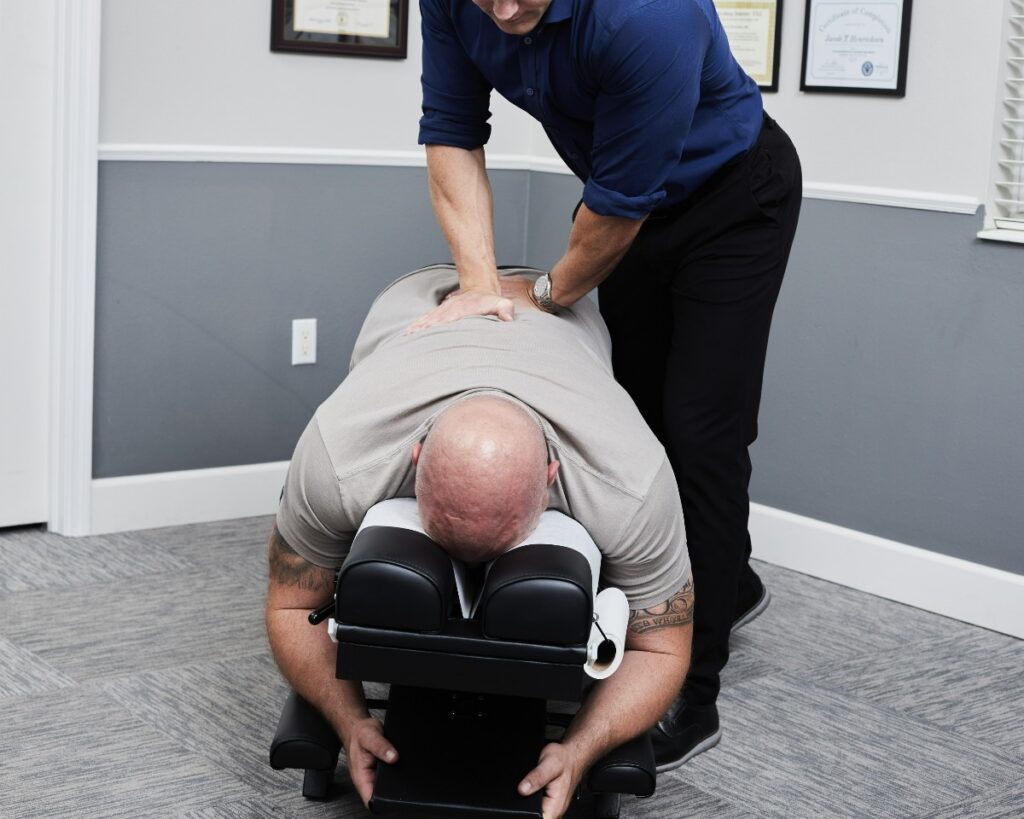

As a local chiropractor, I want to share how adopting a natural approach can significantly improve your well-being while managing a neurological disorder. Many people overlook the impact of simple daily changes—such as what you eat, how you move your body, and the mindfulness practices you engage in—on your brain function. By focusing on these areas, you can cultivate a supportive environment for both your mind and body.
If you're curious about how to effectively implement these strategies, I'm here to offer guidance. Here are some tips that can help you on this journey toward better health and vitality. Remember, chiropractic care is about more than just spinal adjustments; it's about nurturing your whole being for optimal function.
Prioritize a Balanced Diet
As a local chiropractor, I want to share with you the vital role that a balanced diet plays in supporting not just your overall health, but specifically your neurological well-being. By nourishing your body with a diverse range of nutrients, you can enhance brain health and promote a sense of balance in your daily life.
Incorporating whole foods into your meals is key—think fruits, vegetables, whole grains, lean proteins, and healthy fats. These components each offer essential nutrients that can boost cognitive function and help stabilize your mood, which is crucial for maintaining overall wellness.
Fruits and vegetables are particularly important; they're rich in antioxidants that help protect your brain cells from oxidative stress. Aim for a colorful plate, as different colors signify different vitamins and minerals. Leafy greens like spinach and kale, berries packed with antioxidants, and zesty citrus fruits that provide vitamin C are all excellent choices.
Whole grains, such as quinoa and brown rice, are fantastic sources of fiber and energy. They help keep your blood sugar levels steady, which is critical for optimal cognitive function. Lean proteins—think chicken, fish, and legumes—are also important, as they support the synthesis of neurotransmitters and overall brain health. Omega-3 fatty acids found in fatty fish like salmon are particularly beneficial for reducing inflammation and enhancing cognitive function.
Don't overlook the importance of healthy fats, either. Avocados, nuts, and olive oil are great options that support cell structure and function in the brain. While it might be tempting to reach for processed snacks, these often lack the nutrients that your brain truly needs. Instead, I encourage you to prepare meals focused on whole, unprocessed foods to help your body—and brain—function at their best.
Regular Physical Activity
As a local chiropractor, I want to emphasize the significant role that regular physical activity plays in enhancing your overall well-being, particularly if you're managing a neurological disorder.
Engaging in consistent exercise can elevate your mood, increase your energy levels, and even sharpen cognitive function.
Let's discuss the types of exercises that can be particularly beneficial for you and how you can seamlessly integrate them into your daily routine.
Whether it's gentle stretching, low-impact aerobics, or even balance exercises, we can tailor a program that suits your needs and complements your chiropractic care.
Benefits of Exercise
As a local chiropractor, I want to share with you the incredible benefits of exercise, especially in the context of supporting your overall well-being and managing neurological disorders. Engaging in regular physical activity isn't only vital for your physical health but also plays a crucial role in enhancing your mental health.
Many individuals with neurological conditions experience heightened feelings of anxiety and depression, and exercise can be a powerful tool to combat these feelings. When you move your body, it releases endorphins—natural chemicals that promote feelings of happiness and relaxation.
In addition to mood improvement, physical activity is essential for boosting cognitive function. It increases blood circulation to the brain, which can enhance your memory and concentration. This is particularly important for those facing neurological challenges, as cognitive decline can often be a significant concern.
Exercise also contributes to your physical health by building strength, flexibility, and endurance. These improvements can enhance your mobility and reduce the risk of falls, which is vital for maintaining your independence. Regular physical activity is also linked to better cardiovascular health, which is closely associated with optimal brain function.
Furthermore, establishing a consistent exercise routine can provide you with a sense of structure and accomplishment in your daily life. Finding an activity that you enjoy—whether it's a brisk walk, yoga, or dancing—can make all the difference.
Incorporating these activities into your routine not only benefits your mind and body but also aligns perfectly with the principles of chiropractic care and natural healing. Embrace the journey towards a healthier you, and remember that your body will thank you for it!
Types of Activities
As a local chiropractor, I want to emphasize the importance of incorporating various types of activities into your daily routine, especially when managing neurological disorders. Engaging in regular physical activity can significantly enhance your overall health and well-being, and it doesn't have to involve a gym membership. There are numerous movements and exercises that can be tailored to your individual needs and preferences.
Let's start with aerobic exercises—simple activities like walking, cycling, or swimming are excellent choices. These exercises not only boost your cardiovascular health but also contribute to your mental well-being. I recommend aiming for at least 150 minutes of moderate-intensity aerobic activity each week to reap the benefits.
Strength training is another crucial component of a well-rounded fitness routine. It helps build muscle, improve balance, and support your body as it heals. You can use resistance bands, weights, or even your own body weight to perform these exercises effectively.
Don't forget about flexibility and balance exercises, which are key in maintaining your physical health. Practices like yoga and tai chi are fantastic options that promote relaxation, improve coordination, and enhance mental clarity. These activities can also help alleviate stress, which is often a contributor to neurological symptoms.
Additionally, consider incorporating recreational activities such as dancing or hiking into your routine. Not only do these activities keep you physically active, but they also add an element of fun, which helps maintain your motivation. By mixing different types of exercises, you'll keep your workouts engaging and varied, making it easier to stay consistent.
Remember, the most important aspect is to discover what you enjoy and incorporate it into your life. As a chiropractor, I believe that finding joy in movement is essential for achieving long-term health and wellness.
Practice Mindfulness and Meditation
As a local chiropractor, I want to share how mindfulness and meditation can be powerful allies in managing your health, particularly if you're dealing with neurological disorders. These practices not only help reduce stress but also promote emotional balance and overall well-being, which is crucial in supporting your body's natural healing processes.
Here are three key benefits you may experience by incorporating mindfulness and meditation into your routine:
- Reduced Stress Levels: Mindfulness and meditation encourage relaxation, which can significantly lower stress levels. When your body is under less stress, it can function more optimally, potentially leading to fewer flare-ups of your symptoms and better management of your condition.
- Enhanced Focus and Clarity: Engaging in mindfulness practices can boost your concentration and cognitive function. This is especially useful for individuals facing memory challenges or cognitive decline related to neurological conditions. By improving your mental clarity, you can support your overall health journey.
- Better Emotional Health: Regular meditation fosters self-awareness and helps regulate emotions. This can lead to a decrease in anxiety and depression, allowing you to maintain a more stable mood while navigating the ups and downs of your health challenges.
To begin your journey, find a quiet spot where you can relax without interruptions. Start with just five minutes each day, focusing on your breath or a calming phrase. As you get more comfortable, gradually extend your practice.
You may also explore guided meditations through various apps or online platforms. Remember, the key to success is consistency. By making mindfulness and meditation a regular part of your life, you can enhance your ability to cope with the challenges that come with neurological disorders.
Embrace these natural healing practices, and you may discover a greater sense of peace and balance in your life.
Stay Hydrated
As your local chiropractor, I want to emphasize the crucial role that hydration plays in supporting your neurological health and overall well-being. Water is essential for your brain to operate effectively. When you become dehydrated, it can lead to symptoms like fatigue, headaches, and even cognitive decline, which may worsen any neurological issues you may be experiencing. That's why it's vital to make fluid intake a priority throughout your day.
A good goal to aim for is to drink enough water so that your urine remains a light yellow color. While a common recommendation is about 8 to 10 cups of water daily, this can vary depending on factors like your activity level and the climate you live in. If you find yourself engaging in more physical activities or living in a warmer area, you might need to increase your water intake. Always listen to your body—if you feel thirsty, that's a clear signal that you need to hydrate.
Remember, hydration doesn't have to come solely from plain water. Herbal teas, infused waters, and broths can also contribute to your daily fluid intake. However, be mindful of drinks that contain caffeine or alcohol, as these can actually lead to dehydration.
In addition to drinking fluids, incorporating hydrating foods into your diet can be beneficial, too. Foods such as watermelon, oranges, and cucumbers are packed with water and can help boost your hydration levels.
If keeping track of your water consumption is a challenge, consider setting reminders on your phone or carrying a water bottle with you throughout the day. Staying well-hydrated is a simple yet powerful way to support your neurological health and enhance your overall wellness.
Never underestimate how a well-hydrated body can positively impact your brain function! Remember, as your chiropractor, I'm here to support you on your journey to natural healing.
Incorporate Herbal Remedies
As a chiropractor dedicated to your overall health and wellness, I want to share how you can naturally support your brain health, especially when managing neurological disorders. Many people aren't aware that herbal remedies can play a significant role in enhancing wellness and alleviating symptoms. Here are three herbal options that I encourage you to consider:
- Ginkgo Biloba: This ancient herb is celebrated for its ability to improve blood circulation, which can have a positive impact on cognitive function and memory. In addition, Ginkgo Biloba may help alleviate anxiety and depression—common challenges faced by those with neurological issues. By improving blood flow, it supports overall brain health.
- Turmeric: Known for its impressive anti-inflammatory properties, turmeric contains curcumin, a powerful compound that can protect brain cells from damage. Adding turmeric to your meals not only enhances flavor but can also support brain health and potentially lower the risk of neurodegenerative diseases. It's a simple and delicious way to promote well-being!
- Ashwagandha: This adaptogenic herb is fantastic for managing stress, which is crucial for maintaining neurological health. Ashwagandha may help improve mood, reduce anxiety, and enhance mental clarity. By incorporating it into your routine, you can foster a sense of calm and balance in your life.
Before introducing any herbal remedies into your regimen, I always recommend consulting with a healthcare professional, especially if you're taking medication or have existing health conditions.
Everyone's body responds differently to herbal treatments, so it may take time to find the right combination that works for you. By integrating these natural remedies into your daily routine, you can take proactive steps towards managing your neurological disorder and enhancing your brain health.
Establish a Sleep Routine
As a local chiropractor dedicated to promoting your overall well-being, I want to emphasize the importance of establishing a consistent sleep routine for your neurological health. Prioritizing sleep isn't just about giving your body a break; it's about allowing your brain to recover and regenerate, which is vital for both physical and mental health.
To create an effective sleep routine, start by setting a regular bedtime and wake-up time, even on weekends. This consistency helps regulate your body's internal clock, making it easier for you to fall asleep and wake up feeling refreshed. Just like we align your spine to improve your health, establishing a sleep schedule aligns your body's natural rhythms.
In addition to a consistent schedule, consider incorporating a relaxing pre-sleep ritual into your nightly routine. Engage in calming activities such as reading, taking a warm bath, or practicing deep breathing exercises. It's crucial to avoid screens at least an hour before bed, as the blue light from devices can disrupt your ability to fall asleep. Instead, choose activities that signal to your body that it's time to wind down.
Creating a sleep-friendly environment is also essential. Your bedroom should be dark, cool, and quiet. If external light or noise disrupts your sleep, think about using blackout curtains or a white noise machine. Additionally, investing in a comfortable mattress and supportive pillows can significantly enhance your sleep quality, helping you wake up ready to take on the day.
Finally, pay attention to your diet and caffeine intake, as both can affect your sleep. Avoid heavy meals, caffeine, and alcohol close to bedtime, as these can hinder your ability to fall asleep.
Limit Stress Factors
As a local chiropractor, I understand that stress management is crucial for maintaining optimal neurological health. By addressing and limiting stress factors in your life, you can significantly alleviate the effects of neurological disorders and enhance your overall well-being.
Here are three effective strategies that I recommend to help you reduce stress:
1. Identify Triggers: The first step is to recognize what specifically causes you stress. This could stem from work demands, family obligations, or even social engagements. By identifying these stressors, you can take proactive measures to lessen their effects on your health.
2. Practice Mindfulness: I encourage you to incorporate mindfulness techniques into your daily routine. Practices such as meditation, deep breathing exercises, or yoga can help ground you and mitigate stress levels.
Try dedicating a few minutes each day to focus on your breathing or engage in a short meditation session. This can foster a calming atmosphere that not only reduces stress but also enhances your concentration.
3. Set Boundaries: It's important to learn how to say no when you feel overwhelmed. Establishing boundaries allows you to better manage your time and energy.
Focus on prioritizing tasks and activities that hold the most significance for you. Don't hesitate to delegate responsibilities or decline commitments that don't align with your priorities.
By implementing these strategies, you'll be taking important steps toward a healthier, more balanced life.
Engage in Cognitive Exercises
As a local chiropractor, I want to emphasize the importance of engaging in cognitive exercises to improve your overall brain function and memory.
Many people aren't aware that activities that stimulate your mind can complement the physical adjustments we provide in chiropractic care. By incorporating brain-boosting activities and memory enhancement techniques into your daily routine, you can promote mindfulness and focus, which are essential for your neurological health.
These exercises not only support your cognitive abilities but also work harmoniously with the natural healing processes we encourage through chiropractic treatment.
Let's explore how we can integrate these practices into your wellness journey for optimal health and vitality.
Brain-Boosting Activities
As a local chiropractor dedicated to promoting holistic health, I want to emphasize the importance of cognitive well-being alongside your physical health. Just as we focus on spinal alignment and overall body function, engaging in brain-boosting activities is crucial for keeping your mind sharp and agile.
Here are three effective activities I encourage you to incorporate into your daily routine for optimal cognitive health:
- Puzzles and Games: Engaging in activities like crossword puzzles, Sudoku, or strategic board games can be incredibly beneficial. These exercises not only challenge your problem-solving abilities but also stimulate mental agility, much like how chiropractic adjustments stimulate your nervous system.
- Reading and Writing: Dive into the world of literature—whether it's novels, non-fiction, or poetry. Additionally, writing can be a powerful tool for cognitive enhancement. Keeping a journal or starting a blog allows you to express your thoughts and emotions, promoting mental clarity and creativity, much like how we encourage a balanced lifestyle for overall wellness.
- Learning New Skills: Consider taking up a new hobby, such as playing a musical instrument or learning a new language. These activities keep your brain engaged and help forge new neural connections, similar to how regular chiropractic care helps improve your body's communication pathways.
Remember, just as regular chiropractic visits can help maintain your physical health, engaging in these brain-boosting activities can enhance your mental capabilities and promote overall cognitive health.
Let's work together towards a healthier, more vibrant you!
Memory Enhancement Techniques
As a chiropractor dedicated to promoting natural healing and overall wellness, I believe that enhancing your memory is just as important as taking care of your physical health. Just like how we focus on aligning your spine to improve your body's function, stimulating your brain through certain techniques can significantly boost your memory.
Engaging in cognitive exercises is a fantastic way to keep your brain sharp. I recommend incorporating memory games into your routine, such as card matching or word puzzles. These activities not only help improve your recall abilities but also make the process enjoyable.
Crossword puzzles and Sudoku are also excellent tools for enhancing cognitive function. They challenge you to think critically and solve problems, much like how we approach your body's alignment and function. If you're feeling adventurous, consider learning a new language or musical instrument; these pursuits can greatly enhance your memory and overall brain health.
Visualization is another powerful technique. When you're trying to remember something, create vivid mental images that connect to the information. For example, if you need to remember a person's name, visualize their face alongside their name in a memorable scenario. This technique can be remarkably effective in strengthening your recall.
Additionally, regular reading should be part of your daily routine. Reading activates your brain, increases your vocabulary, and improves comprehension skills, all of which contribute to better memory. Make it a point to set aside time each day for these activities, as developing a consistent habit can lead to significant improvements in both memory and cognitive function over time.
At our chiropractic practice, we emphasize the connection between physical and mental health, and I encourage you to explore these memory enhancement techniques to support your overall well-being. Remember, a healthy spine and a stimulated brain work hand in hand for a balanced life.
Mindfulness and Focus
In today's fast-paced world, practicing mindfulness can significantly enhance your focus and mental clarity, which is vital for overall well-being.
As a chiropractor, I often emphasize the connection between a healthy mind and a healthy body. Engaging in mindfulness practices can complement your chiropractic care and improve your attention span.
Here are three effective ways to incorporate mindfulness into your daily routine:
- Meditation: Taking just 10-15 minutes each day to sit quietly and focus on your breath can be incredibly beneficial. This practice not only helps train your mind to be present but also reduces distractions and enhances concentration. It can even support your body's natural healing processes by promoting relaxation and reducing stress.
- Mindful Breathing: When you feel overwhelmed, try taking a moment for mindful breathing. Inhale deeply for four counts, hold your breath for another four, and then exhale for four counts. This technique calms the mind and sharpens focus. Additionally, it can help relieve tension in your body, which is essential for maintaining proper alignment and overall health.
- Body Scan: Lying down comfortably, take some time to mentally scan your body from head to toe. Notice any areas of tension or discomfort and consciously relax those muscles. This practice fosters greater awareness of your body and helps keep you grounded in the present moment, which is crucial for managing stress and supporting your chiropractic treatment.
Maintain Social Connections
As a local chiropractor, I want to emphasize the importance of maintaining social connections, especially for those dealing with neurological disorders. Engaging with friends, family, and your community can significantly enhance your mental and emotional well-being. Social interactions are vital; they provide a sense of belonging and support, which can be incredibly beneficial as you navigate the challenges associated with your condition.
I encourage you to prioritize reaching out to those you care about. Schedule regular phone calls, video chats, or in-person meet-ups to stay connected. This proactive approach can help reduce feelings of isolation. Remember, you don't have to wait for others to reach out first; take the initiative to make plans. Even small gestures, like sending a text or sharing a funny meme, can strengthen your relationships and lift your spirits.
Consider joining local support groups or online communities tailored to your interests. These platforms allow you to connect with others who understand what you're experiencing. Sharing your journey and coping strategies can be particularly beneficial, and you may find new friends who can offer unique perspectives and encouragement.
Engaging in volunteer work or participating in group activities can also enrich your social life. Look for organizations or clubs that align with your interests, as they provide structured opportunities to meet new people and foster connections.
Finally, don't hesitate to communicate your needs. If you're feeling overwhelmed, share your feelings with your friends. They'll appreciate your honesty and will likely be more inclined to provide support.
Monitor and Adjust Lifestyle Choices
As your local chiropractor, I want to help you understand how you can effectively monitor and adjust your lifestyle choices to better manage neurological disorders.
It's essential to be proactive and aware of how your daily habits can significantly impact your overall health, including your neurological well-being. By making intentional adjustments, you may enhance your well-being and potentially alleviate some symptoms.
Here are three key areas we can focus on together:
1. Diet: Nutrition plays a vital role in your health, particularly for brain function. I encourage you to consider a balanced diet that's rich in antioxidants, omega-3 fatty acids, and essential vitamins.
Keeping a food diary can be a useful tool to help you identify any foods that may trigger your symptoms. Together, we can discuss dietary changes that may best support your neurological health.
2. Exercise: Regular physical activity is crucial for managing neurological disorders and improving overall health. I recommend aiming for at least 30 minutes of moderate exercise most days of the week.
Keeping track of your workouts can help you notice how different activities influence your mood and symptoms. If certain exercises feel better than others, we can work together to modify your routine to ensure it aligns with your body's needs.
3. Sleep: Quality sleep is essential for maintaining neurological health. I suggest monitoring your sleep patterns and aiming for 7-9 hours of restorative sleep each night.
If you find yourself struggling with insomnia or disrupted sleep, I can provide guidance on adjusting your bedtime routine or recommend natural strategies to improve your sleep hygiene.
By focusing on these areas, you can take proactive steps toward managing your neurological health in a holistic way.
Conclusion
As your local chiropractor, I want to empower you to take control of your neurological health in a natural way. By incorporating these ten tips into your daily routine, you can support not only your brain but also your overall well-being.
First, focus on maintaining a balanced diet—what you eat can have a profound impact on your neurological function. Staying active is also crucial; regular physical activity promotes blood flow to the brain and enhances cognitive function. Additionally, practicing mindfulness can help you reduce stress and improve your mental clarity.
Hydration is key, so make sure you're drinking enough water each day. Exploring herbal remedies can be a great complement to your care; many natural herbs have properties that support neurological health. Managing stress is vital, as chronic stress can negatively affect your nervous system.
Engaging in cognitive exercises, such as puzzles or learning new skills, can keep your brain sharp. Don't underestimate the power of nurturing social connections—spending time with loved ones can boost your mood and mental health.
Remember, small changes can lead to significant improvements in your life. As your chiropractor, I encourage you to start implementing these tips today and enjoy the journey towards better health!