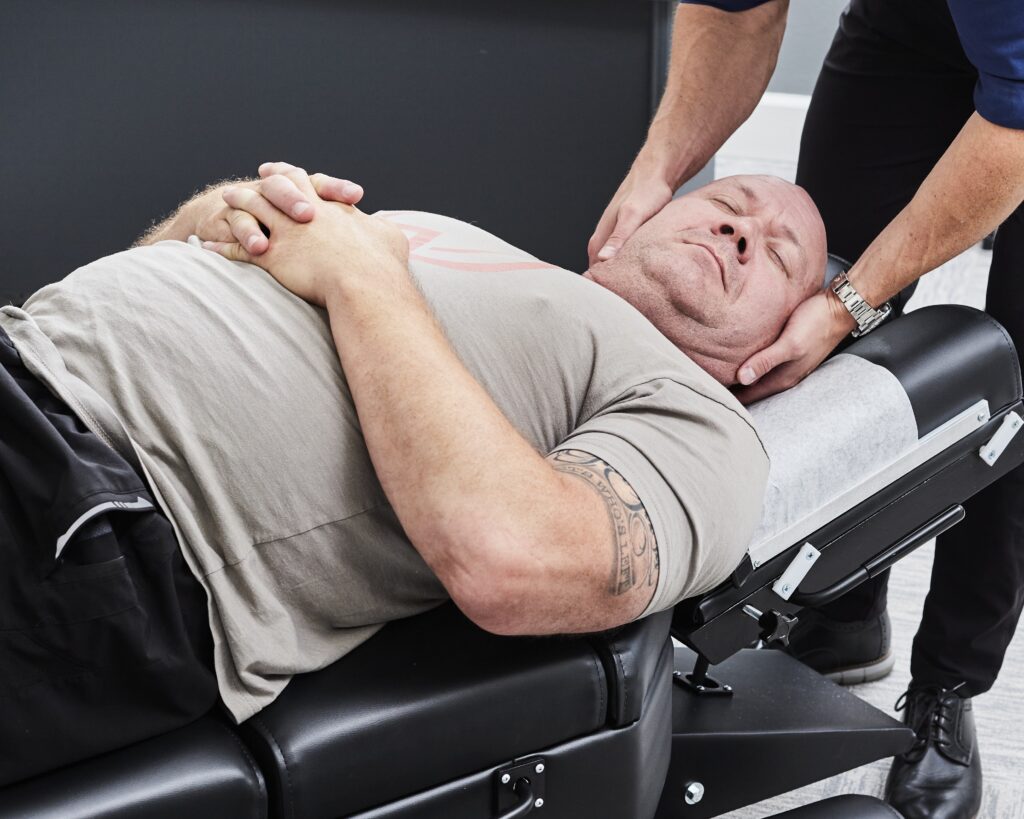
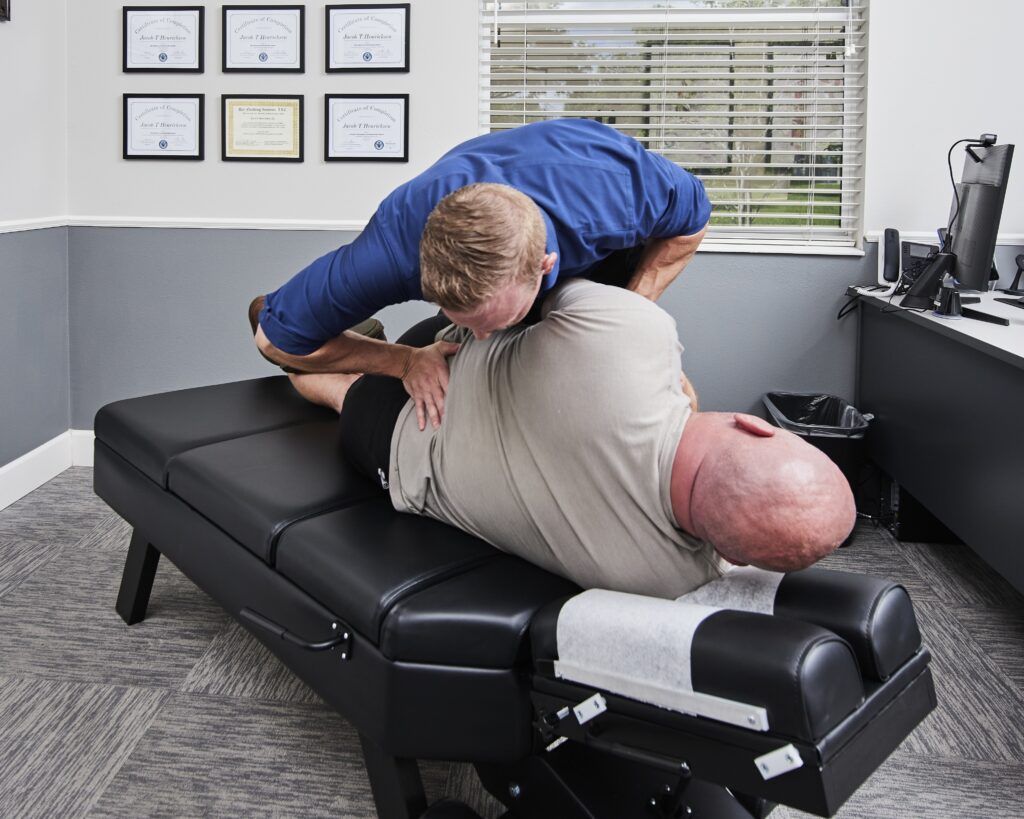
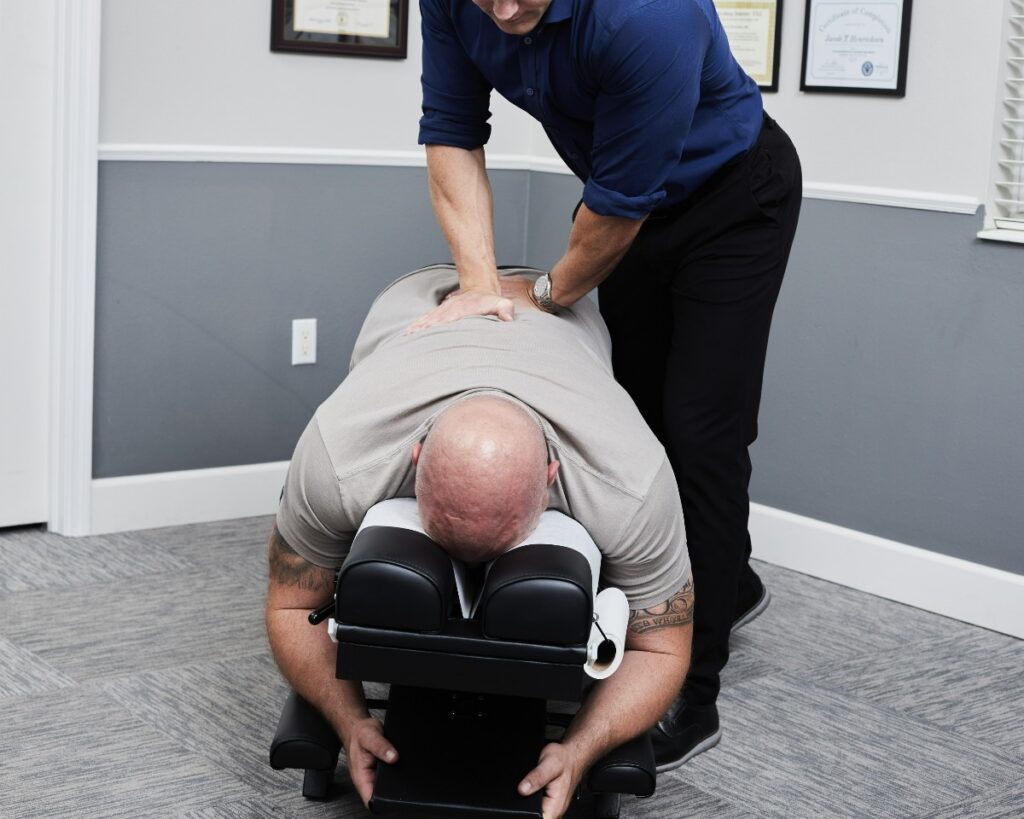
As a local chiropractor, I want to share how chiropractic care can be a valuable ally in managing anxiety. Many people think of chiropractic solely for physical relief, but it goes beyond that. By focusing on the spine and nervous system, we can help restore balance, reduce tension, and improve your overall well-being.
Understanding the mind-body connection is essential. When your body is in alignment, it can positively influence your mental state. I encourage you to consider incorporating some simple adjustments into your daily routine. You might be surprised by the significant impact these strategies can have on your anxiety levels.
Let's dive into these ten tips that can empower you to manage anxiety more effectively and enhance your quality of life. Together, we can create a supportive environment for your mental and physical health.
Understand the Mind-Body Connection
As a local chiropractor, I want to emphasize the importance of understanding the mind-body connection, especially for those of you seeking effective relief from anxiety. Many people may not realize how closely linked their mental and physical health truly are. When anxiety strikes, it often manifests not just as racing thoughts but also as physical symptoms in the body. You might notice tension in your muscles, fatigue, or even discomfort in certain areas, creating a cycle that can intensify your anxiety. By recognizing this connection, you can take meaningful steps toward feeling better.
Your thoughts and feelings can significantly influence your body's responses, and the same goes for physical issues. For instance, when you're anxious, your body releases stress hormones like cortisol, which can lead to physical discomfort. On the flip side, problems like spinal misalignments can contribute to feelings of anxiety, as they may disrupt your body's natural balance. By understanding these interactions, you empower yourself to address both the mental and physical aspects of your well-being, allowing for a more holistic approach to relief.
Start by tuning into your body and observing how different thoughts affect your physical sensations. For example, do you notice tightness in your chest when you think about an important event? Recognizing these triggers can help you manage your responses more effectively. Incorporating relaxation techniques, such as deep breathing or mindfulness practices, can also help to calm both your mind and body.
Moreover, maintaining a healthy lifestyle through regular chiropractic care, exercise, balanced nutrition, and adequate sleep can strengthen this vital connection. The more you take care of your body, the more positive your mental state will become.
Regular Chiropractic Adjustments
As a local chiropractor, I want to share how regular chiropractic adjustments can significantly enhance your overall well-being and help alleviate anxiety. When you come in for your chiropractic sessions, you're not just addressing physical discomfort; you're also taking important steps to support your mental health.
Chiropractic adjustments play a crucial role in balancing your nervous system, which is essential for how you manage stress. By realigning your spine and relieving tension throughout your body, many of my patients find that their anxiety levels decrease.
During our sessions, I'll focus on specific areas that may be contributing to your stress and discomfort. These adjustments can help release built-up tension and improve blood circulation, allowing your body to function more efficiently. As you experience less physical discomfort, you may notice a corresponding reduction in symptoms of anxiety. This holistic approach addresses both your body and mind, promoting well-being on multiple levels.
Additionally, establishing a routine of regular adjustments can create a sense of stability and control in your life. Knowing that you have scheduled sessions can provide reassurance, making it easier for you to manage daily stressors. You might find that as your physical state improves, so does your ability to cope with anxiety.
Consistency is essential in this process. I encourage you to follow my recommendations regarding the frequency and timing of your adjustments. Over time, you'll likely experience cumulative benefits that lead to a calmer, more balanced state of mind.
Embrace this journey with me, and you'll be taking a significant step toward reducing anxiety and enhancing your overall quality of life. Remember, your health is a priority, and I'm here to support you every step of the way.
Focus on Posture Improvement
As a local chiropractor, I want to emphasize the importance of improving your posture for your overall well-being. Many people may not realize that proper alignment of your body can significantly reduce anxiety and stress levels.
When your body is correctly aligned, it enhances your breathing and circulation, leading to a calmer state of mind.
Let's delve into some effective exercises that can promote postural alignment. Incorporating these exercises into your daily routine can't only improve your posture but also enhance your quality of life.
By understanding the benefits of natural healing and chiropractic care, you can take proactive steps towards a healthier, more balanced lifestyle.
If you have any questions or would like personalized guidance, feel free to reach out. Your journey to better posture and well-being starts here!
Benefits of Good Posture
As a local chiropractor, I want to emphasize that good posture goes beyond simply standing tall; it's a vital component of your overall health and well-being. When you maintain proper alignment, your body can function more efficiently, which significantly reduces strain on your muscles and joints. This efficiency often translates to decreased discomfort and fewer headaches, allowing you to concentrate on your daily activities without the distraction of pain.
Additionally, good posture has a remarkable impact on your mood and anxiety levels. When you sit or stand with proper alignment, you send positive signals to your brain that can elevate your confidence and energy. This physical alignment not only helps you feel more grounded but also reduces feelings of anxiety, creating a calming effect that can be incredibly beneficial, especially in stressful situations.
Moreover, proper posture enhances your breathing. By maintaining an open chest and aligned spine, you enable your lungs to expand fully, resulting in deeper and more effective breaths. This improved oxygen flow can alleviate symptoms of anxiety and foster a greater sense of relaxation.
Incorporating good posture into your daily routine is a simple yet effective way to promote long-term benefits for both your mental and physical health. By prioritizing your posture, you're taking a significant step toward achieving overall wellness and finding relief from anxiety.
As your chiropractor, I encourage you to explore the many ways that improving your posture can enhance your quality of life.
Exercises for Postural Alignment
As a local chiropractor, I want to emphasize that maintaining proper posture is just one piece of the puzzle. To truly enhance your postural alignment, it's essential to incorporate specific exercises into your daily routine.
These exercises not only strengthen your muscles but also increase your awareness of posture throughout your day-to-day activities. Here are some key exercises I recommend for my patients:
- Wall Angels: This exercise is great for opening up your chest and improving shoulder mobility. Stand with your back against a wall, ensuring your head, shoulders, and buttocks remain in contact with it. Start by raising your arms to create a 'W' shape, then slowly slide them upward to form a 'Y', all while keeping your back against the wall. This helps to reinforce proper alignment.
- Planks: A fundamental exercise for core strength, planks engage your abdominal muscles and promote a neutral spine. To perform a plank, position yourself face down and support your body on your forearms and toes. Hold this position, focusing on keeping your body in a straight line from head to heels. Strong core muscles are vital for maintaining good posture.
- Seated Rows: This exercise helps counteract the common forward slouch that many people develop, especially those who spend long hours sitting. Using resistance bands, sit up straight and pull the bands toward your torso, squeezing your shoulder blades together. This movement strengthens your upper back and promotes better posture.
Incorporating these exercises into your routine can significantly improve your postural alignment and overall well-being.
If you have any questions or need guidance on how to perform these exercises correctly, feel free to ask during your next visit!
Incorporate Relaxation Techniques
As a local chiropractor, I want to share how incorporating relaxation techniques into your routine can significantly enhance the benefits of chiropractic care, especially if you're new to this holistic approach.
When you pair your chiropractic adjustments with practices that promote relaxation, you can effectively reduce anxiety and tension throughout your body, leading to a more profound sense of well-being.
One of the first steps is to create a calming environment in your home. Look for a quiet space where you can unwind without interruptions. Soft lighting, calming music, or the use of essential oils can help create a soothing atmosphere that encourages relaxation.
I recommend setting aside time each day to simply relax and recharge, allowing your mind and body to let go of the stresses of daily life.
Mindfulness practices are another valuable addition to your routine. Mindfulness is about being present in the moment and recognizing your thoughts and feelings without judgment. This awareness can help you identify anxiety triggers, allowing you to manage them more effectively.
Activities like journaling or guided imagery can be particularly helpful in processing emotions in a constructive manner.
Additionally, consider trying progressive muscle relaxation. This technique involves tensing and then relaxing different muscle groups in your body, which can help release built-up tension and promote a sense of calm.
I suggest incorporating this practice after your chiropractic sessions to further enhance the relaxation benefits you experience from your adjustments.
By integrating these relaxation techniques into your life, you can support your chiropractic care and foster a deeper sense of health and tranquility.
Explore Breathing Exercises
As a local chiropractor, I often emphasize the importance of relaxation techniques in complementing your chiropractic care. One powerful method that can significantly enhance your experience is practicing breathing exercises.
These exercises not only help to calm your mind but also improve oxygen flow throughout your body, supporting your overall well-being. When you're feeling anxious or stressed, mindful breathing can ground you, allowing you to reconnect with your body and alleviate tension.
Here are a few effective breathing techniques that I recommend you try:
- Diaphragmatic Breathing: Instead of taking shallow breaths into your chest, focus on breathing deeply into your diaphragm. This technique promotes relaxation and can help lower your heart rate, making it easier for you to adjust to treatment.
- 4-7-8 Breathing: Inhale through your nose for a count of four seconds, hold your breath for seven seconds, and then exhale slowly through your mouth for eight seconds. This method is particularly effective for calming racing thoughts, which can be beneficial before your chiropractic session.
- Box Breathing: Inhale for four seconds, hold your breath for another four seconds, exhale for four seconds, and pause for an additional four seconds before repeating. This structured approach can help you regain focus and clarity during moments of stress.
Integrating these breathing exercises into your daily routine can greatly enhance the benefits of your chiropractic care. They not only help you manage anxiety but also prepare your body for the adjustments you receive.
Whether you practice them before, during, or after your chiropractic appointments, you'll likely experience a deeper sense of peace and relaxation. So, take a moment to breathe deeply and release your worries. Your body and mind will appreciate the effort!
Utilize Stress-Relief Techniques
Stress can sneak into your life when you least expect it, but as a local chiropractor, I want to share some effective techniques that can help you manage it naturally. One powerful method I often recommend is progressive muscle relaxation. This technique involves systematically tensing and then relaxing each muscle group, which can help release built-up tension in your body. I suggest starting from your toes and working your way up to your head. Not only does this calm your body, but it also increases your awareness of where you may be holding stress.
Another valuable technique is visualization. I encourage you to find a quiet space, close your eyes, and imagine a peaceful scene—such as a tranquil beach or a serene forest. Engage all your senses in this mental escape. The more vividly you can picture it, the more effective it will be in helping you relax.
Incorporating mindfulness into your daily routine is also beneficial. Just taking a few moments to focus on your breath or observe your surroundings can ground you and reduce anxiety. Mindfulness helps you stay present, minimizing worries about the past or future, which is crucial for overall well-being.
Additionally, journaling can serve as a powerful stress-relief technique. Writing down your thoughts and feelings can provide clarity and act as a release valve for pent-up emotions. It's a safe space where you can express yourself without fear of judgment.
Lastly, don't underestimate the power of laughter. Watching a funny video or spending time with friends who make you laugh can instantly improve your mood and relieve tension and anxiety.
Maintain a Healthy Lifestyle
As a local chiropractor, I want to emphasize the importance of adopting a healthy lifestyle not just for your physical health, but also for managing anxiety and fostering overall well-being. When you prioritize both your physical and mental health, you create a strong foundation that can significantly alleviate anxiety symptoms.
Here are some key elements to consider:
- Regular Exercise: Engaging in physical activity is essential. It releases endorphins, which are natural mood lifters, helping to reduce stress levels. I recommend aiming for at least 30 minutes of moderate exercise most days of the week to support both your physical and mental health.
- Balanced Nutrition: What you eat has a profound effect on your mental well-being. A diet that includes plenty of fruits, vegetables, whole grains, and lean proteins can make a significant difference. Specifically, foods rich in omega-3 fatty acids—like salmon and walnuts—are known to benefit brain health and can help in managing anxiety.
- Adequate Sleep: Never underestimate the power of quality sleep! Getting 7-9 hours of restful sleep each night is crucial for both your mind and body to recover and function effectively. Proper rest is key to managing anxiety and stress.
By incorporating these elements into your daily routine, you can create a positive ripple effect in your life. You may find yourself feeling more energized, focused, and better equipped to handle stressors as they arise.
Additionally, as a chiropractor, I want to highlight how chiropractic care can complement these healthy lifestyle choices. Regular chiropractic adjustments can enhance spinal alignment, which in turn supports the optimal functioning of your nervous system. This can lead to improved relaxation and further reduction in anxiety levels.
Embracing a holistic approach to your health, including lifestyle changes and chiropractic care, can amplify your results and promote a more balanced and fulfilling life.
If you have any questions or are interested in learning more about how chiropractic care can support your journey towards better health, feel free to reach out!
Discuss Your Symptoms With Your Chiropractor
When you come to see me as your chiropractor, it's important to discuss any specific symptoms you're experiencing, especially those related to anxiety.
Understanding your unique triggers allows me to create a personalized care plan that addresses your individual needs. Open communication is vital for us to work together effectively, so I encourage you to share everything you're feeling.
This will help us find natural and effective ways to relieve your discomfort and improve your overall well-being.
Identify Specific Symptoms
As your local chiropractor, I want to emphasize the importance of understanding your symptoms, as they can provide valuable insights into the underlying issues contributing to your anxiety.
It's crucial to have an open conversation about these symptoms so we can develop a treatment plan that not only addresses your physical discomfort but also supports your emotional well-being.
Here are some common symptoms you might consider discussing during your visit:
- Chronic Pain: If you're experiencing persistent pain in your neck, back, or other areas, it can intensify feelings of anxiety. Identifying this pain can help us find effective solutions.
- Muscle Tension: If you notice tightness in your muscles, it may be a sign of stress or anxiety. Sharing this with me can help us target the right areas for relief.
- Headaches: Frequent headaches can often be linked to anxiety and may respond positively to chiropractic care. By sharing this symptom, we can explore effective treatment options.
When you clearly articulate these symptoms, it allows me to understand the connection between your physical and mental health better.
I may ask you questions to gain clarity on when these symptoms arise and how they impact your daily life. Your openness about your experiences is vital in helping us work together toward achieving relief.
Share Personal Triggers
As a local chiropractor, I want to emphasize how important it's for you to understand not just your symptoms, but also the personal triggers that may be affecting your overall well-being. Recognizing these triggers can significantly enhance your experience in chiropractic care and help us work together toward your health goals.
When you come in for your consultation, I encourage you to share any specific situations or environments that heighten your anxiety. It could be anything from a stressful work deadline, social gatherings, or even certain physical activities that make you feel tense. By identifying these triggers, I can better understand your unique situation and create a tailored treatment plan that addresses your needs.
Communication is key in our sessions. I want you to feel comfortable being open and honest about how these triggers impact not just your mental state, but also your physical health. For example, if you notice muscle tension or discomfort in certain areas, sharing that with me can guide my techniques and allow me to focus on the areas that need the most attention.
Together, we can develop strategies to manage your anxiety and improve your overall health through chiropractic care and natural healing. Your well-being is my priority, and understanding your triggers is a vital step in that journey.
Create a Supportive Environment
Creating a supportive environment is essential for managing anxiety effectively, and as a chiropractor, I want to share how this can complement your overall health and well-being. Surrounding yourself with positivity and comfort can significantly alleviate stress and enhance your ability to cope with anxiety.
Here are a few key aspects to consider when establishing your environment:
- Declutter your space: A tidy, organized environment can lead to a clearer mind and better physical health.
- Incorporate calming colors: Soft hues like blues and greens can promote relaxation, which may support the body's natural healing processes.
- Add comforting elements: Think about items that bring you joy and comfort, such as plants or cozy blankets, which can create a soothing atmosphere.
Start by decluttering your living area. A clean and organized space not only reduces feelings of overwhelm but can also have a positive impact on your physical posture and spinal health.
Remove unnecessary items that may distract or stress you out. This simple act can create a sense of control and peace, which is vital for your overall well-being.
Next, reflect on the colors in your environment. If your walls are painted in harsh, bright colors, consider softening the space with calming tones.
Gentle colors can create a more serene atmosphere that encourages relaxation and may even help ease muscle tension, allowing your body to function more optimally.
Finally, introduce elements that bring you comfort. This could be a favorite chair that supports good posture, soft lighting that creates a calming ambiance, or a plant that adds a touch of nature and promotes a sense of tranquility.
Incorporating these comforting elements can provide a safe haven when anxiety strikes, aligning with the principles of natural healing that we promote in chiropractic care.
Consider Complementary Therapies
As a local chiropractor dedicated to helping you manage anxiety, I want to introduce you to the concept of complementary therapies alongside chiropractic care. While chiropractic adjustments focus on aligning your spine and promoting overall wellness, incorporating additional therapies like yoga, meditation, and acupuncture can significantly enhance your mental health and further reduce anxiety.
Let's start with yoga. This practice combines physical postures with mindfulness, fostering a deeper connection between your body and mind. Regularly practicing yoga can improve your flexibility and teach you to focus on your breath, which in turn calms your nervous system.
Even dedicating just a few minutes daily to yoga can lead to a noticeable improvement in how you cope with stress.
Meditation is another effective tool in managing anxiety. It trains your mind to focus and enter a state of relaxation. Just a few minutes of meditation each day can heighten your awareness of your thoughts, allowing you to manage anxiety more effectively.
If you're new to meditation, I recommend exploring guided meditation apps to help you get started.
Acupuncture is yet another complementary therapy that can be beneficial. It targets specific points in the body to release tension and promote relaxation. Many of my patients have found that regular acupuncture sessions greatly alleviate their anxiety symptoms, complementing the benefits they receive from chiropractic adjustments.
Lastly, I encourage you not to overlook the importance of nutrition and herbal supplements in supporting your mental health. A balanced diet packed with essential vitamins and minerals can play a significant role in how you feel.
However, always remember to consult with your healthcare provider before trying new supplements to ensure they're right for you.
Conclusion
As your local chiropractor, I want to share some valuable tips on how chiropractic care can help you manage anxiety effectively. By incorporating regular adjustments into your routine, you can promote better posture and facilitate relaxation, both of which play a significant role in calming your mind and body.
It's essential to maintain open communication with me during your visits; sharing your experiences and concerns allows us to tailor your care to meet your individual needs. Alongside chiropractic adjustments, embracing a healthy lifestyle—such as proper nutrition and regular exercise—can enhance your overall well-being and anxiety relief.
Creating a supportive environment at home and exploring complementary therapies, such as mindfulness or yoga, can further enrich your journey toward feeling more at ease. Take charge of your health and consider the profound benefits that chiropractic care can offer. Together, we can work toward achieving a more balanced and tranquil state of mind.