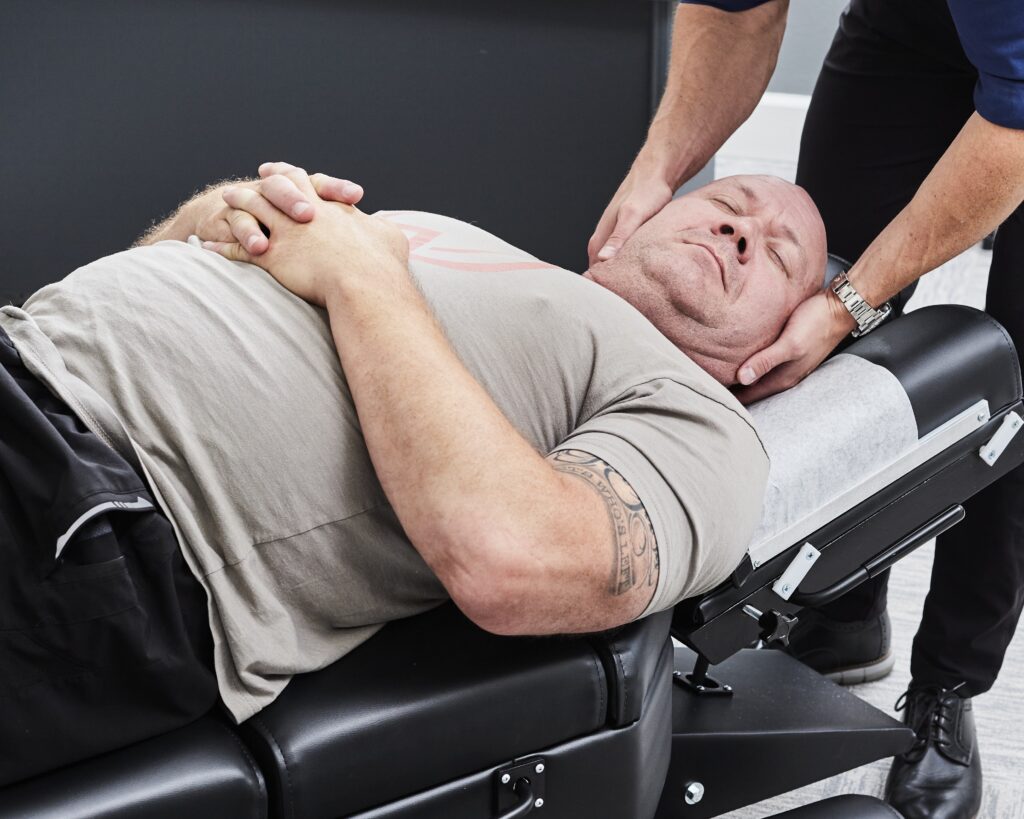
When it comes to back pain, you might find that what works for someone else doesn't necessarily work for you. Each person's experience with back pain is unique, influenced by factors like your lifestyle, medical history, and even your anatomy. This is where tailored treatments become essential; they allow healthcare providers to craft strategies that specifically address your needs. But what does this mean for your recovery journey, and how can personalized care truly enhance your outcomes? The answers could reshape your approach to managing back pain.
Understanding Back Pain Variability
Back pain isn't a one-size-fits-all issue; it varies greatly from person to person. You might find yourself experiencing discomfort in different areas of your back, and that's perfectly normal. Some people feel sharp pain in their lower back, while others might deal with a dull ache in their upper back or neck. Factors like age, lifestyle, and even emotional stress can all influence how you experience back pain.
You may also notice that what works for someone else mightn't work for you. For instance, a friend might swear by yoga, but you could find relief through a combination of physical therapy and over-the-counter medications. Each individual's body responds differently to treatments, and that's important to recognize.
Additionally, your daily activities play a significant role in how you perceive pain. If you spend hours hunched over a computer, you might end up with tension in your shoulders and neck. On the other hand, if you're lifting heavy objects frequently, you might face lower back issues. Your unique situation shapes your experience with back pain, and understanding this variability can help you communicate better with healthcare providers.
Finally, consider that emotional factors also contribute to how you experience pain. Stress and anxiety can amplify your perception of discomfort. By being aware of these nuances, you can take an active role in managing your back pain effectively.
The Importance of Personalization
Tailored approaches to treating back pain are essential for finding effective relief. Everyone's experience with back pain is unique, influenced by factors like lifestyle, medical history, and personal preferences. When you take a personalized approach, you can better address the specific challenges you face, resulting in more effective treatment outcomes.
Personalization means recognizing that what works for one person may not work for you. For instance, if you have a sedentary job, your back pain may stem from prolonged sitting, while someone more active might experience pain due to overexertion. By understanding your individual situation, healthcare providers can recommend a treatment plan that targets your unique needs, whether that's physical therapy, medication, or alternative therapies like acupuncture.
Moreover, personalization can enhance your engagement in the treatment process. When you feel that your concerns and preferences are acknowledged, you're more likely to stick to the recommended plan. This collaboration fosters a sense of ownership over your health, motivating you to make necessary lifestyle changes, such as improving your posture or incorporating regular exercise.
Ultimately, the importance of personalization in back pain treatment lies in its ability to create a more effective, efficient, and satisfying recovery journey. By focusing on what's right for you, you can't only alleviate pain but also improve your overall quality of life.
Don't underestimate the power of a tailored approach—it could be the key to your relief.
Common Causes of Back Pain
Understanding the myriad causes of back pain is essential for effective treatment. You might experience back pain due to a variety of factors, and recognizing them can help you address the issue more effectively.
One common cause is muscle strain, often resulting from heavy lifting, awkward movements, or overexertion. This strain can lead to inflammation and discomfort, making daily activities challenging.
Another significant cause is poor posture. If you spend long hours sitting at a desk or hunching over your phone, you may be putting unnecessary stress on your spine. This can lead to chronic discomfort that seems to linger no matter what you do.
Similarly, conditions like herniated discs or degenerative disc disease can also contribute to back pain. These conditions occur when the cushioning between your vertebrae deteriorates or bulges, putting pressure on nearby nerves.
In addition, injuries from accidents or falls can lead to acute pain that demands immediate attention. Even lifestyle factors like obesity can exacerbate back pain by placing extra strain on your spine.
Finally, stress and anxiety can manifest physically, often resulting in muscle tension that affects your back.
Evaluating Individual Anatomy
To effectively address your back pain, it's essential to evaluate your unique spine structures and any muscle imbalances you might have.
Everyone's anatomy varies, which means treatments should be tailored to fit your specific needs.
Understanding these differences can help you find a more effective path to relief.
Unique Spine Structures
The structure of your spine plays an essential role in how back pain manifests and can vary considerably from person to person. Each spine is unique, shaped by genetics, lifestyle, and even past injuries.
When you consider the vertebrae, discs, and ligaments that make up your spine, you'll see how any deviation from the norm can lead to discomfort or pain. For instance, some people have a naturally curved spine, while others may have a straighter alignment.
These anatomical differences can determine how your body absorbs shock and distributes weight. If you've got a herniated disc or a misaligned vertebra, it might press on nearby nerves, causing pain that radiates in unexpected ways.
Understanding your spine's unique structure helps healthcare providers create a personalized treatment plan, addressing the root cause rather than just the symptoms.
Additionally, your spine's flexibility and stability can influence how well you respond to various treatments, such as physical therapy or chiropractic care.
Muscle Imbalance Considerations
Anatomical variations in your spine often coincide with muscle imbalances that can exacerbate back pain. When certain muscles are stronger or tighter than their counterparts, it can lead to uneven tension across your spine, creating discomfort and limiting your range of motion.
For instance, if your hip flexors are tight and your glutes are weak, you might experience increased strain on your lower back.
To address this, you need to evaluate your individual anatomy. Start by examining your posture and movement patterns. Do you often lean to one side? Or do you have difficulty performing certain activities? These signs can indicate specific muscle imbalances.
Once you've identified these issues, you can tailor your treatment. Engaging in targeted exercises that strengthen weak muscles while stretching tight ones can help restore balance. Incorporating activities like yoga or pilates can also be beneficial, as they promote flexibility and strength.
Finally, consider consulting a healthcare professional who specializes in musculoskeletal issues. They can provide personalized evaluations and guidance to help you develop an effective treatment plan that addresses your unique muscle imbalances.
This approach will ultimately lead to improved back health and reduced pain.
Customized Treatment Options
When it comes to back pain, one size definitely doesn't fit all.
You need individualized assessment techniques to pinpoint the exact issues affecting you, and from there, targeted therapy approaches can provide the relief you're seeking.
Let's explore how these customized options can make a real difference in your recovery journey.
Individualized Assessment Techniques
Many individuals experience back pain differently, making tailored assessments essential for effective treatment. To address your unique situation, a thorough individualized assessment is paramount. This process usually starts with a detailed discussion about your pain history, including when it began, its intensity, and any activities that aggravate or relieve it.
Next, a physical examination helps identify specific areas of discomfort, weakness, or stiffness in your back and surrounding muscles. You might also undergo functional assessments to evaluate your range of motion and strength. These evaluations are fundamental in uncovering underlying issues that may not be immediately apparent.
In some cases, healthcare providers may recommend diagnostic imaging, like X-rays or MRIs, to gain a clearer picture of your spine and surrounding structures. This all-encompassing approach allows for a tailored treatment plan that addresses your specific needs, rather than a one-size-fits-all solution.
Ultimately, individualized assessment techniques guarantee you receive the most effective care, setting the stage for improved outcomes and a better quality of life.
Targeted Therapy Approaches
Targeted therapy approaches focus on customizing treatment options to suit your specific back pain needs. By identifying the root cause of your discomfort, these therapies can greatly enhance your recovery.
You might find that a combination of physical therapy, chiropractic adjustments, and specialized exercises tailored to your condition can yield better results than general treatments.
For instance, if your pain stems from muscle tension, a targeted approach may involve manual therapy or massage techniques to relieve tightness. Conversely, if your discomfort arises from spinal alignment issues, chiropractic care could be the key.
You might also benefit from personalized exercise plans that strengthen supporting muscles and improve flexibility, ultimately reducing pain.
In some cases, targeted injections or medications may be prescribed to address inflammation and provide immediate relief.
Collaborating closely with a healthcare provider guarantees that your treatment plan evolves based on your progress and any changes in your condition.
Role of Physical Therapy
Physical therapy plays an essential role in managing back pain, helping you regain strength and flexibility. When you work with a physical therapist, they'll assess your specific condition and develop a personalized treatment plan tailored to your needs. This plan often includes exercises designed to strengthen your core muscles, which support your spine and improve your posture.
You'll also learn techniques to enhance your flexibility, making it easier to move without pain. Stretching exercises can relieve tightness in your back and surrounding muscles, enabling better mobility. Additionally, your therapist may introduce modalities like heat, cold therapy, or electrical stimulation to alleviate pain and reduce inflammation.
One of the key advantages of physical therapy is that it empowers you with knowledge about your body. You'll understand the mechanics of your back pain, which can help you avoid movements that exacerbate the issue. Your therapist can also teach you proper body mechanics for daily activities, reducing the risk of future injuries.
Moreover, physical therapy fosters a sense of accountability. As you progress, you'll likely feel more motivated to stick with your treatment plan and follow through with the exercises at home. This commitment can lead to significant improvements in your overall quality of life, allowing you to return to activities you enjoy.
Impact of Lifestyle Factors
Your journey to managing back pain doesn't stop with physical therapy; lifestyle factors play a significant role too. The choices you make every day can either exacerbate your discomfort or contribute to your recovery. By paying attention to these factors, you can create a supportive environment for your spine and overall well-being.
Here are four lifestyle factors you should consider:
- Diet: Eating a balanced diet rich in anti-inflammatory foods can help reduce pain. Incorporate fruits, vegetables, whole grains, and healthy fats into your meals. Staying hydrated is essential too, as proper hydration aids in spinal health.
- Exercise: Regular, low-impact exercise strengthens your core and back muscles, providing better support for your spine. Activities like swimming, walking, or cycling can promote flexibility and reduce stiffness without putting too much strain on your back.
- Sleep Quality: Prioritize good sleep hygiene. Make sure you have a supportive mattress and pillow to maintain proper spinal alignment. Aim for 7-9 hours of quality sleep each night to facilitate healing.
- Stress Management: Chronic stress can lead to muscle tension and exacerbate pain. Practice relaxation techniques such as meditation, yoga, or deep-breathing exercises to help manage stress levels effectively.
Monitoring Progress and Adjustments
Monitoring your progress and making necessary adjustments is vital in your journey to alleviate back pain. Regularly evaluating how your body responds to treatment can help you identify what's working and what isn't. Start by keeping a pain journal to track your symptoms, noting the intensity, duration, and any triggers you encounter. This documentation can be invaluable for understanding patterns and discussing them with your healthcare provider.
Once you've established a baseline, set specific, achievable goals to help guide your treatment. Whether it's increasing mobility, reducing pain levels, or enhancing overall strength, these targets will provide you with something concrete to aim for.
As you monitor your progress, remain open to feedback from your body. If a particular exercise or treatment isn't yielding results, don't hesitate to adjust your approach.
Regular check-ins with your healthcare provider are essential. They can help interpret your pain journal and suggest modifications to your treatment plan. Sometimes, small tweaks can lead to significant improvements.
Also, consider integrating self-evaluation techniques. For instance, pay attention to how your body feels during daily activities. If you notice any changes—positive or negative—document them. This proactive approach allows you to stay engaged in your recovery process.
Ultimately, maintaining an open dialogue with yourself and your healthcare professionals guarantees you're on the right track. By continuously monitoring your progress and making informed adjustments, you empower yourself to take control of your back pain journey.
Long-Term Benefits of Tailored Care
Tailored care for back pain offers significant long-term benefits that extend beyond immediate relief. When you receive personalized treatment, you're not just addressing the symptoms; you're also tackling the root causes of your pain. This holistic approach leads to better outcomes and can transform your quality of life over time.
Here are four key long-term benefits you can expect from tailored care:
- Improved Functionality: Personalized treatments help restore your mobility and strength, allowing you to engage in daily activities with ease and confidence.
- Reduced Recurrence: By identifying and addressing the specific factors contributing to your back pain, you'll lower the chances of future flare-ups. This proactive strategy helps you maintain a healthier back in the long run.
- Enhanced Quality of Life: As your pain decreases and functionality improves, you'll experience a significant boost in your overall well-being. You'll be able to enjoy hobbies, social events, and family time without the constant shadow of discomfort.
- Empowerment through Knowledge: Tailored care often includes education about your condition. Understanding your body and how to manage it empowers you to make informed decisions about your health, promoting self-care and prevention strategies.
Embracing tailored care for your back pain not only leads to immediate relief but also lays the foundation for a healthier, happier future.
You're investing in yourself, and the benefits will resonate for years to come.
Conclusion
To sum up, tailored treatments for back pain are essential for your recovery. By understanding your unique experience and considering factors like your lifestyle and anatomy, healthcare providers can create a personalized management plan just for you. This approach not only targets your specific issues but also empowers you to take an active role in your healing journey. Embracing customized care leads to better outcomes, improved quality of life, and a more effective way to manage your back pain.