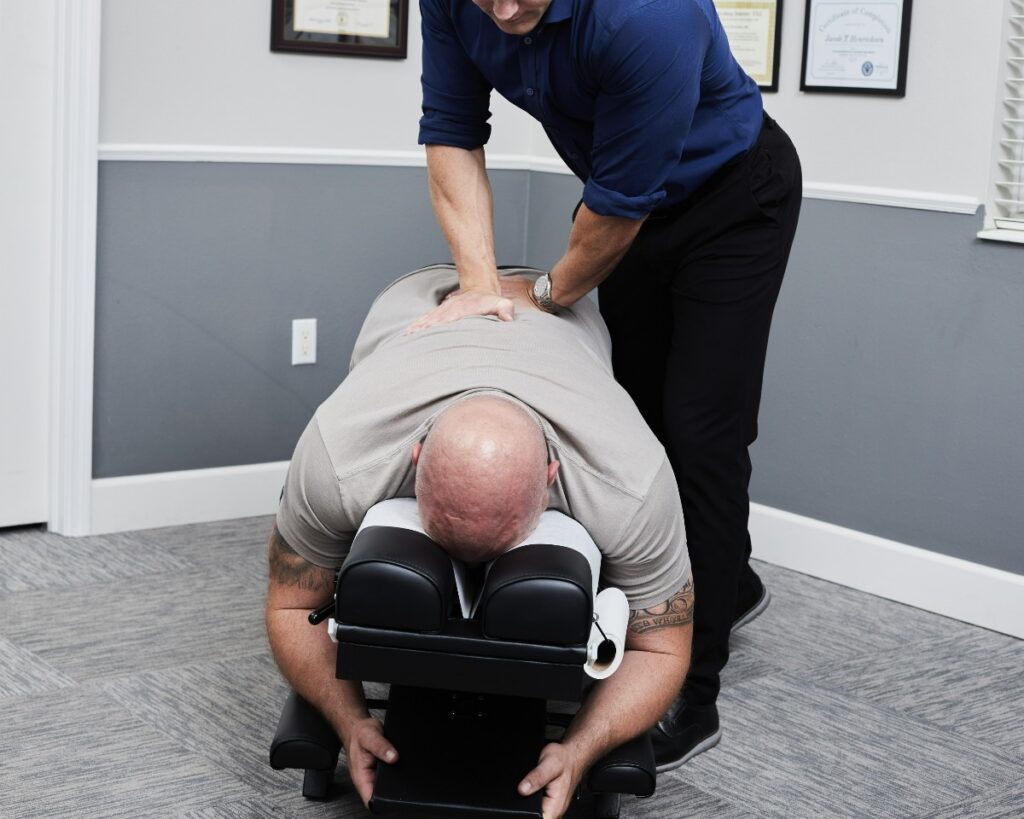

Neck pain can often arise from poor posture, muscle tension, and stress. Thankfully, there are simple strategies you can adopt to significantly lower your risk of discomfort. Here at our chiropractic practice, we emphasize the importance of ergonomics, stretching, and strengthening exercises to maintain a healthy neck. But why are these practices so beneficial? Understanding their effects is vital for achieving long-term relief and comfort.
First, proper ergonomics helps create a supportive environment for your neck. This means adjusting your workspace to ensure that your monitor is at eye level, using a chair that provides good support, and maintaining a neutral wrist position while typing. These adjustments reduce strain on your neck and spine, helping to alleviate pain.
Stretching is another key component. Regularly stretching your neck and shoulder muscles can improve flexibility, reduce tension, and promote better blood flow. Simple neck stretches can be done throughout the day, making them easy to incorporate into your routine.
Strengthening exercises are equally important. By building the muscles around your neck and upper back, you create a natural support system that can help prevent injury and reduce pain. Simple exercises, like shoulder shrugs and neck rotations, can be done at home with little to no equipment.
Incorporating these practices into your daily life not only supports your neck health but also enhances your overall well-being. And remember, chiropractic care is a powerful ally in this journey. Regular adjustments from a chiropractor can help align your spine, relieve tension, and promote natural healing.
By prioritizing your neck health through ergonomics, stretching, and strengthening, you’re taking proactive steps toward a pain-free life. If you’re experiencing discomfort, consider visiting a chiropractor to explore how personalized care can help you achieve optimal health naturally. Your neck will thank you!
Key Takeaways
- Keeping a good posture is essential for your neck health. By maintaining proper alignment during your daily activities, you can reduce strain on your neck muscles and prevent pain associated with slouching or poor posture. Chiropractic adjustments can help you achieve and maintain this proper alignment.
- Incorporating regular stretching into your routine is a fantastic way to enhance flexibility and ease muscle tension. This can significantly reduce discomfort in your neck and shoulders. A chiropractor can guide you through effective stretches tailored to your needs.
- Strengthening exercises are vital for providing support and stability to your neck. By engaging in specific exercises, you can decrease the risk of injury and chronic pain. Your chiropractor can recommend personalized exercises to help you build strength safely.
- Setting up your workspace ergonomically is crucial for maintaining proper alignment, especially if you spend long hours sitting. By adjusting your desk and chair to fit your body, you can minimize strain and lower your chances of developing neck pain. A chiropractor can provide tips on creating an ergonomic setup that works for you.
- Managing stress is just as important for neck health as physical care. Techniques like deep breathing and mindfulness can help reduce muscle tightness and promote relaxation. Incorporating these practices into your daily routine can help prevent tension-related neck pain. Your chiropractor can help you explore additional stress-relief techniques that suit your lifestyle.
By focusing on these holistic approaches and considering chiropractic care, you can take significant steps towards achieving optimal neck health and overall wellness.
Understanding Neck Pain: Causes and Contributing Factors
Understanding Neck Pain: Causes and Contributing Factors
As a chiropractor, I see many patients struggling with neck pain, and it’s crucial to understand the causes and factors that contribute to this common issue. By recognizing these elements, you can take proactive steps to alleviate discomfort and enhance your overall well-being.
One significant contributor to neck pain is poor posture. Many of us spend long hours sitting or looking down at our phones and computers, which can put a tremendous strain on our neck muscles. If you find yourself hunching over your devices, it’s time to make some adjustments. Remember to keep your screens at eye level and take regular breaks to stretch and move around.
Muscle tension is another key factor. Stress and anxiety can lead to tightness in the neck and shoulders, making it essential to find ways to relax. Consider incorporating deep breathing exercises or gentle stretching into your daily routine to help release that built-up tension.
Injuries from accidents or sports can also cause acute neck pain, but chiropractic care can play a vital role in recovery. Gentle adjustments and spinal manipulations can help realign your spine, reduce pain, and promote healing.
Don’t underestimate the importance of your sleeping position. A pillow that’s too high or too low can misalign your neck while you sleep, leading to discomfort. Aim for a pillow that supports the natural curve of your neck, so you wake up feeling refreshed rather than stiff.
Lastly, repetitive movements or overuse during physical activities can lead to discomfort as well. If you’re involved in activities that require repetitive motions, take breaks and listen to your body.
The Importance of Ergonomics in Preventing Neck Discomfort
The Importance of Ergonomics in Preventing Neck Discomfort
As a chiropractor, I understand the significance of ergonomics in maintaining a healthy spine and preventing neck discomfort. In our modern world, where many of us spend long hours working at desks or using devices, it’s crucial to set up our workspaces correctly to minimize strain on our necks and promote overall well-being.
Here are four simple yet effective tips to enhance your ergonomic setup and support your spinal health:
- Monitor Height: Ensure your monitor is at eye level. This positioning helps prevent you from tilting your head up or down, which can lead to neck strain. Keeping your neck in a neutral position is key to avoiding discomfort.
- Chair Support: Choose a chair that offers good support for your lower back. Your feet should rest flat on the floor, which helps maintain proper posture and keeps your spine aligned. A well-fitted chair can make a big difference in how your neck feels at the end of the day.
- Keyboard Placement: Your keyboard should be at elbow height. This allows your arms to rest comfortably at your sides, reducing the tension in your shoulders and neck. Keeping your wrists straight while typing is also important for overall comfort.
- Frequent Breaks: Don’t forget to take regular breaks! Standing up, stretching, and resetting your posture every hour can do wonders for your neck and back health. Simple stretches can help relieve tension and enhance circulation.
By implementing these ergonomic strategies, you can support your spine and maintain a healthier neck.
Remember, chiropractic care is an excellent choice for addressing neck discomfort and achieving optimal health naturally. Regular chiropractic adjustments can enhance your overall wellness, helping your body function at its best.
If you’re experiencing neck pain, consider visiting a chiropractor to explore natural healing options tailored to your needs. Your spine will thank you!
Stretching Techniques to Enhance Flexibility and Reduce Tension
To maintain a healthy neck, incorporating regular stretching into your routine is crucial. Not only does it improve flexibility, but it also alleviates the tension that can accumulate from everyday activities, such as sitting at a desk or looking down at your phone.
As a chiropractor, I emphasize the importance of these stretches as part of a holistic approach to health and wellness.
Here are some simple and effective neck stretch exercises you can easily add to your day:
- Chin Tucks: Sit or stand up straight and gently draw your chin towards your chest. Hold for a few seconds and then release. This helps strengthen the neck muscles and improve posture.
- Side Neck Stretch: While sitting or standing, tilt your head to one side, bringing your ear towards your shoulder. Hold it for 15-30 seconds before switching sides. This stretch can relieve tightness in the neck.
- Neck Rotations: Slowly turn your head to the right, looking over your shoulder. Hold for a few seconds, then return to the center and repeat on the left side. This movement helps increase mobility and reduce stiffness.
- Shoulder Rolls: Roll your shoulders forward and then backward in a circular motion. This helps release tension not just in your neck, but also in your upper back.
In addition to these stretches, remember to maintain good posture throughout your day. Being mindful of how you sit and stand can significantly impact your neck health.
Regular chiropractic adjustments can also play a vital role in keeping your spine aligned, which can enhance the effectiveness of your stretching routine and help you achieve optimal health naturally.
By committing to these simple practices, you can reduce discomfort and improve your overall well-being without the need for medications or surgical interventions.
Embrace the power of natural healing through chiropractic care and make stretching a part of your daily wellness routine!
Importance of Regular Stretching
As a local chiropractor, I want to emphasize the importance of regular stretching for maintaining neck health. Stretching is a simple yet powerful tool that not only improves flexibility but also helps alleviate tension that often builds up from our daily activities.
By incorporating regular stretching into your routine, you can unlock a variety of benefits that support your overall wellness:
- Improved Range of Motion: Stretching helps keep your neck joints flexible, which means you’ll have better movement and less stiffness.
- Reduced Muscle Tension: Regular stretching releases tightness in your neck muscles. This can prevent discomfort and allow you to feel more relaxed throughout your day.
- Enhanced Posture: Stretching strengthens the muscles that support your neck, promoting proper alignment. This reduces strain and helps you maintain a healthier posture.
- Stress Relief: Taking a few moments to stretch can calm your mind and contribute to a sense of overall relaxation, which is essential for both mental and physical health.
To integrate these stretching benefits into your daily life, consider setting aside a few minutes each day to perform neck stretches. Simple movements like tilting your head side to side, gently rolling your shoulders, or extending your neck can make a significant difference.
Remember, chiropractic care is also a fantastic way to support your neck health and overall well-being. Regular adjustments can enhance the effects of stretching by ensuring that your spine is properly aligned, helping you maintain optimal health naturally.
Effective Neck Stretch Exercises
Incorporating effective neck stretch exercises into your daily routine can significantly enhance your overall wellness and spinal health. As a chiropractor, I emphasize that maintaining flexibility and reducing tension in your neck is crucial for optimal posture and comfort.
Start with a simple neck tilt: gently lower your ear toward your shoulder and hold for 15-30 seconds on each side. This exercise helps to release tightness and improve flexibility.
Next, try a forward flexion stretch by lowering your chin to your chest and holding it there. This can alleviate tension accumulated from daily activities like sitting at a desk. For a deeper stretch, interlace your fingers behind your head and gently pull down; this can help to open up the muscles at the back of your neck.
Don’t forget about neck rotation. Turn your head to one side and hold, then switch to the other side. This movement is beneficial for maintaining mobility and reducing stiffness.
I encourage you to perform these stretches daily, as you’ll likely notice a significant reduction in tightness and discomfort.
Incorporating Stretching Into Routine
While stretching may seem like just another task on your to-do list, incorporating it into your daily routine can significantly enhance your flexibility and lower tension, ultimately supporting your overall spinal health.
By dedicating just a few minutes each day to these simple exercises, you may notice remarkable improvements in your neck health and well-being. Here are four effective techniques to consider:
- Neck Tilts: Gently tilt your head side to side, holding each position for 15-30 seconds. This simple movement can help alleviate stiffness and promote better neck mobility.
- Shoulder Rolls: Roll your shoulders forward and backward in a circular motion. This technique helps release tension built up in the shoulders and upper back, areas often affected by poor posture.
- Chin Tucks: Pull your chin back toward your neck, creating a double chin. This exercise strengthens the neck muscles and promotes proper spinal alignment, which is essential for maintaining a healthy spine.
- Upper Trapezius Stretch: While sitting or standing, reach one arm overhead and gently pull your head to the opposite side. This stretch targets the upper trapezius muscle, which can become tight from daily activities and stress.
Incorporating these stretches into your routine can provide lasting relief and support your journey toward optimal health.
Strengthening Exercises for Neck and Upper Back Support
To effectively prevent neck pain and promote overall well-being, it’s vital to strengthen the muscles in your neck and upper back. Engaging in simple exercises can’t only alleviate discomfort but also enhance your posture, making chiropractic care even more beneficial.
One excellent exercise to incorporate is the chin tuck. Sit up straight and gently tuck your chin toward your chest, holding this position for a few seconds before releasing. This exercise is perfect for activating your neck muscles, reinforcing the structural support that chiropractic adjustments provide.
Another effective move is the shoulder blade squeeze. While seated, pull your shoulder blades together and hold for about five seconds before relaxing. This helps strengthen your upper back, improving stability and making it easier for your chiropractor to perform adjustments that keep your spine aligned.
You might also want to try resistance band rows. Secure a resistance band in front of you, hold the ends, and pull back while keeping your elbows tucked close to your body. This exercise targets multiple muscles in your upper back, promoting a balanced posture. Aim for two to three sets of 10-15 repetitions for each exercise a few times a week. By building strength in these areas, you can significantly reduce your risk of neck pain and enhance your overall posture.
Remember, chiropractic care is a natural and effective way to support your body’s healing processes. Regular visits can help ensure your spine is aligned and functioning optimally, reducing the likelihood of pain and discomfort.
Incorporating these exercises into your routine, along with chiropractic adjustments, can lead to a healthier, pain-free life. Make sure to listen to your body and consult with your chiropractor about the best exercises tailored to your needs.
Sleep Positions That Promote Proper Alignment
Choosing the right sleep position is vital for maintaining neck health and overall well-being. As a chiropractor, I can’t stress enough the importance of proper alignment while you rest. When considering your sleep position, think about the height of your pillow and whether you prefer sleeping on your back or side.
Each sleep position comes with its own benefits. For instance, sleeping on your back helps keep your spine in a neutral position, which can be great for reducing neck pain. If you find yourself more comfortable on your side, ensure that your pillow supports your neck without bending it unnaturally. This can help prevent discomfort and promote a healthier spine.
Here are a few tips to improve your sleep position for better alignment and less pain:
- Pillow Height: Your pillow should support your neck without pushing your head too far forward or backward. For back sleepers, a thinner pillow is often best, while side sleepers may need a firmer, thicker pillow to fill the gap between their neck and the mattress.
- Mattress Support: Make sure your mattress provides adequate support. A mattress that’s too soft can lead to poor alignment, while one that’s too firm mightn’t contour to your body properly.
- Chiropractic Care: Regular chiropractic adjustments can help ensure your spine is properly aligned, which can contribute to better sleep quality. Consider scheduling an appointment with a chiropractor to address any underlying issues that may be affecting your sleep.
- Stretching Before Bed: Incorporate gentle stretching into your bedtime routine to relieve tension in your neck and shoulders. This can help you settle into a more comfortable sleep position.
- Sleep Environment: Create a sleep-friendly environment by reducing noise and light, and maintaining a comfortable room temperature. A good environment can promote deeper, more restorative sleep.
Remember, proper sleep positions can significantly impact your neck health and overall wellness. By paying attention to how you sleep and making small adjustments, you can experience less pain and more restful nights.
If you’re struggling with sleep or neck discomfort, don’t hesitate to reach out for chiropractic care. It’s a natural and effective way to achieve optimal health and well-being.
Ideal Pillow Height
Choosing the right pillow height is crucial for maintaining proper neck alignment during sleep, which is essential for overall spinal health. A pillow that’s either too high or too low can strain your neck and lead to discomfort or pain.
Here are four helpful tips to find your ideal pillow height and enhance your sleeping experience:
- Consider Your Sleep Position: Your preferred sleep position—whether you sleep on your back, side, or stomach—plays a significant role in determining the right pillow height for you. For instance, back sleepers may benefit from a medium loft pillow, while side sleepers typically need a firmer, higher pillow to keep the spine aligned.
- Shoulder Width Matters: The broader your shoulders, the thicker your pillow should be to fill the gap between your neck and mattress. This helps maintain the natural curvature of your spine and reduces the risk of discomfort.
- Personal Comfort is Key: Everyone is different, so it’s important to experiment with various pillow heights and materials to find what feels most comfortable for you. A pillow that supports your head and neck properly can make a world of difference in your overall sleep quality.
- Choose Quality Materials: Pillows made from memory foam or those that are adjustable can provide excellent support and adaptability for your neck. These materials help maintain alignment and can contribute to a more restful sleep.
Taking the time to select the right pillow is a simple yet effective way to reduce the risk of neck pain and improve your overall wellness.
Back Sleeping Benefits
While many individuals have their preferred sleeping positions, back sleeping can be particularly advantageous for your spinal health and overall comfort. As a chiropractor, I want to highlight the benefits of this position, which promotes better spinal alignment and can lead to natural healing.
When you sleep on your back, your head, neck, and spine align in a neutral position. This alignment helps reduce strain on your body and minimizes the risk of developing neck pain. Additionally, back sleeping distributes your body weight evenly, which alleviates pressure points and contributes to a more restful night’s sleep.
Here’s a quick overview of the benefits of back sleeping:
| Benefit | Description |
|---|---|
| Spinal Alignment | Promotes healthy spinal alignment, reducing strain and the likelihood of discomfort. |
| Pressure Relief | Distributes weight evenly across your body, helping to relieve pressure points. |
| Reduced Neck Pain | Supports a neutral neck position, which can help prevent pain and tension. |
Tips for Optimal Back Sleeping:
- Use the Right Pillow: Choose a pillow that supports the natural curve of your neck. A medium loft pillow works well for many back sleepers.
- Knees Up: Consider placing a small pillow or cushion under your knees. This can help maintain the natural curve of your lower back and reduce strain.
- Mattress Matters: Ensure your mattress provides adequate support. A medium-firm mattress often strikes the right balance for back sleepers.
Side Sleeping Techniques
If you enjoy sleeping on your side, using the right techniques can significantly improve your spinal alignment and comfort, leading to better overall health.
As a chiropractor, I want to share some essential tips to ensure you’re properly supporting your neck and spine while you sleep:
- Choose the Right Pillow: Select a firm pillow that fills the gap between your head and the mattress. This keeps your neck aligned with your spine, helping to prevent stiffness and discomfort.
- Position Your Arms Wisely: It’s important to keep your bottom arm straight. Avoid tucking it under your head, as this can put unnecessary strain on your shoulders and neck.
- Knee Support: Placing a pillow between your knees can help align your hips and reduce tension in your lower back. This simple adjustment can make a big difference in how you feel upon waking.
- Mattress Choice: A medium-firm mattress is ideal. It provides enough support to keep your spine aligned without allowing you to sink too deeply, which can lead to misalignment over time.
By following these tips, you can enhance your sleep quality and overall health.
Remember, chiropractic care is a natural way to support your wellness journey, helping you achieve optimal health and alleviate pain without the need for medications or surgeries.
Prioritizing your spinal health is crucial, and utilizing these side sleeping techniques can be a great step in that direction!
The Role of Stress Management in Neck Pain Prevention
Stress can be an unseen factor contributing to neck pain, often slipping into your daily routine without you realizing it. When you’re under stress, your muscles—especially those around your neck and shoulders—tend to tighten up. This ongoing tension can lead to discomfort and pain over time. That’s why managing stress is crucial for preventing neck pain and promoting overall wellness.
As a chiropractor, I believe in the power of natural healing and healthy living. Chiropractic care not only helps relieve pain but also supports your body’s ability to manage stress. Here are some effective stress management techniques to incorporate into your daily routine to help keep your neck healthy:
| Technique | Benefits | Tips for Implementation |
|---|---|---|
| Deep Breathing | Promotes relaxation and reduces tension | Take 5 minutes daily to focus on your breath. Inhale deeply through your nose and exhale through your mouth. |
| Stretching | Eases muscle tightness | Integrate gentle stretches for your neck and shoulders into your daily routine. A few minutes can make a big difference! |
| Mindfulness | Increases self-awareness and calmness | Start with guided meditations or mindfulness apps to help you stay present and reduce stress. |
| Regular Exercise | Boosts mood and decreases stress levels | Aim for at least 30 minutes of physical activity, five times a week. Whether it’s walking, yoga, or any movement you enjoy, it’s good for your body and mind! |
Lifestyle Changes to Support Long-Term Neck Health
To maintain long-term neck health, making intentional lifestyle changes is essential. As a chiropractor, I want to emphasize that incorporating simple habits into your daily routine can significantly reduce your risk of neck pain and promote overall wellness. Here are some effective strategies to consider:
- Practice Good Posture: It’s crucial to keep your shoulders back and your head aligned with your spine while sitting or standing. This alignment helps to reduce stress on your neck and spine, promoting better health.
- Take Frequent Breaks: If you spend long hours at a desk, make it a point to stand up and stretch every hour. This simple act can relieve tension that builds up in your neck and shoulders throughout the day.
- Stay Active: Engage in regular physical activity. Strengthening the muscles around your neck and shoulders can help prevent pain and improve your overall posture. Consider activities like yoga or swimming, which emphasize flexibility and strength.
- Invest in Ergonomics: Use an ergonomic chair and adjust your computer screen to eye level. This reduces strain on your neck and encourages a more natural position while you work.
- Consider Chiropractic Care: Regular visits to a chiropractor can help maintain spinal alignment and treat any discomfort you may experience. Chiropractic adjustments are a natural way to support your body’s healing process and enhance your overall wellness.
By implementing these tips into your daily life, you can take proactive steps towards ensuring your neck remains healthy and pain-free.
Conclusion
By incorporating these tips into your daily routine, you can significantly reduce the risk of neck pain and promote overall wellness. As a chiropractor, I emphasize the importance of prioritizing ergonomics in your workspace to support proper posture. Simple adjustments like ensuring your computer screen is at eye level can make a big difference.
In addition to ergonomics, don’t underestimate the power of stretching and strengthening exercises. These practices help maintain muscle balance and flexibility, which are vital for a healthy neck. Regularly incorporating gentle neck stretches and strength-building movements can keep your neck feeling great.
Restful sleep positions are also crucial. Consider using a supportive pillow that keeps your neck aligned with your spine. This small change can improve your sleep quality and contribute to a pain-free neck.
Lastly, managing stress is key to preventing tension that can lead to neck discomfort. Techniques such as deep breathing, mindfulness, or even light yoga can help you unwind and keep your muscles relaxed.
By making these lifestyle changes, you’ll not only enhance your neck health but also boost your overall well-being. Remember, chiropractic care is an excellent choice for achieving pain relief and maintaining your health naturally. Take proactive steps today, and you’ll enjoy a more comfortable, pain-free neck tomorrow.