
Athletes know all too well that arm pain can be a game-changer. Whether you’re a weekend warrior perfecting your tennis serve, a competitive swimmer logging countless laps, or a baseball pitcher throwing hundreds of pitches a week, arm discomfort can sideline your performance and dampen your passion for the sport you love. Here in Lutz, FL, we see athletes from all backgrounds walk through the doors of Crystal Grove Chiropractic with arm pain that’s affecting their training, competition, and quality of life. The good news? Understanding the source of your arm pain and exploring conservative, drug-free options like chiropractic care can help you get back to doing what you love—stronger and more resilient than before.
This comprehensive guide will walk you through everything you need to know about arm pain in athletes: what causes it, how to recognize warning signs, and why chiropractic care deserves a spot in your recovery toolbox. Whether you’re dealing with a nagging ache or sharp discomfort that appeared suddenly, this article will empower you with knowledge and actionable steps toward relief.
What Is Arm Pain in Athletes?
Arm pain in athletes refers to discomfort, soreness, stiffness, or sharp pain anywhere from the shoulder down to the wrist and hand that develops as a result of sports-related activities. This pain can stem from overuse, repetitive motion, improper technique, muscle imbalances, nerve irritation, or underlying joint dysfunction. Unlike acute injuries from trauma, athletic arm pain often builds gradually and may involve the muscles, tendons, ligaments, joints, or nerves that serve the upper extremity.
Table of Contents
- Understanding Arm Pain in Athletes
- Common Causes of Arm Pain in Athletes
- Signs and Symptoms to Watch For
- How Chiropractic Care Fits Into Athletic Recovery
- Practical Tips for Preventing Arm Pain
- When to See a Chiropractor
- Treatment Approaches: At-a-Glance Comparison
- Myths vs. Facts About Arm Pain in Athletes
- Final Thoughts from Crystal Grove Chiropractic
Understanding Arm Pain in Athletes
Athletic arm pain is more than just sore muscles after a hard workout. While muscle soreness is a normal part of training adaptation, persistent or worsening arm pain often indicates an underlying issue that needs attention. The arm is a complex structure involving the shoulder joint, elbow, wrist, and numerous muscles, tendons, nerves, and ligaments that work together to create fluid, powerful movement.
In athletes, arm pain frequently results from repetitive motion patterns. Think about the overhead serve in tennis, the freestyle stroke in swimming, the throwing motion in baseball, or even the sustained grip required in rock climbing and golf. Each of these activities places unique demands on the arm’s anatomical structures. Over time, without proper recovery, conditioning, or biomechanical alignment, these demands can lead to inflammation, strain, nerve compression, or joint dysfunction.
What makes athletic arm pain particularly challenging is that many athletes push through discomfort, viewing it as a badge of toughness or dedication. However, ignoring early warning signs often transforms a manageable issue into a chronic problem that requires more extensive intervention. Understanding the nature of your pain and addressing it early with conservative care can mean the difference between a few weeks of modified training and months on the sidelines.
The nervous system also plays a crucial role in arm function. Nerves that supply sensation and motor control to the arm originate in the cervical spine (neck region). When spinal joints become restricted or misaligned, nerve communication can be disrupted, leading to pain, weakness, tingling, or numbness that radiates down the arm. This is why comprehensive evaluation of the entire kinetic chain—from the neck through the shoulder and down to the hand—is essential for athletes experiencing arm pain.
Common Causes of Arm Pain in Athletes
Athletic arm pain doesn’t develop in a vacuum. Multiple factors contribute to its onset, and often several causes overlap. Here are the most common culprits we see among athletes at Crystal Grove Chiropractic in Lutz:
Overuse and Repetitive Strain
Repetitive overhead motions, throwing, swinging, or gripping can create microtrauma in muscles, tendons, and ligaments. Over time, these small injuries accumulate faster than the body can repair them, leading to conditions like rotator cuff tendinopathy, tennis elbow (lateral epicondylitis), or golfer’s elbow (medial epicondylitis). Sports that require repetitive arm use—baseball, tennis, swimming, volleyball, and golf—are particularly prone to overuse injuries.
Poor Biomechanics and Technique
Improper form during athletic movements places excessive stress on certain structures while underutilizing others. A baseball pitcher with poor mechanics may overcompensate with the shoulder or elbow. A swimmer with an inefficient stroke may create unnecessary tension in the neck and shoulders. Working with coaches to refine technique is important, but if underlying joint restrictions or muscle imbalances exist, even perfect form may not prevent pain.
Muscle Imbalances
Athletes often develop strength in dominant muscle groups while neglecting stabilizers and opposing muscles. For example, strong chest and anterior shoulder muscles combined with weak upper back and rotator cuff muscles can create shoulder instability and arm pain. This imbalance alters joint mechanics and increases injury risk during high-demand activities.
Cervical Spine Dysfunction
Misalignments or restricted motion in the cervical spine can irritate nerve roots that branch into the arm. This can produce pain, tingling, numbness, or weakness anywhere from the shoulder to the fingertips. Because the neck and upper back form the foundation for arm movement, spinal dysfunction often manifests as arm symptoms—a connection many athletes don’t initially recognize.
Joint Restrictions in the Shoulder, Elbow, or Wrist
When joints don’t move through their full, healthy range of motion, surrounding tissues compensate. Shoulder joint restrictions might force the elbow or wrist to move excessively, creating strain. Similarly, elbow joint dysfunction can alter grip mechanics and lead to forearm and wrist pain. Restoring proper joint motion throughout the entire arm is essential for optimal function.
Nerve Compression or Entrapment
Conditions like thoracic outlet syndrome or carpal tunnel syndrome involve compression of nerves that serve the arm. These can develop from poor posture, repetitive movements, or anatomical variations. Athletes may experience pain, numbness, tingling, or weakness that worsens with specific positions or activities.
Inadequate Recovery and Overtraining
Training hard is important, but recovery is when adaptation happens. Without adequate rest, nutrition, hydration, and sleep, tissues don’t repair properly. Overtraining syndrome can lead to persistent arm pain, fatigue, and declining performance.
Signs and Symptoms to Watch For
Recognizing the early signs of arm pain can help you address problems before they become serious. Here’s what athletes commonly report:
Pain During or After Activity: Discomfort that appears during your sport or afterward, ranging from a dull ache to sharp, stabbing pain.
Reduced Range of Motion: Difficulty reaching overhead, behind your back, or fully extending your elbow without discomfort or stiffness.
Weakness or Instability: Feeling like your arm “gives out” during activity, or noticing decreased strength in gripping, throwing, or lifting.
Tingling or Numbness: Sensations that travel down the arm, often into the hand or fingers, suggesting nerve involvement.
Swelling or Tenderness: Visible swelling around the shoulder, elbow, or wrist, or tenderness when pressing on specific areas.
Morning Stiffness: Waking up with arm stiffness that takes time to loosen, indicating inflammation or joint dysfunction.
Decreased Performance: Noticing drops in velocity, accuracy, endurance, or technique that correlate with arm discomfort.
Pain That Persists Beyond Normal Soreness: While muscle soreness after training typically resolves within 48-72 hours, pain that lingers or worsens suggests something more than normal adaptation.
If you’re experiencing any of these symptoms consistently, it’s time to seek professional evaluation. Early intervention with conservative care like chiropractic can prevent minor issues from becoming season-ending problems.
How Chiropractic Care Fits Into Athletic Recovery
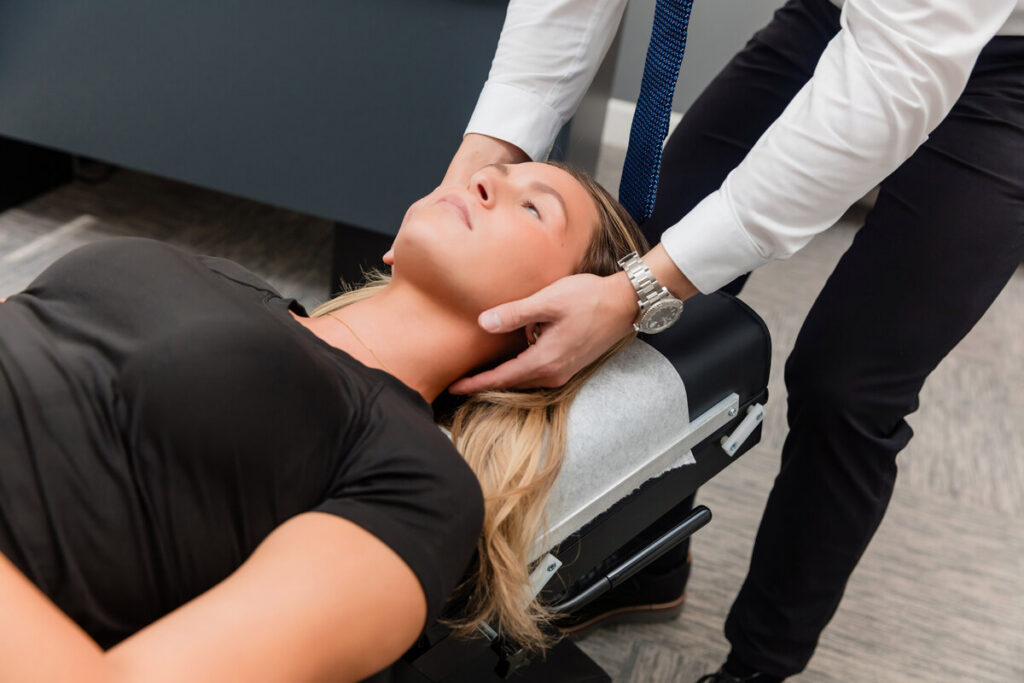
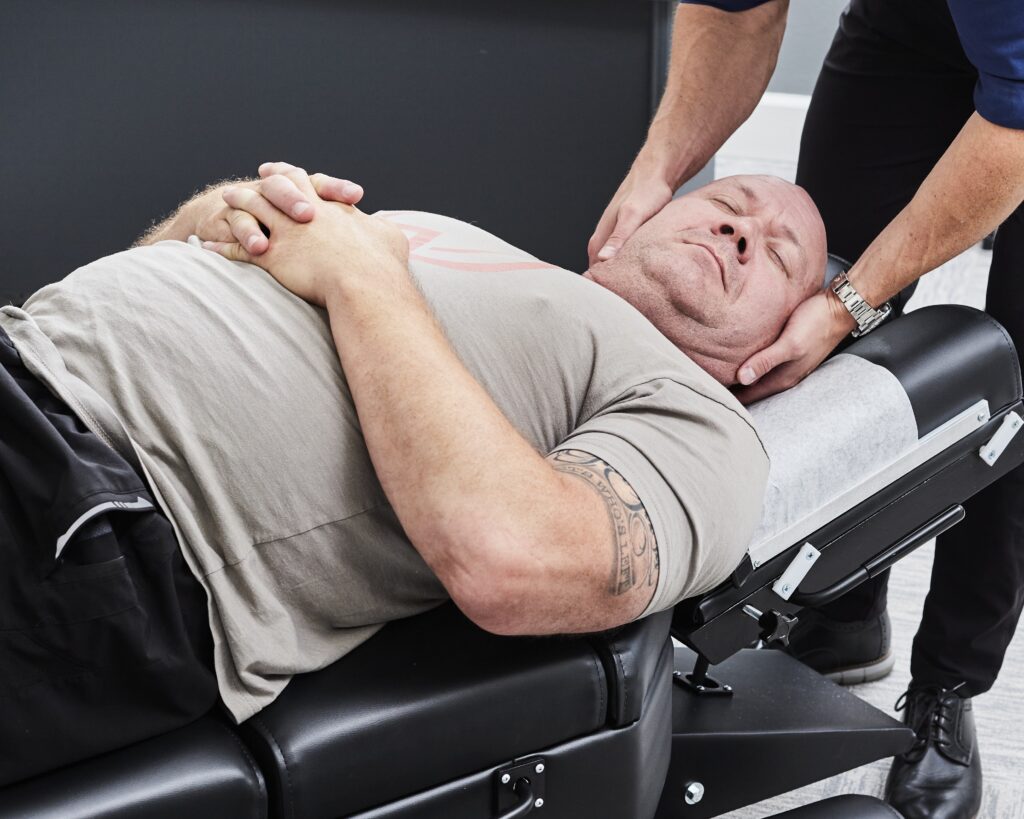
Chiropractic care offers athletes a drug-free, non-invasive approach to addressing arm pain by focusing on the musculoskeletal and nervous systems. At Crystal Grove Chiropractic, we understand that athletes need more than symptom management—they need solutions that restore function, enhance performance, and prevent future injury.
Comprehensive Assessment
Your recovery begins with a thorough evaluation. We assess your cervical and thoracic spine, shoulder girdle, elbow, and wrist. We examine posture, movement patterns, range of motion, and neurological function. This comprehensive approach helps identify not just where you hurt, but why the pain developed in the first place.
Spinal Adjustments to Restore Nerve Function
Chiropractic adjustments to the cervical and thoracic spine can reduce nerve irritation and improve communication between your brain and arm. When spinal joints move properly, nerve signals flow more efficiently, supporting better muscle coordination, faster recovery, and reduced pain. Research suggests that spinal manipulation may help reduce pain and improve function in individuals with various musculoskeletal complaints.
Extremity Adjustments for Joint Function
Chiropractors are trained to adjust extremity joints including the shoulder, elbow, and wrist. Restoring proper motion and alignment to these joints can alleviate stress on surrounding muscles and tendons, improve biomechanics, and enhance overall arm function. For athletes, optimizing joint mechanics often translates to better performance and reduced injury risk.
Corrective Exercises and Rehabilitation
Your chiropractor can prescribe specific exercises to address muscle imbalances, strengthen weak stabilizers, and improve flexibility. These exercises are tailored to your sport and your individual needs. Rehabilitation that targets the rotator cuff, scapular stabilizers, and core muscles can create a more resilient foundation for athletic movement.
Biomechanical Coaching
Sometimes small adjustments in posture or technique make a big difference. Chiropractors can provide guidance on movement patterns, training modifications, and ergonomic strategies that reduce stress on the arm. This education empowers athletes to take an active role in their recovery and injury prevention.
Collaborative Approach
Chiropractic care works well alongside other healthcare providers. If your arm pain requires co-management with a sports medicine physician, physical therapist, or athletic trainer, we coordinate care to ensure you receive comprehensive, integrative treatment.
Practical Tips for Preventing Arm Pain
Prevention is always better than treatment. Here are practical, evidence-informed strategies athletes can implement to reduce arm pain risk:
Prioritize Proper Warm-Up and Cool-Down
Always begin training sessions with dynamic warm-ups that prepare muscles, joints, and nervous system for activity. Include arm circles, shoulder rolls, and sport-specific movements. After training, cool down with gentle stretching to promote recovery and maintain flexibility.
Focus on Technique and Form
Work with qualified coaches to ensure your throwing, swinging, or stroke mechanics are sound. Video analysis can reveal inefficiencies that contribute to arm strain. Even elite athletes benefit from periodic technique refinement.
Incorporate Strength and Stability Training
Don’t just train your sport—train your body. Include exercises that strengthen rotator cuff muscles, scapular stabilizers, and core. Resistance band work, bodyweight exercises, and functional movements build resilience. Balance pushing and pulling exercises to avoid muscle imbalances.
Listen to Your Body
Pain is a signal, not a challenge to overcome. If you experience persistent discomfort during training, modify your activity or take a rest day. Pushing through pain often worsens injury and prolongs recovery. Athletes who respect their body’s signals tend to have longer, healthier careers.
Schedule Regular Maintenance Care
Many athletes benefit from routine chiropractic evaluations, even when they’re not injured. Regular check-ins can identify and address minor dysfunctions before they become painful problems. Think of it as tuning up your body the way you’d maintain your sports equipment.
Manage Training Load Appropriately
Avoid sudden spikes in training volume or intensity. Follow the “10% rule”—don’t increase your training load by more than 10% per week. Gradual progression allows tissues time to adapt. Build in recovery weeks where you reduce volume to allow full recuperation.
Stay Hydrated and Nourished
Proper hydration and nutrition support tissue repair and reduce inflammation. Include anti-inflammatory foods like fatty fish, leafy greens, berries, and nuts. Adequate protein intake helps rebuild muscle and connective tissue.
Address Postural Habits
Poor posture during daily activities—slouching at a desk, looking down at phones, sleeping in awkward positions—can contribute to arm pain. Be mindful of neck and shoulder position throughout the day. Ergonomic adjustments at work and home matter.
When to See a Chiropractor
Knowing when to seek professional care is crucial. Consider scheduling an appointment at Crystal Grove Chiropractic in Lutz if you experience any of the following:
Pain that lasts longer than 72 hours: While normal muscle soreness resolves within a few days, persistent pain suggests an underlying issue that needs evaluation.
Pain that worsens with activity: If your discomfort intensifies during your sport despite rest and self-care, it’s time to get assessed.
Reduced performance or altered technique: If pain is causing you to compensate or change your movement patterns, early intervention can prevent secondary problems.
Numbness, tingling, or weakness: Neurological symptoms warrant prompt evaluation to identify and address nerve involvement.
Limited range of motion: Difficulty moving your arm through its normal range may indicate joint restriction or underlying dysfunction affecting mobility.
Recurrent arm pain: If you’ve experienced arm pain multiple times, a comprehensive evaluation can uncover contributing factors and create a prevention plan.
Red flag symptoms requiring immediate medical attention: Seek emergency care if you experience severe, sudden pain following trauma, obvious deformity, inability to move the arm, signs of infection (fever, redness, warmth), or chest pain with arm symptoms. While these are rare, they require immediate medical evaluation.
For most athletic arm pain—especially chronic or recurrent issues—chiropractic care offers a safe, effective starting point. If your condition requires additional medical intervention, your chiropractor will guide you to the appropriate specialist.
Treatment Approaches: At-a-Glance Comparison
| Approach | Focus | Typical Timeline | Best For |
|---|---|---|---|
| Chiropractic Care | Spinal and extremity joint function, nerve optimization, corrective exercises | Weeks to months depending on chronicity | Joint dysfunction, nerve-related pain, muscle imbalances, prevention |
| Physical Therapy | Rehabilitation exercises, functional movement, modalities, post-surgical recovery | Weeks to months | Post-injury rehab, strength building, return-to-sport protocols |
| Rest and Ice | Reducing acute inflammation, temporary symptom relief | Days to a week | Acute flare-ups, minor strains, initial management |
| Medication | Pain relief, inflammation reduction | Short-term | Symptom management (doesn’t address underlying cause) |
| Massage Therapy | muscle relaxation, circulation, stress relief | Ongoing as needed | Muscle tension, recovery enhancement, general wellness |
| Surgery | Structural repair of severe tears, instability, or fractures | Months including recovery | Severe injuries that don’t respond to conservative care |
Myths vs. Facts About Arm Pain in Athletes
Myth: You Should Always Push Through Arm Pain During Training
Fact: While some discomfort is normal during intense training, persistent or sharp pain is a warning signal. Pushing through pain can transform minor dysfunction into serious injury requiring longer recovery. Athletes who respect pain signals and seek early intervention typically return to sport faster and stronger.
Myth: Arm Pain Only Comes From the Arm Itself
Fact: Arm pain frequently originates from problems in the cervical spine, upper back, or shoulder girdle. Nerves that supply the arm branch from the neck, and joint restrictions or misalignments in the spine can create arm symptoms. Comprehensive evaluation of the entire kinetic chain is essential for effective treatment.
Myth: Chiropractic Care Is Only for Back Pain
Fact: Chiropractors are trained to assess and treat the entire musculoskeletal system, including extremities like the arm. Chiropractic adjustments and targeted rehabilitation exercises can effectively address shoulder, elbow, and wrist pain in athletes. Many professional sports teams include chiropractors as part of their medical staff.
Myth: If Imaging Shows Nothing, the Pain Isn’t Real
Fact: X-rays and MRIs are excellent for identifying fractures, tears, and structural damage, but many causes of arm pain—like joint dysfunction, muscle imbalances, and nerve irritation—don’t show up clearly on imaging. Functional assessment and clinical examination are equally important for diagnosis and treatment planning.
Myth: Rest Alone Will Fix Athletic Arm Pain
Fact: While rest is important for acute inflammation, it doesn’t address underlying biomechanical problems, muscle imbalances, or joint restrictions. Athletes who only rest often find pain returns quickly when they resume training. Active recovery that includes appropriate treatment, corrective exercises, and gradual return to activity produces better long-term outcomes.
Final Thoughts from Crystal Grove Chiropractic
Arm pain doesn’t have to be an inevitable part of your athletic journey. Whether you’re a competitive athlete or someone who loves staying active in Lutz, understanding the causes of arm pain and exploring conservative care options can make all the difference in your recovery and long-term performance. At Crystal Grove Chiropractic, we’re committed to helping athletes like you not only overcome pain but build stronger, more resilient bodies that can withstand the demands of your sport.
Chiropractic care offers a comprehensive, individualized approach that addresses the root causes of arm pain—not just the symptoms. By optimizing spinal and extremity joint function, reducing nerve irritation, correcting muscle imbalances, and providing targeted rehabilitation, we help athletes return to their sport with confidence and reduced injury risk.
If you’re dealing with arm pain that’s affecting your training, performance, or quality of life, we encourage you to reach out. Your body is designed to move powerfully and efficiently. Sometimes it just needs the right support to unlock that potential. Here in Lutz, FL, Crystal Grove Chiropractic is ready to be part of your recovery and performance optimization team. Let’s work together to get you back to doing what you love—pain-free and stronger than ever.
Frequently Asked Questions
Can chiropractic care help with throwing injuries in baseball players?
Yes, chiropractic care can be beneficial for baseball players experiencing throwing-related arm pain. By addressing spinal alignment, shoulder mechanics, and muscle imbalances, chiropractors help optimize the kinetic chain involved in throwing. Many baseball players use chiropractic care as part of both injury recovery and injury prevention programs.
How long does it take to see improvement in arm pain with chiropractic treatment?
The timeline varies depending on the severity and chronicity of your condition. Some athletes notice improvement after just a few visits, while others with longstanding issues may require several weeks of care. Your chiropractor will provide a realistic treatment plan based on your individual assessment and monitor your progress closely.
Is it safe to continue training while receiving chiropractic care for arm pain?
In many cases, modified training can continue during treatment. Your chiropractor will work with you to identify activities that are safe and those that should be temporarily avoided or modified. The goal is to maintain fitness while allowing healing, then progressively return to full activity as function improves.
Will I need X-rays or other imaging before chiropractic treatment?
Not always. Your chiropractor will determine if imaging is necessary based on your history, symptoms, and clinical examination. In many cases, functional assessment provides sufficient information to begin conservative care. If imaging is warranted, appropriate referrals will be made.
Can chiropractic care prevent future arm injuries in athletes?
While no approach can guarantee injury prevention, regular chiropractic care can help identify and address minor dysfunctions before they become painful problems. By maintaining optimal joint function, muscle balance, and nervous system health, athletes may reduce their risk of overuse injuries and perform at higher levels.
Do I need a referral from my primary doctor to see a chiropractor for arm pain?
In most cases, no referral is needed. Chiropractors are portal-of-entry providers, meaning you can schedule directly. However, some insurance plans may have specific requirements, so it’s worth checking your coverage. Crystal Grove Chiropractic can help answer insurance questions when you call.
TL;DR – Key Takeaways
- Arm pain in athletes often results from overuse, poor biomechanics, muscle imbalances, or spinal dysfunction affecting nerve function—not just local arm problems.
- Chiropractic care addresses arm pain through spinal and extremity adjustments, and corrective exercises that restore function and optimize the kinetic chain.
- Early intervention is crucial—pushing through persistent pain can transform minor issues into chronic problems requiring longer recovery periods.
- Prevention strategies include proper warm-up, technique refinement, strength training, appropriate training loads, and regular maintenance care.
- If arm pain persists beyond 72 hours, worsens with activity, or includes neurological symptoms, schedule an evaluation at Crystal Grove Chiropractic in Lutz, FL for comprehensive, drug-free care.