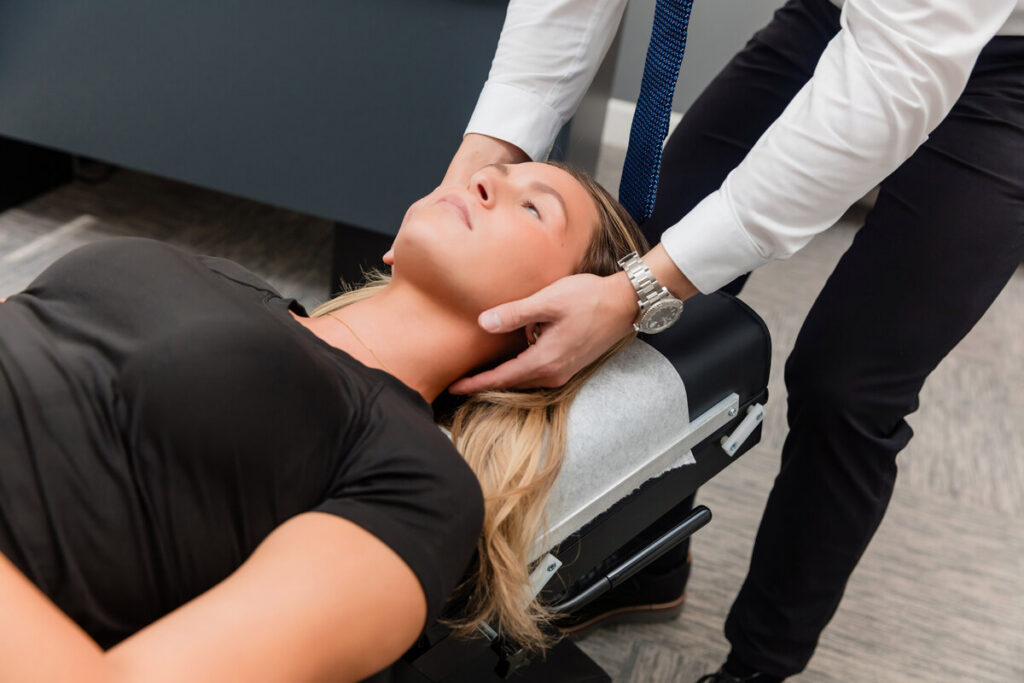
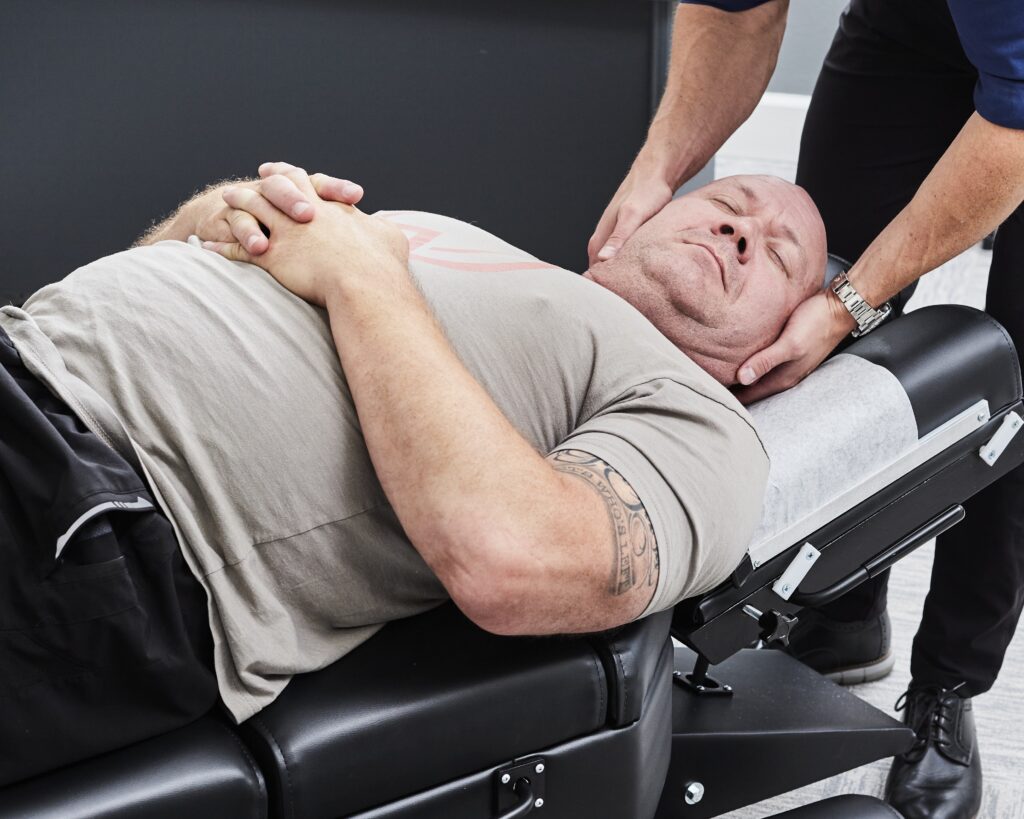
When recovering from a sports injury, it's essential to consider personalized adjustments that cater to your individual needs. As a chiropractor, I want to emphasize that recovery goes beyond just physical therapy; it encompasses a holistic approach that takes into account your specific injury, overall fitness level, and mental well-being. By implementing these tailored adjustments, you can significantly improve your healing process and pave the way for a successful return to your favorite sport.
So, what do these adjustments involve? They may include spinal alignments, gentle manipulation, and targeted exercises designed to restore balance and mobility. These techniques not only alleviate pain but also enhance your body's natural healing capabilities. Understanding how these adjustments work can greatly influence your overall recovery journey and empower you to take control of your health. Let's explore how chiropractic care can support your recovery and help you get back in the game stronger than ever.
Understanding Sports Injuries
As a local chiropractor, I believe it's essential for you to understand the various types of sports injuries that can occur, especially if you're new to engaging in physical activities. Recognizing these injuries is crucial for effective recovery and maintaining your overall well-being.
Sports injuries can vary widely, from mild sprains and strains to more serious conditions like fractures or concussions. By familiarizing yourself with these common injuries, you can spot symptoms early and seek the right treatment.
Let's start with sprains, which typically involve the ligaments. These injuries happen when the ligaments are overstretched or torn, resulting in symptoms like swelling, bruising, or limited movement in the affected joint.
Strains, on the other hand, affect your muscles or tendons and occur when you pull or twist them suddenly. Symptoms of a strain may include pain, muscle spasms, or weakness, which can hinder your ability to perform daily tasks.
Another injury you might encounter is tendonitis, often caused by overuse. If you notice persistent discomfort in a tendon, it could be inflamed, indicating a need to adjust your activities or consult with a healthcare professional, such as myself.
Fractures are more severe injuries leading to a break in the bone, and they require immediate medical attention. If you suspect a fracture, please don't hesitate to reach out for help.
Concussions are another area of concern, particularly in contact sports. Symptoms may manifest as headaches, confusion, or balance issues. It's vital to recognize these signs for your safety and recovery.
Understanding these injuries not only empowers you to identify them but also encourages you to take preventive measures. By being aware of potential risks, you can modify your training routines and reduce the likelihood of injury.
This proactive approach can help ensure a smoother recovery if setbacks do arise. Moreover, chiropractic care can play a significant role in your healing journey, offering natural methods to restore function and alleviate pain, ensuring you stay active and healthy.
Importance of Personalized Recovery
As a local chiropractor, I want to emphasize that recovering from a sports injury requires a personalized approach. A generic treatment plan simply doesn't meet the needs of each individual.
It's essential to develop a customized recovery strategy that takes into account your specific injury, lifestyle, and recovery goals. By concentrating on what works best for you, we can optimize your healing process and help you return to your sport sooner.
Chiropractic care focuses on natural healing, and with the right plan, you can experience improved mobility, reduced pain, and a faster return to the activities you love.
Let's work together to create a recovery plan that's as unique as you are!
Tailored Treatment Plans
As a local chiropractor, I want to emphasize the importance of a personalized recovery plan when it comes to healing from sports injuries. Unlike generic treatment approaches, tailoring your care to meet your specific needs is crucial. This means taking into account factors such as the nature of your injury, your age, fitness level, and the sport you engage in. A customized plan can help you avoid one-size-fits-all solutions that may not be effective for your unique situation.
For example, if you're a runner dealing with an ankle sprain, your recovery plan might include specific chiropractic adjustments and exercises designed to strengthen the muscles around your ankle while gradually improving your mobility.
On the other hand, if you're a swimmer facing a shoulder injury, your treatment could focus on enhancing flexibility and strength through targeted exercises that cater to your swimming technique.
One of the key benefits of a tailored recovery plan is the ability to monitor your progress closely. As your chiropractor, I'll work with you to adjust your exercises and therapies based on how your body responds to treatment. This individualized approach ensures that you're not overexerting yourself or advancing too quickly in your recovery process.
With this level of flexibility, you can expect a more efficient path to healing, ultimately allowing you to return to your sport with greater strength and resilience.
Investing in a personalized recovery plan not only supports your immediate healing but also lays the groundwork for long-term success and helps you regain confidence in your abilities.
As a chiropractor, I'm here to guide you through this journey, combining natural healing techniques with a tailored approach to get you back in the game.
Individual Recovery Goals
Setting individual recovery goals is a crucial part of the healing journey for anyone recovering from a sports injury. As your local chiropractor, I want to emphasize how establishing clear and personalized objectives can serve as a roadmap for your recovery process. These goals not only help you stay focused and motivated, but they also make it easier for us to track your progress together.
Remember, recovery isn't a one-size-fits-all approach. It varies based on factors like the type of injury you're dealing with, your overall physical condition, and the specific demands of your sport. For example, if you're healing from a knee injury, we might set goals such as regaining your full range of motion or strengthening your quadriceps. These specific targets allow us to tailor your chiropractic care and rehabilitation efforts effectively.
Setting individual recovery goals also enhances communication between you and your healthcare team. By sharing your aspirations with me, we can adjust your treatment plan to best support you in achieving those goals.
Together, we'll ensure that you receive the natural healing support you need to get back to your active lifestyle.
Adjusting Training Regimens
As a local chiropractor, I want to emphasize the importance of adjusting your training regimen after experiencing a sports injury. Understanding that your body has gone through a significant amount of stress is crucial for a successful recovery. It's essential to consult with your healthcare provider or a qualified chiropractor to gain insight into your limitations and the best ways to modify your physical activities.
When it comes to rehabilitation, I recommend focusing on low-impact exercises that elevate your heart rate without placing undue strain on your injury. Activities such as swimming or cycling can be great alternatives that help you maintain your fitness while allowing your body to heal properly.
As you progress, you can gradually reintroduce weight training, ensuring that you prioritize lighter weights with higher repetitions. This approach helps to avoid putting too much stress on the injured area.
Incorporating flexibility and mobility work into your routine is another key aspect of your recovery. Stretching can relieve tightness and enhance your range of motion, which is particularly important during this healing phase.
I also suggest considering practices like yoga or Pilates, as they promote core strength and body awareness while minimizing excessive strain.
It's vital to listen to your body throughout this process. If you feel pain during any exercise, it's important to stop immediately and reassess your approach. Adjust your regimen as necessary, and remember that patience is essential; healing takes time.
Setting realistic short-term goals for your training can help keep you motivated. Celebrate those small victories, whether it's completing a full workout or increasing the weight you're lifting.
These milestones will help you maintain focus on your recovery journey. A thoughtful and informed approach to adjusting your training regimen can significantly impact your return to peak performance and overall well-being. If you have any questions about how chiropractic care can support your recovery, don't hesitate to reach out!
Nutrition's Role in Healing
As a local Chiropractor, I want to emphasize how crucial nutrition is when you're recovering from a sports injury.
Your body requires essential nutrients to facilitate tissue repair, and maintaining proper hydration can significantly influence your recovery journey.
Additionally, the timing of your meals is important; eating the right foods at the right times can enhance the effectiveness of your healing process.
Essential Nutrients for Healing
As a local chiropractor, I want to emphasize the vital role that essential nutrients play in your recovery from sports injuries. When you experience an injury, your body needs the right building blocks to heal effectively, and these come from a balanced intake of proteins, carbohydrates, fats, vitamins, and minerals.
Let's start with protein, which is crucial for repairing damaged tissues and supporting muscle recovery. I encourage you to include lean sources like chicken, fish, legumes, and dairy in your meals. These foods will provide the necessary amino acids to help your body rebuild.
Carbohydrates are equally important, as they give your body the energy required to function during the healing process. Incorporating whole grains, fruits, and vegetables into your diet won't only fuel your recovery but also provide important antioxidants that combat inflammation.
Speaking of inflammation, healthy fats found in nuts, seeds, and avocados can help in reducing it, which is essential for speeding up your healing.
It's also important to pay attention to vitamins and minerals. For instance, vitamin C is vital for collagen formation, which helps repair tissues, while zinc is important for immune function and tissue regeneration. You can boost your intake of these nutrients by enjoying citrus fruits, berries, and leafy greens.
Incorporating these essential nutrients into your diet can greatly enhance your recovery and overall well-being. As we work together in your chiropractic care, remember that nutrition is a key component of the healing process.
Let's focus on both chiropractic adjustments and proper nutrition to support your journey to full recovery.
Hydration and Recovery Process
As your local chiropractor, I want to emphasize how crucial proper hydration is for your recovery from sports injuries. Many people overlook this essential aspect, but water plays a vital role in various bodily functions, including transporting nutrients, regulating body temperature, and flushing out toxins.
When you're dealing with an injury, your body requires additional fluids to facilitate the healing process. It's important to recognize that staying hydrated can significantly impact your recovery journey. Dehydration can lead to prolonged inflammation and increased soreness, which can slow down tissue repair and make it harder for you to return to your favorite activities.
I encourage you to make it a habit to drink water consistently throughout the day, especially before, during, and after any physical exertion. If you find yourself sweating heavily or experiencing discomfort, you may need to increase your fluid intake.
For those engaging in intense workouts, consider incorporating electrolyte-rich drinks to help replenish essential minerals lost through sweat.
Pay attention to your body's signals; feelings of thirst or fatigue are indicators that you may need more fluids. Prioritizing hydration not only supports your recovery but also enhances your overall performance, helping you get back on the field or court more quickly.
Meal Timing Strategies
As a local chiropractor, I want to emphasize the importance of meal timing in your recovery from sports injuries. While staying hydrated is crucial, the timing of your meals can significantly impact your healing process. When your body is recovering, it requires specific nutrients at optimal times to support repair and reduce inflammation.
After your workout or physical therapy session, aim to consume a balanced meal within 30 minutes. This crucial window helps replenish glycogen stores and initiates muscle recovery. Make sure to include a combination of protein and carbohydrates in your post-workout meal, as this supports muscle repair and growth.
Throughout the day, it's beneficial to space your meals and snacks evenly. Consuming smaller, more frequent meals can help sustain your energy levels and ensure a consistent supply of nutrients to your body. This strategy can also help prevent energy crashes, which might impede your recovery efforts.
Don't overlook the importance of pre-workout nutrition, either. Eating a small snack rich in carbohydrates and some protein about an hour before exercising can provide the fuel your body needs and enhance your performance.
Mental Health Considerations
Navigating the emotional landscape following a sports injury can be quite challenging, and it's important to recognize how this journey can impact your overall well-being. You may find yourself grappling with a mix of emotions such as frustration, sadness, or anger as you adapt to the changes in your physical abilities. Acknowledging these feelings rather than suppressing them is crucial.
Ignoring your emotional health can lead to deeper issues, including anxiety or depression, which can ultimately impede your recovery process.
As a chiropractor, I emphasize the importance of connecting with your support system during this time. Engage in conversations with teammates, friends, or family members who can empathize with your experience. Open communication can validate your feelings and provide much-needed comfort.
If you find yourself feeling particularly low, it may also be beneficial to seek professional help. A sports psychologist can offer you tailored coping strategies that complement the physical care you receive.
Additionally, setting realistic goals is key to maintaining a sense of purpose during your recovery. These goals don't need to be monumental; even small milestones can ignite motivation and a sense of accomplishment.
Celebrate every step forward, no matter how minor it may seem.
Incorporating mindfulness and relaxation techniques can also play a significant role in managing stress and anxiety. Practices such as meditation or yoga can help foster a positive mindset, keeping you grounded throughout your recovery journey.
Incorporating Physical Therapy
Incorporating chiropractic care into your recovery plan is essential for regaining strength and mobility after a sports injury. As a chiropractor, my focus is on assessing your specific needs and creating individualized treatment plans that address your unique challenges. You'll benefit from adjustments and therapies designed to restore proper alignment and function, which can enhance your overall body mechanics.
One of the main advantages of chiropractic care is that it helps you safely resume your activities. I'll teach you proper techniques to prevent re-injury and ensure that your body is moving efficiently. Additionally, I provide education on how to listen to your body's signals during recovery, empowering you to make informed decisions about when to push yourself and when to take a step back.
In our sessions, we often incorporate various natural healing modalities alongside spinal adjustments. This may include techniques such as soft tissue therapy, therapeutic exercises, and advice on heat or ice application, which can alleviate pain and reduce inflammation. This comprehensive approach can accelerate your healing process and make daily movement more manageable.
Moreover, building a relationship with your chiropractor fosters accountability. I'll encourage you to stay committed to your recovery goals, and you'll feel a sense of empowerment as you witness your progress.
Monitoring Progress and Adaptations
As you navigate your recovery journey, it's vital to regularly assess your progress, especially when incorporating chiropractic care and natural healing methods into your routine. This ongoing evaluation not only keeps you informed about your healing process but also empowers you to take an active role in your recovery.
By monitoring your physical condition, you can identify what strategies are effective and where adjustments might be necessary. I recommend starting with a thorough log of your symptoms, pain levels, and any limitations you encounter during daily activities or exercises. Documenting this information can provide us with valuable insights into your progress and highlight areas that may require additional focus.
You may notice trends that indicate when you're feeling particularly strong or when certain movements might aggravate your condition. Open communication with your chiropractor is essential. Share your observations and any changes you've experienced. This dialogue allows us to offer tailored guidance and suggest modifications to your treatment plan, whether that means adjusting your chiropractic adjustments, incorporating specific exercises, or exploring complementary therapies that align with your healing goals.
Additionally, don't forget to celebrate the small victories along the way. Recognizing and acknowledging your progress, no matter how minor, can significantly enhance your motivation and confidence.
Preventing Future Injuries
As your local chiropractor, I want to emphasize the importance of not only focusing on your recovery but also taking proactive steps to prevent future injuries. Healing is a significant achievement, but without the right precautions, it's possible to find yourself in a similar situation again.
First, let's assess your current physical condition. Are you aware of any lingering weaknesses or imbalances in your body? Recognizing and addressing these areas is crucial for your long-term health and vitality.
A comprehensive conditioning program is essential for preventing injuries. This program should focus on building not just strength, but also flexibility and endurance. I often recommend cross-training as a way to diversify the physical challenges your body faces. For instance, if you enjoy running, consider incorporating swimming or cycling into your routine. These activities can help maintain your fitness levels while allowing your joints to recover.
Warming up and cooling down are fundamental practices that should never be overlooked. A proper warm-up increases blood circulation to your muscles, preparing them for exercise, while cool-downs assist in recovery and promote flexibility.
I suggest incorporating dynamic stretches before your workout and static stretches afterward to enhance your range of motion.
Additionally, learning and applying the correct techniques in your chosen sport is vital. Whether it's perfecting your running form or understanding safe tackling methods in football, mastering these fundamentals can significantly reduce the risk of injury.
Lastly, always listen to your body. If you experience pain or discomfort, it's important not to push through it. Taking a moment to rest when necessary is key to preserving your long-term health.
Long-term Performance Benefits
As a local chiropractor, I want to share the significant long-term performance benefits that come from a comprehensive approach to recovery and injury prevention. When you prioritize effective healing, you're not just getting back on your feet; you're creating a solid foundation for improved performance in the future.
When we thoroughly address injuries, we can enhance your strength, flexibility, and overall athleticism. This not only helps you recover but equips you with a stronger base for all your physical activities. One of the key components of chiropractic care is incorporating targeted rehabilitation exercises that can help you regain lost strength and correct any imbalances. By doing this, we can significantly reduce the risk of future injuries, allowing you to train harder and perform better with peace of mind.
Understanding your body is essential, and chiropractic care encourages a deeper connection with your physical capabilities. Part of this process includes discussing the importance of nutrition in recovery. By fueling your body with the right nutrients, you can optimize healing and enhance your overall performance. Staying hydrated, consuming balanced meals, and considering supplements can significantly contribute to quicker recovery times and improved endurance.
Furthermore, the journey of recovery fosters mental resilience, which is incredibly valuable. Overcoming physical challenges not only strengthens your body but also builds mental toughness, giving you the confidence to push your limits in your sport. The lessons learned during your recovery can translate into greater mental fortitude when you face competition.
Ultimately, a well-structured recovery plan, which we can develop together through chiropractic care, not only aids in immediate healing but also lays the groundwork for your long-term athletic success. Investing in your recovery now will yield benefits for years to come.
Let's work together to ensure you achieve your best performance through natural healing methods.
Conclusion
As a local chiropractor, I want to emphasize the importance of incorporating adjustments into your sports injury recovery. This approach can significantly enhance your journey back to the game, allowing you to return stronger than before. By personalizing your recovery plan, we can address your unique needs, which not only helps in physical healing but also supports your mental resilience.
Regular adjustments and monitoring of your progress are crucial. They enable us to adapt your recovery strategy as necessary, keeping you motivated and focused on your goals. It's important to understand that a customized recovery plan, which includes chiropractic care, not only accelerates healing but also lays the groundwork for better long-term performance and helps prevent future injuries.
If you're new to chiropractic care, I encourage you to explore how it can be a vital part of your recovery process. Together, we can ensure you get back to doing what you love with confidence and strength.