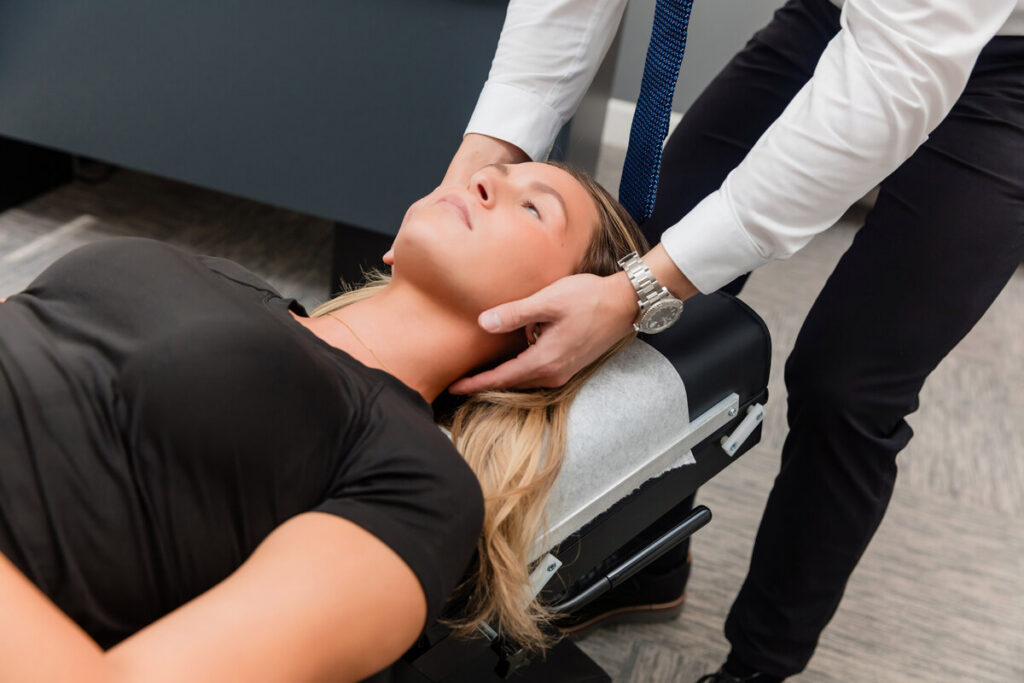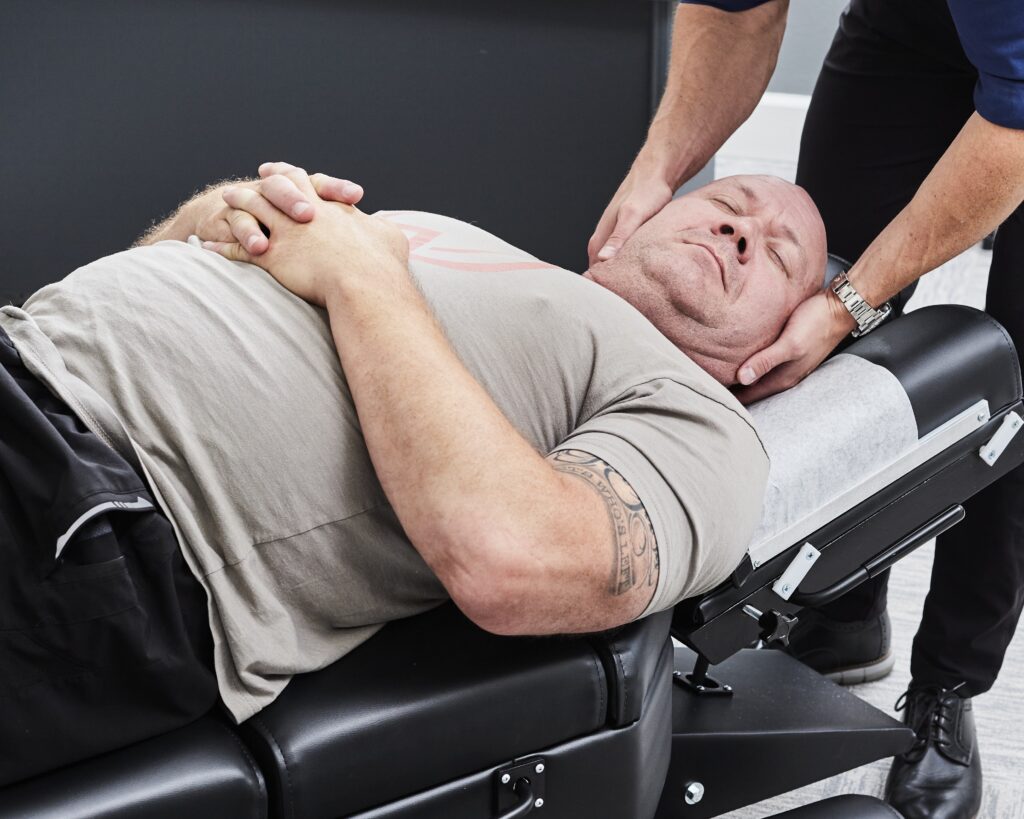

When dealing with a sports injury, opting for chiropractic therapy can significantly influence your recovery process. It's important to understand that healing goes beyond just addressing the physical aspects of your injury; it also involves nurturing your mental well-being. As a chiropractor, I focus on creating individualized treatment plans tailored to your specific needs, which can lead to a more efficient and effective recovery.
Many individuals may not realize that chiropractic care can play a vital role in overcoming the mental hurdles that often arise alongside physical injuries. By incorporating techniques that support both your body and mind, we can help you regain not only your strength but also your confidence in returning to your sport. As you consider your recovery options, keep in mind that the journey may be more intricate than it seems, but with the right support, you can navigate it successfully.
Understanding Sports Injuries
As a local chiropractor, I often see many athletes, both seasoned and newcomers, grappling with sports injuries. It's crucial to understand these injuries not just for recovery but for overall health and performance enhancement. When you engage in physical activities, your body faces various stresses that can result in injuries such as sprains, strains, fractures, and tendinitis. Early recognition of these injuries is vital to minimize damage and promote faster healing.
Sports injuries can be classified into two categories: acute and chronic. Acute injuries happen suddenly during a game or practice—think of twisting an ankle while sprinting or pulling a muscle during weightlifting. Conversely, chronic injuries develop gradually from repetitive stress, like shoulder tendinitis from frequent throwing. Recognizing the difference between these types of injuries is important for effective treatment.
Understanding how your injury occurred is another key aspect of recovery. If you know the mechanism behind your injury, you can take proactive steps to prevent it from happening again. For instance, if you've strained your hamstring while sprinting, it may be beneficial to adjust your warm-up routines and include flexibility exercises in your training regimen.
Being aware of the symptoms associated with sports injuries can also guide you in seeking appropriate care. Symptoms such as pain, swelling, or limited mobility should never be overlooked. By tuning into your body and understanding the nature of your injuries, you can make informed decisions about your recovery. This knowledge won't only aid in healing but also contribute to improving your athletic performance in the long run.
At our chiropractic practice, we focus on natural healing methods that help restore balance and function to your body. By utilizing techniques such as spinal adjustments, soft tissue therapy, and personalized exercise plans, we aim to support your journey toward recovery and optimal health.
Benefits of Physical Therapy
As a local chiropractor, I want to share with you the essential role that chiropractic care can play in your recovery from injuries, especially for athletes. Many individuals underestimate the benefits of seeking chiropractic treatment, but it can be a vital component in regaining your strength, mobility, and confidence after an injury.
One of the key advantages of chiropractic care is the personalized treatment plan tailored specifically to your needs. During your initial consultation, I'll assess your condition and design a program that targets your unique recovery goals, ensuring that you're on the right path to healing.
Chiropractic care also emphasizes pain management through natural methods. By utilizing spinal adjustments, manual therapy, and targeted exercises, we can alleviate discomfort and enhance your overall well-being. This proactive approach not only accelerates your recovery but also minimizes the risk of re-injury in the future.
Another significant benefit of chiropractic treatment is the focus on restoring function. I'll guide you through specific exercises that improve flexibility, strength, and coordination. By addressing these critical areas, you'll be better prepared to return to your sport, often with enhanced performance.
Additionally, chiropractic care promotes education about your body and the mechanics of injury. You'll learn proper techniques for movement and injury prevention, empowering you to make informed decisions in your training and daily activities.
Lastly, the supportive environment provided in chiropractic care can be incredibly motivating. I strive to be your partner in recovery, offering encouragement and accountability throughout your journey. This support can make a substantial difference, helping you stay committed to your rehabilitation process and achieve your health goals naturally.
Mental Health Impact
As a local chiropractor, I want to highlight an often-overlooked aspect of sports injuries: their mental health impact. Many athletes focus solely on the physical injuries, but the emotional toll can be just as significant. When you're unable to participate in your sport, it's common to experience feelings of frustration, anxiety, and even depression. This emotional burden can lead to a loss of identity, especially when your passion for sports is a big part of who you are.
Understanding that mental health and physical healing are closely intertwined is crucial. If you're feeling anxious or down, it can diminish your motivation to engage in necessary rehabilitation exercises. On the flip side, by prioritizing your mental health, you can actually enhance your recovery process.
This is where chiropractic care can play a vital role. While we focus on physical adjustments and alignment, we also recognize the importance of holistic healing, which includes emotional well-being. Sometimes, discussing your feelings with a professional can provide clarity and help you navigate the mental challenges of recovery.
You might uncover fears about returning to your sport that stem from deeper issues, like performance anxiety or fear of re-injury. A chiropractor can work with you not just on your physical rehabilitation but also help you address these emotional hurdles. This comprehensive approach can empower you to face your fears and facilitate a smoother return to your athletic pursuits.
Ultimately, prioritizing your mental health during recovery isn't just beneficial—it's essential. By taking care of both your emotional and physical well-being, you're setting yourself up for a more successful return to your sport.
Don't overlook this critical aspect of your recovery journey. Trust in the process of natural healing and know that you can achieve a balanced recovery with the right support.
Personalized Recovery Plans
As a local chiropractor, I want to emphasize the importance of a personalized recovery plan when it comes to healing from a sports injury. Unlike generic approaches, our tailored recovery strategies focus specifically on your unique needs.
We develop customized exercise regimens designed to strengthen your body and support your healing process. Additionally, we incorporate targeted pain management techniques that align with natural healing principles, helping you alleviate discomfort without relying on medications.
Tailored Exercise Regimens
As a local chiropractor, I want to emphasize the importance of tailored exercise regimens for effective recovery from sports injuries. If you've found yourself sidelined due to an injury, it's crucial to understand that a one-size-fits-all approach simply doesn't work. Each person's body, the specific sport they play, and the nature of their injury all contribute to creating a unique recovery path.
By collaborating with a qualified chiropractor, you can develop a personalized exercise plan that caters to your individual needs. These regimens are designed to gradually rebuild your strength, flexibility, and endurance. You'll engage in specific exercises that target the affected areas while steering clear of movements that may worsen your condition.
This customized approach not only accelerates your recovery but also significantly reduces the risk of re-injury when you return to your sport.
Additionally, one of the key benefits of working with a chiropractor is the ability to adapt your exercise plan as you progress. Your chiropractor will closely monitor your improvements and make necessary adjustments to ensure that you're continually challenged without feeling overwhelmed.
This ongoing support is essential in keeping you motivated and fully engaged in your healing journey.
Ultimately, by investing in a tailored exercise regimen through chiropractic care, you're setting yourself up for long-term success. You'll not only regain confidence in your body but also enhance your overall performance, paving the way for a safe return to the activities you love.
Targeted Pain Management
Effective pain management is a vital part of your personalized recovery plan after a sports injury, and as a local chiropractor, I want to help you understand how we can work together to alleviate your discomfort naturally. Pain can slow your progress and dampen your motivation, which is why implementing targeted pain management strategies specifically designed for your needs is so important.
During your initial visit, I'll assess your injury and pain levels to create a tailored plan that incorporates various chiropractic techniques. This may include spinal adjustments, manual therapy, and other natural modalities like heat or ice application. These targeted approaches aim to relieve discomfort and support your body's natural healing process.
In addition to hands-on treatments, I'll introduce specific exercises designed to strengthen the injured area while managing pain effectively. This not only helps address immediate discomfort but also sets you up for a more resilient recovery.
Open communication is key in our partnership. I encourage you to share your experiences and any adjustments we need to make to your pain management plan. Your feedback is invaluable in refining our approach and ensuring we meet your needs.
Progress Tracking Methods
As a local chiropractor, I often get asked how patients can ensure their recovery from sports injuries is on track. It's crucial to track your progress for a successful healing journey. A personalized recovery plan can help keep you focused and identify any areas that may need adjustment.
Here are some effective methods to ensure you're moving in the right direction:
- Regular Assessments: I recommend scheduling consistent check-ins with me or your healthcare provider. These assessments allow us to evaluate your physical condition, assess your progress, and adapt your recovery plan to better suit your needs.
- Goal Setting: It's beneficial to establish both short-term and long-term goals for your recovery. Celebrating small victories—such as improved range of motion or decreased pain—can help maintain your motivation and encourage a positive mindset throughout the healing process.
- Self-Monitoring: Keeping a journal can be a valuable tool during your recovery. By documenting your daily experiences, including pain levels, exercises completed, and any setbacks, you can gain insights into your healing journey and discuss them during our check-ins.
Utilizing these methods will give you a clearer understanding of your progress and reinforce accountability in your recovery.
Remember, healing isn't a straight path; you may experience ups and downs along the way. However, with a structured approach, you can recognize improvements and make any necessary adjustments.
Stay committed to your personalized recovery plan, and together, we can help you get back in the game stronger than ever!
Role of Counseling
When athletes encounter the challenges of sports injuries, chiropractic care can play a crucial role in their recovery journey. It's not solely about physical healing; emotional and mental well-being are just as important.
As a chiropractor, I understand that navigating the emotional ups and downs that often accompany an injury can be overwhelming. Feelings of frustration, sadness, or anxiety about returning to your sport are common, and addressing these feelings is vital for a holistic recovery.
Chiropractic care not only focuses on the physical aspects of healing but also emphasizes the importance of your overall mental health. Through our sessions, we can discuss your feelings and concerns in a supportive environment, providing you with the opportunity to express what you're going through.
Moreover, we can work together to develop coping strategies tailored to your unique circumstances. I can guide you on how to manage stress and maintain a positive mindset—both essential elements for getting back to your sport. Setting realistic goals is another critical component of recovery, and I can help you concentrate on what you can control during this challenging time.
Chiropractic care can also help you stay motivated while you're sidelined. It's easy to lose sight of your athletic identity when you're not playing, but we can explore ways to keep you connected to your sport. Whether it's through visualization techniques or engaging in alternative activities that support your recovery, we'll find strategies that resonate with you.
Additionally, I can assist you in developing effective communication skills. Whether you need to talk to your coaches, teammates, or family members about your recovery, I can provide guidance on how to express your needs and feelings clearly.
Techniques Used in Therapy
As a local chiropractor dedicated to your health and well-being, I want to take a moment to introduce you to the various techniques we use in chiropractic therapy to aid recovery from sports injuries. My goal is to help you regain your strength and mobility so you can return to the activities you love as quickly and safely as possible.
Here are some of the most effective methods we incorporate into our treatment plans:
- Spinal Manipulation: This hands-on technique is key to realigning your spine, which can improve your overall function, alleviate pain, and increase your range of motion. By ensuring your spine is in proper alignment, we can help your body heal more effectively.
- Soft Tissue Therapy: This approach focuses on the muscles, ligaments, and tendons surrounding your injury. By relieving tension and encouraging healing in these areas, we can help reduce discomfort and promote recovery.
- Rehabilitation Exercises: I'll design a personalized exercise program specifically for you. These targeted exercises will strengthen and stabilize your injured areas, helping to prevent future injuries and improve your performance in your chosen sport.
During our sessions, I'll assess your condition thoroughly and determine which techniques are best suited for your recovery. Often, I'll combine several methods to create a comprehensive treatment plan that not only addresses your current injury but also any underlying issues you may have.
This holistic approach focuses on both immediate relief and long-term wellness, empowering you to take an active role in your healing journey.
By incorporating these techniques into your recovery process, you can expect not only a quicker healing time but also an enhancement in your overall athletic performance. A personalized approach to therapy can truly make a significant difference in helping you return to your sport stronger than before.
If you're interested in learning more about how chiropractic care can benefit you, please feel free to reach out!
Success Stories
As a local chiropractor, I've witnessed many athletes achieve remarkable improvements through chiropractic care, and these success stories demonstrate the effectiveness of our personalized approaches to natural healing.
Let me share a few inspiring cases that illustrate how chiropractic therapy can make a significant difference.
Consider a local marathon runner who found herself facing a serious ankle injury just weeks before a major race. With a customized chiropractic plan that emphasized strength and flexibility, her progress was evident after just a few sessions. Not only did she recover in time for the event, but she also surpassed her personal best. This case highlights how targeted chiropractic care can lead to extraordinary outcomes.
Then we've a dedicated soccer player who battled persistent knee pain for months. After a comprehensive evaluation, I developed a chiropractic regimen that combined manual adjustments and specialized exercises. Within weeks, he was back on the field, feeling stronger and more confident than ever. His experience underscores the importance of addressing the underlying causes of an injury, paving the way for long-term success.
Another inspiring story is that of a high school gymnast eager to regain her full range of motion following a shoulder injury. With consistent chiropractic sessions focused on rehabilitation and functional training, she not only returned to her sport but also enhanced her overall performance.
These stories are just a glimpse into the transformative power of chiropractic care. You, too, can experience similar improvements.
By committing to a personalized treatment plan, you can recover effectively and return to the activities you love, just like these athletes. Their journeys remind us that healing encompasses not only physical recovery but also the restoration of our goals and passions.
If you're curious about how chiropractic care can support your health and well-being, I'm here to help guide you on your healing journey.
Overcoming Mental Barriers
When recovering from a sports injury, many individuals underestimate the impact of mental barriers, which can be just as limiting as the physical ones.
As your local chiropractor, I want to emphasize that feelings of fear about re-injury or a dip in confidence are common and can significantly affect your healing process.
It's essential to address these mental hurdles alongside your physical rehabilitation.
By incorporating mental resilience techniques into your recovery plan, you can overcome these obstacles and not only heal but also regain your competitive edge.
Together, we can work on a holistic approach that nurtures both your body and mind, ensuring a smoother and more complete recovery.
Fear of Re-injury
As a local chiropractor, I understand that the fear of re-injury can weigh heavily on the minds of athletes, creating a significant mental barrier that can impede both recovery and performance.
This fear can be quite daunting, making it difficult for you to fully engage in your rehabilitation process or feel confident returning to your sport. Navigating this mental landscape is a crucial part of your healing journey.
To help manage the fear of re-injury, I recommend considering the following strategies:
- Acknowledge Your Feelings: It's important to understand that feeling anxious about re-injury is completely normal. By acknowledging and accepting these emotions, you can begin to process them, diminishing their hold over you.
- Set Realistic Goals: Consider breaking your recovery into smaller, achievable milestones. This approach allows you to celebrate each small victory along the way, which can foster a greater sense of control and confidence in your healing process.
- Visualize Success: Take time to visualize yourself performing at your best, without the looming fear of re-injury. Engaging in positive visualization can help shift your mindset, paving the way for a more optimistic outlook on your recovery.
As your chiropractor, I'm here to support you in overcoming these challenges and guide you on your path to natural healing.
Together, we can work towards not only physical recovery but also fostering a positive mental state that empowers you to return to your sport with confidence.
Building Confidence Again
Overcoming the fear of re-injury is just the first step; now it's time to focus on rebuilding your confidence in your body and its capabilities. After an injury, it's natural to second-guess what you can do. You may hesitate before attempting movements that once felt effortless. Recognizing this mental barrier is crucial for your recovery, and as a chiropractor, I'm here to help guide you through this process.
Begin by setting small, achievable goals. Instead of jumping straight back into rigorous activity, focus on specific movements or exercises that feel manageable. Celebrate every success, no matter how minor it may seem. As you achieve these small goals, you'll likely notice an increase in your confidence.
Incorporating visualization techniques can also be beneficial. Take a moment to picture yourself performing activities with ease and confidence, free from fear and doubt. This mental practice can reinforce your belief in your abilities.
Additionally, surrounding yourself with supportive friends, family, and healthcare providers, including your chiropractor, can create a positive atmosphere that encourages your healing journey.
It's crucial to remember that rebuilding confidence is a process that takes time. Setbacks may occur, and that's perfectly normal. Each step you take towards recovery is a victory worth acknowledging.
Embrace this journey, and with patience and perseverance, you'll regain your confidence, allowing your body to function at its best once again. If you have any questions about how chiropractic care can support you through this journey, don't hesitate to reach out!
Mental Resilience Techniques
As a local chiropractor, I want to emphasize the importance of building mental resilience when it comes to recovering from sports injuries. While physical healing is crucial, your mindset can significantly influence your recovery journey.
It's normal to encounter doubts, fears, and frustration along the way, but developing mental resilience can help you overcome these obstacles.
Here are some effective techniques to foster that resilience:
- Visualization: Take a moment to picture yourself fully recovered and back to your sport. Visualize each step of your healing process and how empowering it feels to return to action. This practice can enhance your motivation and solidify your recovery goals.
- Self-Talk: Be mindful of how you speak to yourself. Shift any negative thoughts to positive affirmations. Remind yourself of the strengths and achievements you possess; this can significantly boost your confidence throughout your recovery.
- Mindfulness Practices: Incorporating mindfulness techniques, such as meditation or deep breathing exercises, can help you stay grounded in the present moment. These practices are excellent for reducing anxiety and sharpening your focus on the healing process.
By embracing these mental resilience techniques, you can complement the physical care I provide as your chiropractor, leading to a more holistic and effective recovery from your sports injury.
Preparing for Return to Sport
As a local chiropractor, I understand that returning to sport after an injury requires thoughtful preparation and a solid plan. It's essential to approach your comeback with care to ensure a smooth transition and minimize the risk of re-injury. The first step is to consult with a healthcare professional who understands your individual needs, like a sports physician or therapist. They can assess your readiness and help design a personalized recovery plan that aligns with your goals.
In my practice, I emphasize the importance of regaining strength and mobility through natural healing methods. Engaging in specific exercises is crucial for targeting the injured area while also strengthening the surrounding muscles. This not only helps restore balance but also significantly reduces the likelihood of future injuries.
It's vital to listen to your body during this phase and progress at a pace that feels right for you. Once you feel physically prepared, we can introduce sport-specific drills. Start with light activities that resemble your sport but at a lower intensity. As you gain confidence and your body responds positively, we can gradually increase the intensity.
Throughout this process, maintaining open communication with your coach or trainer is essential. Their guidance, combined with my chiropractic insights, can help you navigate your recovery effectively.
Mental preparation is equally crucial. I encourage my patients to visualize their performance, focusing on executing plays and movements with confidence. If you have lingering fears about re-injury, we can work together using techniques learned in therapy to address these concerns and reinforce your sense of capability.
Finally, it's essential to set realistic goals for your return to sport. Understand that regaining your previous form may take time, and that's completely normal. Embrace the journey, and remember that every small achievement is a step toward your ultimate goal of returning to the sport you love.
With the right approach and support, you can make a successful comeback and enjoy the benefits of natural healing.
Conclusion
As a local chiropractor, I want to emphasize the importance of choosing therapy for your sports injury recovery. Chiropractic care is a natural and effective way to facilitate your healing process, addressing not just the physical aspects of your injury but also supporting your overall mental well-being.
Through personalized treatment plans tailored to your specific needs, we can help you regain strength and confidence more rapidly. Our approach goes beyond just physical rehabilitation; we also focus on overcoming emotional barriers that may hinder your recovery.
By opting for chiropractic care, you're setting the stage for a successful return to your sport. Our goal is to ensure you are not only ready to perform at your best but also to help you prevent future injuries through proper alignment and muscle balance.
Don't wait—take the first step towards a healthier, pain-free life. Start your recovery journey with us today!