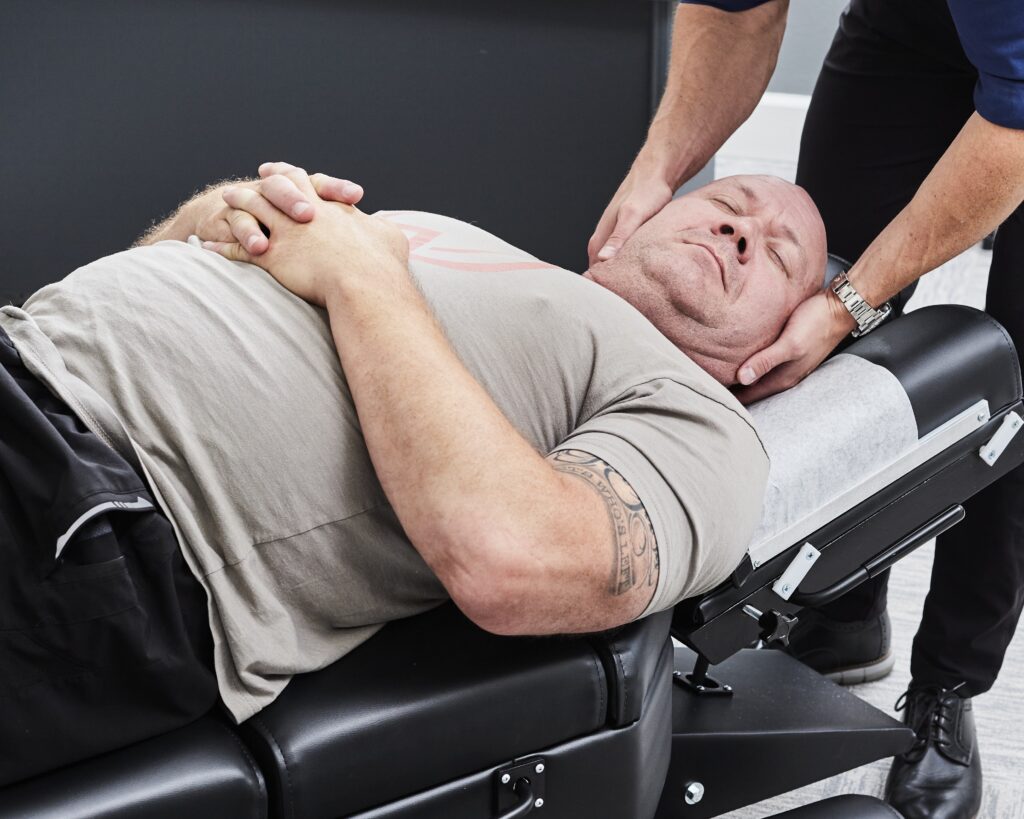

You might be surprised to learn just how significant chiropractors can be in the athletic recovery process. They don't just focus on pain relief; their techniques can enhance mobility and even improve performance. By realigning the spine and optimizing nerve function, they help athletes bounce back from injuries and intense training. But that's not all—these professionals often team up with other healthcare providers to develop thorough recovery plans. So, what specific techniques do they use, and how do these strategies contribute to an athlete's long-term success?
Understanding Athletic Recovery
Athletic recovery is more than just rest; it's an essential phase that allows your body to heal, rebuild, and prepare for future performance. After intense workouts or competitions, your muscles undergo stress and micro-tears, which need time and the right conditions to repair. Understanding this process helps you optimize your training and enhance your overall performance.
You might think recovery is all about taking a break, but it involves active strategies. Hydration is critical; replenishing fluids lost during exercise supports cellular function and aids in muscle repair. Nutrition plays an important role too. Consuming the right mix of proteins, carbohydrates, and fats post-workout fuels recovery and promotes muscle growth.
Sleep shouldn't be overlooked either. Quality sleep enhances recovery by allowing your body to release growth hormones that repair tissues and strengthen muscles. Aim for 7-9 hours of restful sleep per night to maximize your recovery efforts.
Incorporating active recovery techniques like light jogging, stretching, or yoga can also be beneficial. These activities increase blood flow, which helps deliver nutrients to your muscles and remove waste products.
Listening to your body is key. If you're feeling fatigued or experiencing pain, it's a sign you might need more recovery time or a change in your routine.
Benefits of Chiropractic Care
After a rigorous training session, many athletes turn to chiropractic care to enhance their recovery process. You might be surprised by the range of benefits chiropractic care offers.
First and foremost, it helps alleviate pain. Whether you're dealing with soreness from an intense workout or chronic issues, a chiropractor can help reduce discomfort through targeted adjustments.
Additionally, chiropractic care improves your overall range of motion. By realigning your spine and joints, it allows you to move more freely, which can be vital for maintaining your performance. Better mobility not only enhances your workouts but also reduces the risk of injuries.
Another significant benefit is the boost in your body's natural healing ability. Chiropractors often emphasize the connection between the spine and the nervous system. By ensuring proper spinal alignment, you can enhance nerve function, which may accelerate your recovery after strenuous activities.
You might also find that regular chiropractic visits can help with stress relief. The physical adjustments can promote relaxation, helping your body recover both physically and mentally.
Furthermore, improved posture from chiropractic care can lead to better overall performance in your sport.
Finally, many athletes report improved sleep quality after receiving chiropractic treatments. Quality rest is essential for recovery, and if you're sleeping better, you're likely performing better too.
In short, incorporating chiropractic care into your recovery routine can offer you valuable advantages that support both your athletic performance and overall well-being.
Techniques Used by Chiropractors
When you consider chiropractic care, you'll find a variety of techniques that can enhance your recovery.
Spinal adjustments, soft tissue therapy, and rehabilitation exercises are just a few methods that chiropractors use to help athletes like you perform at their best.
Understanding these techniques can give you insight into how they support your overall athletic recovery.
Spinal Adjustments Benefits
Spinal adjustments play an integral role in enhancing recovery for athletes by realigning the spine and improving overall function. When you undergo spinal adjustments, you're helping restore proper alignment, which can alleviate pain and tension throughout your body. This realignment allows for better communication between your brain and nervous system, leading to improved coordination and performance.
Chiropractors utilize various techniques, such as high-velocity low-amplitude thrusts and gentle mobilization, to address misalignments in your spine. These adjustments can reduce inflammation, enhance blood flow, and promote faster healing. They also help increase your range of motion, allowing you to perform at your best without the limitations of discomfort.
Moreover, spinal adjustments can improve your posture, which is vital for athletes who rely on ideal biomechanics during training and competition. By maintaining a well-aligned spine, you're less likely to experience injuries related to poor posture or muscle imbalances.
Incorporating spinal adjustments into your recovery routine can lead to more effective training sessions and improved performance outcomes.
Soft Tissue Therapy
Utilizing various soft tissue therapy techniques, chiropractors can effectively address muscle tension and promote recovery in athletes. These methods focus on the muscles, tendons, and fascia, helping to alleviate pain and improve function.
One common technique is massage therapy, which enhances blood flow and reduces tightness in the muscles. By applying pressure and manipulating soft tissues, you can experience significant relief from soreness and stiffness.
Another effective method is myofascial release, targeting the fascia surrounding your muscles. This technique helps to release restrictions and improve mobility, allowing you to move more freely during training or competition.
Additionally, instrument-assisted soft tissue mobilization (IASTM) can be utilized. This technique involves using specialized tools to break down scar tissue and fascial restrictions, promoting healing.
Active release technique (ART) is another option, focusing on specific muscle groups to release tension and restore normal function.
Rehabilitation Exercises
After addressing muscle tension with soft tissue therapies, rehabilitation exercises come into play as an important part of the recovery process. These exercises focus on restoring strength, flexibility, and stability to the affected areas, ensuring you're on track to return to your athletic activities. Your chiropractor will often tailor these exercises to meet your specific needs, considering your injury and overall fitness level.
You'll likely engage in a variety of movements, such as stretching, strengthening, and balance exercises. Stretching helps improve flexibility and range of motion, while strengthening exercises work to rebuild muscle strength and endurance. Balance exercises enhance your stability, which is essential for preventing future injuries.
During your sessions, it's important to communicate any discomfort or pain you experience, as this feedback helps your chiropractor adjust your program accordingly.
Consistency is key; performing these exercises as prescribed will greatly speed up your recovery. Remember, rehabilitation isn't just about healing; it's about preparing your body to face the demands of your sport. By committing to your rehabilitation exercises, you'll set yourself up for a successful return to the game.
Injury Prevention Strategies
To keep injuries at bay, you should prioritize pre-game assessments to identify any potential issues.
Proper stretching techniques also play a vital role in preparing your body for the demands of athletic performance.
Pre-Game Assessments
Pre-game assessments play an essential role in injury prevention strategies for athletes. These evaluations help identify any physical limitations or areas of concern before you hit the field. By conducting thorough assessments, chiropractors can pinpoint muscle imbalances, joint restrictions, or previous injuries that might hinder your performance.
During these assessments, you'll typically undergo a series of tests that analyze your flexibility, strength, and overall movement patterns. This information allows chiropractors to develop tailored recommendations aimed at improving your physical readiness. You'll gain insights into the specific areas needing attention, whether it's strengthening weak muscles or improving your joint mobility.
Moreover, pre-game assessments foster open communication between you and your chiropractor. By discussing your training regimen, any discomfort you may be experiencing, and your overall goals, they can provide personalized advice to enhance your performance.
Ultimately, these assessments help you take proactive steps to minimize the risk of injuries during competition. Incorporating pre-game assessments into your routine not only prepares your body but also boosts your confidence as you step into the game ready to perform at your best.
Proper Stretching Techniques
Incorporating proper stretching techniques into your routine can notably enhance injury prevention strategies for athletes. Stretching isn't just about improving flexibility; it prepares your muscles for the demands of your sport.
Begin with dynamic stretches, like leg swings or arm circles, to warm up your muscles and increase blood flow. These movements activate your muscles and enhance your range of motion.
After your workout, focus on static stretching, where you hold stretches for 15-30 seconds. Target major muscle groups like hamstrings, quadriceps, and shoulders. This helps to elongate the muscles, reducing stiffness and promoting recovery.
Remember to breathe deeply during each stretch; this increases oxygen flow and helps you relax.
It's essential to listen to your body. Never push through pain; if a stretch feels uncomfortable, ease off. Regularly incorporating these techniques into your training can markedly lower the risk of injuries like strains and sprains.
You might also consider consulting a chiropractor who can provide personalized stretching advice tailored to your specific needs. By prioritizing proper stretching techniques, you're taking a proactive step toward maintaining your athletic performance and overall well-being.
Enhancing Performance Through Alignment
Aligning your body effectively can greatly enhance athletic performance. When your spine and joints are properly aligned, you allow your body to move more efficiently. This improved alignment reduces unnecessary strain on your muscles and joints, which can lead to better endurance and strength during your activities. You'll find that your movements become more fluid, enabling you to perform at your peak.
Chiropractors play an essential role in achieving this alignment. They assess your posture, biomechanics, and overall movement patterns. By identifying any misalignments or restrictions, they can develop a tailored treatment plan that includes spinal adjustments and other manual therapies. These adjustments not only promote better alignment but also enhance your body's overall function.
Moreover, proper alignment can help prevent injuries. When your body is in sync, the risk of overcompensation decreases. You'll notice that your ability to engage in high-intensity training improves, as you can push your limits without the fear of injury lurking around the corner.
After a chiropractic adjustment, you might feel immediate changes in your performance. Many athletes report increased range of motion and reduced tension, which allows them to train harder and recover faster.
Whether you're a weekend warrior or a professional athlete, prioritizing alignment through chiropractic care can be a game-changer. Embrace this proactive approach to enhance your performance and reveal your full athletic potential.
Collaborating With Other Healthcare Professionals
Many athletes find that collaborating with other healthcare professionals can greatly enhance their recovery journey. When you integrate chiropractic care with other disciplines, you create a thorough approach that addresses not just the symptoms, but the underlying causes of your injuries. Chiropractors often work alongside physical therapists, nutritionists, and sports medicine doctors to guarantee you receive well-rounded care tailored to your specific needs.
For instance, if you're recovering from a sports injury, your chiropractor can align your spine and joints to improve mobility. Meanwhile, a physical therapist can focus on strengthening the muscles surrounding the injured area. By working together, they can create a coordinated rehabilitation plan that targets both alignment and functional movement, speeding up your recovery time.
Nutrition also plays a critical role in recovery, and collaborating with a nutritionist can optimize your diet to support healing. Proper nutrition can reduce inflammation and provide the necessary energy for your body to recover effectively.
Additionally, communication between all parties guarantees everyone is on the same page regarding your progress and any adjustments needed in your treatment.
Ultimately, building a network of healthcare professionals allows you to benefit from diverse expertise, resulting in a more effective recovery process. When you take the initiative to collaborate, you empower yourself to achieve better outcomes and get back to your sport stronger than ever.
Real-Life Case Studies
Real-life case studies illustrate how chiropractic care can greatly impact athletic recovery when integrated with other healthcare disciplines.
Take, for instance, a college soccer player who suffered a recurrent hamstring injury. Despite undergoing traditional physical therapy, the athlete struggled to regain full strength. After consulting a chiropractor, they incorporated spinal adjustments and specific exercises into their recovery plan. Within weeks, the player noticed significant improvement in flexibility and reduced pain, allowing them to return to the field stronger than before.
Another example involves a professional runner dealing with persistent knee pain that hindered performance. The runner sought chiropractic care and underwent an extensive evaluation. The chiropractor identified misalignments causing undue stress on the knee joint. Through targeted adjustments and soft tissue therapy, the runner experienced a marked reduction in pain and improved range of motion. This case emphasizes how chiropractic care can address underlying issues, rather than just treating symptoms.
Lastly, consider a triathlete who faced chronic fatigue and muscle tightness. By collaborating with a chiropractor, they learned the importance of spinal health in overall athletic performance. The chiropractor introduced a tailored program that included regular adjustments, stretching techniques, and nutritional guidance. The triathlete reported a remarkable boost in energy levels and recovery time, enabling them to train more effectively.
These cases highlight the importance of a holistic approach to athletic recovery. By combining chiropractic care with other healthcare strategies, you can enhance your performance and accelerate your recovery.
Conclusion
Incorporating chiropractic care into your athletic recovery routine can make a significant difference in your performance and overall well-being. By addressing spinal alignment, enhancing mobility, and preventing injuries, chiropractors play an essential role in helping you recover and thrive. Their collaboration with other healthcare professionals guarantees you receive an all-encompassing approach tailored to your needs. So, if you're looking to improve your recovery and stay at the top of your game, consider consulting a chiropractor for best results.