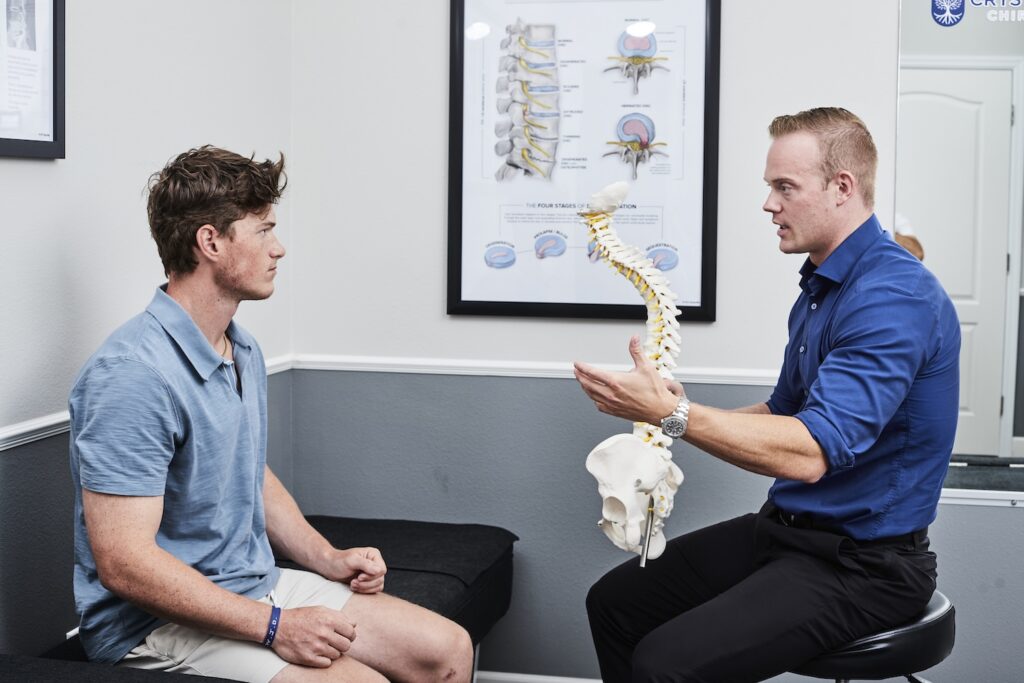
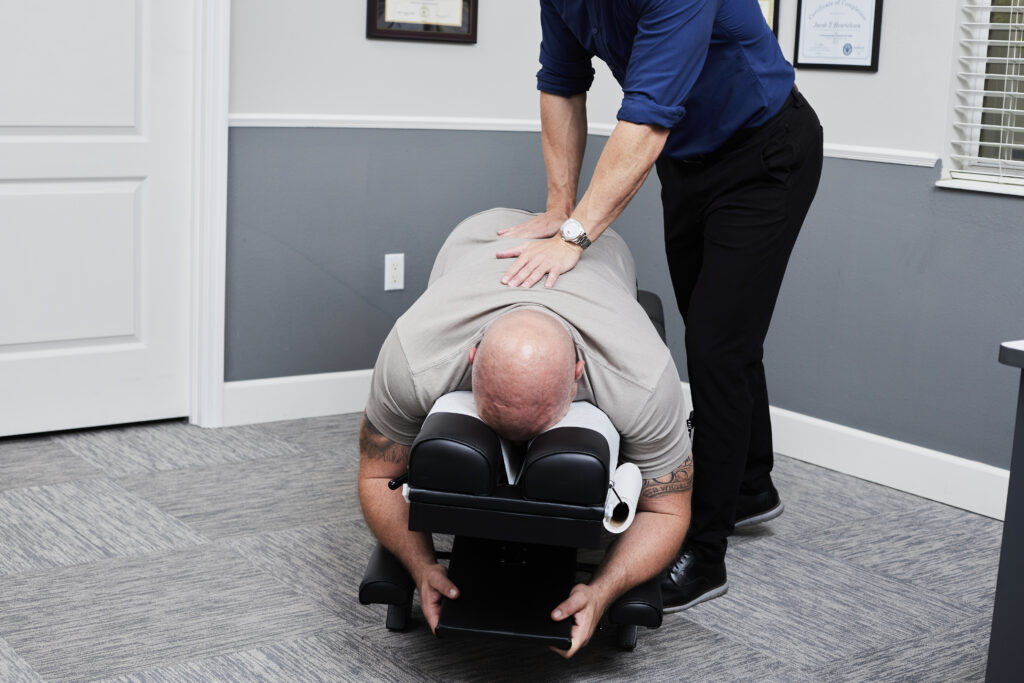
As a local chiropractor, I understand that chronic pain can significantly impact your daily life. But what if I told you there are secrets to preventing that pain from becoming a constant companion? By delving into the root causes of your discomfort and embracing holistic strategies, you can take charge of your health and well-being.
Chiropractic care isn't just about alleviating symptoms; it's about empowering you to make informed choices regarding exercise, nutrition, and even exploring alternative therapies that may surprise you. Imagine how a comprehensive approach to your health could transform your experience with pain.
As we explore these options together, I invite you to consider how chiropractic care can play a vital role in not just managing your pain, but in preventing it from returning. Let's unlock the secrets to lasting pain prevention together!
Understanding Chronic Pain
Chronic pain is a condition that affects millions of individuals, and as a chiropractor, I believe it's important to help you understand its complexities for effective management. Many people see chronic pain as simply a lingering ache or discomfort, but it's far more intricate than that.
It's a multifaceted issue that can be influenced by a variety of factors, including physical, emotional, and environmental elements. This pain might arise from an injury, a medical condition, or even sometimes without any clear cause, which can be incredibly frustrating for those who experience it.
What's essential to recognize is that chronic pain doesn't only impact your physical health; it can also take a toll on your mental well-being, relationships, and overall quality of life. Many patients express feelings of isolation or being misunderstood, as it can be difficult for others to fully comprehend the daily challenges you face.
This is why learning to cope with the emotional and psychological aspects of chronic pain is just as crucial as addressing its physical symptoms.
While there isn't a universal solution for managing chronic pain, natural healing strategies can make a significant difference. Staying active, practicing mindfulness, and maintaining a nutritious diet are all beneficial steps you can take toward enhancing your overall well-being.
As a chiropractor, I often recommend incorporating relaxation techniques and engaging in enjoyable hobbies, as these can help alleviate some of the stress that accompanies chronic pain.
Ultimately, understanding chronic pain is the first step toward regaining control over your life and health. By acknowledging its complexities and how it affects you, you can take an active role in your treatment plan.
Together, we can work toward a more fulfilling life, despite the challenges that chronic pain may present. I encourage you to explore chiropractic care as a natural and holistic approach to help manage your pain and improve your quality of life.
Identifying Root Causes
As a local chiropractor, I want to help you understand the importance of identifying the root causes of your chronic pain. Simply masking the pain with temporary solutions won't provide the long-lasting relief you deserve.
Let's take a closer look at the factors that could be contributing to your discomfort.
First, reflect on your personal health history. Have you experienced previous injuries or do you have medical conditions that could play a role?
Additionally, your lifestyle habits are crucial. Consider whether you spend extended periods sitting, lift heavy objects without proper technique, or perform repetitive motions. These everyday activities can gradually strain your body, leading to chronic pain.
I encourage you to observe how your pain aligns with your daily routines. Keeping a pain journal may prove beneficial; it allows you to note when and where your discomfort occurs, along with the activities you were engaged in at those times.
It's also essential to acknowledge the emotional aspects of pain. Stress and anxiety can have a significant impact on your physical well-being and may exacerbate your pain.
Take a moment to evaluate your mental health and identify any sources of emotional stress in your life.
Lastly, seeking guidance from healthcare professionals is vital. As a chiropractor, I can perform a thorough evaluation to help uncover underlying causes of your pain that may not be immediately apparent.
Collaborating with specialists, such as physical therapists and pain management experts, allows us to take a comprehensive approach to your care and better understand your unique situation.
Your journey to relief starts with understanding your body and the factors at play. Together, we can work towards achieving a healthier, pain-free life through natural healing methods.
Importance of Regular Exercise
As a local chiropractor, I want to emphasize that regular exercise isn't just about maintaining a fit appearance; it plays a crucial role in enhancing your overall health and well-being.
Engaging in physical activity strengthens your muscles, improves your flexibility, and boosts your balance, all of which are vital for a pain-free life.
When you integrate exercise into your daily routine, you create a foundation for better spinal health and a more resilient body.
Understanding these benefits can help you prevent discomfort and ensure you move with ease.
Let's delve into how a consistent exercise regimen complements chiropractic care and supports your journey toward natural healing.
Boosts Muscle Strength
As a local chiropractor, I want to emphasize the importance of incorporating exercise into your routine for building muscle strength, which can significantly enhance your overall well-being.
When you engage in regular strength training, you're not just working your muscles; you're also promoting a natural healing process that makes daily activities easier and more enjoyable.
By stimulating your muscles to grow and adapt, you increase your power and endurance, transforming tasks like lifting groceries, climbing stairs, or playing with your kids from burdensome chores into enjoyable activities.
Building muscle strength also means your body becomes more efficient at performing everyday movements. Many of you may have experienced discomfort or strain in certain activities; strengthening your muscles can help reduce those challenges and lower your risk of injury.
Additionally, stronger muscles provide vital support to your joints, alleviating discomfort and preventing pain over time.
To get started, I recommend implementing a balanced mix of weightlifting, bodyweight exercises, and resistance bands. Aim for at least two days a week of strength training, focusing on all major muscle groups.
Consistency is crucial; the more regularly you exercise, the more pronounced the benefits you'll experience.
Moreover, as you build muscle, you'll notice positive changes in your metabolism. Muscle tissue burns more calories at rest compared to fat, which can make maintaining a healthy weight easier.
Embrace this journey towards greater strength and vitality; it's an essential part of your overall health and healing process.
Enhances Flexibility and Balance
As a chiropractor, I want to emphasize the importance of flexibility and balance as fundamental aspects of your overall health and wellness. These elements play a crucial role in enhancing your daily life and can significantly impact your physical well-being.
By incorporating regular exercise into your routine, you can improve your body's range of motion and stability, which not only helps prevent injuries but also makes everyday activities, like bending down to pick something up or navigating uneven surfaces, much more manageable.
Participating in practices such as yoga, Pilates, or tai chi can specifically target flexibility and balance, which I often recommend to my patients. These exercises effectively stretch your muscles and enhance coordination, enabling you to move with greater ease.
As your flexibility improves, you may also notice a positive change in your posture, which can alleviate strain on your back and joints—a common issue I see in my practice.
Additionally, maintaining good balance is vital in preventing falls, particularly as we age. I frequently highlight the importance of core strength exercises, as they can significantly enhance your stability.
By dedicating time to flexibility and balance training, you're not just improving your physical abilities; you're also investing in your long-term health and well-being.
If you're new to chiropractic care or natural healing, I encourage you to explore these practices as part of a holistic approach to your health.
Nutrition's Role in Pain Management
As your local chiropractor, I want to emphasize the important role nutrition plays in managing pain.
What you choose to eat can significantly influence your comfort and healing process. By incorporating anti-inflammatory foods into your diet, addressing any nutrient deficiencies, and ensuring you stay properly hydrated, you can enhance your overall pain management strategy.
Let's dive into how these nutritional choices can support your journey towards better health and relief from discomfort.
Anti-Inflammatory Foods
As a chiropractor, I want to emphasize how important nutrition is in managing inflammation and pain in the body. The foods you choose to eat can play a significant role in your overall well-being and pain management. By incorporating anti-inflammatory foods into your diet, you can support your body's natural healing processes.
Start by focusing on a variety of fruits and vegetables, particularly berries, cherries, and leafy greens. These foods are packed with antioxidants that help fight oxidative stress and reduce inflammation. Whole grains, such as brown rice and quinoa, are also beneficial because they provide essential fiber that promotes a healthy gut, which is crucial for overall health.
Don't overlook the importance of healthy fats! Incorporate sources like olive oil, avocados, and fatty fish, such as salmon and mackerel, into your meals. These foods are rich in omega-3 fatty acids, which have been shown to have powerful anti-inflammatory effects.
Additionally, spices like turmeric and ginger can be wonderful additions to your diet, as they naturally help relieve pain and inflammation.
On the other hand, it's best to avoid processed foods, high sugars, and trans fats, as these can contribute to increased inflammation in the body. Instead, aim for a balanced diet filled with whole, nutrient-dense foods that not only nourish your body but also support your healing journey.
Nutrient Deficiencies Impact
As a local chiropractor, I want to share with you the importance of understanding not just how inflammation affects pain, but also how nutrient deficiencies can play a significant role in your overall discomfort.
When we think about managing pain, it's essential to recognize that certain vitamins and minerals are crucial for your body's health and can directly influence how you experience pain.
For example, magnesium is a key mineral that helps relax your muscles. If you're low in magnesium, you might find yourself dealing with muscle tension and cramps, which can increase your discomfort.
Similarly, vitamin D is vital for bone health and immune function; inadequate levels may contribute to chronic pain conditions.
It's also worth noting the benefits of omega-3 fatty acids, which are abundant in foods like fatty fish and flaxseeds. These essential fats can help reduce inflammation, and insufficient intake may lead to heightened pain and stiffness.
Moreover, B vitamins play a critical role in maintaining nerve health, and a deficiency in these vitamins can lead to neuropathic pain, which is often a challenging type of discomfort to manage.
To effectively address your pain, I encourage you to take a closer look at your diet and identify any nutritional gaps.
By incorporating a variety of nutrient-rich foods, you can help reduce deficiencies and enhance your pain management.
If you feel you may be lacking essential nutrients, please consider consulting with a healthcare professional for personalized guidance.
Hydration and Pain Relief
As a local chiropractor, I want to emphasize the often-overlooked importance of proper hydration in managing pain. Many people may not realize that staying well-hydrated can significantly influence how your body feels and functions. When you drink enough water, your body operates more efficiently, helping to alleviate discomfort. Hydration plays a crucial role in transporting nutrients, flushing out toxins, and keeping your joints lubricated—all of which are essential for reducing pain.
Dehydration can contribute to various issues, such as muscle cramps, headaches, and fatigue, all of which can worsen your pain. It's vital to drink sufficient fluids throughout the day, particularly if you're active or live in a warmer climate. A good rule of thumb is to aim for at least eight 8-ounce glasses of water daily, but it's important to listen to your body, as some individuals may need more.
In addition to drinking water, you can enhance your hydration through fruits and vegetables like cucumbers, watermelon, and oranges. These foods not only keep you hydrated but also provide essential vitamins and minerals that support your overall health and can help with pain relief.
If you frequently experience discomfort, I encourage you to evaluate your hydration levels. Simple adjustments—like keeping a water bottle nearby or including hydration-rich foods in your diet—can have a profound impact on your well-being.
Stress Management Techniques
Stress can often feel like a heavy burden, hindering your ability to enjoy daily activities and affecting your overall health. As a chiropractor, I want to emphasize the importance of managing stress not just for your well-being, but also to support proper spinal alignment and function.
Integrating effective stress management techniques into your routine can significantly enhance your quality of life and complement your chiropractic care.
Here are five stress management techniques that I recommend to my patients:
- Deep Breathing: Allocate a few minutes each day to focus on your breathing. Inhale deeply through your nose, hold for a few seconds, and then exhale slowly. This practice not only calms your mind and body but also promotes relaxation in the muscles surrounding your spine, which can help alleviate tension.
- Physical Activity: Regular exercise, whether it's a brisk walk, swimming, or yoga, can release endorphins that naturally combat stress and improve your mood. Physical activity is also vital for maintaining a healthy spine and overall body function.
- Mindfulness Meditation: Practicing mindfulness meditation daily allows you to concentrate on the present moment, helping you release worries that can lead to physical tension and stress. This can be particularly beneficial for maintaining a healthy posture and reducing strain on your spine.
- Connect with Others: Don't underestimate the power of social interaction. Connecting with friends or family members, whether through conversation or shared activities, can significantly lower your stress levels. Emotional support plays a crucial role in your overall health and can complement the physical benefits of chiropractic care.
- Limit Caffeine and Alcohol: Both caffeine and alcohol can heighten stress levels and disrupt your body's natural balance. Reducing your intake of these substances can lead to improved mental clarity and better bodily function, enhancing your chiropractic treatment outcomes.
Incorporating these techniques into your daily life can't only help manage stress but also support your overall health and chiropractic care journey.
Sleep and Pain Connection
As a chiropractor dedicated to your overall health and well-being, I want to emphasize the crucial role that sleep plays in how your body manages pain. Many people may not realize that insufficient quality sleep can significantly increase your pain perception, making even minor discomfort feel much more intense. This heightened sensitivity to pain can create a challenging cycle that's often difficult to break.
Consider how you feel after a night of poor sleep. You might wake up feeling sore or irritable, and your daily activities may start to feel overwhelming. This isn't just a coincidence; research shows that inadequate sleep can worsen chronic pain conditions such as fibromyalgia and arthritis. Your body requires restorative sleep to heal properly and to regulate pain hormones effectively.
To enhance your sleep quality, I recommend establishing a consistent sleep schedule. Aim to go to bed and wake up at the same time every day, even on weekends. Creating a calming bedtime routine can signal to your body that it's time to wind down. This could involve activities like gentle stretching, reading, or meditating.
Additionally, pay attention to your sleep environment—keeping your bedroom dark, cool, and quiet can significantly improve your sleep quality.
By incorporating these habits into your daily routine, you may find that your pain levels decrease over time. Remember, prioritizing your sleep isn't just about enhancing your rest; it's also a vital step toward preventing and managing pain naturally.
Alternative Therapies to Explore
As a local chiropractor, I'm passionate about educating my patients about the benefits of alternative therapies, particularly chiropractic care, and how they can contribute to your pain relief and overall well-being.
If you've been searching for solutions beyond conventional treatments that haven't quite worked for you, I encourage you to consider a more holistic approach. These therapies aim to treat the whole person, addressing not just the symptoms but the root causes of discomfort.
Here are five alternative therapies that can complement your chiropractic care:
- Chiropractic Care: At the heart of my practice, chiropractic care focuses on aligning your spine and joints to alleviate pain and improve your body's functionality. By correcting misalignments, we can enhance your nervous system's performance, leading to better health outcomes.
- Acupuncture: This ancient technique involves the insertion of thin needles into specific points on the body. It can work hand-in-hand with chiropractic adjustments to relieve pain and promote healing in a natural way.
- Massage Therapy: Incorporating massage into your wellness routine can be incredibly beneficial. Regular sessions can relieve muscle tension, enhance circulation, and reduce stress—factors that contribute to pain and discomfort.
- Yoga: I often recommend yoga to my patients as it combines physical postures, breathing techniques, and meditation. Practicing yoga can improve flexibility and strength, while also promoting relaxation, which is essential for pain management.
- Herbal Remedies: You may find that certain herbs, such as turmeric, ginger, and willow bark, have natural anti-inflammatory properties. These can be effective in managing pain and can be used alongside your chiropractic treatments.
Integrating these therapies into your routine can't only help reduce pain but also significantly enhance your overall quality of life.
However, it's crucial to consult with a healthcare professional before starting any new therapy. I'm here to help guide you in choosing the right combination of therapies based on your unique needs, ensuring they complement your chiropractic care.
Embracing alternative therapies could be the fresh perspective you need to take control of your pain management journey and achieve a healthier, more balanced life.
Building a Support System
Creating a robust support system can significantly enhance your journey toward pain management and overall wellness, especially when integrating chiropractic care into your life. As a chiropractor, I believe that surrounding yourself with understanding and compassionate individuals is crucial in navigating the challenges of managing pain.
Whether it's friends, family, or support groups, having a network of people who genuinely care about your wellbeing can profoundly affect your mental and emotional health.
Begin by reaching out to those closest to you. Share your experiences with pain and your interest in chiropractic care, and let them know how they can support you on this journey. It might be as simple as having someone accompany you to your chiropractic appointments or just being there to listen when you feel overwhelmed.
This open communication can help strengthen your relationships and encourage your loved ones to be more involved in your path to wellness.
I also encourage you to seek out local or online support groups focused on natural healing and pain management. Connecting with others who share similar experiences can offer invaluable insights and support.
These groups often provide a safe space to discuss your challenges and victories, helping you feel less isolated in your efforts to combat pain.
Additionally, don't overlook the importance of professional support. In conjunction with chiropractic care, working with therapists, coaches, or counselors can help you develop effective coping strategies and provide personalized guidance tailored to your needs.
Together, we can build a comprehensive support system that promotes healing and enhances your quality of life.
Conclusion
As your local chiropractor, I want to share with you the holistic approach to pain prevention that can lead to lasting relief. It's essential to understand your pain and identify its root causes, which is where chiropractic care shines. We focus on not just alleviating symptoms but addressing underlying issues to promote healing.
Incorporating regular exercise and a balanced diet into your routine is crucial for maintaining your health. Additionally, managing stress through techniques like mindfulness or meditation can significantly impact your overall well-being.
Never underestimate the importance of sleep in your recovery process. Quality rest allows your body to heal and rejuvenate. Alternative therapies, such as yoga and acupuncture, can also complement your chiropractic care by enhancing flexibility and reducing tension.
Lastly, building a strong support system is vital for strengthening your emotional resilience. Surround yourself with friends and family who encourage your journey towards better health. By embracing these strategies and incorporating chiropractic care into your life, you can take control of your well-being and work towards a pain-free existence.