
Backpack Safety for Kids: A Lutz Chiropractor’s Guide to Healthy Spines
As a family chiropractor here in Lutz, I see how much a backpack can shape a child’s posture, comfort, and long-term spinal health. The good news is that small changes in how a backpack is chosen, packed, and worn can make a big difference. In this guide, I’ll walk you through simple, evidence-informed tips to protect your child’s growing spine — and explain how chiropractic care at Crystal Grove Chiropractic supports healthy alignment and movement as kids learn and grow.
Quick definition: A spine-friendly backpack setup means choosing the right pack, keeping it light, and wearing it close to the body with both straps. These habits reduce strain on the neck, shoulders, and lower back, helping kids move and learn more comfortably.
Table of Contents
- Why Backpack Habits Matter for Kids’ Spines
- The Biomechanics of Backpacks (Made Simple)
- Common Backpack Mistakes in Real Life
- How Chiropractic Care Supports Growing Spines
- Smart Backpack Setup: Step-by-Step Tips
- When to See a Chiropractor (and When to Seek Medical Care)
- Myths and Facts About Kids’ Backpacks
- Final Thoughts from Your Lutz Chiropractor
Why Backpack Habits Matter for Kids’ Spines
Backpacks are part of everyday life for students across Lutz — from morning bus stops to after-school activities. Carried the wrong way, though, they can irritate the shoulders, strain the neck, and pull the spine out of its best alignment. Over time, that may show up as aches, fatigue, headaches, or slouched posture.
Kids’ bodies are growing fast. Their spines, muscles, and joints adapt to repeated stresses. A heavy, low-hanging backpack nudges the body forward, forcing compensations like arching the low back or jutting the head forward. Good habits early help kids feel better now and move better later.
The Biomechanics of Backpacks (Made Simple)
Our bodies like loads that are close to the center of gravity, balanced, and stable. A well-fitted backpack does exactly that. A poorly fitted one pulls unevenly and makes muscles work overtime just to keep balance.
Here’s the simple version: weight held low and away from the spine acts like a long lever. The farther the load is from the body, the harder the back muscles have to contract to counter it. That can create tight shoulders, a tired lower back, and a forward head posture that stresses the neck.
Straps and padding help distribute pressure. Chest and hip straps stabilize the pack so it doesn’t swing, slide, or bounce with every step. When a backpack sits high, close, and centered, kids move more naturally and comfortably.
Common Backpack Mistakes in Real Life
In our clinic, we notice a few repeat offenders. These are everyday mistakes that stack up over a long school year — and how to fix them fast.
| Backpack Mistake | How It Stresses the Spine | Quick Fix |
|---|---|---|
| Wearing one strap | Uneven shoulder loading; side-bending and rotation of the spine | Use both straps and tighten snugly |
| Backpack hanging low near hips | Increases lumbar sway and forward lean | Adjust so the pack sits at mid-back, not below the waist |
| Overstuffed backpack | Extra weight multiplies strain on neck and low back | Keep total weight to about 10–15% of body weight |
| No chest or hip strap | Pack shifts side-to-side, stressing mid-back | Buckle chest strap; use hip strap when walking longer distances |
| Thin, narrow shoulder straps | Pressure points on nerves and soft tissues | Choose wide, padded straps |
Small adjustments like these add up. They help kids focus on class and sports without the distraction of soreness and fatigue.
How Chiropractic Care Supports Growing Spines
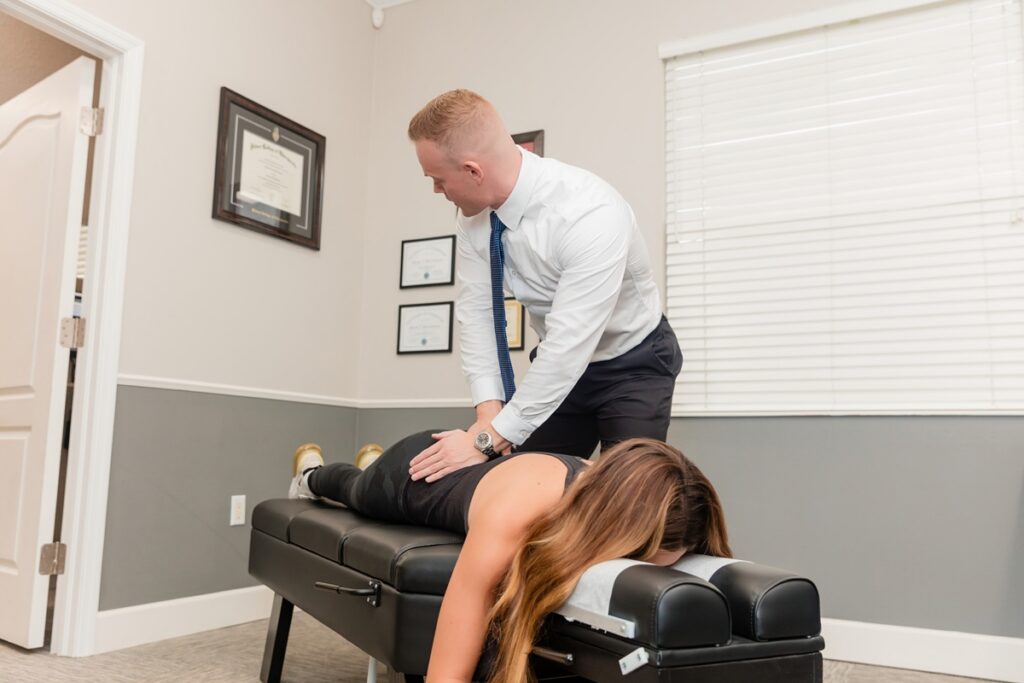
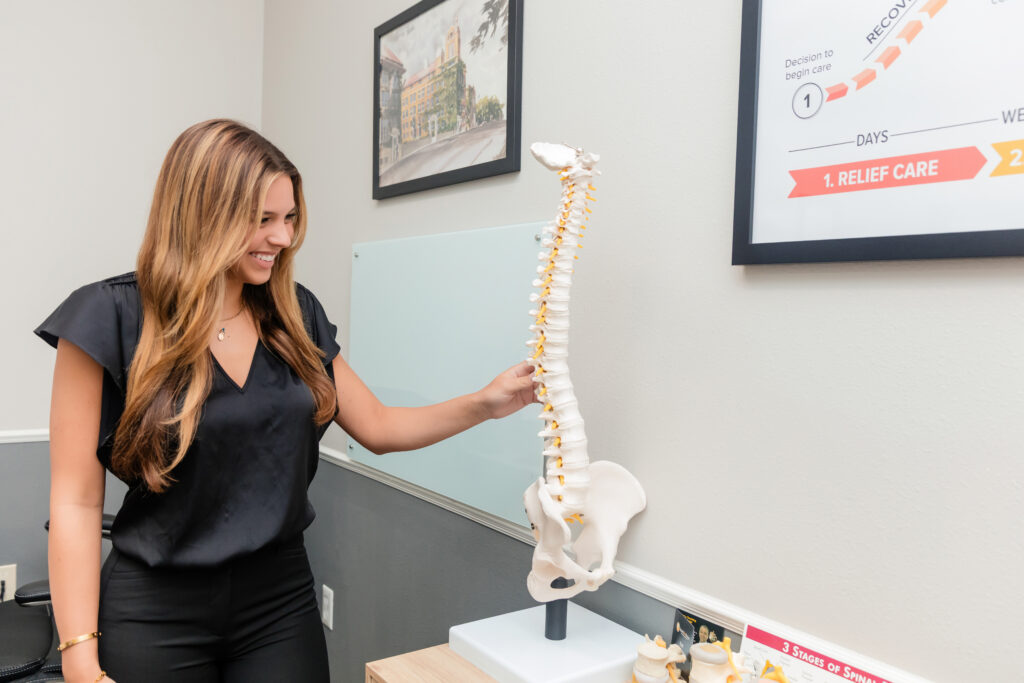
Chiropractic care is the frontline, non-drug approach to keeping the spine aligned, mobile, and resilient. At Crystal Grove Chiropractic, we assess posture, joint movement, and muscle balance to understand how your child’s body responds to daily loads like backpacks and sports.
When the spine is well aligned and moving the way it’s designed to, the body can distribute forces more evenly. That often means fewer sore spots, better range of motion, and an easier time maintaining good posture. Gentle chiropractic adjustments focus on restoring normal joint motion and alignment, which supports the muscles and nervous system that guide posture and coordination.
We also fit and test backpack setups in the office. A brief posture screen with the pack on can reveal exactly where straps need to be adjusted, how much weight to remove, and whether a different design would serve your child better.
Smart Backpack Setup: Step-by-Step Tips
Use these practical steps to dial in comfort and spinal health for your child. Consistency matters more than perfection, so do quick checks at the start of each week.
- Choose the right backpack: Look for wide, padded shoulder straps; a padded back; a chest strap; and a hip strap for longer walks. A lightweight, structured bag helps keep weight close to the body.
- Match size to the child: The pack should be no wider than the child’s torso and should sit from shoulders to just above the waist. Avoid oversize bags that invite overpacking.
- Follow the 10–15% rule: Many pediatric and spine health guidelines recommend keeping backpack weight to about 10–15% of body weight. For a 70-pound child, aim for no more than 7–10.5 pounds.
- Pack heavy items high and close: Place books and a laptop against the back panel. Lighter items go in outer pockets. This reduces the lever effect on the spine.
- Use all the features: Tighten both shoulder straps snugly. Use the chest strap to prevent shifting and the hip strap to move some load to the pelvis during longer walks.
- Lift with the legs: When picking up the backpack, bend at the hips and knees, hold it close, and slip in one arm at a time without twisting hard through the back.
- Declutter weekly: Remove extra notebooks, old papers, or unused items. Encourage kids to use a locker or classroom cubby when available.
- Shoes and stride matter: Supportive shoes help absorb shock and keep gait even, which pairs well with a balanced pack.
- Rolling backpacks: If allowed and practical, they can help on smooth surfaces and longer hallways. Keep in mind stairs and curbs may limit when they’re useful.
- Daily posture check: From the side, you should see the ears over the shoulders and shoulders over the hips. If the head juts forward or the shoulders round, tighten straps or lighten the load.
Here in Lutz, kids often juggle sports gear, water bottles, and homework. If your child carries extra items, consider a lightweight drawstring bag for sports gear so the main pack stays within a comfortable weight range.
When to See a Chiropractor (and When to Seek Medical Care)
Chiropractic is a smart first step for backpack-related aches, posture concerns, and movement limitations. A thorough evaluation can identify alignment issues and muscle imbalances and provide a personalized plan for your child.
Consider scheduling a visit if your child has any of the following:
- Recurrent neck, mid-back, or low-back pain after school
- Shoulder grooving or visible redness from straps
- Headaches that worsen on school days
- Tingling in the arms or hands when wearing the pack
- Noticeable leaning, one high shoulder, or increased slouching
- Difficulty standing upright comfortably after removing the backpack
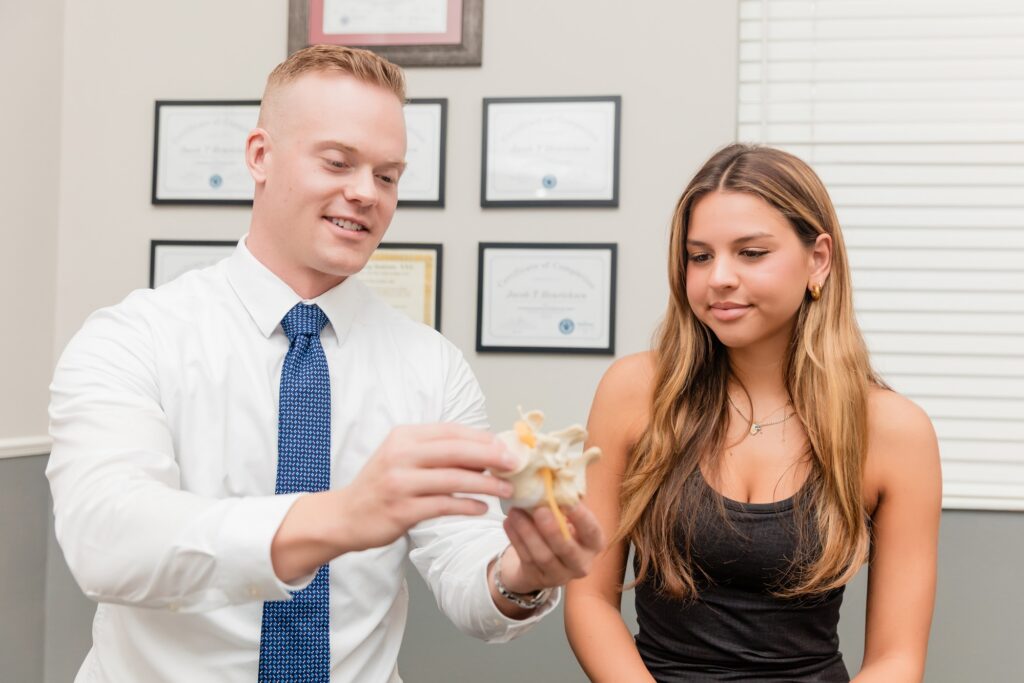
During an exam at Crystal Grove Chiropractic, we assess posture, gait, spinal motion, and backpack fit. We discuss daily routines and make simple adjustments kids can apply right away. When appropriate, gentle chiropractic adjustments help restore normal motion and reduce irritation in overloaded areas.
Red flags that warrant prompt medical attention include severe or worsening back pain after a fall or injury, fever with back pain, progressive weakness, or new changes in bowel or bladder control. If we see signs that require medical referral, we’ll point you in the right direction quickly.
Myths and Facts About Kids’ Backpacks
Myth: Backpacks always cause long-term spinal damage.
Fact: Backpacks are safe when used correctly. The key is proper fit, reasonable weight, and balanced wear with both straps.
Myth: One-strap messenger bags are fine for daily use.
Fact: Single-strap bags load the body unevenly. For regular school days, a two-strap backpack with a chest strap is a better choice.
Myth: If a child isn’t complaining, the backpack is fine.
Fact: Kids often adapt quietly. Regular posture checks and weekly decluttering prevent problems before they start.
Myth: The softer the backpack, the better.
Fact: A padded back panel is helpful, but a pack with some structure keeps heavy items close and stable for the spine.
Final Thoughts from Your Lutz Chiropractor
Healthy backpack habits are simple, doable, and powerful. When kids carry their load the right way, they move with less strain and have more energy for learning and play. At Crystal Grove Chiropractic in Lutz, we’re passionate about helping families build those habits early and supporting growing spines with precise, gentle chiropractic care.
If you’re unsure whether your child’s pack fits well, bring it in. We’ll check alignment, fit, and weight, and give you clear, practical steps tailored to your child. Our goal is straightforward: help your child feel better now and move better for years to come.
FAQs
How heavy should my child’s backpack be?
A practical guideline is about 10–15% of your child’s body weight. If the pack regularly exceeds that, remove non-essentials or use a locker when possible.
What features make a backpack safer for kids?
Choose wide, padded shoulder straps, a padded back, a chest strap, and a hip strap for longer walks. The bag should be lightweight and sized to your child’s torso.
Are rolling backpacks a good idea?
They can help on smooth floors or long hallways, especially with heavy loads. Stairs, curbs, and uneven ground may limit when they’re useful.
Can chiropractic help if my child already has backpack-related pain?
Yes. Chiropractic focuses on spinal alignment and joint motion, which supports better posture and comfort. We also fine-tune backpack fit and daily habits to reduce strain.
How often should kids get their posture and backpack checked?
A start-of-year check and a mid-year tune-up work well for many students. If your child is in a growth spurt or starts a new sport, an extra check can be helpful.
Do chest and hip straps really make a difference?
They do. Chest and hip straps stabilize the load and shift some weight to the pelvis, reducing shoulder and back strain.
TL;DR
- Keep backpack weight to about 10–15% of body weight and pack heavy items high and close to the back.
- Use both shoulder straps; tighten them so the pack sits at mid-back, not below the waist.
- Choose a backpack with padded straps, a padded back, and a chest strap; use a hip strap for longer walks.
- Declutter weekly and do a quick posture check; adjust straps or lighten the load if the head or shoulders tip forward.
- Chiropractic care is a frontline solution for posture checks, spinal alignment, and backpack fit — especially if your child has recurring aches or visible posture changes.