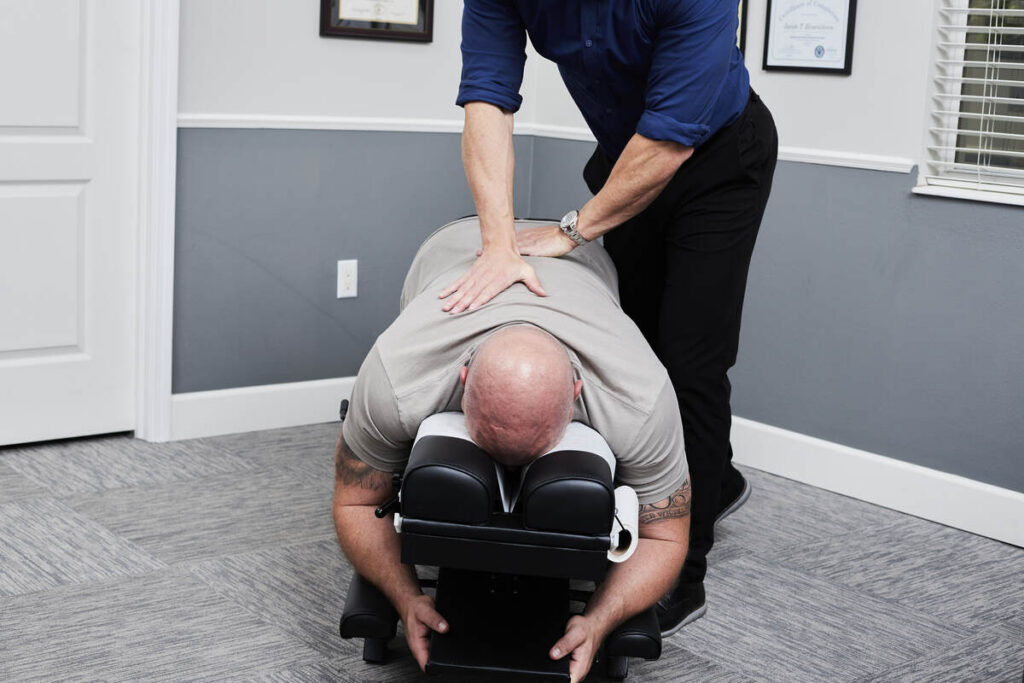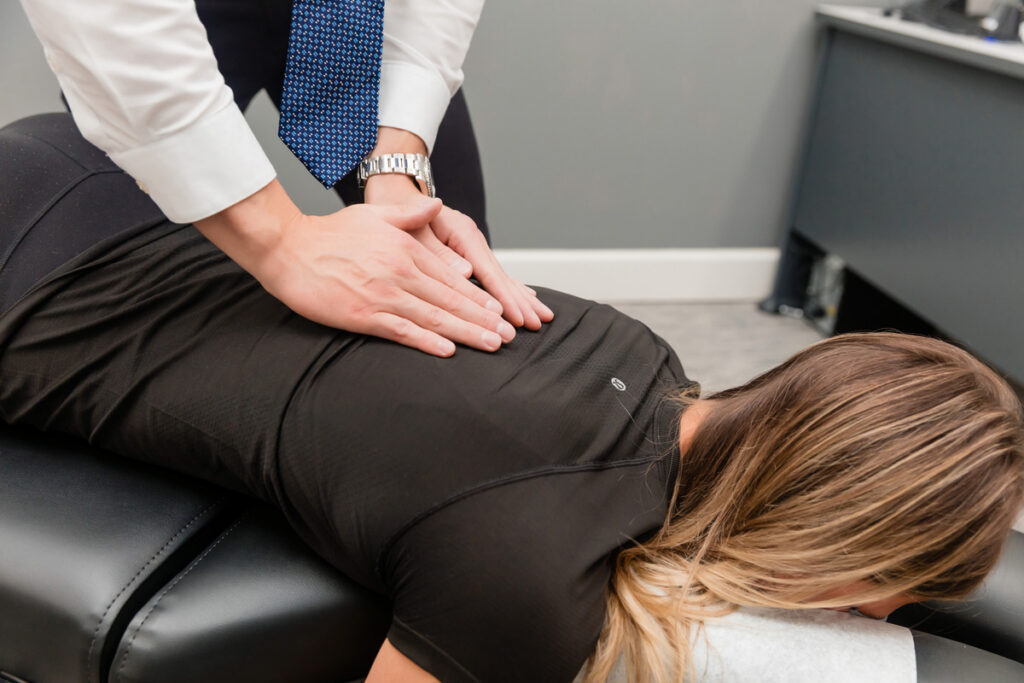

As a local chiropractor, I want to reassure you that if you're experiencing upper back pain, you're certainly not alone. It's essential to recognize that understanding the root causes of your discomfort can be the first step towards finding relief. Many individuals underestimate how factors like posture and everyday habits play a vital role in their pain. Fortunately, making small adjustments to these aspects can lead to significant improvements in your well-being.
Incorporating specific exercises and ergonomic changes into your daily routine can greatly enhance your comfort levels. You may be wondering, what particular strategies can help unlock your body's potential for healing? Together, we can explore effective approaches tailored to your needs that could transform your experience with upper back pain.
Let's take a closer look at how chiropractic care and natural healing methods can support you in achieving a pain-free lifestyle.
Understanding Upper Back Pain
As a local chiropractor, I want to shed light on a common issue that many of you may experience: upper back pain. This type of discomfort can affect anyone at various points in their lives and often arises from factors such as poor posture, muscle strain, or injuries. If you've been feeling tightness or discomfort in your upper back, it's crucial to understand what's happening in your body so that we can work together to find effective relief.
Your upper back, or thoracic spine, is made up of twelve vertebrae that are connected by muscles and ligaments. Many of us spend long hours sitting at desks or hunched over our phones, which can lead to overstressed muscles in this area. This can manifest as stiffness or a dull ache, making it challenging to move comfortably, particularly after staying in one position for too long.
Muscle tension is another prevalent contributor to upper back pain. Activities such as lifting heavy objects or performing repetitive motions can cause your upper back muscles to tighten and result in discomfort. Additionally, stress and anxiety can exacerbate this tension, impacting the muscles in your shoulders and upper back as well.
Listening to your body is vital. If you frequently find yourself adjusting your posture or experiencing discomfort during everyday activities, it's time to take proactive steps. Simple changes, like incorporating stretching into your daily routine or evaluating your work environment for ergonomic adjustments, can greatly improve your situation.
As a chiropractor, my goal is to help you understand the underlying factors contributing to your upper back pain. Together, we can explore natural healing methods that address these issues and work towards restoring your comfort and mobility.
Common Causes of Discomfort
As a local chiropractor, I want to help you understand the common causes of discomfort in the upper back and how we can work together to find relief naturally.
One of the most frequent issues I see is muscle strain, which can arise from overexertion, heavy lifting, or even sudden movements. If you've been lifting something too heavy or twisting in an awkward way, it's likely your muscles are signaling distress.
Another significant factor to consider is your ergonomics, especially if you spend long hours at a desk. The way your workstation is set up can force your back into uncomfortable positions, leading to tension and pain. If your chair lacks proper support or your computer screen is positioned too low, it can take a toll on your upper back. I often recommend simple adjustments that can make a big difference.
Don't underestimate the impact of stress on your body. When you're stressed, your muscles tend to hold tension, particularly in your back, which can lead to persistent discomfort. Identifying your stressors and adopting effective stress management techniques can significantly improve how you feel.
Inactivity is another contributor to upper back pain. If you're not engaging in regular movement, your muscles can weaken, making them more prone to strain. Incorporating physical activity into your daily routine can strengthen your back and increase flexibility, which we can discuss in our sessions.
Lastly, underlying medical conditions such as herniated discs or arthritis may be the source of your upper back pain. If your discomfort persists or worsens, it's essential to consult a healthcare professional, like myself, who can help assess your condition and rule out any serious issues.
Importance of Posture
As your local chiropractor, I want to emphasize the vital role that posture plays in your spinal health and overall comfort throughout your day.
Many people may not realize that simple adjustments to how you sit, stand, and move can prevent issues like upper back pain.
By learning about proper ergonomics and incorporating specific exercises to enhance your posture, you can significantly improve your well-being.
Let's take a closer look at how these elements can positively impact your life and help you feel your best.
Impact on Spinal Health
As your local chiropractor, I want to emphasize the crucial role that good posture plays in maintaining your spinal health. It's not just about looking confident; proper posture significantly influences the alignment and function of your spine. When you slouch or lean forward, you're placing unnecessary strain on your muscles and ligaments, which can lead to discomfort and even chronic pain over time.
By focusing on keeping your spine aligned, you help distribute weight evenly across your back, reducing stress and the risk of injury. Good posture also enhances circulation and nerve function. When your spine is in its natural position, it allows the nerves to transmit signals effectively, which is essential for overall body function, including muscle coordination and the health of your organs.
If you find yourself often hunched over a desk or looking down at your phone, it's important to recognize that this posture can compromise your spinal integrity.
But don't worry—there are simple steps you can take to counteract these effects. Throughout your day, aim to stand tall, keep your shoulders back, and engage your core muscles.
As a chiropractor, I encourage you to be mindful of your posture. By prioritizing good posture, you're taking proactive steps toward maintaining your spinal health and alleviating upper back pain.
Ergonomics in Daily Life
As a local chiropractor, I want to emphasize the vital role that ergonomics plays in our daily lives, particularly when it comes to maintaining proper posture. Many of my patients are unaware of how their everyday habits can significantly affect their upper back health.
Whether you're sitting at a desk, scrolling through your smartphone, or even standing in a queue, being mindful of your posture is crucial for your overall well-being.
When you slouch or hunch forward, you unknowingly place excessive strain on your spine and the surrounding muscles. Over time, this can lead to discomfort and chronic pain. That's why I encourage you to pay attention to your posture throughout the day.
Make sure to keep your back straight, your shoulders relaxed, and your feet flat on the ground while sitting. If you're working on a computer, it's important to adjust your chair and monitor so that your elbows form a 90-degree angle and your eyes are level with the top of the screen.
Integrating ergonomic principles into your daily routine can have a transformative impact on your health. It's not merely about feeling comfortable; it's about preventing long-term issues that can arise from poor posture.
By prioritizing good posture, you're investing in a healthier, pain-free future. Remember, even small adjustments in your daily habits can lead to significant improvements in your well-being over time.
Let's work together to ensure your body stays balanced and healthy!
Exercises for Better Posture
As a local chiropractor, I want to emphasize that good posture isn't just about projecting confidence; it plays a crucial role in your overall health and well-being. Many people are unaware that poor posture can contribute to a range of issues, including muscle strain, fatigue, and chronic pain—particularly in the upper back.
To help alleviate these problems, integrating exercises that strengthen your core and back muscles into your daily routine is essential.
One effective exercise I recommend is the wall angel. To perform this, stand with your back against a wall, ensuring your heels, buttocks, and head are in contact with it. Raise your arms in a 'W' position and then slide them up into a 'Y,' making sure to keep your arms in contact with the wall throughout the movement. This exercise is beneficial for enhancing shoulder mobility and improving your posture.
Another great addition to your routine is the cat-cow stretch. Begin on all fours and alternate between arching your back (like a cat) and dropping your belly while lifting your head (like a cow). This dynamic movement not only increases flexibility but also strengthens your spine, which is vital for maintaining a healthy posture.
Lastly, I encourage you to incorporate planks into your exercise regimen. Begin in a push-up position, engaging your core while maintaining a straight line from your head to your heels. Aim to hold this position for 30 seconds to a minute. Planks are excellent for fortifying your core, which is fundamental in supporting proper posture and preventing discomfort.
Stretching and Strengthening Exercises
As a chiropractor, I often emphasize the importance of stretching and strengthening exercises in managing and alleviating upper back pain. Integrating these exercises into your daily routine can significantly enhance your flexibility, reduce muscle tension, and strengthen the muscles in your upper back.
Let's start with some gentle stretches that can be incredibly beneficial. One of my favorites is the cat-cow stretch. To perform this, get on all fours on the floor. Arch your back upwards like a cat, then dip it down while lifting your head, creating a gentle wave motion. Repeat this several times to help mobilize your spine and release built-up tension. You'll likely notice an improvement in your mobility after just a few sessions.
Another excellent stretch to consider is the thoracic spine rotation. Find a comfortable chair, sit up straight, and place your hands behind your head. Gently rotate your torso to one side and then to the other. This movement enhances spinal flexibility and alleviates tightness in the upper back. Aim for about 10 repetitions on each side to maximize the benefits.
Once you've warmed up with these stretches, it's important to focus on strengthening the muscles that support your upper back. One effective exercise is the seated row. You can use a resistance band or a cable machine for this. Pull the band towards your torso while squeezing your shoulder blades together. This exercise is great for improving your posture and building strength in your upper back.
Don't forget about wall angels. Stand with your back against a wall and raise your arms to create a "W" shape. Then, slide your arms up to form a "Y." This exercise not only strengthens the upper back but also encourages proper alignment, which is crucial for overall spinal health.
Consistency is key with these exercises. I recommend aiming for at least three sessions a week. Over time, you'll likely experience relief from upper back pain and improved overall stability.
Ergonomic Work Environment Tips
As your local chiropractor, I want to emphasize the importance of creating a comfortable workspace to support your overall health and well-being. One key factor is adjusting your desk height so that your elbows are bent at a 90-degree angle while typing. This simple adjustment can significantly reduce strain on your neck and back.
Additionally, proper monitor positioning is crucial. Your screen should be at eye level, which helps to prevent unnecessary neck strain and promotes better posture.
Desk Height Adjustment
As a local chiropractor, I want to share how adjusting your desk height can significantly enhance your work experience and help alleviate upper back pain. Creating an ergonomic workspace that suits your body is crucial for maintaining good posture and preventing discomfort.
When your desk is set to the appropriate height, it encourages a natural posture, which reduces the strain on your upper back and neck. Ideally, when you're typing, your elbows should be at a 90-degree angle, allowing your arms to rest comfortably at your sides. This positioning can make a world of difference in how you feel throughout the day.
To determine the best desk height for your needs, start by sitting in your chair with your feet flat on the floor. Adjust your desk so that your forearms are parallel to the ground while using your keyboard. This small adjustment can help you avoid hunching or slumping, both of which are common contributors to upper back pain.
Additionally, don't overlook the importance of your chair! A supportive chair that can be adjusted for height will further enhance your comfort and promote better spinal alignment. If you find that your desk isn't adjustable, consider investing in a keyboard tray to help achieve that ideal positioning.
Monitor Positioning Techniques
As a local chiropractor, I want to emphasize the importance of proper monitor positioning for your overall health, particularly for preventing upper back pain and maintaining focus throughout your workday. Many people are unaware that the way they set up their workspace can have a significant impact on their posture and comfort.
First and foremost, it's crucial to position your monitor at eye level. This alignment allows your neck to stay in a neutral position, which helps reduce strain on your upper back. Ideally, the top of your screen should align with your eye line, so you won't need to tilt your head up or down to see clearly. This simple adjustment can make a world of difference in how you feel.
Next, consider the distance between you and your monitor. Aim to keep it about an arm's length away. This not only helps prevent eye strain but also encourages you to maintain good posture while seated. If you find yourself leaning forward to see better, that's a sign that an adjustment is necessary.
The angle of your screen is another important factor. I recommend tilting it slightly back, around 10 to 20 degrees. This minimizes glare and ensures you're looking straight ahead rather than down, which can lead to discomfort over time.
Lastly, I encourage you to keep your workspace organized. Clutter can lead to awkward stretching or reaching for items, which can exacerbate back pain.
Stress Management Techniques
As a local chiropractor, I want to emphasize the importance of managing stress, particularly when it comes to alleviating upper back pain. Many of my patients come in complaining of discomfort in this area, and often, stress is a significant contributing factor. When you're feeling stressed, your muscles tend to tighten, leading to discomfort and tension in your upper back.
One of the most effective ways to combat this is through deep breathing exercises. I recommend taking a few moments each day to focus on your breath. Inhale deeply through your nose, allowing your abdomen to rise, and then exhale slowly through your mouth. This simple yet powerful practice calms your nervous system and helps release muscle tension.
Mindfulness and meditation are also beneficial tools that I encourage my patients to explore. Setting aside time for mindfulness practices—whether it's guided meditation or simply being present in the moment—can help you gain a clearer perspective on stressors and reduce anxiety. This, in turn, can lead to a decrease in tension in your back.
Regular physical activity is another crucial aspect of stress management. Even something as simple as taking a brisk walk for 30 minutes most days can release endorphins—nature's mood elevators. Not only does this help alleviate stress, but it also promotes overall well-being.
Incorporating yoga or stretching into your daily routine can also be incredibly helpful. These practices not only encourage relaxation but also enhance flexibility and strength, which are essential for alleviating upper back pain.
Lastly, don't underestimate the power of support. Talking to friends, family, or a mental health professional can provide you with valuable coping strategies and emotional support.
Heat and Cold Therapy
As a local chiropractor dedicated to helping you understand natural healing methods, I want to share how heat and cold therapy can be powerful allies in alleviating upper back pain. Each approach offers distinct advantages, and knowing when to apply them can significantly enhance your recovery process.
Heat therapy is particularly beneficial because it increases blood flow to the area experiencing discomfort. This process helps relax tight muscles and reduce stiffness, making it easier for you to move comfortably. You can utilize a heating pad, a hot water bottle, or even take a warm shower to achieve this soothing effect.
I recommend applying heat for 15-20 minutes at a time. Just be cautious to ensure the heat is warm, not too intense, to prevent burns. If you notice increased relaxation and a decrease in pain, you're on the right track!
On the flip side, cold therapy is effective for reducing inflammation and numbing acute pain. Simple methods include using ice packs or a bag of frozen peas wrapped in a thin cloth.
I suggest applying cold therapy for 10-15 minutes, multiple times a day, especially after activities that may aggravate your symptoms. This approach can help diminish swelling and provide immediate relief.
It's also worth noting that alternating between heat and cold can yield great benefits. I often advise starting with cold therapy to tackle any swelling, then transitioning to heat to promote muscle relaxation. The key is to listen to your body and determine what feels best for you.
Incorporating heat and cold therapy into your daily routine is a straightforward yet effective strategy for managing upper back pain. So, whether you reach for that heating pad or ice pack, remember that these natural remedies can play a significant role in your healing journey.
If you have any questions or need guidance on how to implement these therapies effectively, don't hesitate to ask during your next visit!
When to Seek Professional Help
As a local chiropractor, I want to emphasize the importance of recognizing when to seek professional help for upper back pain. If you're experiencing discomfort that lingers for more than a few weeks despite trying home remedies, it's time to consider consulting a healthcare provider, such as a chiropractor. Chronic pain can often indicate underlying issues that need expert assessment and treatment.
It's also crucial to pay attention to accompanying symptoms. If your upper back pain is paired with numbness, tingling, or weakness in your arms or legs, these could be signs of nerve involvement or other serious conditions that require immediate care. Additionally, if you experience sudden and intense pain following an injury, please reach out for a professional evaluation. Ignoring such symptoms can lead to more complex issues down the road.
If your pain is affecting your daily activities, work, or sleep, don't hesitate to seek advice. Your quality of life is vital, and persistent pain can take a toll on your mental and emotional well-being. Chiropractic care can help address these issues naturally and effectively.
Moreover, if you experience any changes in bowel or bladder function, it's essential to seek medical attention right away, as these changes could signal a serious condition that requires urgent care.
Finally, if over-the-counter medications and home treatments aren't providing the relief you need, a chiropractor can offer a range of effective options tailored specifically to your situation. This may include adjustments, physical therapy, or other natural healing methods.
Taking action sooner rather than later can lead to a more effective recovery and help you regain control over your life. Remember, you don't have to navigate this journey alone—professional support is available to guide you towards better health.
Lifestyle Changes for Relief
As a local chiropractor, I want to share with you some simple yet effective lifestyle changes that can significantly alleviate upper back pain and enhance your overall well-being.
It's essential to understand that the habits you engage in daily have a profound impact on your comfort levels. By making a few conscious adjustments, you can create a more supportive environment for your back.
Here are some practical changes you can incorporate into your routine:
– Focus on your posture: Whether you're working at a desk or standing in line, maintaining proper posture is crucial for reducing strain on your upper back. Keep your shoulders relaxed, and be mindful to avoid slouching.
Good posture not only helps alleviate pain but also promotes better breathing and circulation.
– Include regular exercise in your life: Engaging in physical activity is vital for strengthening your back muscles and improving flexibility. Activities such as yoga, swimming, or even brisk walking can help keep your body active and your back robust.
Regular movement is key to maintaining spinal health.
– Assess your sleeping arrangements: Your mattress and pillow play a significant role in your back health. Ensure that you're using a supportive mattress that suits your sleeping style, along with a pillow that maintains proper alignment for your neck.
A good night's sleep is essential for healing and recovery.
By embracing these lifestyle changes, you can take proactive steps towards managing your upper back pain and improving your overall quality of life.
Maintaining Long-Term Comfort
As a local chiropractor dedicated to your well-being, I want to emphasize the importance of maintaining long-term comfort, especially when it comes to alleviating upper back pain. One of the first steps you can take is to establish an ergonomic workspace that promotes proper posture. This means ensuring that your chair, desk, and computer setup are conducive to spinal health.
In addition to creating a supportive environment, I encourage you to incorporate regular stretching into your daily routine. Stretching not only helps to keep your muscles flexible but also plays a vital role in preventing stiffness and tension that can contribute to discomfort.
Ergonomic Workspace Setup
Creating an ergonomic workspace is crucial for reducing upper back pain and enhancing your long-term comfort. As a chiropractor, I want to emphasize how adjusting your environment to fit your body's needs can promote better posture and alleviate strain on your back.
Here are some important elements to consider for your setup:
- Chair Height: Ensure that your chair supports your lower back. Your feet should rest flat on the floor, and your knees should form a right angle. This positioning helps maintain the natural curve of your spine.
- Monitor Position: Position your monitor at eye level, approximately an arm's length away. This setup prevents neck strain and encourages you to maintain a neutral spine while working.
- Keyboard and Mouse Placement: Keep your keyboard and mouse close enough that your elbows remain at a 90-degree angle. This minimizes shoulder lift and reduces the risk of developing tension in your upper back.
By incorporating these elements into your workspace, you can significantly improve your comfort and well-being.
Remember, prioritizing your comfort is essential for your overall health. Take some time to assess and modify your workspace – even small adjustments can lead to a more pleasant work experience.
This proactive approach may help you reduce upper back pain and enhance your overall well-being through natural means.
Regular Stretching Routine
As a local chiropractor, I often emphasize the importance of incorporating a regular stretching routine into your day, especially for those struggling with upper back pain. Stretching is a natural and effective way to enhance flexibility and improve circulation, ultimately helping to relieve muscle tension.
It's crucial to focus on the areas that frequently become tight, including your shoulders, chest, and upper back. I recommend starting with simple stretches such as shoulder rolls and neck tilts, which you can easily do at home or during breaks.
Another great option is the doorway stretch, which helps open up your chest, and the cat-cow stretch, which mobilizes your spine. Aim to dedicate at least 10-15 minutes each day to stretching. Remember, it doesn't have to be all at once; breaking it up into shorter sessions throughout the day can be just as beneficial.
Always listen to your body and avoid pushing yourself too hard. If you experience any discomfort, it's important to ease back and focus on gentle movements. As you develop this stretching routine, you'll likely notice improvements in your posture and a reduction in pain.
Consistency is vital, so find a time that fits into your schedule, whether it's in the morning, during your work breaks, or before bedtime. By committing to regular stretching, you're taking proactive steps towards a healthier, pain-free upper back, and that's a vital part of maintaining your overall wellness.
Conclusion
As a local chiropractor dedicated to your well-being, I want to share some valuable insights on managing upper back pain. It's important to understand that alleviating this discomfort requires a holistic approach that goes beyond quick fixes. First and foremost, maintaining good posture is crucial; it can significantly impact your spine's health.
Incorporating targeted exercises into your daily routine can strengthen the muscles that support your upper back. Additionally, creating an ergonomic workspace is essential to prevent strain during your daily activities. Don't overlook the benefits of heat and cold therapy; they can provide relief and promote healing.
Managing stress is also vital, and practices like mindfulness can help you stay relaxed and centered. If your upper back pain continues despite these efforts, seeking professional help is key. As a chiropractor, I can provide tailored care to address your specific needs and help you find long-term comfort.
By embracing these strategies, you can take control of your upper back health and enhance your overall well-being. Your body will thank you for it!