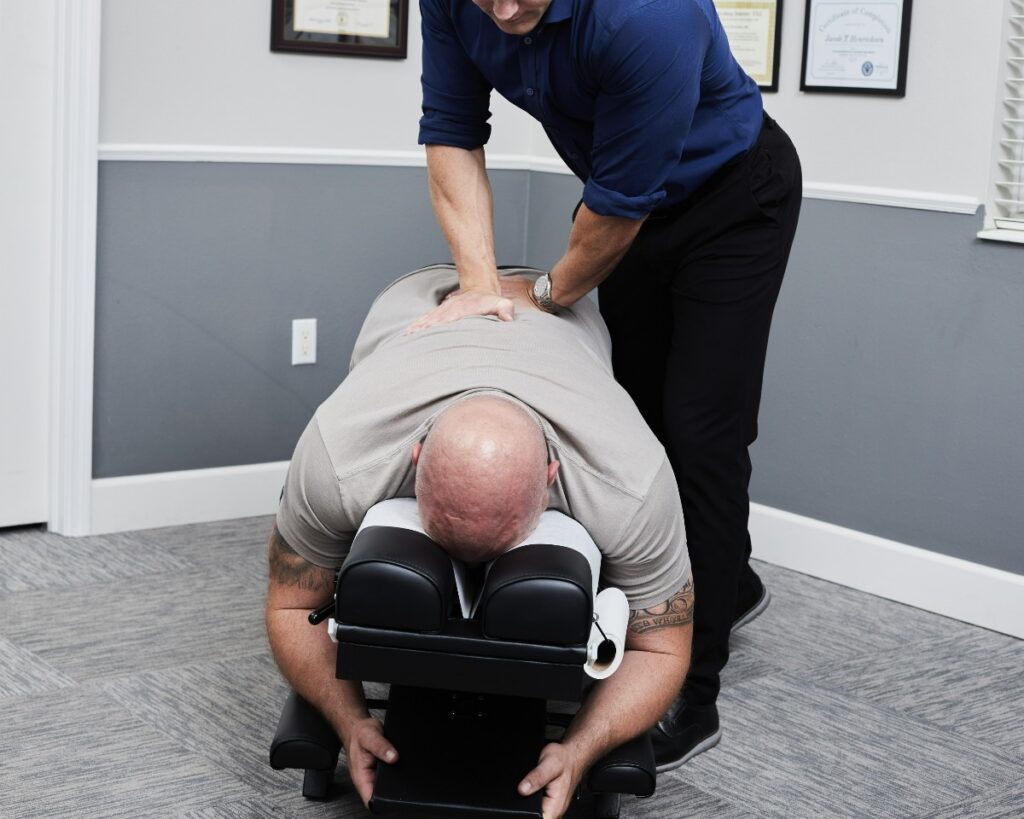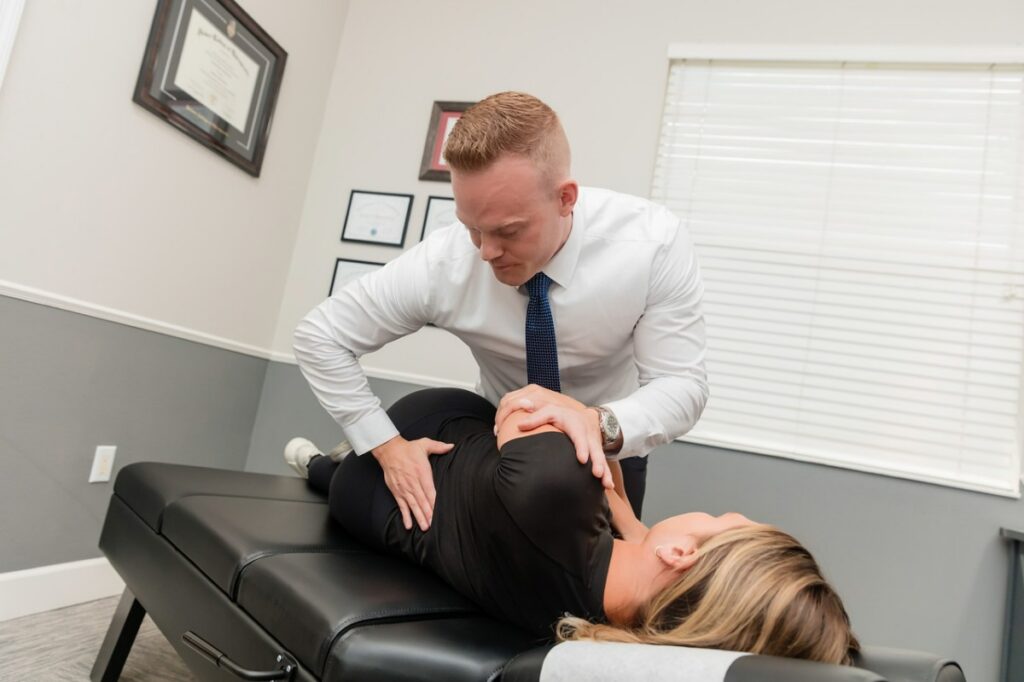

When you experience an injury, navigating the road to peak performance can seem daunting. You might be unsure about how to properly assess your injury, select the most effective rehabilitation methods, and incorporate nutrition that aids your healing process. Each type of injury requires a unique approach, and understanding this is crucial for your return to your sport.
As a chiropractor, I want to emphasize the importance of addressing not just the physical aspects of your injury, but also the underlying challenges that might be affecting your overall well-being. Chiropractic care focuses on natural healing methods, helping to restore balance and function to your body. By exploring these deeper nuances, we can not only facilitate your recovery, but also enhance your performance to new heights. Together, let's work towards a holistic approach to healing that empowers you to get back to doing what you love.
Understanding Injury Types
As a local chiropractor, I often see patients who are unfamiliar with the various types of injuries that can affect athletes, and it's crucial to understand these to ensure proper healing and rehabilitation.
Let's start with acute injuries. These are injuries that occur suddenly and are typically the result of a specific incident, such as a fall, collision, or awkward movement. Common examples include sprains, strains, fractures, and contusions. For instance, if you twist your ankle while running, that immediate pain and swelling are indicators of an acute injury that requires prompt attention.
In chiropractic care, we can help assess the injury and develop a treatment plan to promote healing and restore function.
On the other hand, we've chronic injuries, which develop gradually over time, often due to repetitive stress or overuse. You might notice symptoms worsening slowly, like ongoing pain in your knees or shoulders after extensive training. Conditions such as tendonitis and stress fractures are common chronic injuries that can significantly impact your activity levels.
As a chiropractor, I can provide natural healing methods and adjustments that target the root cause of these issues, helping to alleviate pain and prevent further complications.
It's also vital to understand the severity of injuries. While some might be mild and can be managed with rest and ice, others may require more comprehensive care, including chiropractic adjustments, physical therapy, or even referrals for medical intervention.
I encourage you to assess your symptoms closely and seek professional guidance when necessary. By doing so, you can prevent further damage and get back to the activities you love as quickly and safely as possible.
The Healing Process
As a local chiropractor, I want to take a moment to explain the healing process for athletic injuries, which involves several important stages that play a crucial role in your recovery and getting back to peak performance.
Understanding these stages can help you take an active role in your healing journey.
The first stage is called the inflammatory phase, which begins right after an injury occurs. During this time, your body reacts by sending signals to the injured area, resulting in pain, swelling, and redness.
It's essential to manage this phase effectively. I often recommend the R.I.C.E. method—rest, ice, compression, and elevation—to minimize damage and set the foundation for the next stage of healing.
Once the inflammatory phase subsides, we move into the repair phase. At this point, your body begins the process of rebuilding tissue and healing the injury.
You may notice that swelling and pain start to decrease as new cells are formed. It's crucial during this phase to engage in gentle movements to promote circulation and flexibility, but remember to listen to your body and avoid overexerting yourself.
Finally, we arrive at the remodeling phase, which can last for several months. This is when your body strengthens the repaired tissue.
As you progress, it's important to gradually increase your activity level and include rehabilitation exercises that are specific to your injury. This is a key time to pay attention to what your body is telling you—pushing too hard too soon can lead to reinjury.
By understanding these stages of healing, you can better navigate your recovery process and work towards optimal health and performance.
As your chiropractor, I'm here to guide you through each step, ensuring you have the support and knowledge you need to heal naturally.
Importance of Nutrition
As a local chiropractor, I want to highlight the crucial role that nutrition plays in your recovery from injuries.
When you're healing, the right dietary choices can significantly enhance your recovery process. By focusing on nutrient timing and incorporating anti-inflammatory foods into your meals, you can support your body in healing more efficiently.
Let's delve into how your dietary habits can help you regain your strength and mobility faster. Embracing these nutritional strategies not only complements your chiropractic care but also empowers you to take an active role in your healing journey.
Nutrient Timing Strategies
As a local chiropractor focused on holistic health and natural healing, I want to share some important insights on how nutrient timing can significantly impact your recovery and overall performance, whether you're an athlete or simply looking to improve your physical well-being.
Understanding how to time your nutrition can enhance your energy levels and aid in muscle repair. Here are three key considerations:
1. Pre-Workout Nutrition: It's vital to prepare your body with the right nutrients before engaging in any physical activity. Consuming a balanced meal that includes carbohydrates and protein 2-3 hours prior to your workout can enhance your endurance and strength.
If you're short on time, a small snack 30-60 minutes before can also provide the necessary fuel.
2. Post-Workout Recovery: Once you've completed your physical activity, your muscles are in a prime state to absorb nutrients. To support recovery, try to consume a mix of protein and carbohydrates within 30 minutes after exercising.
This practice can help replenish glycogen stores and promote effective muscle repair, which is essential for maintaining your health and mobility.
3. Hydration Timing: Never underestimate the power of proper hydration. Staying hydrated is crucial for optimal performance and recovery.
Be sure to drink water consistently throughout the day, especially before, during, and after your workouts. Good hydration not only supports physical performance but also aids in the healing and recovery process.
Anti-Inflammatory Foods
As a local chiropractor, I believe it's important to educate my patients on the significant role that nutrition plays in recovery and overall health. Incorporating anti-inflammatory foods into your diet can be a game-changer, especially when it comes to healing from injuries and enhancing your performance.
Inflammation can hinder your body's ability to recover, so it's crucial to choose foods that help reduce it. A colorful array of fruits, vegetables, whole grains, and healthy fats can serve as a powerful defense against inflammation. For instance, foods rich in omega-3 fatty acids, such as salmon, walnuts, and flaxseeds, are known for their remarkable anti-inflammatory effects.
Incorporating leafy greens like spinach and kale is also beneficial, along with antioxidant-rich berries such as blueberries and strawberries, which combat oxidative stress in the body. Additionally, spices like turmeric and ginger are well-regarded for their healing properties and can easily be added to your meals for an extra nutritional boost.
Don't overlook the importance of garlic and onions, which also offer anti-inflammatory benefits. Staying hydrated is equally vital, so I encourage you to drink plenty of water and enjoy herbal teas.
By making these dietary adjustments, you'll not only support your recovery but also enhance your overall well-being. Many of my patients notice a remarkable difference in their energy levels and their ability to bounce back from injuries when they prioritize these nutrient-dense foods.
Let's work together to create a holistic approach to your health that includes both chiropractic care and mindful nutrition!
Mental Resilience Strategies
As a local chiropractor dedicated to your holistic healing journey, I want to emphasize the importance of cultivating mental resilience during your recovery from injuries. While physical healing is essential, your mindset plays a crucial role in how you cope with setbacks.
Here are three key strategies to strengthen your mental resilience as you navigate your recovery:
1. Set Realistic Goals: It's important to establish achievable, short-term goals related to your recovery. By breaking down your healing process into smaller milestones, you can maintain focus and motivation.
Celebrate each accomplishment along the way, as this won't only elevate your spirits but also reinforce your belief in your ability to heal naturally.
2. Practice Mindfulness: Incorporating mindfulness techniques, such as meditation or deep breathing exercises, can significantly reduce anxiety and improve your emotional well-being.
By taking the time to center yourself, you can manage stress more effectively. This positive mindset is essential in supporting your journey towards recovery and complements the chiropractic care you receive.
3. Seek Support: Surrounding yourself with a network of supportive friends, family, or teammates is vital during your recovery.
Sharing your experiences and feelings can lighten the emotional load of dealing with an injury. Remember, you don't have to go through this alone.
Having a robust support system can provide you with the motivation and encouragement you need when times get tough.
Rehabilitation Techniques
As a local chiropractor, I want to help you understand the various rehabilitation techniques that can significantly aid your recovery from an injury.
Utilizing methods like Active Release Techniques, tailored physical therapy approaches, and structured rehabilitation exercise programs can be crucial in your journey back to health.
Let's delve into how each of these natural healing strategies can assist you in regaining strength and improving your mobility.
My goal is to empower you with knowledge so you can make informed decisions about your recovery and overall well-being.
Active Release Techniques
As a local chiropractor, I want to introduce you to an effective approach known as Active Release Techniques (ART), which can significantly aid in your recovery from injuries, especially if you're an athlete.
This hands-on therapy is designed to address the root causes of soft tissue dysfunction, which often leads to discomfort and limitations in movement. ART focuses on relieving tension in muscles, tendons, ligaments, and fascia, helping you return to peak performance.
Here are three important benefits of incorporating ART into your recovery process:
- Personalized Treatment: One of the great advantages of ART is its targeted nature. We identify and treat specific areas of tightness and pain, ensuring that your recovery plan is tailored to your unique needs.
- Improved Mobility: Through the process of breaking down scar tissue and adhesions, ART enhances your range of motion. This not only helps you perform better but also decreases the likelihood of future injuries.
- Quicker Recovery: ART can significantly accelerate your healing process by promoting blood circulation and reducing inflammation. This means you can get back to your favorite activities sooner.
During your sessions, I'll conduct a thorough assessment of your condition and use specialized techniques to restore function to your body.
Many patients experience immediate relief, and I'll also share preventive strategies to help you maintain your health moving forward.
By integrating ART into your recovery plan, you can unlock your full potential and stay at the top of your game.
Don't let injuries hold you back—let's explore the benefits of Active Release Techniques together!
Physical Therapy Methods
As a local chiropractor, I want to share how physical therapy methods are vital in the rehabilitation journey, especially for those recovering from injuries. These techniques are designed to restore function, enhance mobility, and alleviate pain, allowing you to return to your activities with confidence.
One popular method is manual therapy, where I use my hands to manipulate soft tissues and joints. This promotes healing and increases flexibility, which is essential for optimal recovery.
Another effective approach is therapeutic ultrasound. This technique employs sound waves that penetrate deep into the tissue, helping to improve circulation and reduce inflammation.
You may also benefit from electrical stimulation, which can relieve pain and stimulate muscle contractions, crucial for rebuilding strength after an injury.
Kinesiology taping is another tool in my arsenal. By applying specialized tape to support muscles and joints, we can enhance your body's awareness and reduce strain during your recovery process.
Additionally, we often utilize modalities like ice and heat therapy, strategically managing pain and swelling at various stages of healing.
Education is a cornerstone of my practice. I strive to help you understand your body and the healing journey you're on, empowering you to make informed decisions about your care.
Rehabilitation Exercise Programs
As a local chiropractor, I want to share how rehabilitation exercise programs can be a crucial part of your recovery journey. These programs are designed to help you rebuild strength and restore function after an injury, and they're tailored to your individual needs. Not only will you regain your physical abilities, but you'll also experience a boost in confidence throughout the healing process.
Here are three key components that make these rehabilitation exercise programs effective:
- Individualized Assessment: Every successful program starts with a comprehensive evaluation of your specific injury, current fitness level, and personal goals. This ensures that the exercises you undertake are perfectly suited to your condition and needs.
- Progressive Loading: We focus on gradually increasing the intensity and complexity of your exercises. This method helps your body adapt safely—strengthening muscles and improving flexibility while minimizing the risk of re-injury.
- Functional Training: Our programs prioritize movements that closely resemble your daily activities or sports. This relevance facilitates a smoother transition back to your normal routine, helping you perform at your best once you're back in action.
Participating in a structured rehabilitation exercise program is essential for a successful recovery. By committing to this journey, you're not only investing in your immediate healing but also laying the groundwork for long-term health and optimal performance in your physical pursuits.
Role of Cross-Training
As a local chiropractor, I want to emphasize the vital role of cross-training in your recovery from injuries. When you're on the mend, incorporating various forms of exercise can be incredibly beneficial. It allows you to maintain your fitness levels while giving your injured area the time it needs to heal. Staying active not only helps your body but also uplifts your spirits during what can be a tough recovery journey.
Cross-training engages different muscle groups, which can help prevent overuse injuries and promote balanced strength throughout your body. For example, if you're unable to run due to a knee injury, consider swimming or cycling instead. These low-impact activities keep your heart healthy without putting unnecessary strain on your injury, allowing for a smoother recovery.
Moreover, cross-training can significantly boost your overall athletic performance by enhancing flexibility, coordination, and agility. By diversifying your workouts, you may find improvements in your skills related to your primary sport. It also keeps your training routine exciting, helping to avoid the burnout that can occur when you stick to the same exercises day in and day out.
In addition, integrating strength training or yoga into your regimen can further support your rehabilitation. These practices emphasize core stability and recovery, which are essential for a successful healing process.
You might be surprised at the progress you can achieve by exploring different exercise modalities. Remember, taking care of your body holistically is key to a successful recovery, and I'm here to guide you through that journey.
Injury Prevention Measures
As a local chiropractor, I want to emphasize the importance of preventing injuries, which is just as critical as recovery when it comes to maintaining your overall health.
By taking proactive steps, you can keep your body functioning optimally and enhance your performance in daily activities. Here are three essential strategies to help you stay injury-free:
1. Warm-Up and Cool Down: A proper warm-up before any physical activity is crucial. Spend 10-15 minutes on dynamic stretches and light cardio to prepare your muscles for movement.
After your workout, don't forget to cool down with static stretches. This not only improves your flexibility but also helps reduce muscle soreness, which is vital for maintaining your body's health.
2. Listen to Your Body: Your body is always communicating with you. If you experience pain or discomfort, it's important to pay attention to those signals.
Pushing through the pain can lead to more serious injuries. Instead, consider resting, adjusting your routine, or seeking advice from a healthcare professional like a chiropractor.
We can provide valuable insights and treatment options to address any issues before they escalate.
3. Cross-Training: Engaging in a variety of activities can significantly lower your risk of injury. By working different muscle groups and minimizing repetitive strain, you not only enhance your overall fitness but also give specific muscles the chance to recover while remaining active.
This approach is beneficial for your long-term health and can be integrated into your routine with the guidance of a chiropractor.
Success Stories and Lessons
As a local chiropractor dedicated to promoting natural healing, I want to share inspiring success stories of athletes who've triumphed over injuries. These journeys can serve as powerful motivation for you as you navigate your own healing process.
Consider the story of Derek, a professional runner who faced a serious knee injury. Rather than letting despair take over, he committed to a comprehensive rehabilitation program that included chiropractic care, strength training, flexibility exercises, and mental fortitude. With hard work and dedication, Derek not only returned to running but also surpassed his previous performance levels, securing victories in several races.
Then there's Mia, a professional soccer player who suffered an ACL tear. Instead of rushing her recovery, Mia took the time to collaborate closely with her chiropractor and physical therapist to truly understand her body's needs. This thoughtful approach enabled her to rebuild strength and regain confidence effectively.
Mia's experience illustrates the significance of patience and listening to your body, ensuring that you emerge from recovery not just healed, but stronger than before.
These stories convey vital lessons for anyone recovering from an injury: first, resilience is essential. While injuries can feel like setbacks, they often present chances for personal growth.
Second, a personalized rehabilitation plan is key. Every individual's journey is unique, and what benefits one person may not suit another.
Lastly, mental strength is just as crucial as physical healing. Having a supportive network, including healthcare professionals like chiropractors, can greatly enhance your recovery experience.
As you embark on your healing journey, remember that with the right support and mindset, you too can overcome obstacles and emerge stronger.
Conclusion
Injuries don't have to keep you off the field or court for long. As a local chiropractor, I want to help you understand how your body heals and how we can work together to speed up that recovery process. First, it's important to identify the type of injury you're dealing with. By doing so, we can tailor a treatment plan that includes chiropractic adjustments and other natural healing methods.
Nutrition plays a crucial role in recovery. A balanced diet can provide your body with the necessary nutrients to heal effectively. Additionally, building mental resilience can help you stay focused and motivated during your rehabilitation journey.
I encourage my patients to engage in effective rehabilitation techniques and cross-training. These methods not only promote healing but also prepare your body for a strong return to your favorite activities. Prevention is key, so we'll work together to develop a proactive training and wellness plan that keeps you injury-free.
By embracing these strategies, not only will you heal, but you'll also be ready to reach your peak performance when you return to your sport. Remember, chiropractic care is a natural and supportive approach to your overall health and recovery. Let's work together to get you back to doing what you love!