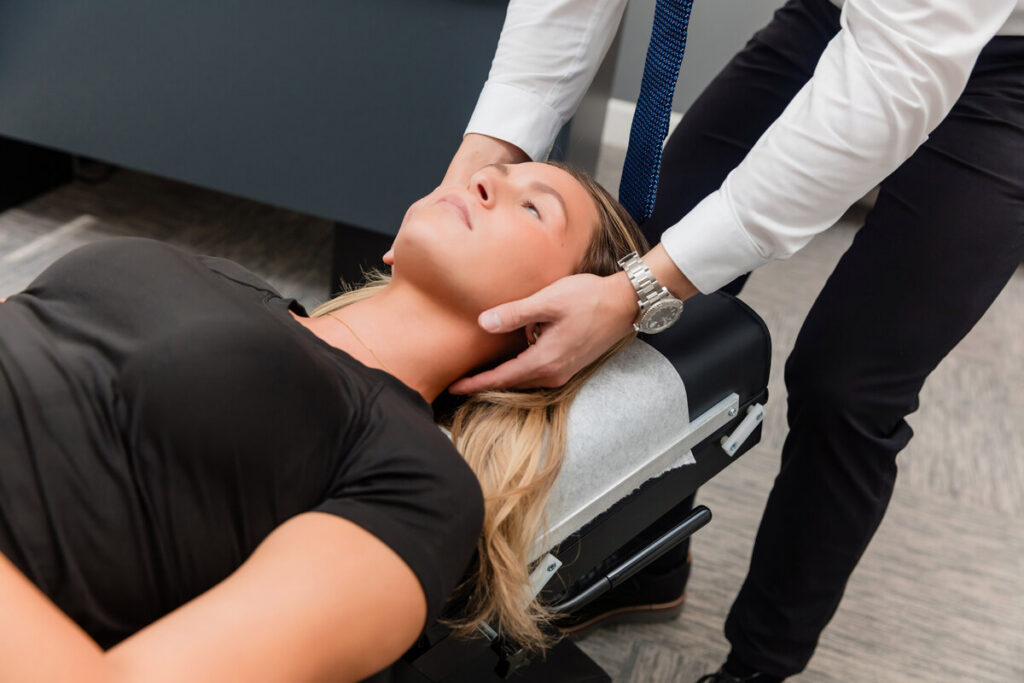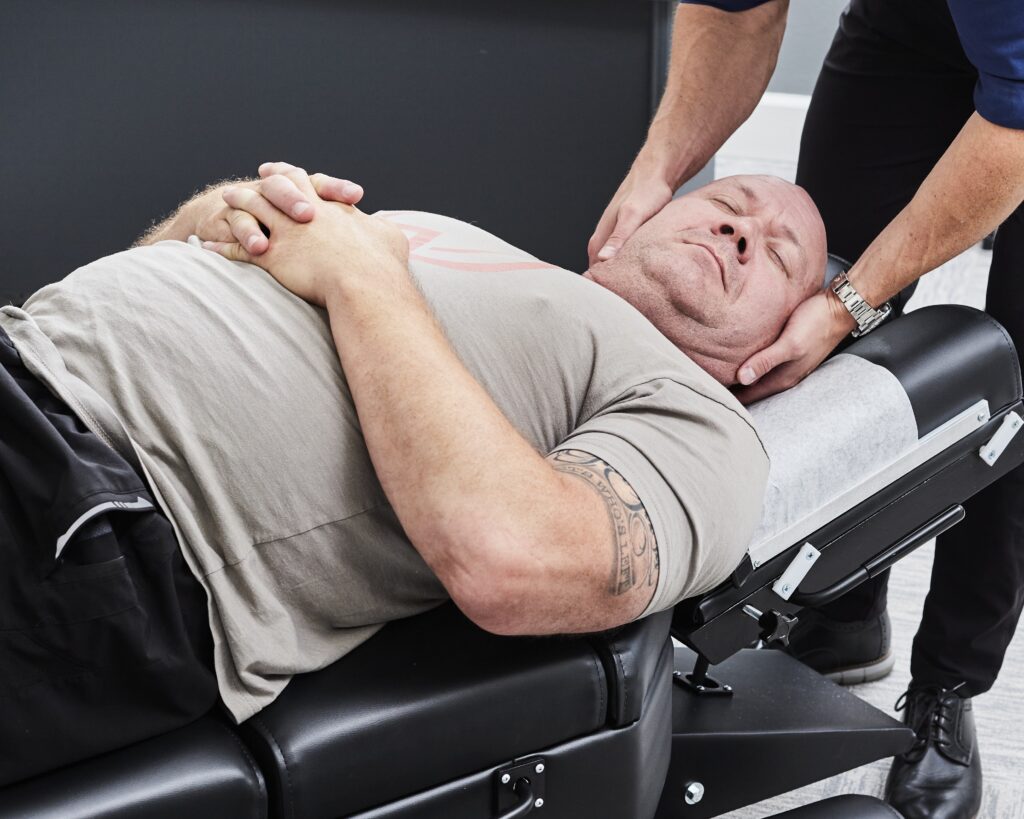

You might not realize it, but your daily routine plays an essential role in enhancing your mobility. By prioritizing routine care, you can catch potential issues early and take steps to prevent them from impacting your movement. Understanding the connection between regular check-ups and improved physical function can empower you to make better lifestyle choices. As you consider how these practices can influence your life, think about what specific steps you can take to optimize your mobility and well-being. What if you could transform your daily habits into a foundation for a more active life?
Importance of Routine Care
When you think about maintaining your mobility, the significance of routine care can't be overstated. Engaging in regular check-ups with your healthcare provider guarantees that any potential issues are identified early. This proactive approach helps prevent minor concerns from escalating into major problems, enabling you to stay active and agile.
Routine care also involves monitoring your overall health, which can directly impact your mobility. Conditions like arthritis, diabetes, or cardiovascular issues can affect your ability to move comfortably. By managing these conditions through consistent medical oversight, you'll keep your body in peak shape. Your doctor may recommend specific treatments or lifestyle adjustments that can enhance your mobility.
Moreover, routine care often includes preventative measures. Vaccinations, screenings, and health assessments are vital in maintaining your well-being. These measures not only protect you from illness but also help you avoid complications that could hinder your movement.
Another aspect of routine care is education. Your healthcare provider can offer valuable insights into maintaining joint health, improving posture, and understanding the impact of nutrition on mobility. You'll gain the knowledge needed to make informed decisions about your health, leading to more effective self-management.
Incorporating routine care into your life is essential for preserving your ability to move freely. By prioritizing these regular check-ups and following medical advice, you'll empower yourself to enjoy a more active lifestyle, ultimately enhancing your quality of life.
Benefits of Regular Exercise
Regular exercise offers you a range of benefits that can greatly boost your mobility.
You'll notice improved joint flexibility, enhanced muscle strength, and increased cardiovascular endurance, all contributing to a more active lifestyle.
Improved Joint Flexibility
Exercise isn't just about building strength or endurance; it markedly enhances joint flexibility, too. When you engage in regular physical activity, you're not just moving your body; you're actively promoting the health of your joints. Improved flexibility allows for a greater range of motion, making everyday tasks like bending, reaching, or squatting easier and more comfortable.
Activities such as stretching, yoga, or pilates specifically target flexibility and can greatly benefit your joints. As you consistently work on these exercises, you'll notice that your joints feel less stiff and more agile. This increased flexibility can help prevent injuries, as your body becomes more resilient to sudden movements or strains.
Moreover, improved joint flexibility can enhance your overall performance in various sports and activities. You'll find that you can execute movements more fluidly, which can lead to better results and increased enjoyment in your physical pursuits.
Ultimately, incorporating flexibility-focused exercises into your routine sets the foundation for a more active lifestyle, allowing you to engage in the activities you love without the discomfort of tight or stiff joints. So, make flexibility a priority and watch how it enhances your mobility!
Enhanced Muscle Strength
Building on the benefits of improved joint flexibility, enhanced muscle strength plays a pivotal role in achieving greater mobility. When you strengthen your muscles, you provide your body with the support it needs for everyday movements. This increased strength helps you perform daily activities—like lifting groceries or climbing stairs—more easily and safely.
Engaging in regular exercise, such as resistance training, not only builds muscle but also promotes better balance and coordination. As your muscles grow stronger, they can better stabilize your joints, reducing the risk of injury. You'll find that you can move with more confidence, whether you're playing with your kids or participating in your favorite hobbies.
Additionally, enhanced muscle strength can improve your posture, making it easier to sit, stand, and walk for extended periods. The more strength you develop, the less fatigue you'll feel during physical tasks, allowing you to stay active longer.
This newfound vigor can enhance your overall quality of life, making mobility a joy rather than a chore. Embrace regular exercise to release the muscle strength you need for greater mobility and an active lifestyle.
Increased Cardiovascular Endurance
A strong heart is key to achieving greater mobility and overall health. When you engage in regular exercise, you boost your cardiovascular endurance, allowing your heart and lungs to work more efficiently. This improved efficiency means you can perform daily activities with less fatigue, making your life more enjoyable and active.
As you incorporate aerobic exercises like walking, running, or cycling into your routine, you'll notice significant benefits. Not only will your heart pump blood more effectively, but you'll also enhance oxygen delivery to your muscles. This increase in stamina enables you to engage in longer, more intense workouts without feeling worn out.
Additionally, better cardiovascular endurance can help you manage stress and improve your mood. When your body feels good, your mind follows suit, leading to a more positive outlook on life.
Over time, you'll find that increased endurance translates to greater mobility, allowing you to explore new activities and adventures.
Nutrition's Role in Mobility
Nutrition plays an essential role in enhancing mobility, as the right fuel can greatly impact your energy levels and overall physical performance. When you eat a balanced diet rich in vitamins, minerals, and macronutrients, you're setting the stage for improved muscle function and endurance. Incorporating whole foods like fruits, vegetables, lean proteins, and whole grains can provide the necessary nutrients your body craves.
Carbohydrates are particularly important, as they serve as your body's primary energy source. Consuming complex carbs, such as brown rice or quinoa, can give you sustained energy for physical activities.
Don't forget about proteins, either; they're essential for muscle repair and growth. Incorporating sources like chicken, fish, or plant-based proteins helps your body recover and strengthens your muscles.
Healthy fats, found in avocados, nuts, and olive oil, also play a significant role in mobility. They support joint health and reduce inflammation, making it easier for you to move without discomfort.
Hydration is another key factor you shouldn't overlook. Staying well-hydrated keeps your joints lubricated and helps your muscles function at their best.
Pay attention to portion sizes and try to eat at regular intervals throughout the day. This can provide a steady stream of energy, helping you maintain stamina during activities.
Stretching and Flexibility Techniques
Stretching is essential for maintaining mobility and preventing injuries.
By incorporating effective flexibility exercises into your routine, you can enhance your range of motion and overall physical performance.
Let's explore some practical techniques that can make a real difference in how you move.
Importance of Stretching
When it comes to enhancing your mobility, incorporating stretching into your routine is essential. Stretching isn't just about flexibility; it plays a vital role in your overall well-being.
By committing to a consistent stretching regimen, you can experience a variety of benefits that will improve your daily life.
Here are four key reasons why stretching is important:
- Improves Flexibility: Regular stretching helps lengthen muscles and tendons, increasing your range of motion and making daily activities easier.
- Reduces Injury Risk: Stretching prepares your muscles for physical activity, reducing the likelihood of strains and sprains during workouts or chores.
- Enhances Posture: By stretching tight muscles, you can promote better alignment and posture, which helps alleviate discomfort and tension in your back and neck.
- Boosts Blood Circulation: Stretching promotes blood flow, delivering essential nutrients to your muscles and aiding in recovery after exercise.
Incorporating stretching into your routine can lead to a more mobile, active lifestyle.
Effective Flexibility Exercises
To maximize the benefits of stretching, incorporating specific flexibility exercises into your routine can make a significant difference. Start with dynamic stretches, like arm circles and leg swings, to warm up your muscles and joints. These movements prepare your body for more intense activity and reduce the risk of injury.
Next, focus on static stretches, holding each position for 15-30 seconds. Target major muscle groups, such as the quadriceps, hamstrings, and shoulders. For instance, try a standing quadriceps stretch by pulling your heel toward your glutes while standing tall. This promotes flexibility and helps alleviate tension.
Don't forget about your hip flexors! A lunge stretch can effectively open up tight hips. Simply step forward into a lunge position and gently push your hips forward, feeling the stretch in your hip flexor.
Incorporate yoga or Pilates into your routine as well; both emphasize flexibility and balance. These practices not only improve your range of motion but also enhance overall body awareness.
Preventing Injuries Through Care
Preventing injuries starts with proactive care and awareness of your body's limits. You need to listen to your body and recognize when something doesn't feel right.
By maintaining a routine that emphasizes care and understanding, you can markedly reduce the risk of injuries that could hinder your mobility.
Here are four key strategies to help you prevent injuries through care:
1. Warm-Up and Cool Down: Always take the time to warm up before any physical activity. This prepares your muscles and joints, reducing the risk of strains.
Likewise, cooling down helps your body recover and prevents stiffness.
2. Strength Training: Incorporate strength training into your routine. Strong muscles support your joints and improve stability, making you less prone to injuries.
Focus on all major muscle groups for balanced strength.
3. Stay Hydrated: Dehydration can lead to muscle cramps and fatigue, increasing your chances of injury.
Make sure you drink enough water before, during, and after your activities.
4. Use Proper Technique: Whether you're lifting weights or engaging in sports, using the correct technique is essential.
Poor form can lead to unnecessary strain and injuries. Consider working with a trainer or coach to refine your skills.
Managing Chronic Conditions
Managing chronic conditions is essential for maintaining your mobility and overall health.
Regular check-ups, sticking to medication plans, and making lifestyle changes can greatly improve your quality of life.
Let's explore how these strategies can help you stay active and engaged.
Importance of Regular Check-ups
Regular check-ups play an essential role in managing chronic conditions effectively. By scheduling these appointments, you guarantee that any changes in your health are monitored closely, allowing for timely interventions.
Here are four key reasons why regular check-ups are vital for managing your chronic conditions:
- Early Detection: Regular visits help identify potential complications before they escalate, which can lead to better health outcomes.
- Treatment Adjustments: Your healthcare provider can evaluate the effectiveness of your current treatment plan and make necessary adjustments to optimize your management strategy.
- Education and Support: Check-ups provide an opportunity to discuss your condition, ask questions, and receive guidance on lifestyle changes that can improve your well-being.
- Building a Relationship: Developing a strong rapport with your healthcare team fosters open communication, making it easier for you to share concerns and stay engaged in your care.
Medication Adherence Strategies
Adhering to your medication regimen is essential for effectively managing chronic conditions and enhancing your overall health. To achieve this, consider implementing a few practical strategies. First, set reminders on your phone or use a pill organizer to keep track of your doses. This way, you'll never miss a medication.
Next, establish a routine by taking your medications at the same time every day. Associating your doses with daily activities, like brushing your teeth or having a meal, can help reinforce this habit.
If you find it hard to swallow pills, speak with your healthcare provider about alternative forms, such as liquids or dissolvable tablets.
Involve a family member or friend in your medication management. Sharing your goals can provide accountability and encouragement. Additionally, keep an open line of communication with your healthcare team; they can address any concerns and adjust your treatment plan if necessary.
Lastly, educate yourself about your medications. Understanding their benefits and potential side effects can motivate you to stick to your regimen.
Lifestyle Modifications for Improvement
Making lifestyle modifications can greatly enhance your ability to manage chronic conditions and improve your overall quality of life.
By making small, intentional changes, you can create a positive impact on your health. Here are four key modifications to take into account:
1. Regular Exercise: Aim for at least 150 minutes of moderate aerobic activity each week.
Exercise boosts your energy levels, strengthens your heart, and helps maintain a healthy weight.
2. Balanced Diet: Focus on whole foods, including fruits, vegetables, lean proteins, and whole grains.
This can help manage symptoms and provide essential nutrients your body needs.
3. Stress Management: Incorporate relaxation techniques like meditation, deep breathing, or yoga into your routine.
Managing stress can lower blood pressure and enhance your emotional well-being.
4. Adequate Sleep: Aim for 7-9 hours of quality sleep each night.
Sleep is vital for recovery and can greatly affect your mood and overall health.
Regular Health Check-Ups
Consistent health check-ups can greatly boost your mobility and overall well-being. When you prioritize regular visits to your healthcare provider, you're taking a proactive approach to your health.
These check-ups allow you to catch potential issues early, preventing them from escalating into more serious problems that could hinder your mobility. During these appointments, your doctor assesses your physical condition, screens for chronic diseases, and monitors existing health issues.
They'll likely check your blood pressure, cholesterol levels, and blood sugar, which are essential indicators of your overall health. Keeping these numbers in check can help maintain your energy levels and physical capabilities.
You should also discuss any changes in your body or lifestyle. Whether it's new aches and pains or changes in your daily routine, communicating openly with your healthcare provider guarantees you receive personalized advice.
This information can guide you in making lifestyle adjustments that enhance your mobility. Moreover, your healthcare provider can recommend appropriate exercises or physical therapy tailored to your needs.
They can help you build strength, flexibility, and endurance, which are fundamental for staying active and mobile as you age.
Mental Health and Mobility
Mental well-being plays an essential role in your mobility and overall quality of life. When you feel mentally strong, you're more likely to engage in physical activities, pursue new experiences, and maintain your independence.
Conversely, mental health challenges can create barriers that hinder your ability to move and enjoy life fully.
Here are some key ways mental health impacts your mobility:
- Motivation: A positive mindset fuels your desire to stay active. When you're feeling good mentally, you're more inclined to participate in exercises or activities that promote mobility.
- Energy Levels: Mental health directly affects your energy. Anxiety or depression can lead to fatigue, making it harder to engage in movement or even daily tasks.
- Cognitive Function: Your ability to plan, make decisions, and adapt is influenced by mental wellness. Strong cognitive function helps you navigate environments safely and confidently.
- Social Interactions: Mental health influences how you connect with others. Positive interactions can encourage you to be more active, while isolation can limit your physical mobility.
Creating a Personalized Routine
Everyone can benefit from a personalized routine that enhances mobility and overall well-being. Tailoring your daily activities to fit your specific needs and preferences can lead to improved physical function and a more fulfilling life.
Start by evaluating your current lifestyle, including your daily routines, activity levels, and any mobility challenges you face. This self-awareness will help you identify areas for improvement.
Next, set realistic goals based on your current abilities. Whether you want to increase your flexibility, strength, or endurance, having clear objectives will keep you motivated. Incorporate a balanced mix of exercises that target different muscle groups and promote overall mobility.
Think about adding strength training, stretching, and cardiovascular activities to create a well-rounded routine.
Don't forget to listen to your body. Pay attention to how you feel during and after each activity, and adjust your routine accordingly. If you notice any pain or discomfort, it might be a sign to modify your approach or consult a healthcare professional.
Also, consider your environment. Create a space that encourages movement and makes it easy to stick to your routine. Surround yourself with supportive people who share similar goals, as their encouragement can boost your motivation.
Ultimately, a personalized routine isn't just about physical activity; it's about creating a sustainable lifestyle that works for you. Embrace the process, and watch as your mobility and overall well-being improve over time.
Long-Term Mobility Strategies
To maintain and enhance mobility over the long term, it's vital to adopt strategies that fit seamlessly into your lifestyle. You don't have to overhaul your entire routine; small, consistent changes can make a significant difference.
Here are four strategies you can incorporate into your daily life:
- Stay Active: Aim for at least 150 minutes of moderate aerobic activity each week. This can include brisk walking, cycling, or swimming. Find activities you enjoy to make this more sustainable.
- Strength Training: Include strength exercises at least twice a week. Focus on major muscle groups to keep your body strong and balanced. This can be done at home with bodyweight exercises or using resistance bands.
- Flexibility and Balance: Dedicate time to stretching and balance exercises, such as yoga or tai chi. These practices improve your range of motion and help prevent falls, which is vital for maintaining independence.
- Regular Check-ups: Schedule routine appointments with healthcare providers to monitor your mobility and address any concerns. These check-ups can help you adapt your strategies as needed and keep you informed about your health.
Conclusion
By prioritizing routine care, you're taking an essential step towards releasing greater mobility and enhancing your overall health. Regular check-ups, exercise, and a balanced diet empower you to stay active and prevent chronic conditions from worsening. Embrace stretching and flexibility techniques to keep your body agile, and don't forget the importance of mental well-being. With a personalized routine and a proactive approach, you can enjoy a more mobile, fulfilling life for years to come.