If you're struggling with neck pain, you might feel like surgery is your only option, but that's not the case. There are effective, surgery-free solutions that can help you find relief and improve your quality of life. By focusing on simple changes like posture improvement and incorporating targeted exercises, you can make a significant difference. Plus, exploring therapies like massage and acupuncture could reveal even more benefits. Curious about how these approaches can transform your daily routine and provide lasting relief?
Understanding Neck Pain
Neck pain affects about 70% of people at some point in their lives, making it a common yet often misunderstood issue. You might experience it as a dull ache, sharp pain, or stiffness, and it can stem from various sources. Understanding these factors is vital for finding effective relief.
One common cause of neck pain is muscle strain. This can result from poor sleeping positions, prolonged computer use, or even carrying heavy bags. When these muscles become overworked, they can tighten and cause discomfort.
You might also experience pain due to injuries, like whiplash from car accidents, which can lead to inflammation and prolonged discomfort.
Another factor is degenerative diseases, such as arthritis or degenerative disc disease. These conditions can lead to the wear and tear of the cervical spine, resulting in pain and limited mobility. You might find that certain movements become challenging as these issues progress.
Stress and tension can also manifest as neck pain. When you're anxious or stressed, your body often holds tension in the neck and shoulders. You might notice that your pain intensifies during particularly stressful times, reminding you of the interconnectedness of mind and body.
Lastly, it's important to recognize that sometimes, neck pain can radiate from other areas, like the shoulders or upper back. Understanding these different sources can help you pinpoint the cause of your discomfort and guide you toward the right solutions.
Importance of Good Posture
Good posture plays an essential role in preventing and alleviating neck pain.
When you slouch or lean forward, you put unnecessary strain on your neck, which can lead to discomfort.
Let's explore the impacts of poor posture and share some effective tips to improve your alignment.
Effects of Poor Posture
Many people underestimate the impact of poor posture on their overall health, especially when it comes to neck pain. You mightn't realize it, but the way you sit or stand can lead to a variety of issues that extend beyond discomfort.
Poor posture can strain your neck muscles, leading to pain and stiffness. Here are four key effects of poor posture you should know:
- Increased Muscle Tension: Slouching or leaning forward can put extra stress on your neck muscles, causing them to tighten and become painful.
- Reduced Flexibility: Poor posture often leads to decreased mobility in your neck, making it harder to turn your head and affecting your range of motion.
- Nerve Compression: Misalignment from bad posture can compress nerves in your neck, leading to numbness or tingling sensations down your arms.
- Headaches: Tension headaches are often exacerbated by poor posture, as the strain on your neck and shoulders can radiate pain to your head.
Addressing these issues is essential for finding relief from neck pain and improving your overall well-being.
Tips for Better Posture
Improving your posture can greatly alleviate neck pain and enhance your overall health. Good posture isn't just about looking confident; it plays a key role in how your body functions.
To start, be mindful of your sitting position. Keep your feet flat on the floor, your back straight, and your shoulders relaxed. If you work at a desk, adjust your chair and computer screen so that your monitor is at eye level, reducing the strain on your neck.
When standing, distribute your weight evenly between both feet and avoid locking your knees. This helps maintain your spine's natural curve. Regularly check in with your posture throughout the day, especially when using your phone or computer. Try to bring the screen up to eye level rather than bending your neck down.
Incorporating stretching and strengthening exercises into your routine can also improve your posture. Focus on exercises that target your core and upper back, as these muscles support your spine.
Finally, be patient with yourself. Making these adjustments takes time, but the benefits will greatly improve your neck pain and overall well-being.
Posture and Neck Pain
Since posture directly affects the alignment of your spine and overall body mechanics, maintaining it's crucial for preventing neck pain.
Good posture helps distribute weight evenly, reducing strain on your neck muscles and ligaments. Here are some key points to evaluate:
- Head Position: Keep your head over your shoulders, not jutting forward. This alignment minimizes strain on your neck.
- Shoulder Alignment: Relax your shoulders back and down. Tension in the shoulders can contribute to neck pain.
- Seating Arrangement: Confirm your computer screen is at eye level. This prevents you from looking down or craning your neck.
- Regular Breaks: Take frequent breaks from sitting. Stand up, stretch, and reset your posture to keep your neck and back healthy.
Stretching and Strengthening Exercises
To alleviate neck pain effectively, incorporating stretching and strengthening exercises into your routine can make a significant difference. These activities not only enhance flexibility but also build the muscles that support your neck, reducing strain and discomfort.
Start with gentle stretching exercises. A simple neck stretch involves tilting your head to one side, bringing your ear toward your shoulder. Hold for about 15-30 seconds, then switch sides. You can also try looking left and right slowly, which helps improve range of motion. Remember to breathe deeply during these stretches to maximize their benefits.
Once you feel comfortable with stretching, move on to strengthening exercises. One effective exercise is the chin tuck. Sit or stand upright, gently tuck your chin in, and hold for a few seconds before releasing. This exercise strengthens the neck muscles and encourages better posture.
Another great option is shoulder shrugs. Raise your shoulders toward your ears, hold for a moment, and then relax. Repeat this several times to help alleviate tension in the upper neck and shoulders.
Aim to perform these exercises 3-4 times a week. Consistency is key for seeing results. As you progress, you can gradually increase the duration and intensity of each exercise.
Listen to your body, though; if something feels uncomfortable, modify or skip it. By making stretching and strengthening exercises a regular part of your routine, you'll be on your way to reducing neck pain and improving overall neck health.
Heat and Cold Therapy
When neck pain strikes, heat and cold therapy can offer quick relief.
Heat therapy helps relax tight muscles and improve blood flow, while cold therapy reduces inflammation and numbs sharp pain.
Understanding how to effectively use these techniques can make a significant difference in your recovery.
Benefits of Heat Therapy
Heat therapy offers a simple yet effective way to alleviate neck pain, promoting relaxation and improving blood circulation. By applying heat, you can soothe tense muscles and reduce discomfort, making it an ideal choice for managing neck pain.
Here are some key benefits of heat therapy:
- Increased Blood Flow: Heat helps to dilate blood vessels, enhancing circulation. This increased blood flow delivers essential nutrients and oxygen to your muscles, speeding up recovery.
- Muscle Relaxation: Applying heat can help relax tight muscles, reducing stiffness and allowing for greater flexibility. This can make daily activities much easier and more comfortable.
- Pain Relief: The warmth from heat therapy can block pain signals to the brain, providing immediate relief. This soothing effect can help you feel more at ease.
- Stress Reduction: Heat therapy can promote relaxation, helping to alleviate stress and tension that may contribute to neck pain. Taking a moment to unwind with heat can enhance your overall well-being.
Incorporating heat therapy into your routine can be a game-changer in managing neck pain effectively.
Cold Therapy Techniques
While heat therapy offers significant relief for neck pain, cold therapy techniques can also play an essential role in your recovery. When you apply cold to your neck, it reduces inflammation and numbs sharp pain, providing immediate comfort.
Simply grab a cold pack, a bag of frozen peas, or even a towel soaked in cold water. Apply the cold source to your neck for 15 to 20 minutes at a time, ensuring you have a barrier—like a cloth—between the cold and your skin to prevent frostbite. You can repeat this every hour as needed.
Another effective method is using ice massage. Freeze a small paper cup filled with water. Once frozen, peel back the rim and gently massage the exposed ice over the painful area. This technique combines cold with the soothing action of massage, which can further relieve tension.
Don't forget to listen to your body. If you experience increased pain or discomfort, stop the therapy. Incorporating cold therapy into your routine alongside other treatments can help speed up your recovery and get you back to feeling your best.
Massage Techniques for Relief
Massage techniques offer a powerful way to alleviate neck pain and promote relaxation. When you incorporate specific methods into your routine, you can target tension, reduce discomfort, and enhance overall well-being.
Here are four effective massage techniques you can try at home or seek from a professional:
- Kneading: Use your fingers to knead the muscles at the base of your neck. Apply gentle pressure in circular motions, focusing on tight spots. This technique helps increase blood flow and relieve tension.
- Effleurage: Start with long, smooth strokes using your palms. Glide from the shoulders up to the base of the skull, then back down. This technique warms the muscles and prepares them for deeper work while promoting relaxation.
- Trigger Point Therapy: Identify specific knots in your neck muscles. Apply sustained pressure on these points with your fingers or a massage tool. Hold for 30 seconds to a minute to help release tightness and improve mobility.
- Stretching: Incorporate gentle stretches alongside your massage. Tilt your head from side to side and forward, holding each position for a few seconds. This technique helps elongate tight muscles and enhance flexibility.
Acupuncture and Alternative Therapies
Acupuncture and alternative therapies can provide effective relief for neck pain by targeting the body's energy pathways and promoting natural healing. When you seek acupuncture, a trained practitioner inserts thin needles at specific points on your body. This process helps release endorphins, reduces inflammation, and improves blood circulation, all of which can alleviate neck pain. Many people report significant improvement after just a few sessions.
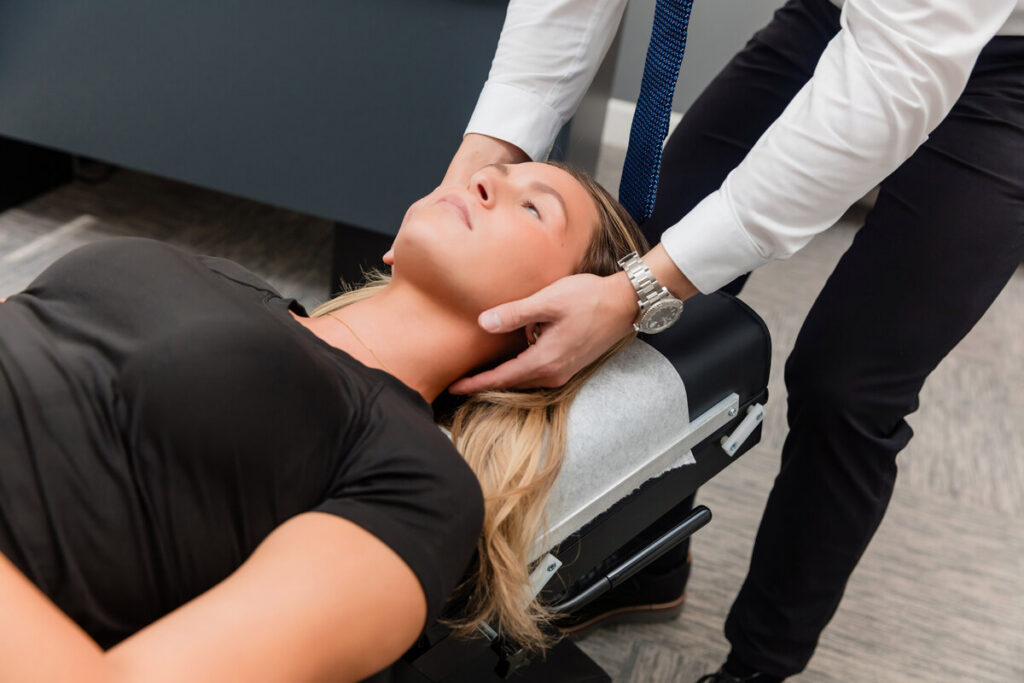
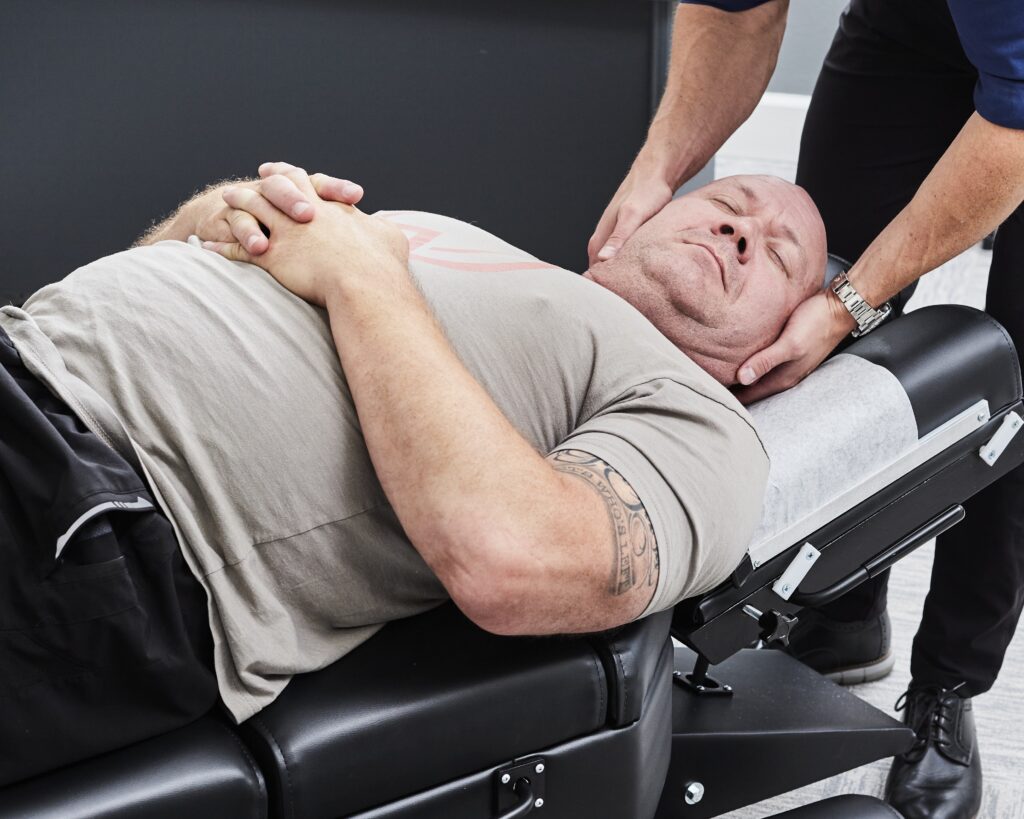
In addition to acupuncture, consider exploring other alternative therapies like chiropractic care, which focuses on spinal alignment, or physical therapy, which offers tailored exercises to strengthen and stretch the neck muscles. These approaches can enhance flexibility and reduce tension, leading to long-term relief.
Herbal remedies and supplements, such as turmeric or omega-3 fatty acids, may also assist in reducing inflammation and promoting healing. You might find that integrating these natural options into your routine complements your overall treatment plan.
Mind-body techniques, like yoga and tai chi, can provide dual benefits by improving your physical well-being and teaching you how to manage stress. Regular practice can enhance your posture and help prevent future neck pain.
Before you start any new treatment, it's crucial to consult with a healthcare professional to verify these therapies are safe and appropriate for you.
Ergonomic Adjustments at Work
Making ergonomic adjustments at work can greatly reduce neck pain and improve overall comfort. By creating a workspace that supports your body's natural alignment, you can minimize strain on your neck and enhance your productivity.
Here are some practical changes you can make:
- Monitor Height: Position your computer monitor at eye level, so you don't have to tilt your head up or down. The top of the screen should be at or slightly below eye level, allowing you to maintain a neutral neck position.
- Chair Alignment: Use a chair with good lumbar support. Adjust the height so your feet rest flat on the floor, and your knees are at a 90-degree angle. This helps maintain proper posture and reduces stress on your neck.
- Keyboard and Mouse Position: Keep your keyboard and mouse close enough to avoid reaching. Your elbows should be at a 90-degree angle, and your wrists should remain straight while typing. This prevents unnecessary strain on your upper body.
- Breaks and Movement: Schedule regular breaks to stretch and move around. Every hour, take a moment to stand up, rotate your shoulders, and gently stretch your neck. This helps improve circulation and reduces muscle tension.
Mindfulness and Stress Relief
Practicing mindfulness and stress relief techniques can considerably alleviate neck pain by promoting relaxation and reducing muscle tension. When you engage in mindfulness, you focus your attention on the present moment, helping to clear your mind of stressors that may be contributing to your discomfort. This mental shift can create a sense of calm, allowing your body to release tension that often accumulates in the neck and shoulders.
One effective method is deep breathing. Take a few moments each day to sit quietly and breathe deeply. Inhale through your nose, allowing your abdomen to expand, and exhale slowly through your mouth. This simple practice not only calms your mind but also helps to oxygenate your muscles, promoting relaxation.
Another technique is progressive muscle relaxation. Start by tensing the muscles in your neck and shoulders for a few seconds, then release. Notice the difference between tension and relaxation. This awareness can help you identify when you're holding stress in these areas throughout the day.
Incorporating gentle yoga or stretching into your routine can also enhance mindfulness. Focus on each movement and the sensations in your neck and shoulders as you stretch. This physical awareness reinforces the connection between your mind and body, fostering a relaxing experience.
When to Seek Professional Help
Knowing when to seek professional help for neck pain is essential for effective treatment and recovery. While some neck pain may resolve on its own, there are times when you shouldn't ignore your symptoms. Recognizing these signs can help you avoid more serious complications down the road.
Here are four key situations when you should consider seeking professional assistance:
- Persistent Pain: If your neck pain lasts more than a few days and doesn't improve with rest or over-the-counter medications, it's time to consult a professional.
- Numbness or Tingling: Experiencing numbness, tingling, or weakness in your arms or hands can indicate nerve involvement. Don't wait to get this checked out, as early intervention can prevent further issues.
- Severe Pain: If your neck pain is severe and limits your daily activities, seeking help is important. You deserve to live without debilitating discomfort.
- Injury: If your neck pain follows an injury—like a fall or accident—it's critical to get a professional evaluation. What seems like a minor strain may actually be something more significant.
Don't hesitate to reach out for help if you experience any of these symptoms.
Early diagnosis and treatment can lead to a quicker recovery and a better quality of life.
Conclusion
You don't have to resort to surgery to find relief from neck pain. By focusing on posture, incorporating stretching and strengthening exercises, and exploring therapies like massage and acupuncture, you can manage discomfort effectively. Don't forget the power of heat and cold therapy, along with mindful practices to reduce stress. Remember, if your pain persists, seeking professional help is essential. Embrace these solutions and take control of your neck health for a more comfortable life.