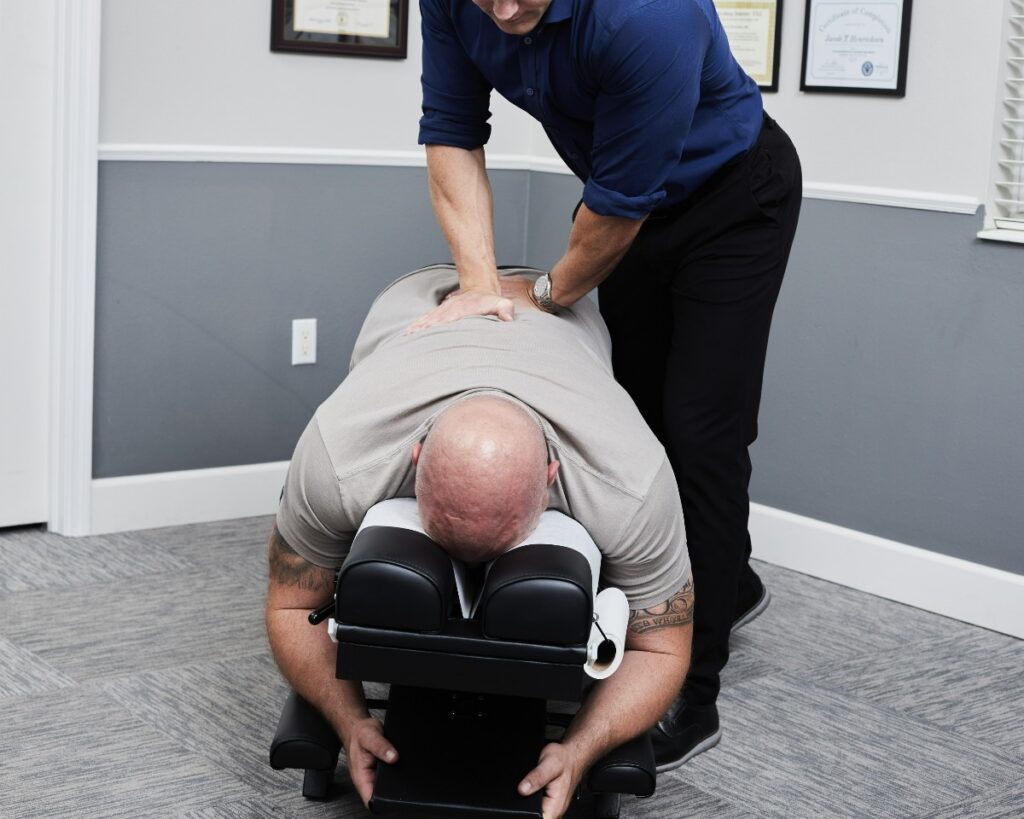

As a local chiropractor, I often see patients who are struggling with back pain, and I want you to know that you’re not alone in this journey. Many individuals look for relief but may not be aware of the natural methods that can be both effective and holistic. By incorporating techniques such as mindfulness, specific exercises, and proper nutrition, you can take significant steps toward managing your discomfort. These strategies not only address the pain itself but also enhance your overall well-being.
If you’re curious about how to weave these natural approaches into your daily routine, I’m here to help guide you. Together, we can explore the possibilities of chiropractic care and how it can complement these methods to support your journey to better health.
Understanding the Causes of Back Pain
As a local chiropractor, I want to help you understand the various sources of back pain and how we can work together to address them through natural healing methods. Back pain can arise from several factors, and it’s crucial to identify the underlying causes for effective relief.
One common culprit is muscle strain, which often occurs from activities like heavy lifting or abrupt movements. Additionally, poor posture—whether you’re sitting at a desk or standing for long periods—can lead to chronic discomfort as your spine struggles to stay aligned.
There are also specific conditions, such as herniated discs or arthritis, that can cause significant pain, sometimes radiating down the legs or limiting your ability to move comfortably. Stress and tension can further tighten muscles, intensifying your discomfort.
Lifestyle choices play a vital role as well. Inactivity or excess weight can place additional strain on your back, making it even more important to recognize and address these factors.
By understanding what triggers your pain, we can create a personalized plan to help you manage it effectively. This might include adjustments to your daily activities, improving your posture, or exploring other natural healing techniques.
My goal is to empower you with knowledge and tools to alleviate your back pain and enhance your overall well-being. Together, we can work towards a healthier, pain-free life.
Mindfulness and Meditation for Pain Management
As a local chiropractor dedicated to your health and well-being, it’s important to recognize that finding relief from back pain often involves more than just addressing the physical aspects. One effective approach that I encourage my patients to consider is incorporating mindfulness and meditation into their daily routines. These practices can significantly enhance your pain management strategy.
Mindfulness allows you to focus your attention and become more aware of your thoughts and feelings, creating a mental space that helps to reduce stress and tension—factors that can often worsen your pain. By practicing mindfulness, you learn to observe your pain without judgment, which fosters a non-reactive awareness. This can help you detach from discomfort, making it feel more manageable rather than overwhelming.
I often recommend simple meditation techniques such as deep breathing exercises or guided imagery to my patients. These methods not only calm your mind but also relax your body, which can be particularly beneficial for those experiencing back pain.
I encourage you to set aside a few minutes each day to engage in these mindfulness practices. Whether you’re meditating or simply practicing being present, these techniques can lead to improved emotional well-being and a more positive pain experience.
With consistent practice, you may find that your back pain becomes easier to manage, allowing you to enjoy life more fully. Remember, natural healing is a holistic journey, and I’m here to support you every step of the way.
Stretching and Strengthening Exercises
As a local chiropractor dedicated to helping you achieve optimal health, I want to emphasize the importance of incorporating stretching and strengthening exercises into your daily routine, especially if you’re dealing with back pain.
These exercises aren’t just physical activities; they’re essential tools for enhancing your flexibility, building strength, and providing the support your spine needs, ultimately helping to alleviate discomfort.
Here are some key benefits to consider:
- Increased flexibility: Engaging in regular stretching can help release tension in tight muscles, allowing for improved mobility and a greater range of motion.
- Enhanced strength: By focusing on strengthening your core and back muscles, you create a supportive foundation for your spine, which can significantly reduce strain and discomfort.
- Improved posture: Consistent exercise routines can lead to better alignment of your body, relieving unnecessary pressure on your back and promoting overall spinal health.
To begin your journey towards a pain-free back, I recommend starting with gentle stretches such as the cat-cow or child’s pose.
Additionally, integrating strengthening exercises like planks or bridges can further benefit your spinal health. Consistency is key, so make these exercises a regular part of your routine.
Always listen to your body—if you experience pain, it’s important to adjust your routine accordingly.
Remember, even small efforts can lead to significant improvements in easing back pain and enhancing your overall well-being.
As your chiropractor, I’m here to support you in this journey towards natural healing and a healthier spine!
The Role of Nutrition in Pain Relief
As your local chiropractor, I want to emphasize the significant role that nutrition plays in managing back pain. You may not realize how much your diet can impact your discomfort.
By incorporating anti-inflammatory foods into your meals and ensuring you stay properly hydrated, you can greatly alleviate pain levels.
Additionally, it’s important to be aware of any nutrient deficiencies you might have, as addressing these can lead to a noticeable improvement in your overall well-being.
Understanding these aspects of nutrition is a vital part of your journey toward healing and pain relief.
Anti-Inflammatory Foods
As a local chiropractor dedicated to helping you achieve optimal health, I want to emphasize the importance of nutrition in managing inflammation and alleviating back pain. Many people may not realize that the foods we consume can significantly influence our body’s inflammation levels.
By incorporating anti-inflammatory foods into your diet, you can’t only reduce discomfort but also support your body’s natural healing process. Here are some beneficial options to consider including in your meals:
- Fatty fish: These are a fantastic source of omega-3 fatty acids, known for their powerful anti-inflammatory properties. Including fish like salmon or mackerel in your diet can help reduce inflammation and improve your overall well-being.
- Berries: Whether it’s blueberries, strawberries, or raspberries, these delicious fruits are rich in antioxidants that can help lower inflammatory markers in your body. They make a great addition to smoothies or as a snack!
- Leafy greens: Vegetables such as spinach and kale are nutrient-dense and packed with vitamins and minerals that actively fight inflammation. Incorporating these greens into your meals can contribute to your health in numerous ways.
By making these dietary changes alongside chiropractic care, you’ll be taking a holistic approach to your health, helping to alleviate pain and improve your quality of life.
Hydration Importance
As a local chiropractor, I want to emphasize the importance of hydration when it comes to managing back pain—a factor that’s often overlooked. While many people tend to focus on specific foods or treatments for relief, staying well-hydrated is crucial for your spine’s health. Proper hydration helps maintain the elasticity of your spinal discs, which can significantly reduce discomfort.
When you’re dehydrated, your body struggles to flush out toxins, leading to inflammation that can exacerbate your pain. It’s essential to drink plenty of water throughout the day, especially if you’re active or in a warm environment.
You might be surprised to learn that even mild dehydration can lead to muscle stiffness and fatigue, both of which can intensify your back pain.
So, let’s make hydration a priority in your daily routine. By doing so, you may notice a positive impact not only on your back pain but also on your overall well-being.
Nutrient Deficiencies Impact
As a local chiropractor, I want to emphasize the importance of hydration in supporting your overall health, especially when it comes to managing back pain.
However, hydration is just one aspect of a holistic approach to healing. Nutrient deficiencies can significantly hinder your body’s ability to recover and cope with pain. By ensuring you consume the right nutrients, you can enhance your healing process and alleviate discomfort.
Let’s take a closer look at some key nutrients that can aid in your recovery:
- Magnesium: This mineral plays a crucial role in muscle relaxation and can help reduce tension, which is vital for easing back pain.
- Vitamin D: Often referred to as the sunshine vitamin, it’s essential for maintaining bone health and may also help in reducing pain levels.
- Omega-3 Fatty Acids: These healthy fats are renowned for their anti-inflammatory properties, which can help combat inflammation and alleviate discomfort in your back.
By focusing on these nutrients in your diet, you can support your body’s healing process and improve your overall well-being.
Exploring Alternative Therapies
As a local chiropractor, I want to share some insights about how alternative therapies can provide relief from back pain, especially if you’re not familiar with these approaches.
While conventional treatments have their merits, exploring options like chiropractic care can be incredibly beneficial.
Chiropractic adjustments are designed to realign your spine and improve your overall mobility. Many of my patients report immediate relief from pain and discomfort after a session. This technique focuses on ensuring that your body is functioning optimally, which is key to long-term recovery.
In addition to chiropractic care, practices like yoga and Pilates can be great complements to your treatment. They emphasize strengthening your core and enhancing flexibility, which helps alleviate strain on your back.
Incorporating mindfulness and meditation can also be beneficial, as they reduce stress and promote a positive mental state, which can further support your healing journey.
You might also consider herbal remedies like turmeric and ginger, known for their anti-inflammatory properties, as well as essential oils such as peppermint and lavender, which can provide soothing relief.
By integrating these natural approaches into your routine, you create a holistic strategy for managing your back pain.
I encourage you to explore these alternatives and find what resonates with you. Together, we can work towards a pain-free life and empower you to take an active role in your recovery.
Creating a Personalized Pain Relief Plan
As a local chiropractor, I want to help you understand how to create a personalized pain relief plan that suits your unique needs.
The first step is to identify your specific pain triggers—this will give us insight into what might be causing your discomfort.
Together, we can establish realistic goals aimed at effectively managing your pain through natural healing methods.
It’s essential to track your progress regularly, as this will help us determine what strategies are most beneficial for you.
Assess Pain Triggers
As a local chiropractor dedicated to helping you manage your back pain, I want to emphasize the importance of identifying your pain triggers. Understanding what aggravates your discomfort is crucial for developing a personalized pain relief plan that works for you.
By recognizing the activities or situations that lead to your pain, you can make informed changes to your lifestyle and treatment options.
Start by observing patterns in your pain. Are there specific activities that make it worse? Here are some common triggers to consider:
- Maintaining poor posture during daily tasks
- Lifting heavy objects without proper technique
- Sitting or standing for extended periods without taking breaks
I recommend keeping a pain journal to track when and where your pain occurs. This won’t only help you identify your triggers but also provide valuable insight to me during our consultations.
By evaluating these triggers together, we can create effective strategies to help you avoid or manage them.
Taking control of your back pain is empowering, and with the right approach, you can enhance your overall well-being.
Set Realistic Goals
As your local chiropractor, I want to emphasize the importance of setting realistic goals when it comes to creating an effective pain relief plan tailored just for you.
Whether you’re looking to reduce your pain intensity or improve your mobility, it’s crucial to start by identifying your specific objectives.
I encourage you to break these goals down into smaller, achievable steps. For instance, you might commit to stretching for ten minutes each day or integrating gentle exercises into your routine a few times a week.
It’s essential that your goals are specific, measurable, achievable, relevant, and time-bound—this approach will help keep you motivated and focused on your progress.
Remember, listening to your body is key. As you embark on this journey, be open to adjusting your goals as necessary.
Celebrate every achievement, no matter how small, as these victories reinforce positive changes and keep you on the path toward long-term relief and overall well-being.
Together, we can work towards a healthier, pain-free life through chiropractic care and natural healing methods.
Track Progress Regularly
As a chiropractor dedicated to your well-being, I want to emphasize the importance of tracking your progress regularly in your journey toward pain relief.
Understanding how your body responds to various natural healing techniques is crucial for creating a personalized treatment plan that truly works for you.
Here are some effective ways to monitor your progress:
- Daily Pain Journal: I encourage you to keep a daily log of your pain levels, the activities you engage in, and the relief methods you try. This will provide valuable insights into your pain management journey.
- Weekly Check-ins: Set aside time each week to review your journal. This practice will help you identify patterns and trends in your pain, allowing us to make informed decisions about your care.
- Adjust Goals: Based on your observations, we can adjust your goals and treatment techniques to ensure they align with your evolving needs. Together, we can create a plan that adapts to how your body responds over time.
Tracking your progress is an empowering step in your path to wellness, and I’m here to guide you every step of the way.
Conclusion
As a local chiropractor, I want to share with you some effective natural pain relief techniques that can help you manage your back pain and improve your overall well-being. It’s essential to understand that chiropractic care is not just about adjustments; it’s about empowering you to take control of your health.
One of the key components of pain management is mindfulness and meditation. These practices can significantly reduce stress, which is often a contributing factor to back pain. I encourage you to incorporate these techniques into your daily routine.
Additionally, targeted stretching and strengthening exercises are vital for supporting your spine. I can guide you in developing a customized exercise plan that focuses on your specific needs, helping to strengthen the muscles that support your back.
Nutrition also plays a critical role in managing pain. Fueling your body with anti-inflammatory foods can help reduce inflammation and promote healing. I can provide you with tips on what foods to include in your diet for optimal health.
Finally, together we can create a personalized pain relief plan that not only addresses your immediate discomfort but also supports your long-term health goals. With the right approach, you can work toward a healthier, pain-free life. Remember, you don’t have to navigate this journey alone—I’m here to help you every step of the way.