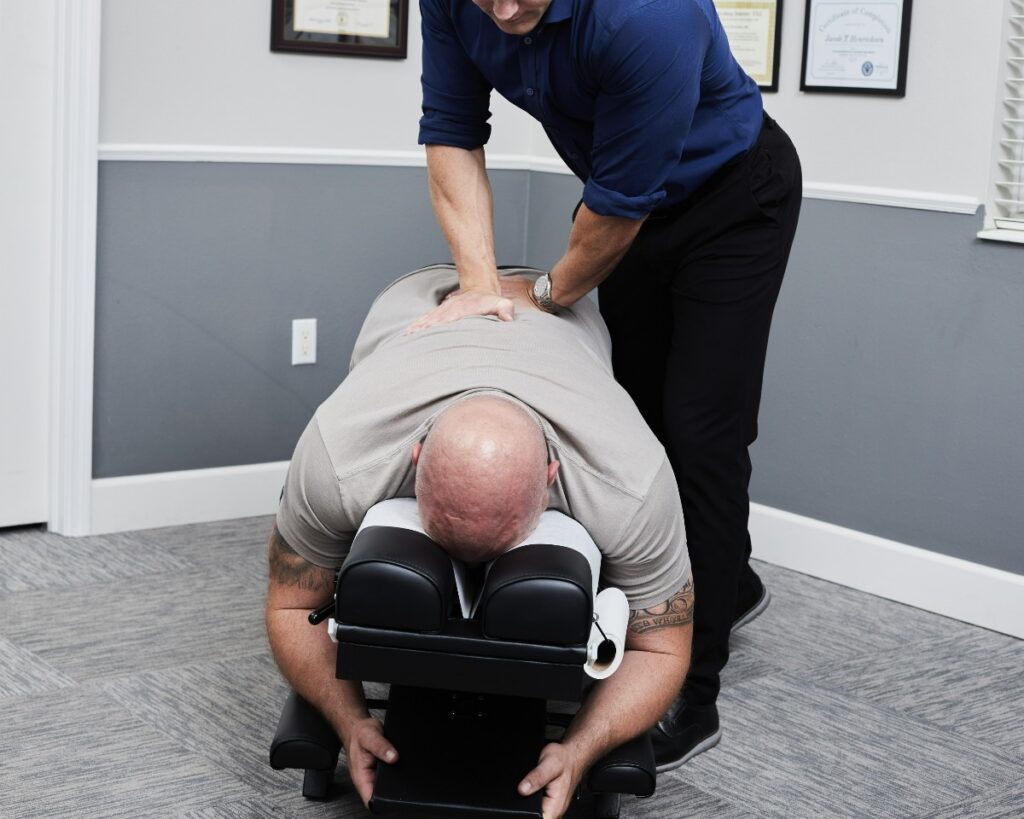

If you're dealing with persistent back pain, you're not alone, and understanding how chiropractic care can help might be your next step. You might be surprised to learn that a blend of techniques, including spinal manipulation and lifestyle adjustments, can lead to significant relief. But before you decide on a course of action, it's crucial to grasp what chiropractic care truly involves and how it targets the root causes of your discomfort. Curious about what to expect during your first visit and the long-term benefits it can offer? Let's explore that further.
Understanding Back Pain
What causes back pain, and how can you manage it effectively? Back pain often stems from a variety of factors, including muscle strain, poor posture, herniated discs, or underlying medical conditions. You might find that lifting heavy objects, sitting for extended periods, or even sleeping in awkward positions can contribute to your discomfort. Understanding these triggers is essential for effective management.
To address your back pain, start by evaluating your daily habits. Are you slouching at your desk or lifting items incorrectly? Making small adjustments, like maintaining good posture and using proper lifting techniques, can greatly reduce strain on your back.
Incorporating regular exercise into your routine can also strengthen the muscles that support your spine, helping prevent future issues. Applying heat or cold therapy can provide immediate relief. Ice packs can reduce inflammation, while heat pads can ease muscle tension.
Stretching and gentle exercises, like yoga or pilates, can improve flexibility and reduce stiffness. Don't underestimate the power of staying hydrated and maintaining a balanced diet, as these factors also play a role in how your body feels.
If your pain persists, consider consulting a healthcare professional. They can help diagnose any underlying issues and recommend personalized treatment options.
What Is Chiropractic Care?
Chiropractic care focuses on diagnosing and treating musculoskeletal disorders, particularly those related to the spine. It's a hands-on approach that emphasizes the relationship between your body's structure and its function. Chiropractors use various techniques to assess and treat conditions affecting your spine, joints, and muscles. They believe that proper alignment of the spine is essential for overall health.
During your first visit, the chiropractor will conduct a thorough examination, which may include a physical assessment and a review of your medical history. They'll look for misalignments or dysfunctions in your spine that could be causing pain or discomfort. Based on their findings, they'll develop a tailored treatment plan designed specifically for you.
Chiropractors often use spinal manipulation, a technique aimed at adjusting misaligned vertebrae to restore proper movement and function. This can relieve pressure on nerves and improve overall mobility.
Besides spinal adjustments, chiropractors may incorporate other therapies, such as soft tissue work, stretching exercises, and lifestyle advice to enhance your recovery.
What sets chiropractic care apart is its holistic approach. Rather than just addressing the symptoms, chiropractors focus on identifying the root cause of your pain or discomfort. They aim to empower you with knowledge about your body and health, enabling you to make informed decisions about your well-being.
If you're seeking a non-invasive treatment option for back pain, chiropractic care could be a valuable consideration.
Benefits of Chiropractic Treatment
Many people find that chiropractic treatment offers a range of benefits for back pain relief and overall wellness. One of the main advantages is its non-invasive approach. Unlike surgical options, chiropractic care focuses on aligning your spine and improving your body's natural ability to heal itself. This can lead to significant pain reduction without the need for medication or invasive procedures.
Additionally, chiropractic adjustments can improve your range of motion, making daily activities easier and more enjoyable. When your spine is properly aligned, you may experience less stiffness and greater flexibility. This can enhance your overall physical performance and reduce the risk of future injuries.
Chiropractic treatment also promotes better posture. Many people develop poor habits that can lead to back pain, but regular chiropractic sessions can help correct these issues. By improving your posture, you'll not only alleviate pain but also enhance your overall appearance and confidence.
Furthermore, chiropractic care can have positive effects on your mental well-being. It's not uncommon to feel more relaxed and less stressed after a session. This holistic approach can also help improve your sleep quality, which is essential for recovery and overall health.
Finally, many patients report better energy levels after receiving chiropractic care. By ensuring that your nervous system functions effectively, you may find you have more energy throughout the day.
Common Chiropractic Techniques
When you visit a chiropractor, you'll encounter several common techniques designed to relieve your back pain.
Spinal manipulation methods, soft tissue therapy, and the active release technique are just a few approaches your chiropractor may use.
Understanding these techniques can help you feel more confident in your treatment plan.
Spinal Manipulation Methods
Utilizing a variety of spinal manipulation methods, chiropractors aim to restore proper alignment and function to the spine.
One common technique you might encounter is the Diversified Technique, which involves high-velocity, low-amplitude thrusts to realign the vertebrae. This method is effective for quickly alleviating pain and improving mobility.
Another method is the Gonstead Technique, focusing on specific spinal segments. Your chiropractor will analyze your spine using X-rays and physical exams to identify misalignments. This targeted approach helps guarantee precise adjustments.
You may also experience the Activator Method, where a handheld instrument delivers gentle impulses to the spine. This technique is beneficial for those who prefer a less forceful approach. It's especially useful for treating conditions in sensitive areas.
If you're dealing with chronic pain, you might benefit from the Thompson Technique, which utilizes a specially designed table that drops slightly during an adjustment. This drop mechanism enhances the effectiveness of the thrust, allowing for a quicker adjustment.
Each of these spinal manipulation methods offers unique benefits. Your chiropractor will assess your needs and tailor the technique to guarantee ideal relief and recovery.
Soft Tissue Therapy
In addition to spinal manipulation methods, soft tissue therapy plays an essential role in chiropractic care for back pain relief. This approach focuses on treating the muscles, ligaments, and tendons surrounding your spine and other joints. By addressing these soft tissues, you can reduce pain, improve mobility, and support overall healing.
One common technique you might experience is massage therapy, which helps relieve muscle tension and promotes relaxation. Your chiropractor may also use myofascial release, targeting the fascia—the connective tissue that surrounds your muscles. This technique can alleviate restrictions and enhance blood flow to the affected areas.
Active and passive stretching techniques are also important aspects of soft tissue therapy. These stretches can help improve flexibility and range of motion in your back, making it easier for you to engage in daily activities without discomfort.
Additionally, your chiropractor may incorporate trigger point therapy, which identifies and releases tight knots in your muscles.
Active Release Technique
Active Release Technique (ART) is a powerful method in chiropractic care that targets specific muscle and soft tissue dysfunctions. This hands-on therapy focuses on identifying and treating scar tissue and adhesions that develop in muscles, tendons, ligaments, and fascia.
When you undergo ART, your chiropractor will use precise movements and pressure to release tight areas and improve your range of motion. You might find ART especially effective for conditions like back pain, headaches, or sports injuries.
During your session, your chiropractor will guide you through specific movements while applying targeted pressure, ensuring the treatment is tailored to your needs. This technique not only alleviates pain but also helps restore proper function to your muscles.
ART's benefits extend beyond immediate relief. By addressing underlying issues, you're less likely to experience recurring pain in the future.
You'll also gain valuable insights into your body mechanics, which can help you prevent injuries and improve your overall performance.
If you're looking for a solution to your back pain, consider incorporating Active Release Technique into your chiropractic care regimen. This method could be the key to achieving long-lasting relief.
What to Expect During a Visit
During your visit to a chiropractor, you'll likely experience a thorough assessment of your back pain and overall health. The chiropractor will start by asking you detailed questions about your symptoms, medical history, and lifestyle. Be prepared to discuss when your pain started, its intensity, and any activities that exacerbate or relieve it. This will help the chiropractor understand your condition better.
Next, you'll undergo a physical examination. The chiropractor will check your posture, range of motion, and muscle strength. They might also perform specific tests to determine how well your spine and related structures are functioning. This hands-on approach allows them to pinpoint areas of tension or misalignment.
After the assessment, the chiropractor will explain their findings and discuss a personalized treatment plan. They'll outline the steps involved, which may include spinal adjustments, soft tissue therapies, or other techniques tailored to your needs. It's important to ask questions during this stage to clarify any uncertainties you might have.
Once you agree on the treatment plan, the chiropractor will begin the adjustments. You'll typically lie on a specialized table, and they'll use controlled force to manipulate your spine. You might hear popping or cracking sounds, which are normal and result from gas bubbles releasing in your joints.
Tips for Long-Term Relief
To achieve long-term relief from back pain, you'll need to make some lifestyle modifications and commit to regular chiropractic visits.
These changes can enhance your overall well-being and prevent future discomfort.
Let's explore how these steps can lead to a healthier back and improved quality of life.
Lifestyle Modifications
Embracing healthier lifestyle choices can greatly enhance your long-term relief from back pain. Start by incorporating regular physical activity into your routine. Aim for at least 30 minutes a day of low-impact exercises, like walking or swimming, which can strengthen your back and improve flexibility.
Next, pay attention to your posture. Whether you're sitting at a desk or lifting heavy objects, maintaining proper alignment can prevent strain on your back. Using ergonomic furniture can make a significant difference, so consider upgrading your workspace.
Nutrition also plays an essential role. Eating a balanced diet rich in anti-inflammatory foods, like fruits, vegetables, and whole grains, can help reduce pain. Stay hydrated, too; proper hydration supports spinal health.
Don't forget about stress management. Chronic stress can lead to muscle tension, so practices like yoga, meditation, or deep breathing can be beneficial.
Finally, make sure you get adequate sleep. Quality rest allows your body to repair and rejuvenate, helping you manage pain better.
Regular Chiropractic Visits
Regular chiropractic visits can be a game-changer in your journey toward back pain relief. By committing to consistent sessions, you're actively working to maintain spinal alignment, improve mobility, and reduce pain over time. Your chiropractor will tailor your treatment plan based on your specific needs, ensuring you receive the most effective care.
To maximize your benefits, don't wait until your pain escalates. Schedule regular appointments, even when you feel good. This proactive approach helps prevent flare-ups and keeps your spine in peak condition.
You'll also want to communicate openly with your chiropractor about any changes in your symptoms or lifestyle, as this information will guide adjustments to your treatment plan.
Incorporating complementary practices can enhance your chiropractic care. Consider pairing your visits with exercises or stretches recommended by your chiropractor. Staying active not only supports your recovery but also strengthens the muscles around your spine, providing additional protection.
Finally, don't underestimate the power of consistency. Make chiropractic care a regular part of your wellness routine, and you'll likely experience long-term relief and improved overall health. Embrace this holistic approach and take charge of your back pain journey today.
Conclusion
Incorporating chiropractic care into your routine can be a game-changer for managing back pain. By understanding the causes, exploring various techniques, and committing to regular visits, you'll be on the path to long-term relief. Remember to maintain good posture and make lifestyle adjustments to support your treatment. Embrace this holistic approach, and you'll not only alleviate pain but also enhance your overall well-being. Take that first step towards a healthier back today!