
You may have noticed that standard treatments for back pain often fall short, leaving you frustrated and searching for answers. What if you could transform your experience by tailoring your approach to fit your unique needs? Personalization in pain management not only addresses your specific triggers but also enhances motivation and engagement in your recovery process. As you consider the benefits of customized strategies, it's worth exploring how factors like exercise, nutrition, and mental health play a role in your journey toward relief. What could a more personalized plan look like for you?
Understanding Back Pain
Back pain can strike anyone, regardless of age or activity level, and it often stems from various causes. You might experience discomfort due to poor posture, muscle strain, or even an injury sustained during physical activity. Understanding the underlying reasons for your pain is essential in addressing it effectively.
Think about your daily routine. Are you sitting for long hours at a desk? That sedentary lifestyle can lead to tight muscles and weakened core strength, putting you at risk for back pain. Alternatively, if you're lifting heavy objects without proper technique, you could easily strain your back.
You should also consider how stress and emotional well-being contribute to your pain. When you're stressed, your body tenses up, leading to increased muscle tension in your back. This can create a vicious cycle where pain leads to more stress, which in turn exacerbates your discomfort.
Age is another factor to keep in mind. As you get older, your spine undergoes natural wear and tear, which can lead to conditions like arthritis or degenerative disc disease.
Recognizing these causes helps you take proactive steps towards alleviating your pain. Whether it's adjusting your workspace, incorporating regular exercise, or managing stress through mindfulness, understanding what triggers your back pain is the first step toward a more personalized and effective approach to treatment.
You've got the power to transform your back pain by gaining insight into its roots.
The Limitations of Standard Treatments
Many people rely on standard treatments for back pain, such as over-the-counter medications or physical therapy, but these methods often have limitations.
While they can provide temporary relief, they mightn't address the root cause of your pain, leading to recurring issues. You may find yourself caught in a cycle of pain and temporary fixes without a lasting solution.
Here are some common limitations of standard treatments:
- Temporary Relief: Medications can mask pain but don't tackle underlying problems, meaning your discomfort can return once they wear off.
- One-Size-Fits-All Approach: Standard treatments usually follow a generic protocol, not considering your unique situation, lifestyle, or specific pain triggers.
- Potential Side Effects: Over-the-counter medications can have side effects that may worsen your overall health, creating additional problems rather than solving your back pain.
- Limited Scope of Physical Therapy: While physical therapy can be beneficial, it may not incorporate all necessary treatment modalities, such as nutrition or mental health support, which are vital for thorough healing.
Benefits of Personalized Approaches
Personalized approaches offer a more effective pathway to managing back pain by addressing your unique needs and circumstances. Unlike standard treatments that apply a one-size-fits-all mentality, personalized methods consider your specific pain triggers, lifestyle, and overall health. This tailored approach allows for more accurate targeting of your pain, leading to improved outcomes.
When you engage in personalized back pain management, you're more likely to find strategies that resonate with you. This may involve customized exercise regimens, dietary recommendations, or specialized physical therapy. By focusing on what works best for you, you can increase your engagement and motivation, which are essential for long-term success.
Additionally, personalized approaches often incorporate a holistic view of your well-being. They don't just aim to alleviate pain but also enhance your overall quality of life. You might find that managing stress through mindfulness or improving sleep can considerably contribute to your pain relief.
Furthermore, working closely with healthcare professionals allows for ongoing adjustments to your treatment plan. As you progress, your needs may change, and having a flexible plan guarantees you're always on the right track.
In essence, embracing personalized approaches empowers you to take control of your back pain management. You're not just another patient; you're an individual with unique challenges and strengths. By prioritizing your specific needs, you're more likely to achieve lasting relief and a better quality of life.
Assessing Individual Needs
To effectively manage your back pain, it's crucial to evaluate your individual needs first. Everybody's experience with back pain is unique, and understanding what specifically affects you can lead to better outcomes.
Start by evaluating various factors that contribute to your pain and overall well-being.
Here are some key aspects to reflect on:
- Pain Intensity and Frequency: Rate your pain on a scale from 1 to 10 and note how often it occurs. This helps identify patterns and triggers.
- Daily Activities: Reflect on how back pain impacts your daily life, including work, hobbies, and social interactions. Understanding this can guide your approach to relief.
- Medical History: Take into account any previous injuries or conditions that may contribute to your current pain. This background can influence your treatment options.
- Lifestyle Factors: Assess your diet, sleep patterns, and stress levels. These elements can greatly affect your pain experience.
Customized Exercise Programs
Creating a customized exercise program starts with an individualized assessment of your specific needs and limitations.
By understanding your unique situation, you can incorporate tailored exercise modalities that best support your recovery.
This approach not only enhances your physical well-being but also empowers you to manage your back pain effectively.
Individualized Assessment Techniques
When it comes to managing back pain, understanding your unique needs is essential for effective recovery. Individualized assessment techniques help you pinpoint the specific factors contributing to your discomfort. By focusing on your personal history, lifestyle, and physical condition, you can develop a clearer picture of your back pain and the best ways to address it.
Here are some key components to evaluate during your assessment:
- Medical History: Review past injuries, surgeries, or conditions affecting your back.
- Functional Movement Screen: Assess how your body moves and identify any limitations or weaknesses.
- Postural Analysis: Examine your posture during everyday activities to uncover potential contributing factors to your pain.
- Pain Mapping: Identify specific pain locations and patterns to better understand your symptoms.
Using these techniques, you can work with healthcare professionals to design a customized exercise program tailored to your unique needs.
This personalized approach not only enhances your recovery but also empowers you to take control of your back pain management journey. By addressing your individual characteristics, you can create a more effective strategy for long-lasting relief.
Tailored Exercise Modalities
While you might feel overwhelmed by the options available, tailoring exercise modalities to your specific needs can greatly enhance your back pain recovery. Personalized exercise programs focus on your unique condition, fitness level, and preferences, ensuring you engage in activities that not only alleviate pain but also promote overall well-being.
To create an effective tailored program, start by evaluating your pain triggers and limitations. Work with a healthcare professional or a certified trainer who understands your situation. They'll help you choose exercises that strengthen your core, improve flexibility, and support proper posture.
Incorporate a mix of low-impact activities like swimming, walking, or cycling, along with targeted strength training and stretching routines. This combination can help you build endurance while minimizing strain on your back.
Remember to listen to your body, adjusting the intensity and frequency of your workouts as needed.
Don't forget about the mental aspect of recovery. Mindfulness practices such as yoga or tai chi can complement your physical exercises, promoting relaxation and reducing stress.
Targeted Therapy Options
When it comes to managing your back pain, targeted therapy options can make a significant difference.
Customized exercise regimens tailored to your specific needs can enhance your recovery, while innovative treatment modalities offer new avenues for relief.
Let's explore how these approaches can help you regain control over your back health.
Customized Exercise Regimens
Transforming your back pain often starts with customized exercise regimens tailored to your specific needs. These regimens focus on strengthening the muscles that support your spine, improving flexibility, and enhancing overall posture.
By working with a professional, you can develop a plan that addresses your unique challenges and goals.
Here are some key components to evaluate when creating your customized exercise regimen:
- Core Strengthening: Building a strong core helps stabilize your spine and reduces strain on your back.
- Flexibility Exercises: Incorporating stretches can improve your range of motion and relieve tension in your back muscles.
- Low-Impact Cardio: Activities like swimming or cycling can boost blood flow to your back, aiding recovery without putting excess stress on it.
- Posture Training: Learning proper body mechanics can prevent future injuries and keep your back healthy.
Innovative Treatment Modalities
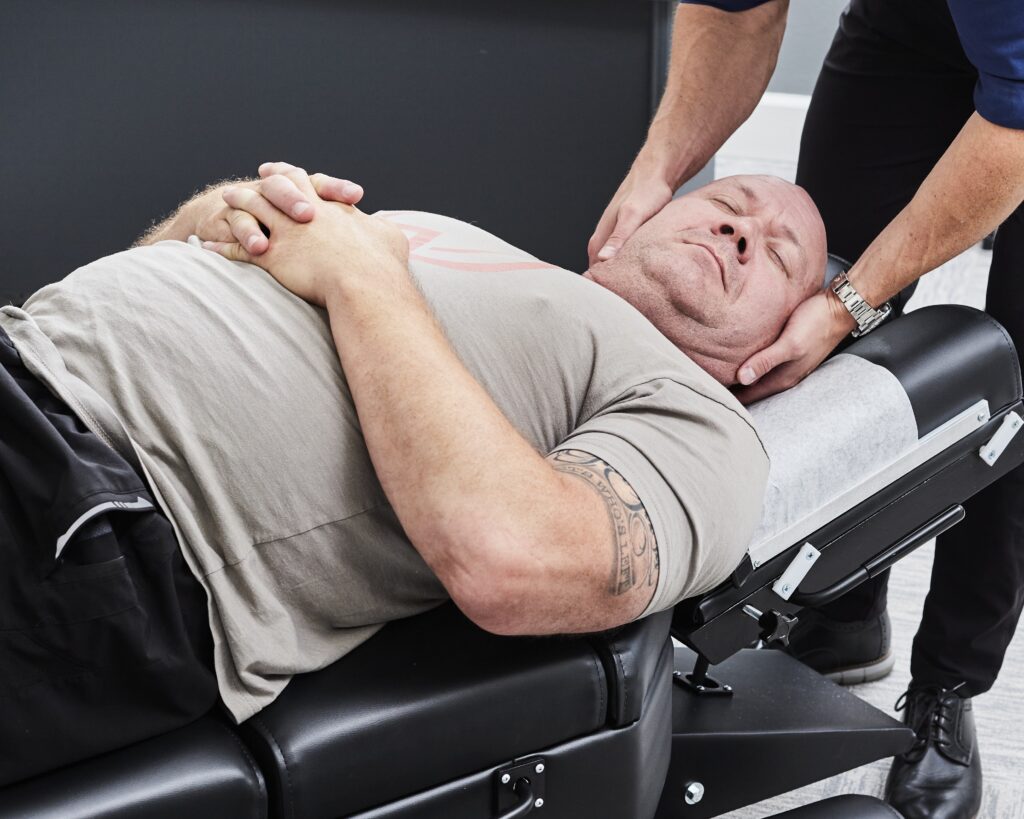
Customized exercise regimens lay a strong foundation for managing back pain, but sometimes additional support is necessary. That's where innovative treatment modalities come into play. You might consider options like spinal manipulation, where a trained chiropractor can help realign your spine, relieving pressure on nerves and easing discomfort.
Another promising approach is acupuncture, which targets specific points in the body to promote natural healing and reduce pain perception. You'll find that many people experience significant relief after just a few sessions, making it a worthwhile option to explore.
If you're looking for a more high-tech solution, you might investigate neuromodulation techniques. These methods, like transcutaneous electrical nerve stimulation (TENS), use electrical impulses to interrupt pain signals before they reach your brain.
Physical therapy is also essential; therapists can provide targeted treatments that complement your exercise regimen, focusing on flexibility, strength, and posture.
With so many tailored options available, you can create a thorough pain management plan that suits your unique needs. Don't hesitate to collaborate with healthcare professionals to find the right combination of therapies for your journey toward relief.
Nutrition's Role in Recovery
Nutrition plays an essential role in your recovery from back pain, influencing not just your overall health but also your body's ability to heal. The right nutrients can reduce inflammation, strengthen muscles, and promote tissue repair, all of which are vital for alleviating pain and enhancing mobility.
When you focus on a balanced diet, you give your body the tools it needs to recover more effectively.
Here are some key nutrition tips to keep in mind during your recovery:
- Anti-inflammatory foods: Incorporate foods rich in omega-3 fatty acids, such as salmon, walnuts, and flaxseeds, which can help reduce inflammation around your spine.
- Lean proteins: Opt for lean meats, legumes, and dairy to support muscle repair and growth. Strong muscles can help stabilize your back and prevent further injury.
- Fruits and vegetables: Aim for a variety of colorful fruits and vegetables to provide essential vitamins, minerals, and antioxidants that aid in healing and overall well-being.
- Hydration: Don't underestimate the power of water. Staying well-hydrated helps maintain the elasticity of your spinal discs and promotes better nutrient absorption.
Mental Health and Pain Management
When you experience back pain, it's not just your body that's affected; your emotions take a hit too.
Understanding the mind-body connection can help you develop effective coping strategies that address both your physical and mental well-being.
Let's explore how managing your mental health can lead to better pain management outcomes.
Emotional Impact of Pain
Many people underestimate the emotional toll that back pain can take on mental health. The constant discomfort can lead to feelings of frustration, helplessness, and even depression.
When you're in pain, it's hard to focus on anything else, and that can impact your overall well-being. You might experience a range of emotions that can exacerbate your pain and complicate your recovery.
Consider these aspects of the emotional impact of back pain:
- Increased Anxiety: Worrying about the future and whether you'll ever feel normal again can heighten anxiety levels.
- Social Withdrawal: Pain might make you isolate yourself, missing out on social events and support from friends and family.
- Mood Swings: Chronic pain can lead to irritability and mood changes, affecting your relationships and daily interactions.
- Decreased Motivation: Feeling overwhelmed can sap your motivation, making it harder to engage in activities you once enjoyed.
Recognizing these emotional challenges is the first step towards addressing them.
Mind-Body Connection
The intricate relationship between your mind and body plays an essential role in how you experience and manage back pain. When you're under stress or feeling overwhelmed, your body can react with increased muscle tension and pain. Recognizing this connection is significant; your mental state influences your physical symptoms.
When you're anxious or depressed, it can heighten your perception of pain, making it feel more intense. Conversely, positive emotions and a calm mind can help mitigate discomfort.
Mindfulness and relaxation techniques can serve as powerful tools to ease pain by fostering a sense of calm and reducing tension. Practicing mindfulness meditation or deep-breathing exercises can help you tune into your body and mind, allowing you to respond to pain with greater resilience.
This awareness enables you to break the cycle of pain and stress, empowering you to take control of your experience.
Coping Strategies for Pain
Understanding the connection between your mind and body is key to developing effective coping strategies for pain management. When you acknowledge how your mental state can influence your physical sensations, you can start to take control of your pain experience.
Here are some strategies that can help you cope:
- Mindfulness and Meditation: Practicing mindfulness helps you focus on the present moment, reducing anxiety and stress associated with pain.
- Cognitive Behavioral Therapy (CBT): This technique can aid in changing negative thought patterns and behaviors related to your pain, empowering you to cope more effectively.
- Physical Activity: Engaging in gentle exercises, like walking or stretching, can release endorphins and improve your overall mood, making pain feel more manageable.
- Support Networks: Connecting with friends, family, or support groups can provide emotional relief and practical advice, reminding you that you're not alone in your journey.
Tracking Progress and Adjustments
Tracking progress and making necessary adjustments are essential steps in managing back pain effectively. When you're on a journey to alleviate your discomfort, keeping a close eye on your symptoms and responses to treatments helps you understand what works and what doesn't. Start by documenting your pain levels daily, noting their intensity, frequency, and any activities that exacerbate or relieve them. This data becomes invaluable.
You might also want to track the changes in your physical activities and any therapies you've tried, such as physical therapy, chiropractic adjustments, or exercise routines. This will give you a clearer picture of how these interventions impact your pain. Regularly evaluating this information helps you identify trends and patterns, allowing you to make informed decisions about your treatment.
Don't hesitate to communicate your findings with your healthcare provider. They can help interpret your data and suggest adjustments tailored to your specific needs. For example, if you notice that certain movements increase your pain, you may need to modify your exercise regimen or focus on strengthening specific muscle groups.
Finally, remember that managing back pain is a dynamic process. What works today mightn't be effective tomorrow. Keep an open mind and be willing to adapt your strategies as your situation evolves. By actively tracking your progress and making informed adjustments, you empower yourself to take control of your back pain, leading to a more personalized and effective approach to healing.
Success Stories and Case Studies
Many individuals find inspiration and motivation by hearing about others who've successfully managed their back pain. These success stories can illuminate the path towards relief and recovery, showing you that a personalized approach can yield impressive results.
Here are a few key examples of individuals who turned their situations around:
- Sarah, a 38-year-old yoga instructor, customized her routine to include specific stretches targeting her lower back, ultimately reducing her pain by 70% within months.
- James, a construction worker, incorporated strength training and proper lifting techniques into his daily activities, enabling him to work pain-free and regain his confidence on the job site.
- Maria, a busy mom, focused on mindfulness and breathing exercises, which helped her manage stress-related back pain and improve her overall well-being.
- Tom, a retired athlete, engaged in physical therapy tailored to his needs, allowing him to reconnect with his passion for running without discomfort.
Each of these individuals faced unique challenges but discovered that personalized strategies made a significant difference.
By adapting their routines, seeking professional guidance, or integrating holistic approaches, they transformed their lives. Their journeys serve as a reminder that with determination and the right resources, you too can find the right path to manage your back pain effectively.
Don't underestimate the power of personalization—it could be the key to your own success story.
Conclusion
Incorporating personalized approaches to back pain management can truly transform your experience. By focusing on your unique needs, you can discover effective strategies that fit your lifestyle and enhance your well-being. From tailored exercise programs to mindful nutrition, every adjustment brings you closer to relief. As you track your progress, remember that continuous adaptation is key. Embrace this journey, and you'll not only conquer your pain but also elevate your overall quality of life.