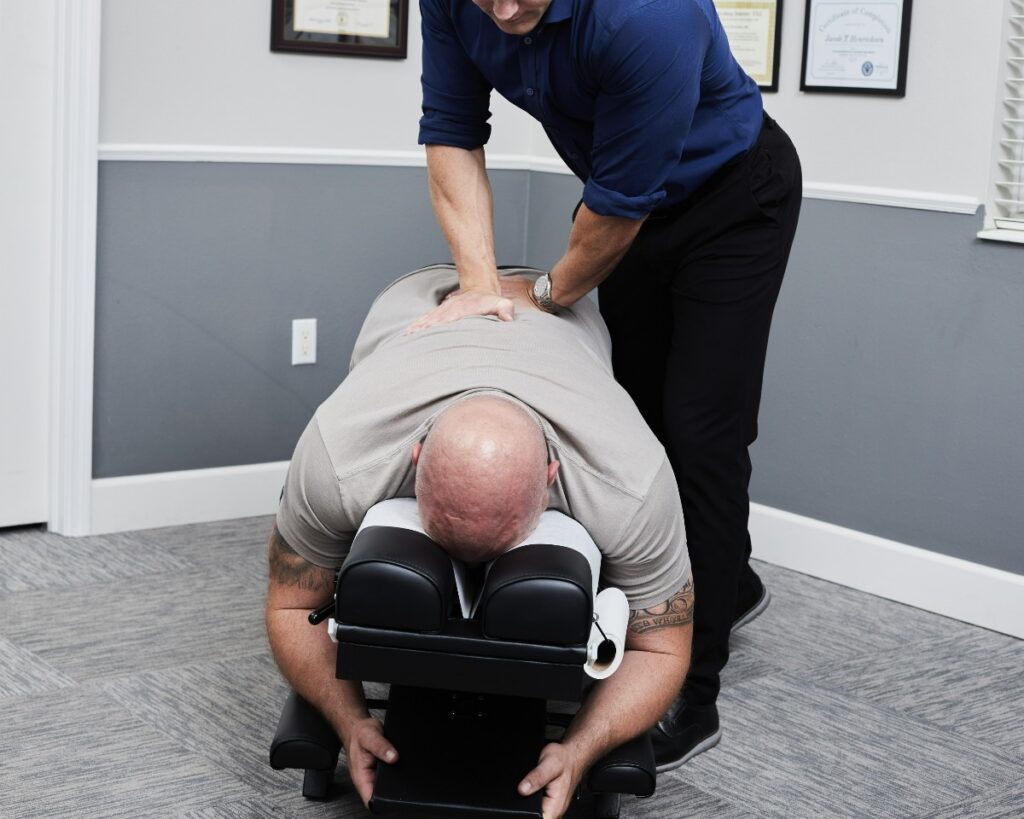
Neck pain can be a persistent issue, especially when you’re working from home. As a local chiropractor, I want to highlight how your workspace setup can greatly impact your comfort and overall spinal health. Simple ergonomic adjustments can lead to significant relief and help you maintain a healthy posture throughout the day.
Start by evaluating your chair and desk height—your screen should be at eye level to avoid straining your neck. Additionally, consider using a supportive chair that encourages a natural curve in your spine. These changes are just the beginning; incorporating regular breaks to stretch and move will also help alleviate discomfort.
Remember, it’s not just about your physical setup. Practicing mindfulness and relaxation techniques can positively influence your overall well-being. When your body is relaxed, it can help reduce tension in your neck and shoulders.
Chiropractic care is a fantastic way to address neck pain and promote natural healing. Regular adjustments can help align your spine, alleviate pain, and enhance your body’s ability to function optimally. By focusing on your spinal health and making simple adjustments at home, you can keep your neck feeling its best and support your journey to overall wellness. If neck pain persists, don’t hesitate to reach out to a chiropractor who can provide personalized care tailored to your needs.
Key Takeaways
- Ensure your workspace is set up to support your spine’s natural alignment. Position your monitor at eye level and choose a chair that provides lumbar support, which encourages proper posture and helps prevent neck pain.
- Remember to take breaks every 30 to 60 minutes. Stand up, do some gentle stretches, and move around. This promotes blood circulation and helps keep your muscles relaxed, reducing the risk of stiffness and discomfort.
- Incorporate simple neck and shoulder stretches into your daily routine. These stretches can relieve tension and improve flexibility, which is vital for maintaining a healthy spine.
- When it comes to sleep, use supportive pillows that align your head and neck according to how you sleep. Proper alignment during rest can lead to better quality sleep and significantly reduce discomfort upon waking.
- Stay hydrated and nourish your body with a balanced diet. Proper hydration and nutrition support muscle health and help alleviate stiffness, allowing you to feel your best.
Chiropractic care is an excellent way to address neck pain and enhance overall well-being. Regular adjustments can help ensure your spine remains aligned, reducing the risk of discomfort and promoting natural healing. Remember, taking proactive steps today can lead to a healthier, pain-free tomorrow.
Assess Your Workspace Ergonomics
When you spend long hours at a desk, it’s essential to assess your workspace ergonomics to help prevent neck pain and promote overall wellness. As a chiropractor, I want to provide you with practical tips to create a healthier workspace that supports your spine and enhances your daily comfort.
Start by adjusting your chair height so that your feet rest flat on the floor, with your knees at or slightly below hip level. This position helps maintain proper alignment of your spine and reduces strain on your neck and back.
Next, position your monitor at eye level; this way, you can keep your head in a neutral position without tilting up or down, which can lead to discomfort over time. If you’re using a laptop, consider investing in a stand or using an external monitor to achieve the correct height.
Make sure your keyboard and mouse are within easy reach to avoid stretching or straining your shoulders. The closer they are, the more relaxed your arms will be, which is crucial for maintaining good posture.
Invest in a supportive chair that encourages proper alignment and offers lumbar support to help your lower back. Additionally, keep frequently used items like your phone or notepad within easy reach to minimize awkward movements that can lead to injuries.
Remember to take regular breaks to stand, stretch, and move around. This not only helps your body recover from long periods of sitting but also promotes better circulation.
Regularly check your setup and make adjustments as needed. If you do experience discomfort or pain, don’t hesitate to seek chiropractic care. A chiropractor can help address any misalignments and guide you towards optimal spinal health.
Maintain Proper Posture
Maintaining proper posture is crucial for preventing neck pain, especially if you spend long hours at your desk. As a chiropractor, I want to emphasize that good alignment of your body can significantly impact your overall health and well-being.
Here are some simple tips to help you achieve and maintain good posture, which in turn can support spinal health and natural healing:
- Keep your feet flat on the floor or on a footrest. This provides essential support and helps maintain your body’s alignment.
- Align your ears with your shoulders. Your head should sit directly over your spine. This alignment reduces unnecessary strain on your neck.
- Use a chair that offers lumbar support. This can help maintain the natural curve of your lower back, which is vital for preventing discomfort and promoting a healthy spine.
- Position your screen at eye level. This helps you avoid bending your neck forward or backward, reducing strain and preventing pain.
Remember, proper posture isn’t just about sitting or standing correctly; it’s about supporting your entire body.
If you’re experiencing neck pain or discomfort, consider visiting a chiropractor. We can help guide you toward a healthier lifestyle through natural methods that promote spinal health and overall wellness.
Taking these simple steps can lead to significant improvements in your comfort and quality of life.
Take Regular Breaks
To prevent neck pain, it’s crucial to take regular breaks throughout your day, especially if you find yourself sitting at a desk for long stretches. As a chiropractor, I recommend setting a timer to remind yourself to step away every 30 to 60 minutes. Use this time to stand up, walk around, or simply change your position. Each break allows your muscles to relax, helping to reduce tension and fatigue that can lead to discomfort.
Incorporating simple activities during these breaks can also be beneficial. Consider grabbing a glass of water or doing a quick household chore to keep your body moving. This movement not only promotes blood circulation but also keeps your body engaged and supports overall wellness.
Remember, consistent movement and proper posture are key in maintaining spinal health. If you continue to experience neck pain, it may be a sign that your spine needs attention.
Chiropractic care is a natural and effective way to relieve pain and promote optimal health without the need for medications or surgeries. Prioritize your well-being by listening to your body and seeking the right care when needed.
Stretch Your Neck and Shoulders
Stretching your neck and shoulders regularly is essential for alleviating tension and preventing pain, and as a chiropractor, I can tell you that maintaining flexibility in these areas is crucial for your overall spinal health.
By incorporating simple stretches into your daily routine, you can keep your muscles flexible, reduce stiffness, and promote a healthy spine. Here are some effective stretches that you can easily integrate into your day:
- Neck Tilt: Start by gently tilting your head towards one shoulder. Hold this position for 15-30 seconds to feel a gentle stretch. Switch sides and repeat. This simple movement helps relax tight neck muscles, which can contribute to headaches and discomfort.
- Shoulder Shrugs: Raise your shoulders up towards your ears, hold for a brief moment, and then release them back down. Repeat this several times. Shoulder shrugs are a fantastic way to release built-up tension in your upper back and shoulders.
- Chin Tucks: Gently pull your chin back towards your neck while keeping your spine straight. Hold for a few seconds before releasing. This exercise helps align your spine and improves posture, reducing strain on your neck.
- Upper Back Stretch: Interlace your fingers and extend your arms in front of you, rounding your upper back. Hold this position for 15-30 seconds. This stretch opens up your upper back, which can become tight from poor posture, especially if you sit at a desk for long periods.
In addition to these stretches, remember to pay attention to your posture throughout the day.
Sitting up straight, using ergonomic furniture, and taking regular breaks to move around can all contribute to better spinal health.
If you’re experiencing persistent discomfort, consider visiting your local chiropractor. Chiropractic care focuses on natural healing and can help you achieve optimal health through spinal adjustments and personalized wellness plans.
Prioritizing your spinal health today can lead to a more comfortable, active tomorrow!
Use Supportive Pillows
Choosing the right pillow can significantly impact your neck health and overall well-being. As a chiropractor, I emphasize the importance of maintaining proper spinal alignment while you sleep. A supportive pillow helps to cradle your head and neck, ensuring that your spine remains in a neutral position. This can prevent discomfort and promote healing.
It’s essential to regularly assess the condition of your pillows. Over time, pillows can lose their firmness and support, leading to potential neck strain. Make it a habit to replace worn-out pillows to ensure you’re getting the support your body needs.
Additionally, consider the sleeping position you prefer. Side sleepers may benefit from a firmer, higher pillow to fill the gap between the head and the mattress, while back sleepers often do well with a medium loft pillow that supports the natural curve of the neck.
Remember, proper sleep hygiene, including a supportive pillow, plays a key role in your overall health. If you experience persistent neck pain, chiropractic care can provide natural relief and help restore proper function to your spine.
Prioritize your health by choosing the right pillow and considering regular chiropractic adjustments for optimal wellness.
Choose the Right Material
When it comes to preventing neck pain, using the right supportive pillows can greatly enhance your comfort and spinal alignment during sleep. As a chiropractor, I understand how crucial it’s to choose a pillow that provides the right support for your neck. The material of your pillow plays a significant role in ensuring that your spine stays aligned and that you wake up feeling refreshed rather than sore.
Here are some materials to consider for ideal support:
- Memory Foam: This material molds to the shape of your head and neck, offering personalized support that can help alleviate pressure points. It’s often recommended for those who need extra cushioning.
- Latex: Known for its firm support, latex pillows also help regulate temperature, keeping you cool throughout the night. This can be beneficial for those who tend to overheat while sleeping.
- Buckwheat Hulls: These pillows conform to your unique shape and provide excellent airflow, which can help with comfort and temperature regulation. They offer a natural, adjustable option that many find beneficial.
- Gel-Infused Foam: Combining comfort and cooling properties, gel-infused foam is ideal for hot sleepers. It provides support while helping to maintain a comfortable temperature throughout the night.
In addition to choosing the right pillow material, remember that the way you sleep can also impact neck pain. If you sleep on your side, a thicker pillow is generally better for maintaining spinal alignment. For back sleepers, a medium-thickness pillow can help keep your neck in a neutral position.
Finally, regular chiropractic adjustments can help maintain proper alignment and relieve any pain you may be experiencing. By focusing on spinal health and using supportive materials for sleep, you can take proactive steps toward a pain-free and healthier lifestyle.
Always consult with your chiropractor for personalized recommendations that suit your specific needs.
Maintain Proper Alignment
To maintain proper alignment while you sleep, it’s important to use supportive pillows that align with your sleeping position. As a chiropractor, I understand that how you rest at night can greatly impact your spinal health and overall well-being.
If you’re a back sleeper, consider a medium-loft pillow. This type of pillow helps to support the natural curve of your neck, keeping your spine in a neutral position.
For those who sleep on their sides, a firmer, higher pillow is beneficial as it fills the gap between your shoulder and head, promoting proper alignment and reducing the risk of discomfort.
Conversely, if you find yourself sleeping on your stomach, a soft, flat pillow or even no pillow at all can help prevent unnecessary neck strain.
Always check that your pillow keeps your head aligned with your spine for optimal support. Remember to regularly adjust your pillow throughout the night to maintain comfort.
Investing in the right pillows isn’t just about comfort; it’s a crucial step in reducing the risk of neck pain and enhancing your overall sleep quality.
As you focus on your sleep environment, remember that chiropractic care can also play a vital role in achieving optimal health and wellness.
Regular chiropractic adjustments help ensure your spine is aligned, which can lead to better sleep and pain relief.
Replace Worn Pillows Regularly
Regularly replacing worn pillows is essential for maintaining proper neck support and preventing discomfort. As a chiropractor, I understand that the right pillow can significantly impact spinal alignment and overall health. Over time, pillows lose their shape and cushioning, which can lead to pain and restless nights.
Here are some straightforward tips to ensure your pillows are helping you achieve optimal health:
- Check for lumps and flattening: If your pillow can’t regain its shape after being compressed, it’s time for a new one. A supportive pillow should contour to your neck and head to maintain proper alignment.
- Consider your sleeping position: Your preferred sleeping position—whether on your back, side, or stomach—affects the type of pillow you need. For instance, side sleepers often benefit from firmer, higher pillows to fill the gap between the shoulder and head, while back sleepers may need a medium loft to keep the neck in a neutral position.
- Choose the right material: Pillows made from memory foam, latex, or down each provide different levels of support. Memory foam can offer excellent contouring, while latex can provide a firmer feel. It’s important to find what feels best for you.
- Replace every 1-2 years: Regularly changing your pillows can help maintain good neck alignment and improve sleep quality. Fresh pillows can reduce tension in the neck and shoulders, promoting a more restful night.
Investing in supportive pillows is a simple yet effective way to reduce neck pain and enhance your sleep experience.
Stay Hydrated
Staying hydrated is a key factor in promoting overall wellness and preventing neck pain. When your body is dehydrated, your muscles can become stiff and uncomfortable, which increases the risk of strain and pain in areas like your neck. To support your muscles and maintain their flexibility, aim to drink at least eight glasses of water each day.
One simple way to ensure you’re drinking enough water is to carry a water bottle with you wherever you go. This little reminder can help you sip throughout the day. If you’re engaging in physical activities or spending time in a warm environment, you may want to increase your water intake to match your needs.
Listen to your body—if you feel thirsty or notice a dry mouth, it’s a clear sign that you need to hydrate. Incorporating water-rich foods such as fruits and vegetables into your diet can also aid in keeping you hydrated.
By prioritizing hydration, you not only support your muscle health but also significantly lower your chances of experiencing neck pain.
Limit Phone Usage
To prevent neck pain, it’s important to be mindful of your phone usage. As a chiropractor, I often see patients who experience discomfort due to poor posture while using their devices. One simple tip is to use the speakerphone option, which allows you to keep your head up and maintain a healthier alignment of your spine during conversations.
Additionally, consider setting time limits on your phone calls. This not only helps reduce the strain on your neck but also encourages you to engage more in face-to-face interactions, which can be beneficial for your overall wellness.
Remember, maintaining good posture is crucial, and making small adjustments in your daily habits can lead to significant improvements in your spinal health.
If you’re experiencing any neck pain, I encourage you to explore chiropractic care as a natural and effective solution. Chiropractic adjustments can help restore proper alignment, relieve tension, and promote overall wellness.
Take charge of your health by making these small changes today!
Use Speakerphone Option
As a local chiropractor, I want to share some valuable insights on how using the speakerphone option can benefit your neck health and overall wellness.
Holding a phone between your ear and shoulder can lead to strain and tension in your neck, which can contribute to discomfort and even chronic pain. By switching to speakerphone, you can make a positive change for your spinal health.
Here are some key benefits of using speakerphone:
- Reduces Neck Strain: By eliminating the need to awkwardly hold the phone, you allow your neck to relax and avoid unnecessary tension that can lead to pain.
- Promotes Movement: With hands-free communication, you can walk around or change positions while talking. This not only helps improve circulation but also encourages better posture.
- Enhances Comfort: Using speakerphone makes it easier to maintain a natural posture without cradling the phone, helping to keep your spine aligned and reducing the risk of discomfort.
- Encourages Multitasking: Hands-free communication allows you to carry out other tasks without interruptions, making it easier to stay productive while taking care of your health.
By incorporating the speakerphone option into your daily routine, you can significantly reduce your risk of developing neck pain and contribute to your overall spinal health.
Remember, maintaining proper posture and minimizing strain is key to achieving optimal wellness. If you’re experiencing discomfort, consider visiting a chiropractor for personalized care and guidance on maintaining a healthy spine.
Together, we can work towards your pain relief and natural wellness!
Maintain Proper Posture
Even when you’re deep in conversation, it’s crucial to maintain proper posture to help prevent neck pain. Holding your phone between your shoulder and ear can strain your neck and lead to discomfort. Instead, try keeping your phone at eye level or using a hands-free device to keep your spine aligned.
Here’s a quick reference to help you remember good posture principles that can support your spinal health:
| Posture Aspect | Description | Tips |
|---|---|---|
| Head Position | Keep your head aligned with your spine | Avoid leaning forward or backward to reduce strain |
| Shoulder Relaxation | Relax your shoulders; don’t hunch | Keep them down and back to promote spinal alignment |
| Elbow Angle | Maintain a 90-degree angle | Avoid extending your arms too much to prevent tension |
| Back Support | Sit with your back against a chair | Use chairs that support your lower back for optimal comfort |
Set Time Limits
Setting time limits on phone usage is an essential step towards reducing neck strain and discomfort, which can often lead to more serious spinal issues. By being mindful of how long you spend looking down at your device, you can help prevent unnecessary tension in your neck and promote overall spinal health.
- Set a Timer: Consider using a timer to remind yourself to take a break every 20-30 minutes. This simple practice can help you reset your posture and relieve built-up tension.
- Limit Social Media: Designate specific times for social media browsing. This won’t only help you avoid mindless scrolling but also encourage you to engage in healthier activities that support your well-being.
- Prioritize Calls: Whenever possible, opt for hands-free options when making calls. This keeps your neck in a more aligned position and reduces strain.
- Engage in Other Activities: Instead of reaching for your phone during downtime, try replacing that time with activities like reading a book or going for a walk. These alternatives not only give your neck a break but also promote a healthier lifestyle.
Remember, incorporating these practices into your daily routine can significantly enhance your spinal health and overall well-being.
If you’re experiencing persistent neck discomfort, consider visiting a chiropractor for a personalized approach to pain relief and wellness. Chiropractic care focuses on natural healing and can help you achieve optimal health without the need for medications or invasive procedures.
Adjust Your Screen Height
One simple adjustment can significantly reduce neck strain: your screen height. Positioning your monitor at eye level is key—this way, you won’t have to tilt your head up or down. Ideally, the top of your screen should be at or slightly below eye level, allowing you to look straight ahead. This keeps your neck in a neutral position, which is vital for minimizing strain during those long hours of work or browsing.
If you’re working on a laptop, consider using a laptop stand or connecting to an external monitor. You can also use books or a riser to elevate your screen. Don’t forget to adjust your chair height so that your feet rest flat on the floor—this provides a stable base and supports your spine.
Additionally, keep your screen about an arm’s length away to help reduce eye strain. Making these adjustments not only creates a more comfortable workspace but also significantly lowers your chances of developing neck pain.
As a chiropractor, I encourage you to pay close attention to your posture and workstation setup. By prioritizing these adjustments, you can promote your overall spinal health and well-being.
Practice Stress-Relief Techniques
After ensuring your screen is properly positioned, it’s crucial to address another factor that can contribute to neck pain: stress. High stress levels can lead to muscle tension, especially in your neck and shoulders.
To help alleviate this tension and promote overall wellness, consider incorporating stress-relief techniques into your daily routine. Here are some effective methods that align with the principles of chiropractic care:
- Deep Breathing: Spend a few moments each day focusing on your breath. Inhale deeply through your nose, hold for a moment, and exhale slowly through your mouth. This practice not only calms your mind but also helps reduce muscle tension.
- Mindfulness Meditation: Dedicate 10 minutes each day to practice mindfulness. By concentrating on the present moment, you can significantly reduce anxiety and stress, allowing your body to relax and your spine to align more naturally.
- Gentle Stretching: Incorporate simple neck stretches into your routine. Slowly tilt your head side to side and forward and back to relieve tension. This not only helps your muscles but also encourages proper spinal alignment, which is essential for optimal health.
- Progressive Muscle Relaxation: This technique involves tensing and then relaxing each muscle group, starting from your toes and working your way up to your neck. It can be an effective way to release built-up stress and promote relaxation throughout your body.
By integrating these techniques into your life, you can effectively manage stress, reduce tension, and support your neck health.
Invest in a Good Chair
Invest in a Good Chair for Your Spine Health
As a chiropractor, I often see patients who suffer from neck pain due to poor posture and inadequate seating. If you find yourself sitting for long periods, investing in a quality ergonomic chair can make a world of difference for your neck and overall spinal health. A well-designed chair not only enhances your comfort but also supports your body’s natural alignment, which is crucial for preventing discomfort and pain.
When choosing a chair, look for these essential features:
| Feature | Importance | Benefits |
|---|---|---|
| Adjustable Height | Ensures your feet are flat on the ground | Encourages better posture and spinal alignment |
| Lumbar Support | Supports your lower back | Helps reduce strain on your neck and back |
| Headrest | Provides support for your head | Eases tension in neck muscles |
| Armrests | Supports your arms and shoulders | Minimizes shoulder strain |
| Material | Affects comfort and breathability | Keeps you comfortable during long hours |
Incorporating these features into your workspace can greatly improve your sitting experience. Remember, the right chair is just one piece of the puzzle. Regular chiropractic adjustments can also play a vital role in maintaining your spinal health and alleviating any pain you may be experiencing.
Here are a few tips to keep in mind while sitting:
- Take Frequent Breaks: Stand up, stretch, and move around every 30 minutes to keep your muscles active and reduce stiffness.
- Practice Good Posture: Sit all the way back in your chair with your back supported. Your shoulders should be relaxed, and your elbows should be close to your body at a 90-degree angle.
- Use Supportive Cushions: If your chair lacks lumbar support, consider using a cushion to maintain the natural curve of your lower back.
- Stay Hydrated: Drinking plenty of water can help keep your muscles hydrated and reduce fatigue.
Conclusion
As a local chiropractor, I want to share some valuable tips to help you prevent neck pain while at home. By making a few simple adjustments, you can significantly reduce your risk and promote a healthier spine.
First, take a look at your workspace. Ensure that your desk, chair, and computer screen are set up ergonomically to support good posture. Keeping your screen at eye level and your chair at the right height can make a world of difference. Remember, maintaining proper posture while sitting can alleviate unnecessary stress on your neck.
Incorporate regular breaks into your day. Standing up, moving around, or even doing light stretches for your neck can help relieve tension. I recommend taking a moment every hour to give your neck some love.
Speaking of stretches, consider incorporating gentle neck stretches into your daily routine. Simple movements like tilting your head side to side or gently rolling your shoulders can help keep your neck muscles flexible and relaxed.
Investing in a supportive pillow and a comfortable chair is also crucial. Your pillow should maintain the natural curve of your neck while you sleep, promoting a restful night and preventing morning stiffness. A supportive chair can help you maintain good posture throughout the day.
Limit your phone usage, as looking down at devices can strain your neck. When possible, hold your phone at eye level to avoid unnecessary bending.
Lastly, practicing stress-relief techniques such as deep breathing or mindfulness can help reduce tension in your neck and promote overall well-being.
Prioritizing these habits not only helps keep your neck healthy and pain-free but also enhances your overall comfort and productivity at home. And remember, if you ever experience persistent neck pain, consulting with a chiropractic professional can provide you with the natural relief and support you need to achieve optimal health. Your spine deserves it!