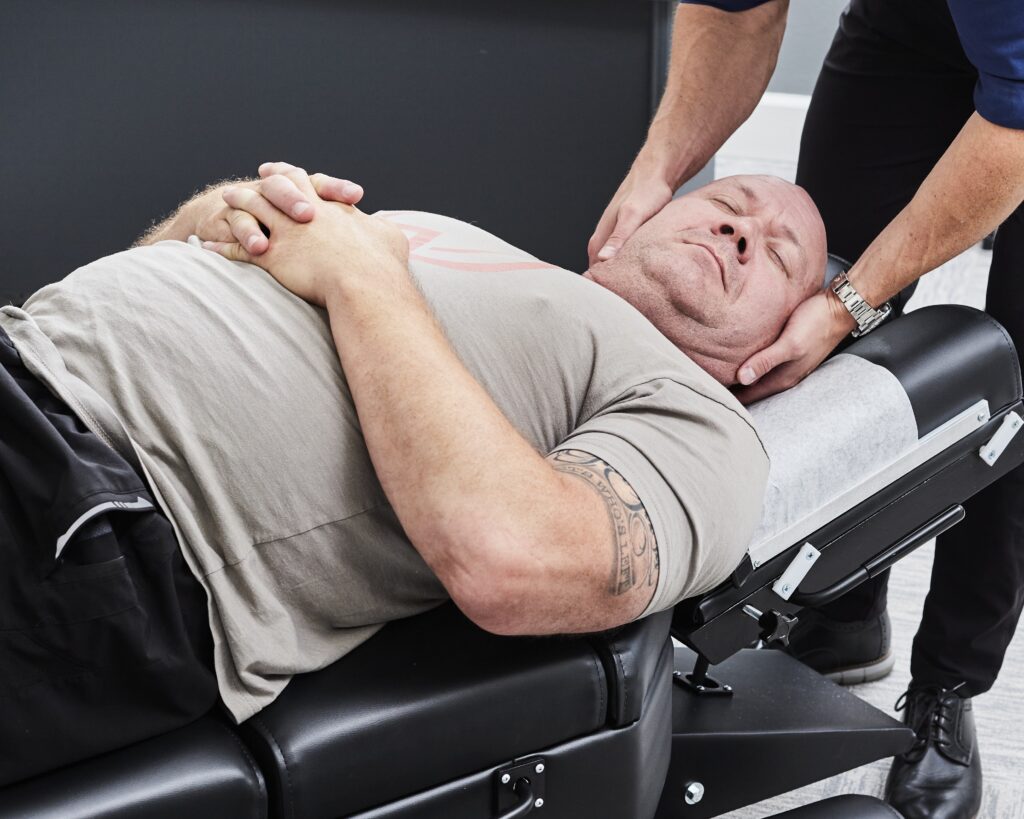

Good posture isn’t just about standing tall; it’s essential for your overall health and comfort. Many people don’t realize how their daily habits, such as slouching at a desk or looking down at their phones, can significantly impact their alignment and contribute to pain. By making simple adjustments to your workspace and incorporating specific exercises, you can greatly improve your posture and alleviate discomfort.
As a chiropractor, I can’t emphasize enough how crucial it is to understand the underlying factors affecting your posture. Chiropractic care focuses on aligning your spine and improving your overall well-being through natural healing techniques. When your spine is properly aligned, your body functions better, leading to lasting relief from pain.
Here are some effective techniques you can implement to enhance your posture and promote better health:
- Adjust Your Workspace: Ensure that your chair supports your lower back and that your computer screen is at eye level. This will prevent you from hunching over and straining your neck.
- Take Frequent Breaks: If you sit for long periods, make it a habit to stand up, stretch, and move around every 30 minutes. This helps to relieve tension and keeps your muscles engaged.
- Incorporate Stretching and Strengthening Exercises: Simple exercises like shoulder rolls, chest openers, and core strengthening can make a significant difference in your posture. Consider adding these stretches to your daily routine.
- Be Mindful of Your Posture: Try to be aware of your posture throughout the day. Whether you’re sitting, standing, or walking, keeping your head up and shoulders back can help you maintain alignment.
- Consider Chiropractic Care: Regular chiropractic adjustments can help keep your spine aligned and prevent pain from developing. A chiropractor can provide personalized care tailored to your specific needs, helping you achieve optimal health naturally.
Remember, improving your posture is not just about looking good; it’s about feeling good too. By adopting these simple habits and considering chiropractic care, you can take significant steps toward a healthier, pain-free life. Your body deserves the best care, and chiropractic is a natural, effective way to support your journey to wellness.
Key Takeaways
- Create an ergonomic workstation by adjusting your chair, desk, and monitor to support your spine’s natural alignment. This can significantly reduce strain on your body and is a great first step towards better posture and overall wellness.
- Incorporate simple stretching and core-strengthening exercises into your daily routine. These exercises not only enhance flexibility but also help correct muscle imbalances that can negatively impact your posture. Remember, a strong core supports your spine!
- Practice mindfulness and body awareness throughout your day. Take moments to check in with your posture and make adjustments as needed. This practice can help you break free from poor habits and promote a healthier spine.
- Consider using posture correction devices as gentle reminders to keep your alignment in check. These can complement your chiropractic care and help you achieve better results in your journey toward optimal health.
- Don’t forget to schedule regular breaks during your day to stand, stretch, and move around. This helps relieve muscle tension and promotes better posture, allowing you to feel more comfortable and energized.
Remember, chiropractic care is a natural and effective way to support your body’s health, enhance your posture, and manage pain. By making these small changes, you can take significant steps toward a healthier, pain-free life!
Understanding the Importance of Good Posture
Good posture is more than just a way to look confident; it’s a vital component of your health and wellness. When you practice good posture, you help align your spine, which reduces strain on your muscles and ligaments. This alignment is key in preventing discomfort and chronic pain, enabling you to move through your daily activities with greater ease.
Many people don’t realize that poor posture can contribute to fatigue and tension headaches. By simply standing or sitting up straight, you enhance blood circulation and oxygen flow, which can give your energy levels a noticeable boost.
Furthermore, maintaining good posture supports your body’s natural functions, including digestion and breathing.
As a chiropractor, I encourage you to take a moment to check your posture throughout the day. Whether you’re at work or at home, being mindful of how you carry yourself can lead to better health outcomes.
Here are a few simple tips to help you maintain good posture:
- Set Up Your Workspace: Ensure that your desk and chair are ergonomically designed. Your computer screen should be at eye level, and your feet should rest flat on the ground.
- Take Breaks: Don’t forget to stand up, stretch, and move around every hour. This will help to reset your posture and relieve tension.
- Strengthen Your Core: Engaging in exercises that strengthen your core muscles can provide support for your spine and improve your posture.
- Be Mindful: Regularly remind yourself to check your posture. Use visual cues, such as sticky notes on your monitor, to prompt you to sit or stand tall.
Remember, chiropractic care is an excellent way to achieve optimal health and alleviate pain naturally. By addressing any misalignments in your spine, we can help restore proper function and improve your overall well-being.
Paying attention to your posture is a simple yet powerful step toward feeling your best, so let’s work together to promote a healthier, pain-free life!
Ergonomic Workstation Setup
Creating an ergonomic workstation is essential for maintaining good posture and overall spinal health throughout your day. By setting up your workspace correctly, you can alleviate tension and prevent discomfort, which is crucial for your well-being. Here’s how you can create a supportive environment that encourages healthy living and aligns with the principles of chiropractic care.
Start by adjusting your chair so that your feet rest flat on the ground, keeping your knees at a 90-degree angle. This positioning helps distribute your weight evenly and supports your lower back. If your chair is too high, consider using a footrest to ensure your feet are comfortably supported.
Your desk should be at elbow height, allowing your arms to rest comfortably while typing. This setup keeps your wrists straight, reducing strain and the risk of repetitive strain injuries, which are common for those who spend long hours at a computer.
Here’s a quick reference table to help you set up your workspace for optimal health:
| Element | Ideal Position | Tips |
|---|---|---|
| Chair Height | Feet flat on the floor | Use footrests if needed to maintain comfort |
| Monitor Height | Eye level or slightly below | Keep about an arm’s length away to reduce eye strain |
| Keyboard Angle | Straight wrists | Consider using a wrist rest for added support |
Remember, maintaining good posture is not just about how you sit; it’s also about taking breaks to stretch and move throughout the day. A few simple exercises can help keep your spine healthy and reduce tension. Consider incorporating gentle stretches, like neck rolls and shoulder shrugs, into your routine.
Stretching Exercises for Flexibility
Stretching exercises play a vital role in enhancing your flexibility, improving posture, and supporting overall spinal health. As a chiropractor, I want to emphasize the importance of incorporating effective stretching techniques into your daily routine. Not only can these exercises help relieve tension, but they can also boost your mobility and contribute to a healthier lifestyle.
Regular stretching is essential for maintaining a well-functioning spine, which is crucial for your overall well-being. By promoting flexibility, you can help prevent injuries and reduce discomfort in your back and neck areas.
Let’s explore some benefits of stretching and how to ensure you’re doing it correctly to complement your chiropractic care.
Benefits of Stretching:
- Improved Flexibility: Stretching enhances your range of motion, making daily activities easier and more enjoyable.
- Enhanced Posture: Regular stretching can help correct muscle imbalances that contribute to poor posture, allowing your spine to align correctly.
- Increased Blood Flow: Stretching encourages blood circulation, which aids in the healing process and nourishes your muscles.
- Stress Relief: Taking time to stretch can reduce muscle tension and promote relaxation, helping to alleviate stress in your body and mind.
Tips for Effective Stretching:
- Warm Up First: Always start with a light warm-up to get your blood flowing. This can be as simple as taking a brisk walk or doing some gentle movements.
- Listen to Your Body: Stretch until you feel mild tension, but never push yourself to the point of pain. If you feel pain, ease off the stretch.
- Hold the Stretch: Aim to hold each stretch for 15-30 seconds. This allows your muscles to relax and lengthen effectively.
- Breathe Deeply: Deep breathing during stretches can help you relax and enhance the effectiveness of the stretch.
- Incorporate into Your Day: Try to integrate stretching into your daily routine, whether it’s in the morning, during breaks, or before bed.
Remember, chiropractic care is an excellent complement to your stretching routine. Regular adjustments can help align your spine, making your stretching more effective and reducing any discomfort you may have.
Benefits of Stretching
While many people may underestimate its importance, incorporating stretching into your daily routine can significantly boost your flexibility and overall well-being. As a chiropractor, I want to emphasize how vital stretching is for maintaining a healthy spine and preventing injuries. Stretching helps to lengthen your muscles, which can improve your range of motion and minimize the risk of strains and sprains.
When you stretch regularly, you’ll find that daily activities, like bending or reaching, become easier and more fluid. This is especially important for maintaining a healthy spine, as tight muscles can lead to discomfort and misalignments. Stretching also promotes better blood circulation, ensuring your muscles receive the oxygen and nutrients they require to perform optimally—something that’s essential for anyone looking to achieve their best health.
Moreover, stretching can help alleviate tension and stress, leaving you feeling more relaxed and focused. This is a crucial aspect of natural healing, as managing stress can have a positive impact on your overall health and wellness. Just a few minutes of stretching each day can be a simple yet effective way to invest in both your physical health and mental clarity.
Here are a few tips to incorporate stretching into your routine:
- Start Simple: Begin with basic stretches that target major muscle groups, such as hamstrings, quadriceps, and shoulders.
- Listen to Your Body: Pay attention to how your body feels during stretching. Never push yourself to the point of pain.
- Consistency is Key: Aim to stretch daily or at least several times a week to see the best results.
- Combine with Chiropractic Care: Regular chiropractic adjustments can enhance the benefits of stretching by ensuring your spine is properly aligned, which can improve your overall flexibility and reduce tension.
Effective Stretching Techniques
Enhancing your flexibility through stretching is a great way to support your overall health and well-being. As a chiropractor, I believe that incorporating effective stretching techniques into your routine can’t only improve flexibility but also promote better spinal health and alleviate discomfort.
Start your flexibility journey with dynamic stretches to warm up your muscles. Simple movements like arm circles and leg swings for a few minutes before any physical activity can prepare your body for more intensive stretching.
Once your muscles are warmed up, transition to static stretches. Hold each stretch for 15-30 seconds while focusing on major muscle groups such as your hamstrings, quadriceps, and shoulders. Don’t overlook your back, as seated forward bends can be particularly beneficial for spinal health.
During each stretch, practice deep breathing to help your body relax, allowing for a deeper and safer stretch. Consistency is essential; aim to incorporate stretching into your routine at least three times a week. This regular practice can enhance your flexibility and contribute to better posture, which is vital for spinal alignment.
Always listen to your body—if a stretch feels too intense or uncomfortable, ease off. The goal is to promote natural healing and maintain a pain-free range of motion.
Strengthening Core Muscles
Strengthening your core muscles is essential for achieving good posture and overall stability, which are crucial components of spinal health. A robust core not only supports your spine but also improves balance and minimizes the risk of injury, allowing you to enjoy a more active lifestyle.
As a chiropractor, I believe that incorporating core-strengthening exercises into your routine can significantly enhance your well-being. By focusing on these key areas, you can promote natural healing and optimal health without the need for invasive procedures or medications.
Here are some effective exercises to help you build essential core strength:
- Planks: Start in a push-up position, resting on your forearms. Keep your body straight from head to heels. Hold this position for 20-30 seconds, gradually increasing the duration as you get stronger. Planks engage not only your core but also your shoulders and back, supporting your spine effectively.
- Bird-Dog: Begin on all fours, with your hands directly under your shoulders and knees under your hips. Extend one arm forward while simultaneously extending the opposite leg back. Hold for a few seconds, then switch sides. This exercise helps improve balance and coordination, which is vital for spinal health.
- Bridges: Lie on your back with your knees bent and feet flat on the floor. Lift your hips towards the ceiling, squeezing your glutes at the top. Hold for a few seconds before lowering back down. Bridges strengthen the lower back and abdominal muscles, contributing to a stable spine.
- Dead Bugs: Lie on your back with your arms extended towards the ceiling and knees bent at 90 degrees. Lower one arm and the opposite leg towards the floor while keeping your lower back pressed into the ground. Return to the starting position and switch sides. This exercise helps enhance core stability and coordination.
Incorporating these exercises into your daily routine can help relieve pain and promote a healthier lifestyle. Remember to listen to your body and consult with your chiropractor to ensure you’re performing these exercises safely and effectively.
By focusing on strengthening your core, you’re not only supporting your spine but also taking a proactive step toward natural wellness. Chiropractic care can further enhance your journey by addressing any underlying issues and helping you achieve optimal health.
Together, we can work towards a stronger, healthier you!
Importance of Core Strength
Core strength is the foundation of good posture and overall body stability, and as a local chiropractor, I can’t stress enough how important it’s for your health and wellness.
When your core muscles are strong, they play a crucial role in supporting your spine, helping you maintain an upright position effortlessly. This stability not only enhances your posture but also reduces the risk of injury and helps alleviate pain.
Here’s why focusing on your core is essential for achieving optimal health, and how chiropractic care can support you in this journey:
- Improved Balance: A strong core helps you stay steady, which can significantly reduce the risk of falls and accidents. Regular chiropractic adjustments can enhance your body’s alignment, further supporting your balance.
- Enhanced Performance: Whether you’re exercising or just going about your daily activities, a stable core boosts your efficiency and power. Chiropractic care can help improve your overall body mechanics, allowing you to perform at your best.
- Pain Reduction: Strengthening your core muscles can alleviate back and neck pain, making daily activities much more comfortable. Chiropractic adjustments can directly address misalignments that contribute to discomfort, helping you feel your best naturally.
Tips for Building Core Strength:
- Incorporate Core Exercises: Simple exercises like planks, bridges, and pelvic tilts can help you strengthen your core. Aim to include these in your routine a few times a week.
- Practice Good Posture: Being mindful of your posture throughout the day can engage your core muscles and promote spinal health. Consider setting reminders to check in on your posture while sitting or standing.
- Stay Active: Engage in activities that promote core strength, such as yoga or Pilates. These practices not only build strength but also promote flexibility and relaxation.
- Visit Your Chiropractor: Regular chiropractic visits can help ensure your spine is aligned, which supports your core strength efforts. Your chiropractor can provide personalized exercises and adjustments tailored to your needs.
By prioritizing core strength and incorporating chiropractic care into your wellness routine, you can pave the way for a healthier, more balanced life.
Exercises for Core Stability
As your local chiropractor, I want to emphasize the importance of core strength in achieving optimal health and wellness. A strong core not only enhances your stability and posture but also supports your spine, reducing discomfort and preventing injuries. Incorporating specific exercises into your daily routine can make a significant difference.
Start with planks; they engage various muscles and teach you how to hold your body in proper alignment. If you’re looking to target your obliques and improve lateral stability, try side planks. Another excellent exercise is the bird-dog, which helps you coordinate balance and strength by extending opposite limbs—this is beneficial for overall spinal health.
Bridges are also fantastic as they strengthen your glutes and lower back, contributing to a healthy spine. Lastly, consider pelvic tilts to activate your lower abdominal muscles, which play a crucial role in spinal support.
Aim for two to three sets of each exercise, holding each position for 20 to 30 seconds. Consistently practicing these movements won’t only build a stronger core but also promote better posture and reduce discomfort.
Core Strengthening Benefits
Strengthening your core muscles offers incredible benefits that go far beyond just looking good. As a local chiropractor, I want to highlight how a strong core can significantly enhance your overall health and wellness, while also supporting your spine and improving your quality of life.
By focusing on core strength, you’re not only improving your physical appearance but also boosting your body’s functionality and resilience against injury.
Here are some key advantages of core strengthening that you can experience:
- Enhanced Athletic Performance: Whether you’re playing sports or simply enjoying outdoor activities, a strong core is crucial. It allows for better movement, balance, and coordination, which can elevate your game and help you perform at your best.
- Reduced Back Pain: Many people suffer from back pain due to weak core muscles. By strengthening your core, you provide better support to your lower back, which can alleviate discomfort during everyday tasks. This can lead to a more active and enjoyable lifestyle.
- Improved Posture: A strong core helps to align your spine properly. This means whether you’re sitting at your desk or standing in line, you can maintain better posture, reducing strain on your back and neck.
Incorporating core-strengthening exercises into your routine can lead to these fantastic benefits. Simple activities like planks, bridges, and leg raises can make a significant difference.
Also, consider pairing these exercises with regular chiropractic care. Chiropractic adjustments can help ensure that your spine is properly aligned, which complements your core strengthening efforts.
Remember, prioritizing your core strength not only enhances your physical capabilities but also contributes to your overall well-being.
Mindfulness and Body Awareness
While many people focus solely on exercises to improve their posture, it’s important to recognize that mindfulness and body awareness are key components in achieving lasting results. By tuning into your body’s signals, you can easily spot tension and misalignment throughout your day.
I encourage you to regularly check in with yourself; notice how you’re sitting or standing. Are your shoulders hunched? Is your back arched? Simply acknowledging these habits can empower you to make conscious adjustments.
Practicing mindfulness allows you to stay present and engaged in your activities while reducing stress, which can often contribute to poor posture. Consider incorporating simple breathing exercises into your daily routine to help center yourself and enhance your awareness of your body’s position.
Setting reminders to pause and assess your posture throughout the day can also be a helpful strategy.
Remember, chiropractic care is a powerful ally in your journey toward better posture and overall well-being. Regular chiropractic adjustments can help align your spine and relieve tension, providing you with the support you need to maintain proper posture.
Implementing the 20-20-20 Rule
One effective way to combat the negative effects of prolonged screen time is by implementing the 20-20-20 rule. This simple technique not only helps reduce eye strain but also encourages better posture, which is essential for maintaining spinal health. Here’s how it works: every 20 minutes, take a moment to look at something 20 feet away for at least 20 seconds.
To maximize the benefits of the 20-20-20 rule and support your overall well-being, consider these tips:
- Set a timer: Use a timer or an app to remind you to take these breaks regularly. Consistency is key to preventing discomfort and promoting spinal alignment.
- Stretch it out: While you’re taking a break, stand up and stretch your arms and back. Gentle stretches can help release tension built up from sitting for long periods, aiding in better posture and spinal health.
- Change your focus: Use this time to shift your gaze from screens to something in your environment. This not only promotes relaxation but also gives your spine a chance to realign naturally as you adjust your position.
Incorporating these practices into your daily routine can significantly enhance your comfort and overall health.
The Role of Footwear in Posture
Footwear plays a crucial role in maintaining good posture, which is vital for your overall health and well-being. Choosing the right shoes can provide the support your feet need for proper alignment, and this, in turn, helps your entire body, including your spine, function optimally.
When selecting shoes, focus on comfort and stability. Look for options that offer arch support, cushioning, and a snug fit to ensure your feet are well-supported. It’s best to avoid high heels and overly flat shoes, as these can disrupt your natural foot position and lead to long-term discomfort.
Your footwear should encourage a neutral stance, allowing your body to align properly from head to toe. When your feet feel good, it positively influences your knees, hips, and spine, significantly reducing the risk of pain and discomfort.
Remember, your feet are the foundation of your body, and taking care of them is essential for maintaining a healthy spine. Consider rotating your shoes regularly to prevent uneven wear and tear, and don’t hesitate to replace worn-out footwear.
Investing in quality shoes isn’t just a treat for your feet; it’s a step towards better posture and overall health.
As a chiropractor, I encourage you to pay attention to how your shoes affect your body. Proper footwear can complement your chiropractic care, enhancing your treatment and helping you achieve optimal health naturally.
Utilizing Posture Correction Devices
Posture correction devices can be a helpful tool in your journey towards better spinal alignment and overall wellness. However, it’s important to remember that while these devices can assist, they should complement, not replace, regular chiropractic care.
As a chiropractor, I always emphasize the importance of seeking professional guidance to ensure your spine is aligned properly, which is key to alleviating pain and promoting long-term health.
When looking into posture correction devices, consider what suits your lifestyle best—whether it’s a back brace, ergonomic chair, or posture reminder. Each device comes with its unique benefits, but using them correctly is essential for maximizing their effectiveness.
In addition to using devices, here are some simple tips to enhance your posture naturally:
- Stay Mindful: Regularly check in with your posture throughout the day. Make it a habit to sit and stand tall, keeping your shoulders back and your head aligned over your spine.
- Take Breaks: If you sit for long periods, remember to stand up, stretch, and move around every 30 minutes. This helps prevent stiffness and maintains good alignment.
- Strengthen Your Core: Engaging in exercises that strengthen your core muscles can provide better support for your spine and improve your posture overall.
- Chiropractic Adjustments: Regular visits to your chiropractor can help keep your spine aligned, relieving pain and enhancing your body’s natural healing abilities.
By incorporating these tips alongside posture correction devices and chiropractic care, you can create a holistic approach to achieving optimal health and a pain-free life.
Types of Correction Devices
As you embark on your journey to improve your posture, it’s important to remember that chiropractic care is one of the best paths to achieving optimal health and wellness.
While there are various correction devices that can aid in better alignment and comfort, the most effective approach combines these tools with professional chiropractic guidance.
Here are three types of devices you might consider, alongside the benefits of chiropractic care:
– Posture Corrector Braces: These wearable braces can gently pull your shoulders back, serving as a reminder to maintain proper alignment throughout the day.
However, working with a chiropractor can help you understand the underlying issues affecting your posture and provide tailored adjustments that enhance the effectiveness of these braces.
– Lumbar Support Cushions: Perfect for your office chair or car seat, these cushions support your lower back, promoting a more natural spine position.
Yet, to truly address any discomfort or misalignment, a visit to your chiropractor can provide personalized care that targets the root causes of your pain.
– Balance Boards: While using a balance board can strengthen your core muscles and improve balance, it’s essential to complement this practice with chiropractic adjustments.
A chiropractor can help assess your posture and balance, providing you with exercises that best suit your body’s needs.
Incorporating these devices into your daily routine can make a significant difference in how you feel and function.
Remember, combining these tools with regular chiropractic care is the best way to achieve lasting results and maintain a healthy spine.
Prioritize your health by seeking natural, non-invasive solutions that promote wellness and pain relief.
Benefits of Using Devices
Using posture correction devices can significantly improve your comfort and overall well-being by encouraging better alignment during your daily activities. These devices serve as gentle reminders to maintain proper posture, which can alleviate strain on your muscles and joints.
While they can be helpful, it’s important to remember that the best way to achieve optimal posture and overall health is through chiropractic care. Regular visits to a chiropractor can provide personalized adjustments that help align your spine and improve your posture naturally. This approach not only addresses discomfort in your back, neck, and shoulders but also promotes overall wellness.
By focusing on spinal health, you can enhance your body’s natural ability to heal and function at its best. Incorporating posture correction devices into your routine may lead to reduced pain and help you stay focused on your tasks. However, combining this with chiropractic care can provide even greater benefits.
Improved posture can also boost your confidence and energy levels, contributing to a more productive day. For those who prefer a discreet and convenient option, many posture devices are easy to wear at home or work.
Nevertheless, don’t forget to consult your chiropractor for tailored advice on maintaining good posture and overall health. Remember, developing healthier habits is key to feeling your best in every aspect of your life.
Focus on incorporating regular chiropractic visits and practicing good posture daily. Simple tips like taking breaks to stretch, being mindful of your sitting position, and using ergonomic furniture can also support your journey to better health. Prioritizing chiropractic care will set you on the path to natural wellness and pain relief.
Proper Usage Guidelines
To maximize the benefits of posture correction devices, it’s important to follow some straightforward guidelines. Using these tools correctly can help you achieve optimal results while minimizing any discomfort. Here are some practical tips to consider:
- Wear it consistently: Make it a habit to use your device regularly. Start with shorter durations and gradually increase the time you wear it to prevent any strain on your body.
- Adjust for comfort: Ensure that your device fits well and doesn’t cause any pain. A proper fit not only makes it more comfortable but also encourages you to stick with it.
- Combine with exercises: Enhance the effectiveness of your device by pairing it with posture-strengthening exercises. These exercises can help support your spine and improve your overall posture.
Remember, chiropractic care is a wonderful complement to using posture correction devices. It focuses on natural healing and can help relieve pain while promoting better spinal health.
If you have questions or need guidance on improving your posture, consider consulting with your local chiropractor for personalized advice and support. Together, we can work towards achieving your health and wellness goals!
Regular Movement and Breaks
Incorporating regular movement and breaks into your daily routine is essential for maintaining a healthy spine and overall well-being. As a chiropractor, I see firsthand how prolonged sitting can lead to muscle stiffness, poor alignment, and discomfort.
To combat these issues, it’s vital to stand up and stretch at least once every hour. Setting a timer on your phone or using reminders can help you remember to take these important breaks.
During these moments, consider doing simple stretches such as neck rolls, shoulder shrugs, and gentle back extensions. Even a brief walk around your workspace can improve blood flow and relieve tension in your muscles. These small movements contribute to a healthier spine and can prevent pain from arising.
You don’t need to spend hours exercising; short, frequent breaks can make a significant difference in how you feel. Additionally, think about incorporating standing desks or walking meetings into your routine. These practices encourage more active habits and support your spine’s natural alignment.
Seeking Professional Help: When to Consult a Specialist
When should you think about reaching out to a chiropractor for your posture issues? If you’re dealing with ongoing pain, discomfort, or find that your daily activities are limited, it’s a clear sign that you could benefit from professional help.
A chiropractor can offer personalized advice and natural treatments to help you improve your posture and overall wellness. Here are some key signs that indicate it’s time to consult a specialist:
- You’re experiencing persistent neck, back, or shoulder pain that doesn’t get better with home remedies or self-care.
- You’ve noticed a significant shift in your posture that impacts your confidence and daily life.
- You’ve tried different exercises or techniques but haven’t seen any positive changes.
Don’t overlook these important signals. A chiropractor can assess your condition and create a tailored plan to address your posture concerns effectively.
With chiropractic care, you can achieve better alignment, reduce pain, and enhance your overall well-being naturally.
Here are a few general tips you can start implementing today to support your posture:
- Mind Your Sitting Position: Make sure your chair supports your lower back, and your feet are flat on the ground.
- Take Breaks: If you’re sitting for long periods, stand up and stretch every 30 minutes to keep your muscles engaged.
- Strengthen Your Core: Incorporate exercises that focus on your core muscles. A strong core supports your spine and helps maintain good posture.
- Stay Active: Regular physical activity can improve your overall muscle tone and posture.
- Be Mindful of Your Posture: Regularly check in with yourself throughout the day to ensure you’re standing and sitting upright.
Conclusion
Improving your posture and managing pain is crucial for your overall well-being, and as a chiropractor, I’m here to guide you on your journey to optimal health. Setting up an ergonomic workstation is a great first step; it helps reduce strain on your spine and promotes better alignment. Incorporating simple stretching and core-strengthening exercises into your daily routine can also make a significant difference.
Mindfulness practices, such as deep breathing and meditation, can help you become more aware of your body and posture. Additionally, choosing the right footwear is essential—supportive shoes can help maintain proper alignment and reduce discomfort.
Don’t forget to take regular breaks to move and stretch throughout your day; this is vital for maintaining a healthy spine. If you’re experiencing persistent pain or discomfort, seeking chiropractic care is a natural and effective way to address these issues. A chiropractor can help identify the root cause of your pain and provide personalized adjustments to improve your posture and enhance your overall health.
Your body deserves the best care, and chiropractic is a powerful tool for achieving a pain-free, healthier lifestyle!