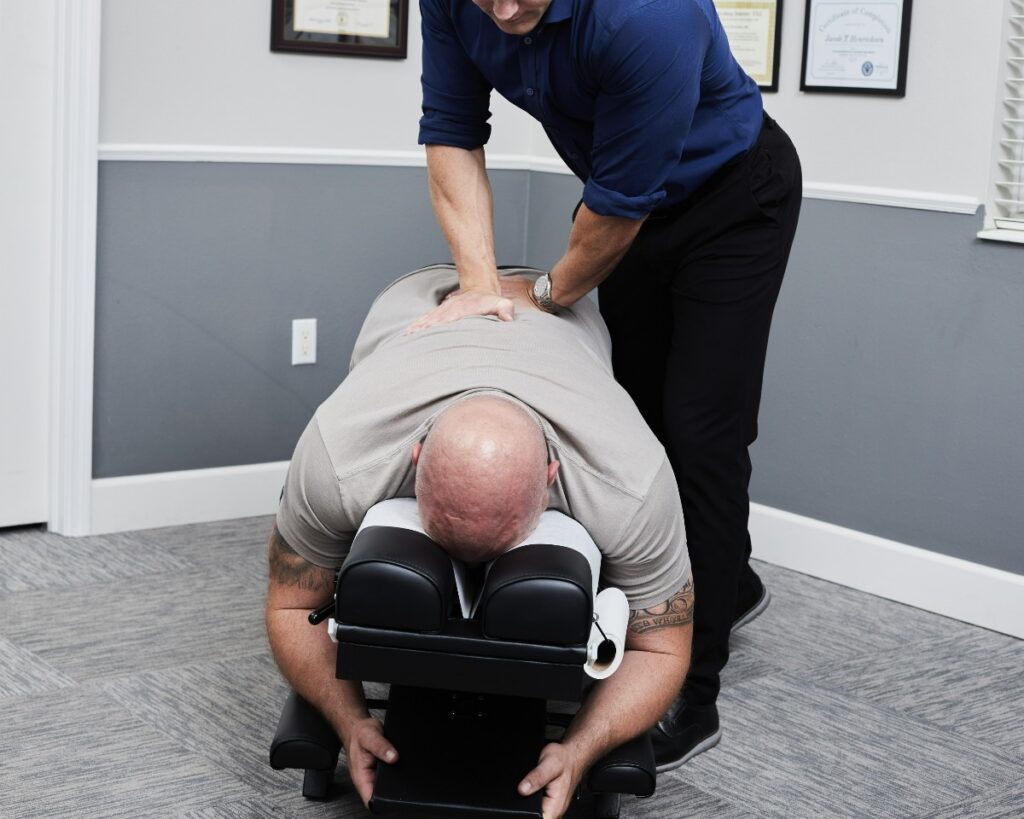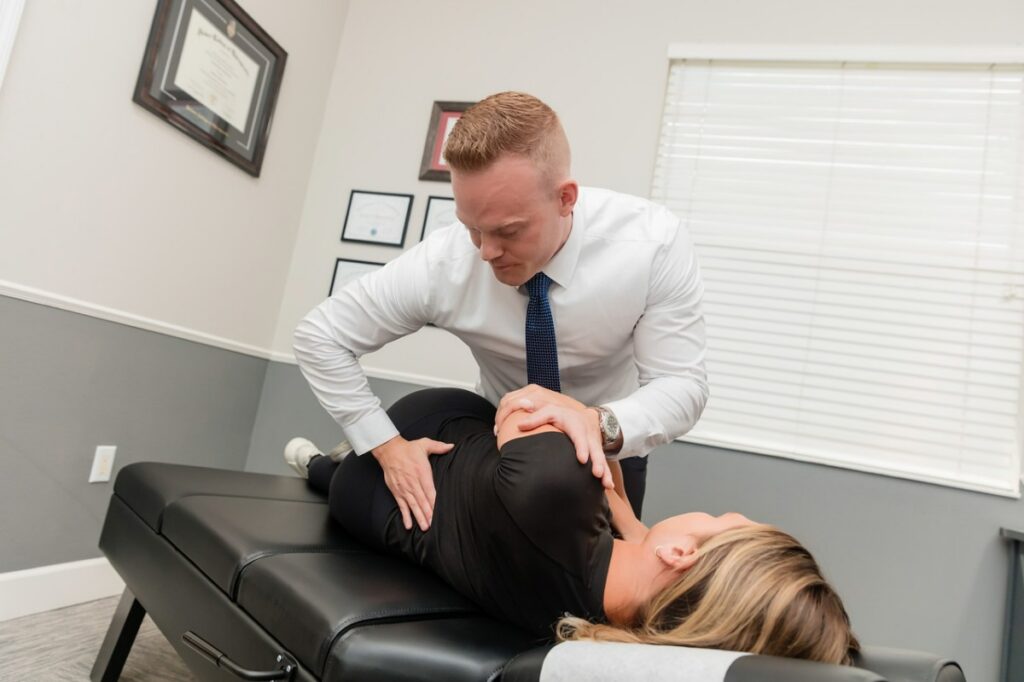

As a local chiropractor, I want to emphasize the importance of incorporating effective stretches into your daily routine to help prevent back pain. You might be surprised to learn that simple movements, such as the Cat-Cow stretch or Child’s Pose, can significantly enhance your flexibility and relieve tension in your back. It’s crucial to understand the proper techniques and the benefits they offer for maintaining long-term spinal health. Today, I’d like to share some of my favorite stretches that not only improve your posture but also promote a more aligned and balanced body. By integrating these stretches into your lifestyle, you can support your overall well-being and enhance the benefits of chiropractic care.
Cat-Cow Stretch
As a local chiropractor, I want to introduce you to a wonderful exercise called the Cat-Cow Stretch. This dynamic movement isn’t only beneficial for enhancing spinal flexibility but also plays a crucial role in alleviating tension in your back, which is something many of my patients experience.
To perform the Cat-Cow Stretch, start by getting on all fours—your wrists should be directly under your shoulders and your knees under your hips. As you inhale, arch your back gently, allowing your belly to drop while lifting your head and tailbone toward the ceiling. This position is known as the Cow position. Take a moment here to feel the stretch in your spine.
Next, as you exhale, round your back by tucking your chin to your chest and drawing your belly button towards your spine—this is the Cat position. The beauty of this exercise lies in the fluid transition between these two positions. I recommend repeating this cycle for about 5 to 10 counts, syncing your breath with your movements.
Incorporating the Cat-Cow Stretch into your daily routine can significantly improve your spinal mobility, engage your core muscles, and relieve tightness in your back.
Child’s Pose
As a local chiropractor, I often recommend Child’s Pose to my patients as an excellent way to relieve tension in the back and promote overall relaxation. Understanding how to perform this stretch correctly is key to maximizing its benefits while avoiding common pitfalls.
Child’s Pose offers a gentle stretch that can help alleviate discomfort in the spine and improve flexibility. It’s a wonderful addition to your routine, especially if you spend long hours sitting or experience stress. However, it’s important to focus on proper technique to ensure you’re getting the most out of the stretch.
When practicing Child’s Pose, pay attention to your alignment. Make sure to keep your hips sinking back towards your heels, and your forehead resting gently on the mat. This position allows for a deep stretch in the lower back while promoting relaxation.
Watch out for common mistakes, such as forcing your body into the pose or holding your breath. Instead, take your time, listen to your body, and breathe deeply. If you feel any discomfort, don’t hesitate to adjust your position or consult with a healthcare professional.
Incorporating Child’s Pose into your routine can be a great way to support your chiropractic care and enhance your overall well-being. If you’re curious about more natural healing techniques or have questions about how to integrate stretches into your routine, feel free to reach out!
Benefits of Child’s Pose
As a local chiropractor, I want to introduce you to one of the most effective stretches for relieving back tension: Child’s Pose. This restorative position isn’t just about stretching; it plays a significant role in promoting relaxation and alleviating tightness in your spine.
When you fold forward into this pose, you create space between your vertebrae, which can ease discomfort and enhance flexibility.
Moreover, Child’s Pose encourages deep, mindful breathing. This practice not only calms your mind but also helps reduce stress, a common contributor to back pain.
You’ll find that this stretch also targets your hips, thighs, and shoulders, offering a comprehensive approach to enhancing your overall mobility.
Incorporating Child’s Pose into your regular routine can be transformative for your back health and overall well-being. It helps you become more aware of your body’s alignment and the areas where you hold tension, which is essential for improving your posture.
How to Perform
As a chiropractor, I often recommend Child’s Pose as a gentle way to promote relaxation and relieve tension in your back and hips.
To begin, kneel on the floor and sit back on your heels. It’s important to spread your knees wide, allowing your torso to gently sink between them. Take a deep breath in, and as you exhale, extend your arms forward, placing them on the floor. Rest your forehead softly on the mat, which helps to ease any strain in your neck and shoulders.
If you find it more comfortable, consider placing a cushion under your forehead. This can enhance relaxation and support your body’s alignment. Aim to hold this position for 30 seconds to a minute, focusing on deep, calming breaths. With each breath, feel the stretch along your spine and hips, allowing your body to unwind and release tension.
When you’re ready to come out of the pose, do so slowly by lifting your torso and returning to a seated position. This gentle movement not only helps to improve flexibility and posture but also encourages a mindful connection with your body, which is essential for overall health and well-being.
Incorporating poses like this into your routine can complement your chiropractic care and support your journey to natural healing.
Common Mistakes to Avoid
As a local chiropractor, I want to emphasize the importance of proper technique when practicing Child’s Pose, as it can greatly enhance your overall well-being and help prevent discomfort.
One common mistake I often see is tension in the shoulders or back. It’s crucial to fully relax your body during this pose; make sure to sink your hips back and allow your forehead to rest comfortably on the mat.
Another frequent error is overextending the arms. Instead, keep them relaxed—either resting alongside your body or stretched out in front of you, depending on what feels most comfortable.
Additionally, don’t forget about your breath. Holding your breath can add unnecessary tension; focus on taking deep, even breaths to promote relaxation and ease.
Lastly, ensure that your knees are positioned comfortably apart. This positioning can help prevent strain and allow for a deeper stretch.
By avoiding these common pitfalls, you can maximize the benefits of Child’s Pose, support your spine, and reduce the risk of back pain.
Seated Forward Bend
As a local chiropractor, I want to emphasize the importance of maintaining flexibility in your spine and relieving tension in your back. One excellent way to achieve this is through the Seated Forward Bend. This stretch isn’t only beneficial for improving your spinal flexibility but also for promoting overall relaxation in your back muscles.
To reap the full benefits of this pose, it’s essential to practice it with the right technique. I encourage you to take your time and listen to your body as you perform this stretch.
By incorporating the Seated Forward Bend into your routine, you can enhance your spinal health and support your journey towards natural healing.
Let’s go over how to perform this pose effectively, so you can enjoy its many advantages and contribute to your overall well-being.
Benefits for Spine Flexibility
As a local chiropractor, I want to share with you the incredible benefits of the Seated Forward Bend stretch, especially when it comes to enhancing spine flexibility. Many people aren’t aware that incorporating this simple stretch into your routine can significantly increase the range of motion in your spine. This increased flexibility helps to alleviate stiffness, allowing your spine to move more freely and reducing the risk of injury during everyday activities.
Practicing the Seated Forward Bend not only promotes flexibility but also encourages better posture. By engaging in this stretch, you help elongate your spine and strengthen the muscles that support it. As you bend forward, you’re not just relaxing; you’re giving various muscle groups a gentle workout, which is crucial for maintaining a healthy back.
Ultimately, improving your spine’s flexibility through the Seated Forward Bend can lead to less discomfort and a more resilient back. Making this stretch a regular part of your routine can greatly contribute to your overall spinal health.
Proper Technique Tips
To truly benefit from the Seated Forward Bend stretch, it’s essential to apply the right technique, especially if you’re new to chiropractic care and natural healing.
Start by sitting comfortably on the floor with your legs extended straight in front of you. It’s important to maintain a straight spine and relaxed shoulders throughout the stretch. Take a deep inhale, allowing your torso to lengthen; this promotes good posture and spinal alignment.
As you exhale, gently hinge at your hips and reach forward toward your feet. Remember, there’s no need to push yourself too hard; go only as far as feels comfortable without rounding your back, which can strain your spine. Depending on your flexibility, you can hold onto your shins, ankles, or feet.
Focus on your breath – deep, calming breaths help your body relax into the stretch. Keep your neck in a neutral position, avoiding any tension in your shoulders.
Aim to hold this position for about 20-30 seconds, then when you’re ready, slowly rise back to a seated position, staying mindful of your alignment. This practice not only enhances flexibility but also supports your overall spinal health, which is a cornerstone of chiropractic wellness.
Standing Hamstring Stretch
As a local chiropractor, I want to share with you the benefits of incorporating the standing hamstring stretch into your routine, especially for those who may not be familiar with chiropractic care and natural healing. This simple yet effective stretch can significantly enhance your flexibility and relieve tension in your lower back, which is often a common issue for many people.
To perform the standing hamstring stretch, begin by standing tall with your feet hip-width apart. Gently bend at your hips while keeping your knees slightly bent. Reach down towards your toes, and you should start to feel a pleasant stretch in the back of your legs. It’s important to hold this position for 15 to 30 seconds while taking deep breaths, allowing your body to relax into the stretch.
If you find it challenging to reach your toes, I recommend using a sturdy surface like a chair or wall for support. This not only helps you maintain balance but also encourages you to keep your back straight and avoid rounding your shoulders, which can lead to further discomfort.
This stretch targets not only your hamstrings but also plays a crucial role in releasing tension in your lower back. To truly experience the benefits of this stretch, aim to perform it at least a few times a week. Consistency is key, as it will help improve your overall flexibility and reduce the risk of experiencing back pain.
Making this stretch a regular part of your routine can complement the chiropractic care you receive and support your journey toward better health and natural healing. Remember, taking care of your body is essential, and small changes like this can lead to significant improvements in your well-being.
Piriformis Stretch
As a chiropractor, I often see patients who experience lower back discomfort, and one common culprit is a tight piriformis muscle. This small yet significant muscle is situated deep within your buttocks, and if it becomes tight, it can contribute to pain and discomfort.
Today, I’d like to guide you through an effective piriformis stretch that can help alleviate this tension and enhance your overall hip flexibility.
Here’s how to perform the piriformis stretch:
- Begin by sitting on the floor with your legs extended straight in front of you.
- Bend your right knee, placing your right foot on the outside of your left thigh.
- Gently twist your torso to the right, using your left elbow to gently push against your right knee. This will help you achieve a deeper stretch.
- Hold this position for 20-30 seconds before carefully switching to the other side.
Incorporating this stretch into your daily routine can greatly assist in relieving tightness in the piriformis and reduce the risk of lower back pain.
Thoracic Spine Rotation
As your chiropractor, I want to share with you the benefits of thoracic spine rotations, especially if you’re experiencing tightness or discomfort in your upper back.
These gentle movements can significantly improve your mobility and help relieve tension in this area.
To start, find a comfortable seated or standing position, maintaining a tall posture with your feet shoulder-width apart.
Place your hands behind your head, allowing your elbows to open wide to the sides.
Take a deep breath in, and as you exhale, slowly rotate your upper body to the right, ensuring that your hips remain facing forward.
Hold this position for a few breaths, and really pay attention to the stretch you feel in your back.
Next, inhale as you return to the center, and then repeat the rotation to the left.
Aim to perform 5-8 rotations on each side, moving smoothly and with control throughout.
With each rotation, you should notice a loosening sensation in the muscles of your upper back.
Incorporating these thoracic spine rotations into your daily routine can greatly enhance your posture and reduce the likelihood of experiencing back pain.
This not only makes your day-to-day activities more comfortable but also contributes to your overall well-being.
Standing Backbend
As a chiropractor, I often see the effects of prolonged sitting on my patients’ bodies, particularly in their spines. One effective way to counteract these effects and improve spinal flexibility is through a standing backbend. This stretch not only opens up your chest but also engages your core and promotes better posture.
Here’s how to perform it safely and effectively:
- Stand tall with your feet hip-width apart and arms relaxed at your sides.
- Inhale deeply as you raise your arms overhead, keeping your palms facing each other.
- Exhale and gently arch your back, leaning slightly backward while ensuring your hips remain aligned.
- Hold this position for a few breaths, allowing yourself to feel the stretch through your chest and spine, then return to a standing position.
Integrating this standing backbend into your daily routine can significantly relieve tension in your back, enhance your overall mood, and promote better movement throughout your day.
Just dedicating a few minutes to this stretch can yield noticeable improvements in how your back feels and functions.
Kneeling Hip Flexor Stretch
As your chiropractor, I want to share an important insight about how prolonged sitting can affect your body. Many people may not realize that sitting for long periods can lead to tightness in your hip flexors, which can contribute to discomfort and pain in your lower back and hips.
One effective way to alleviate this tension is through the kneeling hip flexor stretch.
To perform this stretch, start by kneeling on one knee, with the other foot positioned flat on the ground in front of you, forming a 90-degree angle at your knee. It’s important to keep your back straight and engage your core muscles throughout the stretch. As you gently push your hips forward, try to maintain an upright chest. You should feel a gentle stretch in the front of the hip on the kneeling leg.
Hold this position for 20-30 seconds, and then switch to the other side. I recommend repeating this stretch a couple of times on each side.
Incorporating the kneeling hip flexor stretch into your daily routine can significantly enhance your flexibility and improve your posture. This is crucial for reducing the risk of back pain that often stems from tight hip flexors.
By understanding the importance of these stretches, you’re taking proactive steps towards maintaining a healthy spine and overall well-being. Remember, natural healing through movement and stretching is a vital component of chiropractic care.
Let’s keep those hips and spine happy together!
Side Stretch
As a chiropractor, I often emphasize the importance of maintaining flexibility and relieving tension in the body. One of the most effective ways to achieve this is through a side stretch. This simple exercise can significantly enhance your well-being by promoting alignment and reducing stiffness.
Allow me to guide you through the process:
- Stand tall: Position your feet hip-width apart and engage your core muscles to create a stable foundation.
- Reach your arm: Lift one arm straight up overhead, then gently lean to the opposite side. You should feel a soothing stretch along your side that helps to release tension.
- Hold the position: Maintain this stretch for 15-30 seconds, ensuring you breathe deeply to facilitate relaxation in your muscles.
- Switch sides: Return to your starting position and repeat the stretch on the other side.
By incorporating the side stretch into your daily routine, you can improve your range of motion and help prevent discomfort in your back and sides.
Always listen to your body and avoid pushing beyond your comfort zone. Embrace the relief and increased flexibility that this effective stretch can offer.
Conclusion
As a local chiropractor, I want to emphasize the importance of incorporating specific stretches into your daily routine to help prevent back pain and enhance your overall flexibility. By engaging in exercises such as the Cat-Cow and Child’s Pose, you can significantly improve your spinal mobility and develop a greater awareness of your body’s movements. Just a few minutes of stretching each day can yield long-term benefits for your posture and spinal health. I encourage you to start implementing these stretches into your life today—your back will thank you, and you’ll be on your way to a more comfortable, pain-free, and flexible existence!