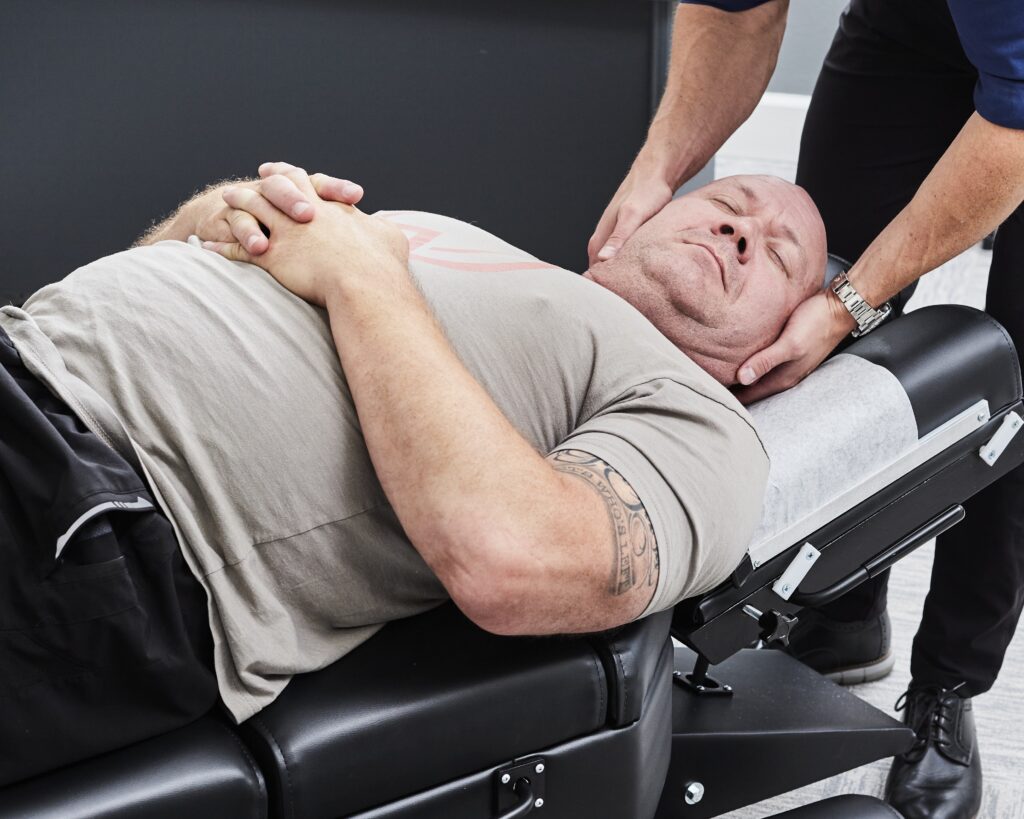

Chronic back pain is a common issue that many of my patients face, and it’s important to understand the underlying causes to effectively manage it. As a chiropractor, I often see how poor posture during extended periods of sitting, especially at a desk, and a sedentary lifestyle can significantly contribute to discomfort. However, these are just a few pieces of the puzzle.
It’s also crucial to consider other factors such as muscle strains from improper lifting techniques, degenerative conditions like arthritis, and even the impact of mental health on physical pain. These insights can really transform how you approach your daily activities and self-care. By understanding these elements, we can work together to develop a personalized plan that may include chiropractic adjustments, exercises, and lifestyle modifications to help alleviate your pain and enhance your overall well-being.
Poor Posture and Ergonomics
As a local chiropractor, I want to share with you how important posture and ergonomics are for your overall health. Many people don’t realize that slouching at your desk or hunching over your phone can quickly lead to chronic back pain. Every time you lean forward or twist your body awkwardly, you’re straining your muscles and joints. This strain can misalign your spine, causing pressure and discomfort that can build up over time.
Improper ergonomics at your workspace can make matters worse. If your chair lacks proper support for your lower back or if your computer screen is positioned too low, you might find yourself adopting unhealthy sitting positions. To help prevent this, I recommend adjusting your chair height and ensuring your screen is at eye level.
It’s also essential to take regular breaks to stretch and reset your posture. Being mindful of how you sit and stand can significantly reduce your risk of developing chronic back pain. By prioritizing good posture, you not only foster a healthier back but also enhance your overall comfort in daily activities.
As your chiropractor, I’m here to support you on your journey to better spinal health and natural healing. Together, we can work towards improving your posture and alleviating any discomfort you may be experiencing.
Sedentary Lifestyle
As a local chiropractor, I want to shed light on a common yet often overlooked issue that many of my patients face: the impact of a sedentary lifestyle on your back health.
When you spend hours sitting each day, it can significantly affect your posture and overall spinal alignment. Poor posture during extended periods of inactivity can lead to discomfort and pain that may not seem urgent at first but can escalate into chronic back problems if left unaddressed.
It’s essential to recognize these consequences and understand that they aren’t just a normal part of aging or a busy lifestyle. By being aware of how your daily habits affect your body, you can take proactive steps to prevent long-term issues.
Chiropractic care focuses on natural healing and restoring proper function to your spine and nervous system. Together, we can work on strategies to improve your posture, incorporate movement into your day, and ultimately enhance your overall well-being.
Impact of Sitting Hours
As a local chiropractor, I want to take a moment to discuss a common issue many of us face in our daily lives: the impact of sitting for long hours. In today’s fast-paced world, prolonged sitting has become almost unavoidable, especially for those of us who work at desks.
However, it’s important to understand the significant effects this can have on your back health. When you sit for extended periods, your spine is subjected to increased pressure, which can lead to discomfort and even chronic pain over time. Not only does this pressure affect your spine, but it can also weaken your muscles, making it more difficult for your body to maintain proper support.
Additionally, sitting for long stretches can cause your hip flexors to tighten, which can have a negative impact on your posture and overall mobility. At first, you may not notice any changes, but those long hours at your desk can slowly accumulate stress in your back, leading to discomfort.
This is where I encourage you to take proactive steps to protect your spine. It’s essential to incorporate regular breaks into your routine. Stand up, stretch, or take a short walk to relieve tension and restore some movement to your body.
Poor Posture Consequences
As a local Chiropractor, I want to help you understand the impact of poor posture on your back health, especially if you spend long hours sitting.
Extended periods of sitting can lead to slouching or leaning forward, which places unnecessary strain on your spine and surrounding muscles. This misalignment not only increases the risk of chronic pain but can also create discomfort and stiffness as pressure builds on your discs and ligaments.
Over time, these poor posture habits can weaken your core muscles, making it increasingly difficult to maintain a healthy posture, whether you’re standing or walking.
You may also notice tension in your neck and shoulders, which can lead to headaches and exacerbate discomfort.
To help combat these issues, I recommend taking regular breaks from sitting, incorporating stretches into your routine, and being mindful of your posture throughout the day.
Small adjustments can make a significant difference in your back health and overall well-being.
Muscle Strains and Ligament Sprains
As a local chiropractor, I often see patients who are unfamiliar with the importance of proper warm-up and technique during physical activities. Engaging in exercise without these precautions can lead to muscle strains and ligament sprains, which are common causes of chronic back pain.
These injuries occur when muscles or ligaments overstretch or tear, often as a result of sudden movements or improper lifting of heavy objects. You might notice immediate symptoms such as pain, stiffness, or swelling in your back, making everyday tasks feel quite challenging.
To help prevent these injuries, I always emphasize the importance of warming up properly and maintaining good form during your workouts. Additionally, strengthening your core muscles can provide essential support for your spine, minimizing the risk of injury.
If you do find yourself experiencing a strain or sprain, it’s crucial to rest and apply ice to reduce inflammation. Ignoring these injuries can lead to ongoing discomfort and restricted mobility.
If the pain persists, I encourage you to consult with a healthcare professional like myself. I can provide guidance on effective recovery strategies and recommend exercises to strengthen your back.
Herniated Discs
Herniated discs can be a common issue that many people overlook, but understanding them is crucial for maintaining your spinal health. As a chiropractor, I want to shed light on how these conditions can arise and what you can do to manage or prevent them naturally.
A herniated disc can happen suddenly or develop gradually, often due to aging or lifting things incorrectly. When the soft inner material of your spinal disc pushes through a crack in the tougher outer layer, it can press on nearby nerves. This pressure can lead to pain, numbness, or weakness, particularly in your back and legs. Many individuals experience discomfort that radiates down the sciatic nerve, a condition we call sciatica.
If you suspect you have a herniated disc, you might find that certain movements—like bending or twisting—intensify your pain. It’s important to listen to your body and seek professional advice when these symptoms occur.
At my practice, we explore various treatment options that can include chiropractic adjustments, physical therapy, and natural pain relief methods. In some cases, surgery might be considered, but we typically aim for conservative care first.
Preventing future issues is equally important. Maintaining proper posture and strengthening your core are key strategies in keeping your spine healthy. I encourage you to be mindful of your body mechanics during everyday activities.
Arthritis and Degenerative Conditions
As a local chiropractor, I want to help you understand how arthritis and degenerative conditions can significantly contribute to back pain. Many people often think that back pain is solely due to injuries, but it’s essential to recognize that conditions like osteoarthritis and rheumatoid arthritis can lead to inflammation and discomfort in your joints, including those in your spine.
When the cartilage in your joints begins to wear down, it can cause stiffness and limit your range of motion, making everyday activities more difficult. This is where chiropractic care can be beneficial. We focus on natural healing methods that aim to alleviate pain and improve mobility without relying solely on medications.
Another common issue is degenerative disc disease. This occurs when the discs between your vertebrae lose hydration and elasticity as you age. When these discs degenerate, they may not cushion your spine effectively, leading to pain and sometimes nerve compression, which can result in radiating pain or numbness.
At our practice, we emphasize a holistic approach to managing these conditions. This may include lifestyle modifications, targeted physical therapy, and chiropractic adjustments that can help restore function and alleviate discomfort.
Osteoporosis
As a local chiropractor, I want to take a moment to talk to you about osteoporosis and its impact on your bone health, particularly concerning your spine. This condition can quietly weaken your bones over time, making them more vulnerable to fractures and discomfort, especially in the vertebrae.
Many individuals may not even realize they’ve osteoporosis until they begin to experience back pain or suffer a fracture from what seems to be a minor fall.
There are several risk factors to be aware of, including aging, hormonal changes, and insufficient intake of calcium and vitamin D. If you’re postmenopausal or have a family history of osteoporosis, it’s crucial to understand that your risk may be higher.
However, there are proactive steps you can take to support your bone health. Incorporating weight-bearing exercises and a balanced diet can significantly strengthen your bones.
As your chiropractor, I recommend regular check-ups and bone density tests to catch osteoporosis early on. This allows us to work together on effective treatment options that align with natural healing principles.
By focusing on maintaining a healthy lifestyle and addressing any issues early, we can help protect your spine and reduce the risk of chronic back pain associated with osteoporosis.
If you notice any signs or symptoms, don’t hesitate to reach out to me. Together, we can explore how chiropractic care can support your journey to better bone health.
Stress and Mental Health Factors
As a chiropractor, I want to help you understand the important connection between stress, mental health, and back pain. Many people don’t realize that stress can have a profound impact on your body, particularly in areas like your back and shoulders.
When you’re under stress, your muscles naturally tense up, which can lead to discomfort and even chronic pain over time. Additionally, mental health issues such as anxiety and depression can heighten your sensitivity to pain, making it feel more severe.
If you’re feeling overwhelmed, I encourage you to explore relaxation techniques that can support both your mental and physical health. Practices such as meditation, deep breathing exercises, or yoga can be incredibly effective in lowering stress levels and enhancing your overall sense of well-being.
It’s also important to consider professional support when dealing with mental health challenges. A therapist can equip you with useful tools and coping strategies to manage your mental well-being and alleviate physical pain.
Conclusion
As a local chiropractor, it’s essential to help you understand the leading causes of chronic back pain so you can take charge of your health. Many times, poor posture, a sedentary lifestyle, and stress can contribute significantly to your discomfort. I encourage you to pay attention to your body mechanics and make an effort to stay active. Regular movement is vital for maintaining a healthy spine.
Proper ergonomics in your workspace is crucial, too. The way you sit, stand, and even sleep can have a profound effect on your back health. If you’re experiencing persistent pain, don’t hesitate to reach out to a healthcare professional like myself. I can provide you with personalized advice and treatment options tailored to your specific needs.
With the right strategies—incorporating chiropractic care, exercises, and lifestyle adjustments—you can effectively alleviate your back pain and enhance your overall well-being. Remember, taking proactive steps is key to living a pain-free life.