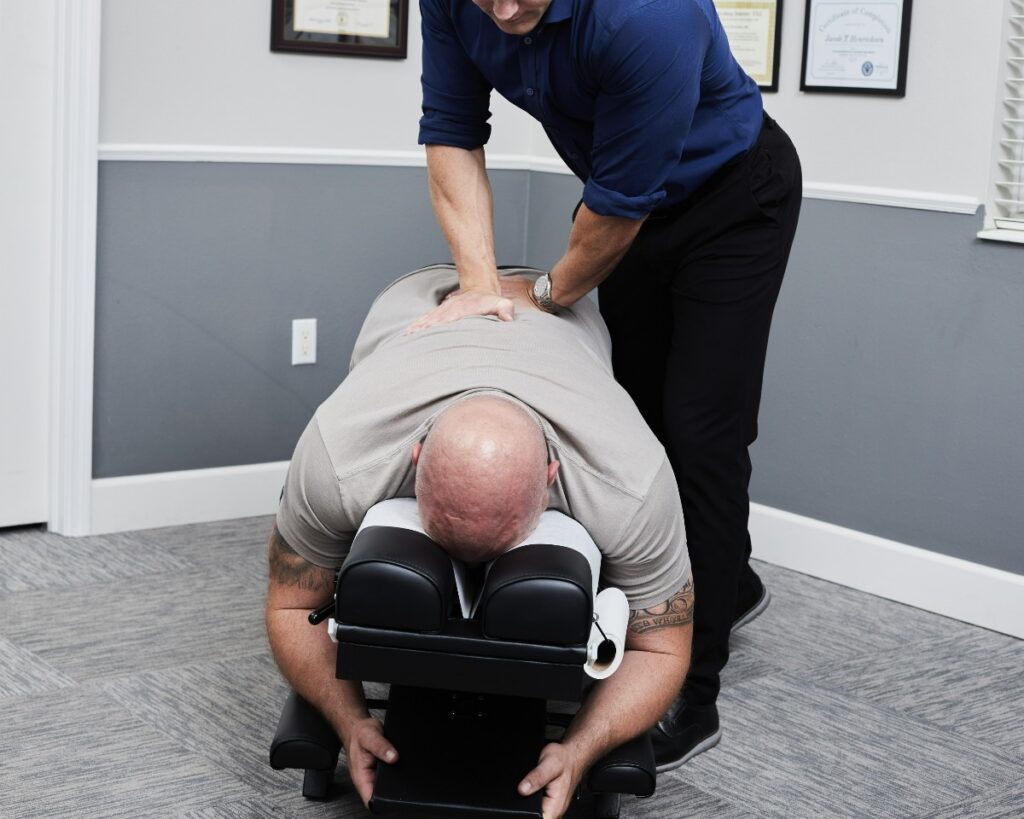

If you're tired of the relentless pressure and discomfort from tension headaches, it might be time to contemplate chiropractic care. These headaches often stem from factors like stress and poor posture, and simply masking the pain won't provide lasting relief. A chiropractor can help you address the underlying issues by realigning your spine and easing muscle tension. But how does this process work, and what specific techniques do they use to guarantee you don't just feel better temporarily? Let's uncover the details that could change your approach to headache management.
Understanding Tension Headaches
Tension headaches are often your body's response to stress, muscle tension, or fatigue. You might feel a dull, aching pain that wraps around your head like a tight band. This discomfort can make it hard to concentrate and affect your daily activities.
Unlike migraines, tension headaches usually don't come with nausea or sensitivity to light and sound. Instead, they manifest as a consistent pressure, often starting gradually and lasting for hours or even days.
It's important to recognize the signs. You may notice that certain situations, like long hours at your desk or emotional stress, trigger these headaches. The pain often intensifies with increased muscle tension in your neck, shoulders, or scalp. When you're aware of these patterns, you can take steps to manage the discomfort before it escalates.
Your posture plays a vital role, too. Slouching or hunching over can lead to muscle strain, which contributes to the tension you experience. Incorporating regular breaks and practicing good ergonomics can greatly reduce the frequency and severity of your headaches.
Understanding your tension headaches allows you to explore effective treatments. While over-the-counter pain relievers might provide temporary relief, they don't address the underlying issues.
This is where chiropractic care can be beneficial. By realigning your spine and reducing muscle tension, a chiropractor can help alleviate your headaches and improve your overall well-being. Taking proactive steps today can lead to a more comfortable tomorrow.
Common Causes of Tension Headaches
Several factors can trigger tension headaches, often stemming from lifestyle habits and daily routines. One common cause is stress, whether from work, relationships, or personal issues. When you're under pressure, your muscles tend to tighten, leading to discomfort that can escalate into a headache.
Poor posture is another significant contributor. If you spend long hours hunched over a desk or looking down at your phone, you might strain your neck and shoulder muscles. This tension can easily result in a headache. Additionally, if you don't take regular breaks from screens, eye strain can exacerbate the issue.
Dehydration can also play a role. When you don't drink enough water throughout the day, your body can react with headaches. Make sure you're staying hydrated, especially during physical activity or hot weather.
Sleep disturbances are another culprit. Whether it's not getting enough sleep or having poor sleep quality, these factors can leave you feeling fatigued and more susceptible to tension headaches.
Lastly, skipping meals can trigger headaches as well. When your blood sugar levels drop, your body responds with discomfort. To avoid this, eat regular, balanced meals.
Recognizing these common causes can help you take proactive steps toward prevention. By addressing lifestyle habits and making small adjustments, you can reduce the frequency and severity of tension headaches, ultimately improving your overall well-being.
Symptoms to Watch For
When you experience tension headaches, it's essential to recognize the common indicators.
Look out for symptoms like tightness or pressure around your forehead, neck, or shoulders.
Understanding these physical signs can help you seek appropriate care and find relief faster.
Common Tension Headache Indicators
Recognizing the signs of a tension headache can help you address the discomfort before it escalates. One of the most common indicators is a persistent dull ache or pressure around your forehead, temples, or the back of your head. You might notice that this sensation can feel like a tight band squeezing your skull.
Another key indicator is sensitivity to stress or emotional strain. If you find yourself feeling more irritable or anxious than usual, it could signal that a tension headache is looming. Pay attention to your body; you might also experience muscle tightness in your neck, shoulders, or jaw, often linked to tension headaches.
Fatigue can be another telltale sign. If you're feeling unusually tired or lacking energy, it's worth considering whether stress or tension is contributing to your discomfort.
Finally, if you struggle to concentrate or feel a sense of mental fog, that could indicate a tension headache brewing. By recognizing these common indicators early on, you can take proactive steps, including seeking chiropractic care, to alleviate discomfort and improve your overall well-being.
Physical Symptoms to Recognize
Tension headaches often come with a range of physical symptoms that you should be aware of to manage your discomfort effectively. You might experience a dull, aching pain that feels like a tight band around your head. This sensation can make it hard to concentrate or enjoy your daily activities.
In addition to head pain, you could notice tenderness in your scalp, neck, and shoulder muscles. This tightness often accompanies the headache and may contribute to its intensity. Some people also report fatigue, irritability, or difficulty sleeping, which can heighten the overall impact of the headache on your quality of life.
Another symptom to watch for is sensitivity to light or noise, which can make your usual environment feel overwhelming. You may find that these triggers worsen your headache, so it's crucial to pay attention to your surroundings.
Recognizing these symptoms early can help you take proactive steps toward relief. If you notice a pattern or severity in your headaches, consulting a chiropractor might be the next best step. They can help identify the underlying issues and develop a tailored treatment plan to alleviate your discomfort.
Benefits of Chiropractic Care
Chiropractic care offers a range of benefits that can greatly improve your quality of life, especially if you suffer from tension headaches. One of the most significant advantages is the potential for pain relief. By addressing spinal misalignments and muscle tension, chiropractic adjustments can help reduce the frequency and intensity of your headaches.
Additionally, chiropractic care can enhance your overall well-being. When your spine is properly aligned, your nervous system functions more efficiently, which can lead to improved energy levels and better mood. You might find that you're not just alleviating headaches, but also experiencing a boost in your daily energy.
Another benefit is the emphasis on holistic health. Chiropractors often provide lifestyle guidance, including nutritional advice and exercise recommendations tailored to your needs. This thorough approach helps you tackle tension headaches from multiple angles, promoting long-term relief rather than just temporary fixes.
Chiropractic care also fosters better posture and ergonomics, which can play a significant role in headache prevention. By learning how to sit, stand, and move correctly, you can minimize the physical stress that contributes to tension headaches.
Lastly, regular chiropractic visits can be a proactive approach to maintaining your health. Routine adjustments can help keep your spine in alignment, preventing future headaches and supporting your overall wellness. By integrating chiropractic care into your health routine, you're investing in a more comfortable, headache-free life.
How Chiropractic Adjustments Help
Chiropractic adjustments can effectively alleviate muscle tension and restore spinal alignment, helping you feel better overall.
When your spine is properly aligned, it reduces stress on your muscles and nerves, which can greatly lessen headache frequency and intensity.
You'll likely notice an improvement in your comfort and daily function as a result.
Alleviating Muscle Tension
Muscle tension can often feel like a heavy weight on your shoulders, contributing to persistent discomfort and headaches. Chiropractic adjustments can help alleviate this tension by targeting the root causes.
When you visit a chiropractor, they'll assess your posture, muscle tightness, and overall spinal health. Using precise techniques, they gently manipulate your spine and surrounding muscles, releasing the tension that builds up over time.
These adjustments increase blood flow to the affected areas, which promotes healing and relaxation. You'll likely notice an immediate reduction in tightness, allowing you to move more freely and comfortably.
Additionally, regular chiropractic care can help prevent the recurrence of muscle tension, so you won't have to deal with those debilitating headaches as often.
Chiropractors also offer guidance on exercises and stretches tailored to your specific needs. Incorporating these into your routine can further enhance your muscle relaxation and improve overall well-being.
By addressing muscle tension through chiropractic adjustments, you're not just treating your headaches; you're investing in a healthier, more active lifestyle.
Don't let muscle tension hold you back—experience the relief chiropractic care can provide.
Restoring Spinal Alignment
When muscle tension impacts your daily life, it often stems from misalignments in your spine. These misalignments can create pressure on nerves and lead to pain, including tension headaches. Chiropractic adjustments are designed to restore your spine's natural alignment, relieving that pressure and allowing your body to heal.
During an adjustment, your chiropractor applies controlled force to specific joints in your spine. This helps to realign vertebrae that may have shifted out of place. As your spine regains its proper structure, you may notice a reduction in muscle tension and headache frequency.
Improved alignment also enhances your overall posture, which can further reduce strain on your muscles.
Additionally, chiropractic care encourages better circulation and nerve function. When your spine is aligned, blood flow to your head increases, providing essential nutrients and oxygen to your brain. This can help ease existing headaches and prevent future occurrences.
Techniques Used by Chiropractors
A variety of techniques are employed by chiropractors to alleviate tension headaches and improve overall spinal health. You'll find that these methods focus not only on relieving pain but also on promoting long-term wellness.
When you visit a chiropractor, they may use a combination of the following techniques tailored to your specific needs:
- Spinal Manipulation: Gentle, targeted adjustments realign your spine and reduce muscle tension.
- Soft Tissue Therapy: By applying pressure to tight muscles, this technique helps release knots and improve blood flow.
- Stretching Exercises: Your chiropractor might guide you through stretches that enhance flexibility and relieve tension in your neck and shoulders.
- Posture Training: Learning proper posture can considerably reduce the frequency of tension headaches, as it helps prevent strain on your spine.
- Therapeutic Ultrasound: This method utilizes sound waves to penetrate deep tissue, promoting healing and reducing inflammation.
Each of these techniques is designed to address the underlying causes of your headaches while also improving overall spinal health.
By working with a chiropractor, you can create a personalized treatment plan that fits your lifestyle and helps you find lasting relief. You'll likely notice considerable improvements in your tension headaches and overall well-being as you commit to your chiropractic care.
Don't let headaches control your life; take charge and explore the techniques that can help you feel better.
Incorporating Lifestyle Changes
Incorporating lifestyle changes can greatly enhance the effectiveness of chiropractic care for tension headaches. Often, the root causes of your headaches lie in daily habits and routines. By making some adjustments, you can alleviate discomfort and improve your overall well-being.
Start by evaluating your posture. If you spend hours hunched over a computer or phone, it's time to make some changes. Sit up straight and use ergonomic furniture to support your spine. Take regular breaks to stretch and walk around. This simple adjustment can relieve tension that contributes to headaches.
Next, focus on hydration. Many people underestimate the importance of drinking enough water. Dehydration can lead to headaches, so aim for at least eight glasses a day. If you're active or live in a hot climate, increase your intake accordingly.
In addition to hydration, consider your diet. Eating balanced meals rich in nutrients can support your body's overall function. Try to include plenty of fruits, vegetables, and whole grains while limiting processed foods and sugars. Certain foods, like caffeine and alcohol, might trigger headaches for you, so pay attention to how your body reacts.
Finally, prioritize stress management. Techniques like yoga, meditation, or even deep breathing exercises can help reduce tension and promote relaxation.
Finding a Qualified Chiropractor
Finding a qualified chiropractor is fundamental for effectively managing tension headaches. When you're in search of the right professional, it's important to take into account certain factors to guarantee you receive the best care. Start by looking for someone who's experience specifically with headache management. A knowledgeable chiropractor can make a significant difference in your recovery journey.
Here are some key points to keep in mind as you search:
- Credentials and Qualifications: Check their education and certifications to confirm they're well-trained.
- Experience: Look for a chiropractor who specializes in treating tension headaches, as they'll understand your condition better.
- Patient Reviews: Read online testimonials to gauge patient satisfaction and effectiveness of treatment.
- Techniques Used: Inquire about the methods they employ, such as spinal manipulation or soft tissue therapy, to see if they align with your preferences.
- Initial Consultation: Schedule a consultation to discuss your symptoms and assess their approach to treatment.
These elements can help you narrow down your options and find a chiropractor you feel comfortable with.
Remember, finding the right practitioner is a significant step in managing your tension headaches and enhancing your overall well-being.
Don't hesitate to ask questions—your health is worth it! By taking the time to research and choose wisely, you'll be on the path to relief and improved quality of life.
Conclusion
If you're tired of battling tension headaches, chiropractic care might be the solution you need. By addressing the root causes like muscle tension and poor posture, a chiropractor can help you find relief and prevent future headaches. With personalized adjustments and lifestyle advice, you'll be taking a proactive step toward better health. Don't let tension headaches control your life—consider reaching out to a qualified chiropractor today and start your journey to lasting relief.