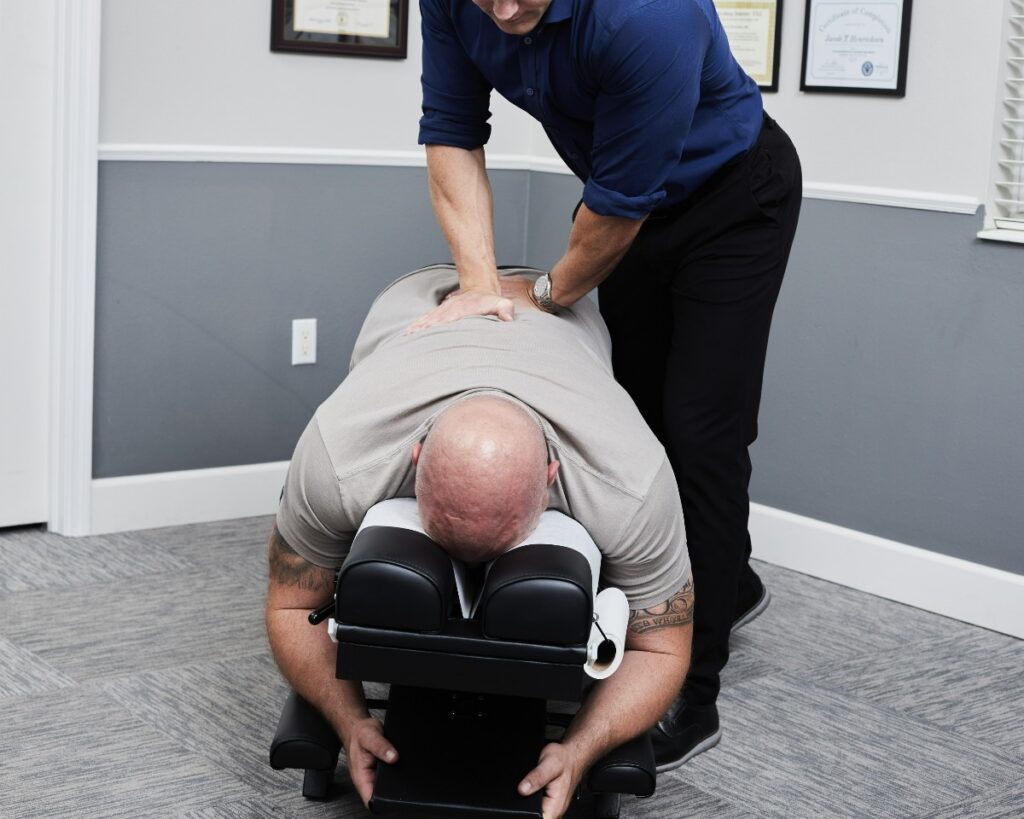

If you’re experiencing chronic pain, it’s important to know that you don’t have to navigate this journey alone. As a chiropractor, I can tell you that chiropractic care is one of the most effective ways to address pain and enhance your overall well-being. Chiropractors focus on spinal health and the body’s natural ability to heal itself, providing a holistic approach to pain relief.
Many people find that regular chiropractic adjustments help relieve tension and restore mobility, allowing them to enjoy a better quality of life. Moreover, chiropractic care promotes healthier living by focusing on posture, exercise, and nutrition—key components in maintaining spinal health and preventing future pain.
To maximize the benefits of chiropractic care, consider these tips:
- Stay Active: Engage in regular, gentle exercises to strengthen your muscles and support your spine. Activities like walking, swimming, or yoga can be beneficial.
- Practice Good Posture: Be mindful of your posture throughout the day, whether sitting at a desk or lifting objects. Proper posture reduces strain on your spine.
- Stay Hydrated: Drinking plenty of water is essential for maintaining the health of your spinal discs and overall bodily functions.
- Listen to Your Body: Pay attention to pain signals and don’t push through discomfort. Consult with your chiropractor to address any recurring issues.
By working with a chiropractor and incorporating these lifestyle changes, you can take significant steps toward relief and a healthier, pain-free life. What will your first step be toward better health?
Key Takeaways
- Chiropractors are dedicated to providing holistic pain management by focusing on spinal adjustments and lifestyle advice. We address the root causes of chronic pain naturally, without the need for medications. By aligning your spine and enhancing your nervous system function, chiropractic care promotes overall wellness and helps your body heal itself.
- We also emphasize the importance of physical therapy as part of your healing journey. Personalized rehabilitation plans can improve your mobility and reduce pain through tailored exercises and therapeutic techniques that complement chiropractic adjustments.
- Nutrition plays a vital role in pain management, and working with a nutritionist can help you create an anti-inflammatory diet. By addressing nutrient deficiencies, you can alleviate discomfort and support your body’s healing processes.
- It’s important to consider the emotional aspect of chronic pain, which is where psychologists or counselors come in. They provide essential support and coping strategies to manage the psychological effects of pain, ultimately enhancing your overall well-being.
- Connecting with others in support groups can also be beneficial. Sharing experiences with those who understand what you’re going through fosters community and motivation for effective pain management.
In summary, chiropractic care is a powerful tool for achieving optimal health and relieving pain naturally. Remember to maintain a healthy lifestyle, stay active, and prioritize your spinal health. These steps can make a significant difference in your journey towards wellness.
Understanding Chronic Pain and Its Impact
Understanding chronic pain is crucial, especially since it can dramatically affect your quality of life. This persistent discomfort can linger for months or even years, altering your daily functioning. You might find that simple tasks become overwhelming, leading to frustration and emotional distress.
Chronic pain often limits your ability to engage in activities you once enjoyed, creating a cycle of isolation and sadness.
But there’s good news! Chiropractic care offers a natural and effective approach to managing chronic pain. By focusing on spinal health and overall wellness, chiropractic adjustments can help reduce pain and improve your functionality. When your spine is aligned, your body can operate more efficiently, which can lead to decreased discomfort and enhanced mobility.
Moreover, chronic pain doesn’t just impact your physical health; it can also influence your mental well-being. You may experience anxiety, depression, or sleep disturbances as your body struggles to cope. That’s why it’s important to recognize these effects and seek support. Chiropractic care not only addresses the physical aspects of pain but also promotes a holistic approach to wellness.
To help you navigate chronic pain, here are some tips to consider:
- Stay Active: Gentle exercises, such as walking or stretching, can keep your body moving and help alleviate pain. Consult your chiropractor for personalized recommendations.
- Maintain Good Posture: Proper posture can help reduce strain on your spine and alleviate pain. Be mindful of your sitting and standing positions.
- Practice Relaxation Techniques: Stress can worsen chronic pain. Try deep breathing, meditation, or yoga to help calm your mind and body.
- Stay Hydrated and Eat Well: A balanced diet rich in anti-inflammatory foods can contribute to overall health and may help reduce pain.
- Connect with Others: Support from friends, family, or support groups can help you feel less isolated and more empowered in your journey.
By understanding the multifaceted nature of chronic pain and exploring the benefits of chiropractic care, you can take proactive steps toward reclaiming your life.
The Role of Pain Management Specialists
When dealing with chronic pain, consulting a chiropractor can significantly enhance your journey towards wellness. Chiropractors specialize in understanding the body’s structure and function, particularly the spine, and how it relates to overall health. They focus on natural healing methods that aim to alleviate pain without the use of medications or invasive procedures.
During your visit, a chiropractor will take the time to understand your history, symptoms, and lifestyle, which is essential for creating a personalized plan for managing your pain effectively. They use hands-on techniques to realign the spine and improve its function, which can lead to a reduction in pain and an increase in mobility.
Chiropractors often employ a holistic approach, integrating lifestyle advice, exercises, and nutritional guidance alongside spinal adjustments. This means not only treating your pain but also addressing the root causes to promote long-term health.
You may learn valuable techniques such as stretches and strengthening exercises to support your spine and prevent future pain. Additionally, setting realistic health goals with your chiropractor can help you regain control over your life.
They can offer practical tips for maintaining good posture, proper ergonomics at work, and safe lifting techniques, all of which contribute to better spinal health and overall wellness.
Physical Therapists: Restoring Mobility and Function
When you’re experiencing pain, chiropractic care can be your best ally. Chiropractors use hands-on techniques to relieve pain and promote natural healing. They focus on aligning your spine and improving your overall function, which can lead to increased mobility and a better quality of life.
Chiropractic adjustments can help reduce pain, improve your range of motion, and support your body’s natural ability to heal itself. By addressing the root cause of your discomfort, rather than just masking the symptoms, chiropractic care offers a holistic approach to wellness.
Here are some general tips to support your health and wellness journey:
- Stay Active: Regular movement helps maintain your spine’s flexibility and strength. Incorporate gentle exercises like walking or stretching into your daily routine.
- Practice Good Posture: Be mindful of your posture throughout the day, whether you’re sitting at a desk or standing. Proper alignment can help prevent pain and discomfort.
- Listen to Your Body: If something doesn’t feel right, seek help. Early intervention can prevent more serious issues down the line.
- Stay Hydrated: Drinking enough water is essential for maintaining healthy spinal discs and overall bodily function.
- Get Regular Adjustments: Regular chiropractic visits can help keep your spine aligned and your body functioning optimally.
By choosing chiropractic care, you’re taking a proactive step towards achieving optimal health and wellness.
Let’s work together to restore your mobility and enhance your quality of life naturally!
Techniques for Pain Relief
Chiropractors play a vital role in pain management and overall wellness by utilizing natural techniques to enhance mobility and restore function. Our approach focuses on addressing the root causes of pain rather than merely masking symptoms.
Here are four effective chiropractic methods that can help you achieve optimal health and relieve pain:
- Spinal Adjustments: Gentle and precise adjustments to the spine help align the vertebrae, reducing nerve interference and improving overall function. This can significantly relieve pain and enhance mobility.
- Therapeutic Exercises: We provide personalized exercise programs that strengthen your core, improve flexibility, and enhance coordination. These exercises not only support recovery but also empower you to maintain a healthier lifestyle.
- Natural Modalities: We may incorporate natural methods like heat or cold therapy to ease discomfort and promote healing. These modalities can help reduce inflammation and improve circulation without the need for medications.
- Education and Self-Care: Understanding your body is key to preventing future injuries. We educate you about proper posture, body mechanics, and lifestyle choices that promote spinal health and overall wellness.
Remember, taking care of your spine is essential for your overall health.
Simple tips like maintaining good posture, staying active, and managing stress can make a significant difference in your pain levels and quality of life.
Choosing chiropractic care is a step toward natural healing and achieving optimal health!
Personalized Rehabilitation Plans
As you work towards regaining your mobility and overall health, consider the powerful benefits of chiropractic care. Personalized rehabilitation plans from a skilled chiropractor can be a game-changer. These tailored programs focus on your unique needs, ensuring a more effective and natural recovery. Your chiropractor will evaluate your condition, set achievable wellness goals, and keep a close eye on your progress.
Here’s a glimpse of what a personalized chiropractic rehabilitation plan might include:
| Assessment | Goals | Chiropractic Techniques |
|---|---|---|
| Spinal alignment check | Improve range of motion | Spinal adjustments |
| Posture evaluation | Reduce pain levels | Soft tissue therapy |
| Functional movement tests | Enhance daily activities | Active release techniques |
With a dedicated approach to chiropractic care, you can effectively address pain, enhance your strength, and promote a more active lifestyle.
Here are some general tips to support your journey to wellness:
- Stay Active: Engage in gentle exercises like walking or stretching to keep your body moving.
- Practice Good Posture: Be mindful of your posture whether sitting, standing, or lifting to avoid unnecessary strain on your spine.
- Stay Hydrated: Drink plenty of water to support overall health and keep your joints lubricated.
- Listen to Your Body: Pay attention to how your body feels during activities and rest when needed.
Psychologists: Addressing the Emotional Toll of Pain
How can pain affect your emotional well-being? Chronic pain isn’t just a physical challenge; it can take a toll on your emotional health as well. You might find yourself feeling sad, anxious, or frustrated, which can make everyday activities more difficult. As a chiropractor, I want to help you understand how these feelings can arise and provide you with some natural strategies to cope effectively.
Here are some common emotional effects of pain:
- Depression: Ongoing pain can drain your energy and enthusiasm for life, leading to feelings of hopelessness. It’s important to recognize these feelings and address them positively.
- Anxiety: Worrying about your condition and its impact on your life can increase stress. This is where chiropractic care can help by alleviating pain, which may reduce your anxiety levels.
- Isolation: Chronic pain can limit your ability to engage in social activities, making you feel alone. Remember, reaching out to friends or family can help combat this feeling, and chiropractic adjustments might improve your mobility, allowing you to participate more fully in life.
- Anger: It’s common to feel frustrated with your pain and the limitations it imposes on your life. Finding constructive outlets for this anger, such as physical activity or mindfulness practices, can be beneficial.
Working with a chiropractor not only addresses the physical aspects of pain but also supports your emotional well-being.
Here are a few tips to help you manage these feelings naturally:
- Stay Active: Gentle exercises, like stretching or walking, can release endorphins, which are natural mood lifters.
- Practice Mindfulness: Techniques such as deep breathing or meditation can help calm your mind and reduce anxiety.
- Stay Connected: Engage with loved ones, even if it’s just a phone call. Sharing your feelings can alleviate feelings of isolation.
- Focus on Nutrition: Eating a balanced diet can improve your overall well-being and energy levels, positively affecting your mood.
Chiropractic care is a powerful tool in your journey to optimal health, addressing both your physical discomfort and supporting your emotional resilience.
Together, we can work towards helping you regain control of your life and improve your overall quality of living.
Rheumatologists: Managing Inflammatory Conditions
As a local chiropractor, I want to emphasize the importance of natural healing when it comes to managing inflammatory conditions that can affect your quality of life. If you’re experiencing chronic pain from issues such as rheumatoid arthritis or lupus, chiropractic care can be an effective and holistic approach to help you feel better.
Chiropractors focus on the spine and musculoskeletal system, which play a vital role in your overall health. By ensuring that your spine is aligned and your joints are functioning properly, we can help reduce inflammation and improve your mobility. This natural method can relieve pain without the need for medications or invasive procedures.
In addition to chiropractic adjustments, you might benefit from gentle exercises, stretches, and lifestyle modifications that promote healing and wellness. Simple changes like incorporating more anti-inflammatory foods into your diet—such as leafy greens, blueberries, and fatty fish—can make a significant difference.
Staying hydrated and practicing stress-reduction techniques like yoga or meditation can also support your body’s healing processes.
Regular visits to your chiropractor can help monitor your progress and adjust your care plan as needed, allowing you to stay on track toward optimal health.
Neurologists: Diagnosing Nerve-Related Pain
If you’re experiencing nerve-related pain, it’s important to know that there are natural and effective ways to find relief. As a chiropractor, I believe that understanding the root cause of your pain is the first step towards healing. Chiropractic care focuses on the spine and nervous system, which play a crucial role in your overall health and wellness.
Through gentle adjustments and spinal manipulation, chiropractors can help alleviate nerve-related discomfort, promote better communication between your brain and body, and enhance your body’s natural healing abilities. Instead of relying on medications or invasive procedures, chiropractic care offers a holistic approach to pain management that can lead to long-lasting results.
Here are some tips to help you manage nerve-related pain and promote better health:
- Maintain Good Posture: Poor posture can put stress on your spine and nerves. Be mindful of your posture when sitting, standing, or using electronic devices.
- Stay Active: Regular physical activity can improve circulation and reduce nerve pain. Consider low-impact exercises like walking, swimming, or yoga.
- Practice Stress Management: Stress can exacerbate pain. Incorporate relaxation techniques such as deep breathing, meditation, or gentle stretching into your daily routine.
- Stay Hydrated and Eat Well: Proper nutrition and hydration support overall health and can help reduce inflammation in the body.
- Schedule Regular Chiropractic Visits: Regular adjustments can help keep your spine aligned and ensure that your nervous system functions optimally.
By focusing on these natural strategies and working with a chiropractor, you can take control of your nerve-related pain and improve your overall well-being.
Understanding Nerve Pain
Nerve pain can be a complex and frustrating experience, often linked to issues such as neuropathy or pinched nerves. As a local chiropractor, I believe that understanding your symptoms is essential for achieving optimal health and wellness. Here are some common signs of nerve pain to keep an eye out for:
- Tingling or “pins and needles” sensations – This feeling often occurs in your hands or feet and can indicate nerve irritation.
- Burning pain – This type of pain can be intense and may feel worse at night, affecting your ability to rest.
- Numbness – You might notice a loss of feeling in certain areas, which can limit your daily activities.
- Muscle weakness – This can impact your strength and mobility, making everyday tasks more challenging.
Recognizing these symptoms is the first step towards relief. Chiropractic care focuses on natural healing and can be an effective way to address the underlying issues that cause nerve pain.
By aligning your spine and improving your overall nervous system function, chiropractic adjustments can help alleviate discomfort and promote better health.
In addition to seeking chiropractic care, here are some general tips to support your wellbeing:
- Stay Active: Gentle exercises, such as walking or stretching, can help keep your muscles and nerves healthy.
- Maintain Good Posture: Pay attention to how you sit and stand. Proper posture can help prevent nerve compression.
- Stay Hydrated: Drinking plenty of water supports overall nerve function and health.
- Practice Relaxation Techniques: Stress management through mindfulness or deep breathing can help reduce tension in your body.
If you experience any of these symptoms, don’t hesitate to reach out for help. Chiropractic care is a natural and effective choice for relieving nerve pain and enhancing your quality of life.
Your journey to better health starts with understanding your body and taking proactive steps toward wellness!
Diagnostic Procedures Explained
When you’re dealing with nerve pain, understanding how to assess and address it can make a significant difference in your journey to wellness. As a chiropractor, I believe in a holistic approach to health, focusing on natural healing and spinal health as the foundation for overall well-being. Here are some common diagnostic procedures that can help identify the cause of your nerve pain, providing valuable insights that can guide your treatment plan toward relief and recovery.
| Diagnostic Procedure | Purpose |
|---|---|
| Physical Examination | Assess your symptoms and discuss your medical history, focusing on how your spine and posture may be contributing to your pain. |
| Nerve Conduction Studies | Measure the electrical activity in your nerves to see how they are functioning, which may help identify areas needing attention. |
| Electromyography (EMG) | Evaluate how well your muscles respond to nerve signals, helping to pinpoint any dysfunction that may be alleviated through chiropractic adjustments. |
| MRI or CT Scans | Visualize nerve structures and spinal alignment, providing insight into any misalignments that could be causing pain. |
| Blood Tests | Identify underlying conditions that may be affecting your overall health, which can be addressed through natural means. |
By collaborating with your chiropractor and utilizing these diagnostic tools, you can gain a clearer understanding of your nerve pain and how it relates to your spine and overall health. This knowledge empowers you to make informed choices about your treatment, emphasizing natural healing methods like chiropractic care.
In addition to seeking chiropractic adjustments, here are some general tips to help manage nerve pain naturally:
- Stay Active: Engage in gentle exercises that promote flexibility and strength without straining your body.
- Maintain Good Posture: Be mindful of your posture, especially when sitting for long periods. Proper alignment can help reduce nerve tension.
- Apply Heat or Cold: Using heat pads or ice packs can provide temporary relief for nerve pain.
- Stay Hydrated: Drink plenty of water to keep your body hydrated, which supports overall nerve function.
- Practice Stress Relief: Techniques such as yoga, meditation, or deep breathing can help ease tension and improve your overall health.
Treatment Options Available
When dealing with nerve-related pain, it’s essential to seek effective and natural solutions for your recovery. As a chiropractor, I believe that chiropractic care is a powerful option to help you find relief and achieve optimal health. Here are some ways chiropractic care can assist you on your journey:
- Chiropractic Adjustments: Regular adjustments can help realign your spine, which may relieve pressure on nerves and alleviate pain. This natural approach focuses on restoring balance to your body.
- Customized Exercise Plans: A chiropractor can provide you with tailored exercises that strengthen your muscles and improve your flexibility. This not only aids in pain relief but also promotes overall wellness.
- Lifestyle Advice: A chiropractor can guide you on healthy living practices, including proper posture, ergonomic setups for your workspace, and stress management techniques. These tips can significantly contribute to reducing nerve pain.
- Natural Healing Techniques: Alongside adjustments, chiropractors may use techniques such as massage therapy or stretching to promote healing and relaxation. These methods can help soothe tight muscles around the affected area, aiding in pain relief.
Remember, your body is designed to heal itself, and chiropractic care supports this natural process.
Orthopedic Surgeons: Surgical Options for Pain Relief
If you’re dealing with chronic pain that hasn’t improved with conventional methods, consider looking into chiropractic care as a natural and effective solution. Chiropractors specialize in diagnosing and treating issues related to the spine and musculoskeletal system, focusing on helping your body heal itself without the need for surgery or medication.
Many common sources of pain, such as back discomfort, joint pain, or tension headaches, can often be alleviated through chiropractic adjustments. These adjustments help realign your spine and improve overall function, which can lead to significant pain relief and better mobility.
In addition to adjustments, chiropractors often incorporate other natural therapies such as massage, stretching, and exercises that can strengthen your muscles and improve flexibility. These holistic approaches not only target the source of your pain but also promote overall wellness.
It’s important to remember that maintaining a healthy lifestyle plays a crucial role in pain management. Simple tips like staying active, practicing good posture, and managing stress can make a big difference in how you feel.
Before making any decisions about your health, it’s essential to consult with a qualified chiropractor who can evaluate your condition and create a personalized treatment plan. This collaborative approach ensures that you’re fully informed and empowered to take charge of your wellness journey.
Don’t let pain dictate your life—explore the benefits of chiropractic care and discover how it can help you achieve optimal health naturally.
Acupuncturists: Alternative Approaches to Pain Management
Chiropractic care provides a holistic and effective approach to pain management by focusing on the spine and nervous system to encourage natural healing. Unlike other methods that may rely on medications or invasive procedures, chiropractic care aims to restore proper alignment and function, which can lead to significant pain relief.
If you’re exploring ways to manage pain, here are four key benefits of chiropractic care you might experience:
- Reduced Inflammation: Chiropractic adjustments can help decrease inflammation in the body, addressing the root cause of chronic pain rather than just the symptoms.
- Improved Circulation: By enhancing spinal alignment, chiropractic care promotes better blood flow throughout your body. This increased circulation helps deliver oxygen and nutrients to areas in need, facilitating recovery.
- Stress Relief: Regular chiropractic adjustments can help reduce tension in both the body and mind. This relaxation can lower stress levels, which is important since stress can make pain feel worse.
- Better Sleep Quality: Many patients find that chiropractic care helps them achieve better sleep. Quality sleep is crucial for healing and overall well-being, especially when dealing with pain.
Whether you’re suffering from back pain, headaches, or joint discomfort, a chiropractor can customize your treatment plan to fit your unique needs.
Embracing chiropractic care as part of your wellness routine can lead to the natural relief you’ve been searching for, empowering you to live a healthier, pain-free life.
Nutritionists: The Connection Between Diet and Pain
When it comes to managing pain, your diet plays a crucial role, and as a chiropractor, I want to highlight how natural healing can be supported through the right food choices. Incorporating anti-inflammatory foods can help reduce discomfort, making it easier for your body to heal. Foods like leafy greens, berries, and fatty fish can work wonders.
Additionally, addressing any nutrient deficiencies is important—nutrients like magnesium and omega-3 fatty acids can significantly impact your body’s ability to manage pain.
Staying properly hydrated is also essential for overall wellness. Water helps keep your joints lubricated and supports your body’s healing processes, so make sure you’re drinking enough throughout the day.
Remember, while diet is important, regular chiropractic care can align your spine and improve your overall function, enhancing your body’s natural ability to heal.
Anti-Inflammatory Food Choices
As you seek ways to manage pain and enhance your overall health, it’s important to recognize the significant role that your diet plays in inflammation levels. Incorporating anti-inflammatory foods can make a real difference in how you feel. Here are four food groups that can be easily added to your meals for better wellness, alongside your chiropractic care:
- Fatty Fish: Including salmon and mackerel in your diet can be beneficial. These fish are rich in omega-3 fatty acids, which are known to help fight inflammation. They can be a delicious addition to your meals and support your body’s healing process.
- Fruits: Berries, cherries, and oranges aren’t just tasty snacks; they’re also packed with antioxidants that help lower inflammation. Consider enjoying them fresh, in smoothies, or as part of a fruit salad for a refreshing treat.
- Vegetables: Make leafy greens like spinach and kale a staple in your diet. They provide essential nutrients that support a healthy inflammatory response, which can complement the benefits you receive from chiropractic adjustments.
- Nuts and Seeds: Walnuts and flaxseeds are excellent sources of healthy fats. Adding a handful to your breakfast oatmeal or salads can contribute to reducing inflammation and promoting overall wellness.
Remember, while you’re benefiting from chiropractic care for pain relief and better spinal health, these food choices can enhance your body’s natural ability to heal.
Simple changes in your diet, combined with regular chiropractic visits, can lead to a healthier, more balanced life. Always prioritize natural healing methods like chiropractic care to support your journey towards optimal health.
Nutrient Deficiencies and Pain
Nutrient deficiencies can significantly influence your experience of pain, often making existing issues worse or causing new discomforts. When your body lacks essential vitamins and minerals, it may struggle to heal, leading to increased inflammation and heightened pain levels. For instance, not getting enough magnesium and vitamin D can result in muscle cramps and chronic pain. Similarly, low iron levels can leave you feeling fatigued, which makes it tougher to manage pain.
One of the best ways to tackle these issues is to focus on a balanced diet rich in nutrients, which can support your body’s natural healing processes. Incorporating whole foods like leafy greens, nuts, seeds, and lean proteins can help fill these gaps.
As a chiropractor, I emphasize the importance of a holistic approach to health and wellness. Chiropractic care can be a powerful ally in pain management. By aligning your spine and ensuring your nervous system functions optimally, we can enhance your body’s ability to heal itself. This natural method may not only help alleviate pain but also improve your overall well-being.
If you’re feeling discomfort, consider consulting with a nutritionist to help identify any nutritional deficiencies. By addressing these gaps and adding chiropractic care to your routine, you can create a comprehensive strategy for managing pain and promoting a healthier lifestyle.
Hydration’s Role in Relief
Hydration’s Role in Natural Pain Relief
As a chiropractor, I want to emphasize how important staying properly hydrated is for managing pain and promoting overall wellness. Even mild dehydration can make discomfort worse and slow down your recovery. When you keep your body well-hydrated, it functions more efficiently and can help relieve pain.
Here are four essential ways that proper hydration can positively impact your pain levels:
- Joint Lubrication: Drinking enough water helps maintain synovial fluid in your joints, which reduces friction and can alleviate joint pain. Proper hydration supports your body’s natural movements and helps you stay active.
- Nutrient Transport: Staying hydrated ensures that vital nutrients are delivered to your cells. This is particularly important for healing, as your body needs the right nutrients to recover from pain or injury. When combined with chiropractic adjustments, proper hydration can enhance the healing process.
- Detoxification: Adequate fluid intake helps your body flush out toxins that can contribute to inflammation. By drinking enough water, you support your body’s natural detox processes, which can further help reduce pain and discomfort.
- Muscle Function: Hydration is key to preventing muscle cramps and fatigue, which can make pain feel worse. When your muscles are well-hydrated, they function better, allowing you to move freely and without discomfort.
To make the most of these benefits, aim to drink water throughout the day, especially if you’re active or feeling unwell.
Remember, your body—and your pain levels—will thank you. Incorporating proper hydration into your wellness routine, along with regular chiropractic care, can help you achieve optimal health and a better quality of life.
Stay hydrated, stay healthy!
Support Groups: Building a Community of Understanding
When navigating the challenges of pain, finding a community that understands your struggle can truly transform your experience. Support groups offer a welcoming environment where you can share your journey and connect with others facing similar issues. Here, you’ll find empathy, validation, and a sense of belonging, which can be incredibly comforting.
In these groups, you can also exchange valuable coping strategies and wellness tips, including those that complement chiropractic care. For instance, discussing gentle stretches or posture tips can enhance your overall well-being. Celebrating small victories with others who understand your challenges can provide motivation and encouragement.
Being part of a supportive community can lift your spirits and combat the feelings of isolation that often accompany chronic pain. You may even build lasting friendships, which can further enrich your healing journey.
Joining a support group empowers you to express your feelings and learn from others, creating a network of understanding that complements your chiropractic care. Together, you can explore natural healing methods and healthier lifestyle choices that promote optimal health and pain relief.
Conclusion
In your journey to manage chronic pain, consider reaching out to a chiropractor as a vital step toward finding relief and enhancing your overall well-being. Chiropractors specialize in spinal health and natural healing, which can play a significant role in alleviating pain and promoting a healthier lifestyle. By addressing the root causes of discomfort through adjustments and holistic care, chiropractic treatment offers a unique approach to pain management.
Working with a chiropractor allows you to tackle pain from a natural perspective, focusing on aligning your spine and improving your body’s function without the need for medications or invasive procedures. Remember, you don’t have to navigate this journey alone. Embrace the resources available to you, including chiropractic care, to help you regain control of your health.
As you embark on this path to a more comfortable future, here are some helpful tips to incorporate into your daily routine:
- Maintain Good Posture: Being mindful of your posture can significantly impact your spinal health. Sit and stand tall, keeping your shoulders back and your spine aligned.
- Stay Active: Regular physical activity, such as walking, stretching, or yoga, can help maintain flexibility and strength, which are essential for spinal health.
- Ergonomics Matter: If you work at a desk, ensure your workspace is set up to support good posture. Consider using an ergonomic chair and keeping your computer screen at eye level.
- Listen to Your Body: Pay attention to any discomfort or pain signals. If something doesn’t feel right, consult your chiropractor to address it early on.
- Stay Hydrated and Eat Well: Proper nutrition and hydration are crucial for overall health and can aid in recovery and pain management.
By prioritizing chiropractic care and these wellness tips, you can take meaningful steps toward a brighter, pain-free future. Your journey to optimal health is within reach—embrace it with confidence!