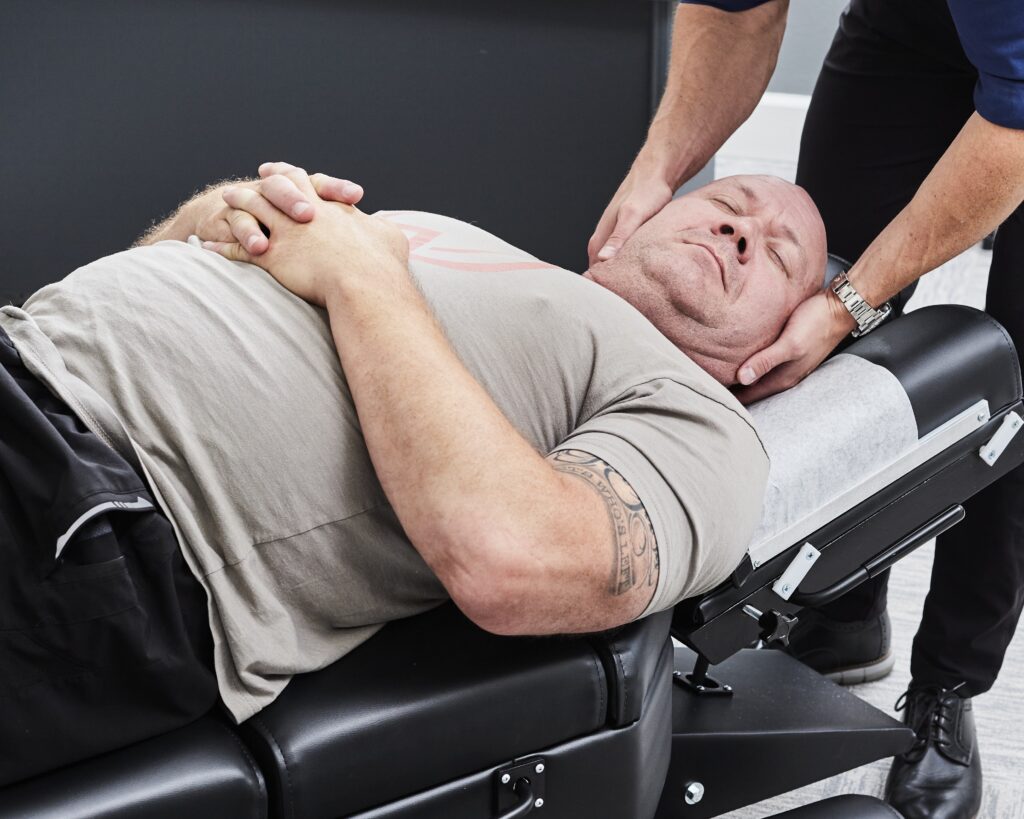

As a local chiropractor, I understand that back pain can significantly impact your daily life. However, there are natural and effective strategies you can adopt to help prevent it. One of the key areas to focus on is your posture; maintaining proper alignment can make a world of difference. Additionally, creating an ergonomic workspace is essential for reducing strain on your back during long hours of sitting or working.
Incorporating regular exercise into your routine is another vital component. Strengthening your core and back muscles can provide much-needed support to your spine. But remember, it’s not just about staying active. Your diet also plays a significant role in your overall spine health, as certain nutrients can help reduce inflammation and promote healing.
Lastly, don’t underestimate the importance of quality sleep. Proper rest allows your body to recover and rejuvenate, which is crucial for maintaining a healthy back. If you’re curious about how these lifestyle tips can not only prevent back pain but also enhance your overall wellness, let’s work together to explore these secrets to a pain-free life. Your journey to better health starts with understanding and taking proactive steps towards a healthier spine.
Understand Your Posture
As your local chiropractor, I want to emphasize the importance of understanding your posture in your daily life to help prevent back pain. Maintaining good posture is crucial as it keeps your spine aligned and minimizes strain on your muscles and ligaments.
When you’re standing, aim to have your ears, shoulders, and hips in a straight line. For those times you find yourself sitting, ensure your feet are flat on the floor and that your knees are at or below hip level. This alignment helps support your back.
It’s also vital to be cautious when lifting objects. Always bend at your knees rather than your waist; this simple adjustment can protect your back from injury.
Additionally, when using your phone or computer, try to hold your devices at eye level to avoid slumping, which can lead to further discomfort.
Throughout your day, take a moment to check in with your body. If you notice any tension or discomfort, don’t hesitate to adjust your position.
Strengthening your core muscles is another excellent way to support your spine and improve your posture.
By incorporating these practices into your routine, you’re not only promoting a healthier back but also reducing the risk of pain.
Create an Ergonomic Workspace
As a local chiropractor, I want to emphasize the importance of creating an ergonomic workspace for your overall health and well-being. A well-designed workspace can significantly reduce back pain and enhance your productivity.
Firstly, ensure that your chair is properly adjusted so that your feet rest flat on the floor and your knees form a 90-degree angle. This configuration helps support your lower back and promotes proper spine alignment—a crucial factor in maintaining a healthy posture.
Next, pay attention to your desk height. It should allow your elbows to remain at a comfortable angle, ideally around 90 degrees while typing. This positioning reduces strain on your shoulders and neck, which can lead to discomfort if not addressed.
Your computer monitor is another key component. Position it at eye level, approximately an arm’s length away. This setup helps prevent neck strain and encourages better posture. If you’re working with a laptop, consider using a stand or an external keyboard to achieve the optimal height.
Remember to take breaks! Standing up, stretching, and walking around every hour can help relieve tension and prevent stiffness. Additionally, keep frequently used items within arm’s reach to minimize awkward twisting and reaching, which can contribute to discomfort.
By incorporating these ergonomic tips into your workspace, you can create an environment that supports your body and helps prevent back pain.
As a chiropractor, I’m here to help you understand the connection between your workspace and your health, guiding you towards a more comfortable and productive life.
Practice Safe Lifting Techniques
As a local chiropractor, I want to emphasize the importance of safe lifting techniques to protect your back and overall well-being.
When you need to lift heavy objects, remember to bend at your knees rather than at your waist. This helps to engage your strong leg muscles instead of putting strain on your back.
Keep the load close to your body—this reduces the leverage on your spine, minimizing the risk of injury.
Lastly, always maintain a straight back while lifting.
These simple yet effective techniques can significantly reduce the chances of back pain and injuries. By practicing these methods, you not only safeguard your spine but also promote better health in your daily activities.
If you have any concerns about your lifting practices or back health, feel free to reach out—we’re here to help you on your journey to natural healing!
Bend at Knees
As a local chiropractor, I want to emphasize the importance of bending at your knees when lifting objects to help prevent back pain. Many people are unaware that using proper lifting techniques can significantly reduce the risk of injury.
When you bend your knees instead of your back, you’re engaging your powerful leg muscles, which helps distribute the weight more evenly across your body. This simple change not only alleviates strain on your spine but also provides better support for your overall posture.
To ensure you’re lifting safely, remember to keep your feet shoulder-width apart for stability and position yourself as close as possible to the object you’re lifting.
As you lift, focus on pushing through your heels and using your leg muscles to stand up, while maintaining a straight back. It’s crucial to avoid twisting or jerking motions during this process, as they can lead to injuries that may require chiropractic care.
By adopting these techniques, not only will you protect your back, but you’ll also enhance your overall lifting efficiency.
If you have questions or need further guidance, feel free to reach out. Your health and well-being are my priority!
Keep Load Close
As a chiropractor dedicated to your overall well-being, I want to emphasize the importance of maintaining a safe lifting technique to protect your spine and enhance your stability. One of the key principles is to keep the load close to your body. When you hold an object near your hips, you significantly reduce the strain on your back and allow your strong leg and core muscles to do the work, rather than overexerting your back.
Before you lift anything, it’s crucial to assess the weight of the load. If it feels too heavy, please don’t hesitate to seek assistance or utilize tools like a dolly or cart.
While lifting, remember to keep your elbows tucked in and maintain a firm grip. The closer the load is to your body, the easier it will be to manage, reducing the risk of injury and promoting better posture.
Maintain Straight Back
As a local Chiropractor, I want to share some essential tips to help you prevent back pain and maintain a healthy spine, especially when lifting objects.
It’s crucial to keep your back straight while lifting to protect your spine and improve your lifting efficiency. Here are some key techniques to incorporate into your daily routine:
- Bend at your knees, not your waist: This helps to engage your leg muscles, which are stronger and better suited for lifting.
- Keep your feet shoulder-width apart: This stance provides you with better balance and stability as you lift.
- Grip the object firmly with both hands: A secure grip ensures you have control over the object and reduces the risk of dropping it.
- Use your legs to lift: Your legs are powerful muscles. By lifting with them instead of your back, you significantly reduce the strain on your spine.
- Avoid twisting your body while lifting: Instead, pivot with your feet to maintain alignment and reduce the risk of injury.
By practicing these techniques, you can help protect your back and promote a healthier lifestyle.
Incorporate Regular Exercise
As a local chiropractor, I want to emphasize the importance of incorporating regular exercise into your routine to help prevent back pain.
Strengthening your core muscles and enhancing your flexibility are essential steps in building a solid foundation for a healthy spine. Engaging in low-impact activities is particularly beneficial, as these exercises allow you to stay active while minimizing strain on your body.
By making exercise a regular part of your lifestyle, you can support your overall spinal health and reduce the risk of discomfort.
Strengthen Core Muscles
As a local chiropractor, I want to emphasize the importance of a strong core for your overall health and well-being. A robust core plays a vital role in preventing back pain and enhancing your stability. By strengthening your core muscles, you provide essential support to your spine and improve your posture, which can significantly reduce your risk of injury.
Incorporating regular core-strengthening exercises into your routine can make a remarkable difference in how you feel. Here are some effective exercises that I often recommend to my patients:
- Planks: This exercise engages multiple muscle groups at once. By holding a plank position, you can build endurance and strength throughout your entire core.
- Bridges: A simple yet effective move, bridges help strengthen your glutes and lower back, which are crucial for maintaining proper alignment and stability.
- Russian Twists: This exercise targets your obliques, enhancing both strength and stability. It’s excellent for improving your rotational strength, which is essential for daily activities.
- Bicycle Crunches: A dynamic exercise that activates your entire core, bicycle crunches are great for engaging both your upper and lower abdominal muscles.
- Leg Raises: Focusing on your lower abs, leg raises help strengthen this area while ensuring you maintain proper form to avoid strain.
By incorporating these exercises into your routine, you can take proactive steps toward a healthier spine and improved overall function.
Focus on Flexibility
As your local chiropractor, I want to emphasize the importance of flexibility in maintaining a healthy spine and preventing back pain. While many people understand the value of core strength, flexibility plays a crucial role in enhancing your overall mobility and comfort.
Incorporating regular stretching and flexibility exercises into your daily routine can help keep your muscles balanced and your joints functioning optimally.
It’s essential to pay special attention to areas that commonly contribute to discomfort, such as your hamstrings, hip flexors, and lower back. These regions can become tight over time, leading to pain and reduced mobility.
Activities like yoga and Pilates are fantastic options that not only build strength but also enhance flexibility, promoting a well-rounded approach to your physical health.
I recommend dedicating at least 10-15 minutes each day to stretching. This practice allows your body to adapt and maintain an ideal range of motion, which is vital for preventing injuries.
Remember, progress takes time—listen to your body and don’t push yourself too hard. By prioritizing flexibility, you’ll not only lower your risk of back pain but also improve your overall physical performance and well-being.
As always, if you have any questions about how to integrate these practices into your routine, feel free to reach out to me!
Choose Low-Impact Activities
As a local chiropractor, I want to emphasize the importance of choosing low-impact activities for maintaining a healthy back. Incorporating regular exercise into your routine is essential, but it’s vital to select activities that minimize stress on your spine while still offering significant benefits.
Here are some excellent low-impact options that I recommend for my patients:
- Walking: This simple yet effective exercise is a fantastic way to get your body moving without putting undue strain on your back.
- Swimming: The buoyancy of water supports your body, allowing for a full range of motion while drastically reducing the stress on your spine and joints.
- Cycling: Whether on a stationary bike or outdoors, cycling provides a low-impact workout that strengthens your muscles without applying pressure to your back.
- Yoga: This practice not only promotes flexibility but also enhances core strength, which is crucial for maintaining proper spinal alignment and overall back health.
- Elliptical training: This is a wonderful alternative to running, offering a cardiovascular workout with significantly less impact on your joints and spine.
By incorporating these low-impact activities into your lifestyle, you can help support your spine’s health and complement the benefits of chiropractic care.
Stretch and Strengthen Your Back
As a local chiropractor, I want to emphasize the importance of maintaining a healthy and pain-free back through a consistent routine of stretching and strengthening exercises. Many of my patients are surprised to learn how simple movements can significantly enhance their overall well-being.
To start, I recommend incorporating gentle stretches into your daily routine. Exercises like the cat-cow and child’s pose are excellent for improving flexibility and relieving tension in your back. When you perform these stretches, hold each position for 15-30 seconds and remember to breathe deeply. This not only promotes relaxation but also helps in reducing stress on your spine.
After stretching, it’s crucial to focus on building strength in your back. Incorporating exercises such as bridges, planks, and supermans can be very effective. These movements engage your core and back muscles, providing better support for your spine and helping to prevent future injuries. Aim for two to three sets of 10-15 repetitions for each exercise, ensuring that you maintain proper form.
Consistency is vital for achieving long-term benefits, so try to dedicate at least 15-30 minutes a few times a week to this routine. Always listen to your body—if you experience any pain during these exercises, it’s important to stop immediately and consult with a professional.
With time and commitment, you’ll likely notice improved posture, reduced pain, and a stronger, more resilient back. By making these exercises a regular part of your life, you can greatly enhance your overall back health and well-being, complementing the chiropractic care I provide in our office.
Together, we can work towards ensuring your spine remains healthy and strong.
Maintain a Healthy Weight
As a chiropractor, I want to emphasize the importance of maintaining a healthy weight, particularly when it comes to preventing back pain. Excess weight can put significant strain on your spine and the muscles that support it.
Carrying extra pounds not only affects your posture but also increases the pressure on your back, leading to discomfort and potential injury. Here are some practical tips to help you manage your weight naturally:
- Eat a balanced diet: Prioritize whole foods like fruits, vegetables, whole grains, and lean proteins. These nourish your body and help maintain a healthy weight.
- Stay active: Aim for at least 150 minutes of moderate exercise each week. Incorporating strength training can also support muscle health, which is vital for spinal integrity.
- Monitor portion sizes: Being aware of portion sizes can prevent overeating and help you manage your calorie intake effectively.
- Stay hydrated: Drinking plenty of water not only aids in digestion but can also curb hunger, making it easier to control what you eat.
- Limit processed foods: Reducing your intake of high-sugar and high-fat snacks can help you avoid unnecessary weight gain and support your overall health.
By following these strategies, you can help alleviate the strain on your back and support your overall well-being.
Use Supportive Footwear
As a local chiropractor, I often emphasize the importance of supportive footwear in maintaining overall health and preventing back pain. Whether you find yourself walking, running, or standing for extended periods, the shoes you choose play a crucial role in your body’s alignment and comfort. Well-fitted shoes with appropriate arch support can significantly reduce strain on your back, helping to maintain proper posture and alignment.
When you’re shopping for shoes, keep an eye out for cushioning that effectively absorbs shock and materials that allow your feet to breathe. It’s best to steer clear of high heels and flip-flops, as these types of footwear can disrupt your balance and lead to discomfort—not just in your feet, but throughout your entire body.
Remember to consider your activities when selecting your footwear. If you’re engaging in exercise, it’s wise to choose shoes tailored to your specific sport. For everyday use, look for options that combine both style and supportive features.
Your feet are essentially the foundation of your body; if they’re uncomfortable or lack proper support, it can result in pain radiating to your back, hips, and knees.
Stay Hydrated and Nourished
As your local chiropractor, I want to emphasize that while choosing the right footwear is essential for supporting your body, it’s equally important to focus on staying hydrated and nourished to prevent back pain.
When you maintain proper hydration and nutrition, your muscles and joints operate more efficiently, which can significantly reduce discomfort. Here are some helpful tips to keep you on the right path:
- Make it a habit to drink plenty of water throughout the day. Staying hydrated is crucial for your overall health and can help prevent stiffness and pain.
- Add anti-inflammatory foods to your diet, such as berries, leafy greens, and nuts. These foods can help reduce inflammation and promote healing in your body.
- Ensure you’re getting enough calcium and vitamin D, as these nutrients are vital for maintaining strong bones and preventing issues that could lead to back pain.
- Focus on a balanced diet that includes lean proteins. These proteins play a key role in repairing and strengthening your muscles, which is essential for a healthy back.
- Be mindful of your intake of caffeine and sugar, as excessive amounts can lead to dehydration and increased inflammation, potentially exacerbating any discomfort you might feel.
By incorporating these practices into your daily routine, you can support your chiropractic care and enhance your overall well-being.
Prioritize Restful Sleep
As your local chiropractor, I want to emphasize the importance of prioritizing restful sleep in your journey towards a pain-free life. Many people overlook how crucial quality sleep is for preventing back pain. When you sleep well, your body has the opportunity to heal and repair itself, including the muscles and spine that support your overall health.
I recommend aiming for 7 to 9 hours of restorative sleep each night. Establishing a calming bedtime routine can significantly enhance your sleep quality. Consider activities such as reading or meditating to signal to your body that it’s time to unwind and prepare for rest.
Selecting the right mattress and pillows is also essential for maintaining proper spinal alignment. Ensure your mattress provides adequate support for your spine’s natural curvature, and choose pillows that help keep your neck in a neutral position. For optimal spinal health, try to sleep on your side or back, as these positions can help alleviate pressure on your spine.
Additionally, be mindful of screen time before bed. The blue light emitted by devices can disrupt your sleep cycle, making it harder to achieve the restorative sleep you need.
By making sleep a priority and creating a sleep-friendly environment, you’ll not only wake up feeling refreshed, but you’ll also significantly reduce your risk of experiencing back pain.
Conclusion
As your local chiropractor, I want to share some valuable lifestyle changes that can significantly reduce your risk of experiencing back pain. It’s important to prioritize good posture in your daily activities, whether you’re sitting at your desk or standing. Creating an ergonomic workspace is essential, as it can help alleviate strain on your spine throughout the day.
Incorporating regular exercise into your routine is vital for maintaining a healthy back. I encourage you to include stretching and strengthening exercises specifically for your back to enhance its resilience. Additionally, wearing supportive footwear can make a world of difference in how your body aligns and functions.
Don’t overlook the importance of staying hydrated and nourishing your body with a balanced diet. These factors contribute to your overall spinal health. Lastly, prioritizing restful sleep is crucial for recovery and well-being. By embracing these tips, you’ll not only promote a pain-free back but also pave the way for a healthier and happier life. Remember, I’m here to support you on your journey towards natural healing and wellness!