
As your local chiropractor, I want to emphasize the crucial role that good posture plays in preventing back pain. Many people underestimate its importance, but small changes in your daily habits can lead to significant improvements in your overall well-being. It’s essential to take a moment to evaluate your current posture and consider how it may be affecting your health.
Investing in ergonomic furniture can be one of the most effective ways to support your spine throughout the day. But beyond that, there are practical steps you can incorporate into your routine that promote better alignment and comfort. Have you ever wondered how these adjustments can transform your daily life? Let’s delve into some valuable secrets that can help you achieve better posture and alleviate discomfort naturally. I’m here to guide you on this journey toward a healthier, pain-free lifestyle.
Assess Your Current Posture
As your local chiropractor, I want to help you understand the importance of posture and how it affects your overall health. The first step in improving your posture is to assess your current alignment. A simple way to do this is by standing tall against a wall. Make sure your heels, buttocks, and shoulders are touching the wall, and let your head rest lightly against it.
Take notice of any gaps between your lower back and the wall; these gaps can indicate habits that may lead to poor posture.
Next, let’s evaluate how you sit during your daily activities. Find your usual chair and take a moment to observe the position of your spine. Are you slouching or leaning forward excessively? A mirror can be a helpful tool here—use it to check your side profile for any imbalances, such as a tilted head or rounded shoulders.
It’s also important to listen to your body. Do you often feel discomfort in your back or neck? These sensations are often signs of poor posture and can lead to more significant issues if not addressed.
By taking the time to understand your current alignment and daily habits, you can pinpoint areas that need improvement. This awareness is the first step toward better posture and can significantly reduce back pain in the future.
Invest in Ergonomic Furniture
As a local chiropractor dedicated to your well-being, I want to emphasize the importance of investing in ergonomic furniture for your health. By choosing ergonomic chairs, desks, and accessories, you’re taking a significant step toward improving your posture and alleviating back pain.
These specially designed pieces of furniture support your body’s natural alignment, which is crucial for your comfort, especially during those long hours of sitting or working.
A well-designed ergonomic chair offers lumbar support, which encourages your spine to maintain its natural curve. This is vital to prevent unnecessary strain on your back.
Additionally, adjustable desks provide the flexibility to alternate between sitting and standing throughout the day, which can greatly reduce tension in your back and neck.
Furthermore, incorporating accessories like keyboard trays and monitor stands can help elevate your workspace to eye level. This adjustment can prevent you from slouching or leaning forward, habits that can lead to discomfort and pain over time.
By making these changes, you aren’t only investing in your furniture but also in your health and overall quality of life.
Let’s work together to foster a healthier and more comfortable work environment!
Practice Mindful Sitting
As a chiropractor, I want to emphasize the importance of proper posture while sitting, as it can greatly impact your spinal health.
First, ensure that your chair is at the right height so that your feet can rest flat on the floor. This simple adjustment can help prevent strain on your back.
Incorporating lumbar support is another key element; it helps maintain the natural curve of your spine, reducing the risk of discomfort.
Remember, your body wasn’t designed to stay stationary for long periods, so it’s crucial to take regular breaks. Stand up, stretch, and move around to keep your back healthy and pain-free.
Adjust Your Chair Height
As a local chiropractor, I want to share with you an important yet often overlooked aspect of maintaining a healthy posture and reducing back pain: adjusting your chair height. It might seem like a small detail, but the right chair height plays a significant role in your overall well-being.
When your chair is properly adjusted, your feet should rest flat on the floor, and your knees should form a 90-degree angle. This alignment helps distribute your weight evenly and keeps your spine in its natural position. If your chair is too high, you may find yourself slouching or straining your legs, which can lead to discomfort and pain.
On the other hand, if your chair is too low, you might lean forward, putting unnecessary pressure on your back.
I encourage you to take a moment to adjust your chair before settling in for long periods. By making this simple adjustment, you create a workspace that supports good posture and minimizes discomfort throughout your day.
Use Lumbar Support
As a local chiropractor, I want to emphasize the importance of using lumbar support to enhance your sitting experience, especially if you find yourself at a desk for long periods.
Proper lumbar support is crucial for maintaining the natural curve of your spine, which can significantly reduce strain on your lower back.
When you sit, it’s essential that the lumbar support fits snugly against your lower back, effectively filling the gap between your back and your chair.
If you’re using a chair that lacks built-in lumbar support, I recommend utilizing a cushion or even a rolled-up towel.
Make sure to adjust the height so that it aligns with the natural curve of your lumbar spine.
It’s a common misconception that maintaining good posture simply means sitting up straight.
In reality, it’s about providing the right support for your body.
By prioritizing lumbar support, you can experience a noticeable decrease in discomfort and an overall improvement in your sitting comfort.
Taking these small steps can have a significant impact on your spinal health and well-being.
Take Regular Breaks
As a chiropractor, I often see patients who suffer from back pain due to prolonged sitting, even when they’ve proper lumbar support. It’s essential to understand that sitting for long periods can negatively impact your spinal health.
One effective way to combat this issue is by making it a habit to take regular breaks throughout your day. I recommend setting a timer to remind yourself to stand up and stretch every 30 to 60 minutes. When you take these breaks, pay close attention to your posture. Align your shoulders over your hips and engage your core muscles. Use this time to walk around or perform light stretches, which can help relieve tension in your back and improve circulation.
Additionally, practicing mindful sitting is crucial for your overall well-being. Be conscious of how you position yourself in your chair; keep your feet flat on the ground, avoid crossing your legs, and maintain a straight back.
Strengthen Your Core Muscles
As a local chiropractor, I want to emphasize the importance of strengthening your core muscles for maintaining good posture and alleviating back pain. Many people aren’t aware that a strong core not only enhances stability but also plays a crucial role in supporting your spine.
By incorporating core exercises into your routine, you can significantly improve your overall health and well-being.
Let’s take a closer look at some effective core workouts and discuss why developing core strength is vital for your body. A strong core helps prevent injuries, supports proper alignment, and can make a noticeable difference in your daily activities.
If you’re new to chiropractic care and natural healing, understanding the connection between core strength and spinal health can empower you to take charge of your wellness journey.
Core Exercises to Try
As a chiropractor, I understand the importance of a strong core for maintaining good posture and preventing back pain. Many of my patients may not be familiar with the concept of core strength and how it can positively impact their overall health.
To help you strengthen your core, I encourage you to incorporate these effective exercises into your daily routine:
- Planks: This exercise involves holding a plank position for 30 seconds to a minute. Focus on maintaining a straight body alignment, which will engage your core muscles effectively.
- Russian Twists: Sitting on the floor, lean back slightly while twisting your torso side to side. You can add a weight for extra resistance, which will help improve your core stability and rotational strength.
- Bird-Dogs: While on all fours, extend one arm forward and the opposite leg backward. Hold this position for a few seconds before switching sides. This exercise enhances balance and coordination, which are crucial for spinal health.
- Bridges: Lie on your back with your knees bent and lift your hips off the ground. Squeeze your glutes at the top of the movement. This not only strengthens your core but also helps to stabilize your pelvis and lower back.
- Bicycle Crunches: As you lie on your back, pedal your legs while bringing your elbow to the opposite knee. This dynamic movement targets various core muscles and promotes flexibility.
Incorporating these exercises into your regimen can help create a strong foundation for better posture and overall well-being.
If you have any questions or need guidance on proper form, feel free to ask during your next visit. Your journey to a healthier spine and a stronger core starts here!
Importance of Core Strength
As a local chiropractor, I want to emphasize the importance of core strength for your overall health and well-being. Many of my patients are surprised to learn that a strong core plays a vital role in maintaining good posture and preventing back pain.
When your core muscles are strong, they provide essential support to your spine, allowing you to hold an upright position comfortably and without strain. Conversely, weak core muscles can lead to misalignment and increased pressure on your back, which can result in discomfort and pain.
By incorporating core-strengthening exercises into your routine, you can significantly enhance your stability, balance, and overall strength. This not only protects your back during everyday activities but also plays a crucial role in functional movement and injury prevention.
It’s important to remember that building core strength isn’t solely about aesthetics; it’s about improving your quality of life. Simple exercises like planks, bridges, and abdominal twists can lead to meaningful changes in how you feel.
So, as you consider your health journey, I encourage you to focus on strengthening your core. You may be pleasantly surprised by the improvements in your posture and the reduction in back pain that follows.
Let’s work together to ensure you achieve optimal health through natural healing and chiropractic care.
Incorporate Stretching Into Your Routine
As a local chiropractor, I often see the benefits that come from a well-rounded approach to maintaining good posture and overall spinal health. While many people concentrate solely on strength training, I want to emphasize the crucial role that stretching plays in your wellness routine.
Stretching not only enhances flexibility but also helps reduce muscle tension and promotes healthy blood circulation—factors that are vital for a strong back and proper posture.
To help you get started, here are some simple yet effective stretches that I recommend incorporating into your daily routine:
- Neck Stretches: Gently tilt your head to each side to alleviate tension in the neck area.
- Shoulder Rolls: Rolling your shoulders forward and backward can help release tightness in the shoulder region.
- Cat-Cow Stretch: This movement involves alternating between arching and rounding your back, which can significantly improve spinal flexibility.
- Hamstring Stretch: By reaching for your toes, you can relieve tightness in your legs and lower back, which is often a common issue for many.
- Chest Opener: Clasp your hands behind your back and gently lift to open up your chest, counteracting the effects of slouching.
Incorporating these stretches into your daily routine can make a substantial difference in your posture and help alleviate back pain.
So, I encourage you to take just a few minutes each day to stretch and experience the positive impact it can have on your overall health!
Adjust Your Computer Setup
As a local chiropractor, I want to emphasize the importance of adjusting your computer setup to maintain good posture and alleviate back pain. It may seem minor, but making these adjustments can have a significant impact on your overall health.
Firstly, ensure your monitor is positioned at eye level. This adjustment helps prevent neck strain, allowing you to maintain a relaxed posture while working. Ideally, your screen should be about an arm’s length away. This distance enables you to sit comfortably without leaning forward, which can lead to discomfort over time.
Next, let’s talk about your chair. It’s essential that it provides proper support for your lower back. Your feet should be flat on the floor or resting on a footrest, with your knees aligned at hip level. This positioning helps to maintain the natural curve of your spine.
Adjust your chair height so that when you type, your elbows are at a 90-degree angle. This positioning reduces the risk of shoulder strain and promotes a healthier working posture.
Lastly, keep items you use frequently within easy reach. This will help you avoid twisting your body, which can contribute to discomfort and misalignment. Additionally, I recommend using a keyboard and mouse that support a neutral wrist position, as this can further reduce strain on your upper body.
Use Supportive Footwear
As a local chiropractor, I want to emphasize the importance of choosing supportive footwear for your overall health, particularly when it comes to maintaining good posture and preventing back pain.
Many of my patients often overlook how crucial the right shoes are, especially if you find yourself on your feet for extended periods.
Supportive footwear plays a vital role in distributing your weight evenly, which can significantly reduce strain on your back and joints.
When selecting shoes, here are some essential features to keep in mind:
- Arch Support: Proper arch support is key to aligning your feet with your spine. Shoes that offer this support can help prevent discomfort and misalignment.
- Cushioning: Adequate cushioning is important for absorbing shock and enhancing comfort during long hours of wear. This can mean the difference between a comfortable day and one filled with pain.
- Stability: Look for shoes with a firm heel counter. This feature helps to stabilize your foot, preventing excessive movement that can lead to injury or pain.
- Breathability: Materials like mesh can keep your feet cool and comfortable, which is essential for reducing fatigue over time.
- Fit: Ensuring a proper fit is crucial. Your shoes should allow for some wiggle room in the toes, but they shouldn’t be so loose that your foot slides around.
Investing in supportive footwear is a simple yet effective step toward improving your posture and alleviating back pain.
By making this small change, you can enhance your daily comfort and overall well-being.
If you have further questions about how your footwear affects your spinal health, feel free to reach out.
Your journey to better health starts with the right foundation!
Stay Active Throughout the Day
As a local chiropractor, I want to emphasize the importance of staying active throughout your day for maintaining good posture and preventing back pain, especially if you find yourself in a sedentary job.
It may surprise you how incorporating movement into your daily routine can make a significant difference in your spinal health.
I encourage you to set a timer to remind yourself to stand up and stretch every hour. Simple exercises, like neck rolls, shoulder shrugs, or even a brief walk, can alleviate tension in your muscles and support your spine.
Consider alternative work setups, such as a standing desk or a balance ball chair. These can engage your core muscles and promote better posture while you work.
Whenever possible, opt for the stairs instead of the elevator, or park a little farther away to encourage more walking throughout your day.
Engaging in enjoyable activities—whether it’s dancing, biking, or swimming—can help keep your body moving and your spine healthy.
Remember, every bit of activity counts! By staying active, you not only improve your posture but also enhance your overall well-being.
Make a conscious effort to incorporate movement into your daily life, and your back will undoubtedly thank you.
If you have any questions about how chiropractic care can assist in your journey to better health, feel free to reach out!
Pay Attention to Lifting Techniques
As a local chiropractor, I want to emphasize the importance of using proper lifting techniques to safeguard your back.
When you’re about to lift something heavy, it’s crucial to bend at your knees rather than your waist. Keep your back straight and engage your legs to do the heavy lifting.
By making these simple adjustments, you can significantly reduce your risk of pain and injury.
Remember, taking care of your body through mindful movements is a key part of maintaining overall health and well-being.
If you have any questions or need further guidance, don’t hesitate to reach out!
Bend at Knees
As a local chiropractor, I often see patients who experience back pain due to improper lifting techniques.
It’s crucial to understand that lifting objects without the right approach can lead to significant strain on your back. One of the most effective methods I recommend is to always bend at your knees. This technique shifts the burden of lifting from your back to your legs, which are much stronger and better equipped to handle the weight, thereby minimizing the risk of injury.
Here are some simple steps to follow for safe lifting:
- Stand as close to the object as possible to reduce strain.
- Position your feet shoulder-width apart to maintain good balance.
- Remember to bend at your knees instead of your waist to protect your back.
- Use both hands to grasp the object firmly, ensuring a secure grip.
- Lift smoothly by straightening your legs while keeping the object close to your body.
By following these tips, you can help prevent back injuries and promote better overall spinal health.
If you have any questions or need further guidance, feel free to reach out for personalized advice!
Keep Back Straight
As a chiropractor, I want to emphasize the importance of maintaining a straight back while lifting, which is just as crucial as properly bending your knees. When you keep your back straight, you help to evenly distribute the weight across your spine, significantly reducing the risk of injury.
Before you lift anything, it’s essential to engage your core muscles; this provides extra support and stability for your spine.
As you grasp the object, pay attention to the alignment of your shoulders over your hips. This alignment is vital for maintaining good posture throughout the lift. I advise against twisting your torso or leaning forward, as these movements can put unnecessary strain on your back.
Instead, keep your head up and your gaze forward; this encourages a neutral spine and promotes better lifting mechanics.
Use Your Legs
As a local chiropractor, I want to emphasize the importance of using your legs effectively when lifting objects to help protect your spine and overall well-being. Many individuals may not realize that improper lifting techniques can lead to unnecessary strain and discomfort.
Here are some essential tips for safe lifting that I encourage you to follow:
- Bend at the knees: Always lower your body by bending your knees rather than bending at your waist. This technique helps maintain the natural curve of your spine.
- Keep your feet shoulder-width apart: A stable base is crucial for lifting. Positioning your feet shoulder-width apart provides better balance and reduces the risk of injury.
- Engage your core: By tightening your abdominal muscles, you create support for your lower back, which is vital when lifting heavy objects.
- Lift with your legs: Focus on pushing through your heels and straightening your legs to lift the object. This shift in power from your legs helps reduce the strain on your back.
- Avoid twisting: Instead of twisting your torso while lifting, move your feet to change directions. This helps prevent unnecessary rotational strain on your spine.
By incorporating these tips into your lifting routine, you can help protect your back and promote a healthier, more active lifestyle.
Consider Professional Help
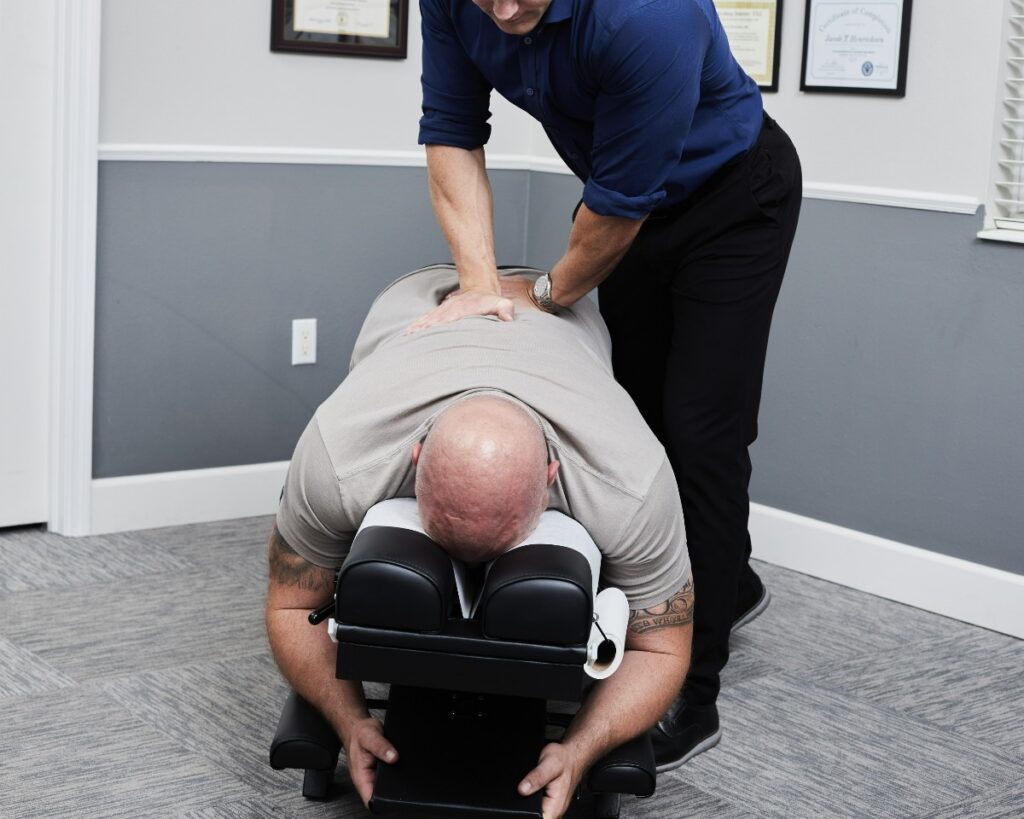
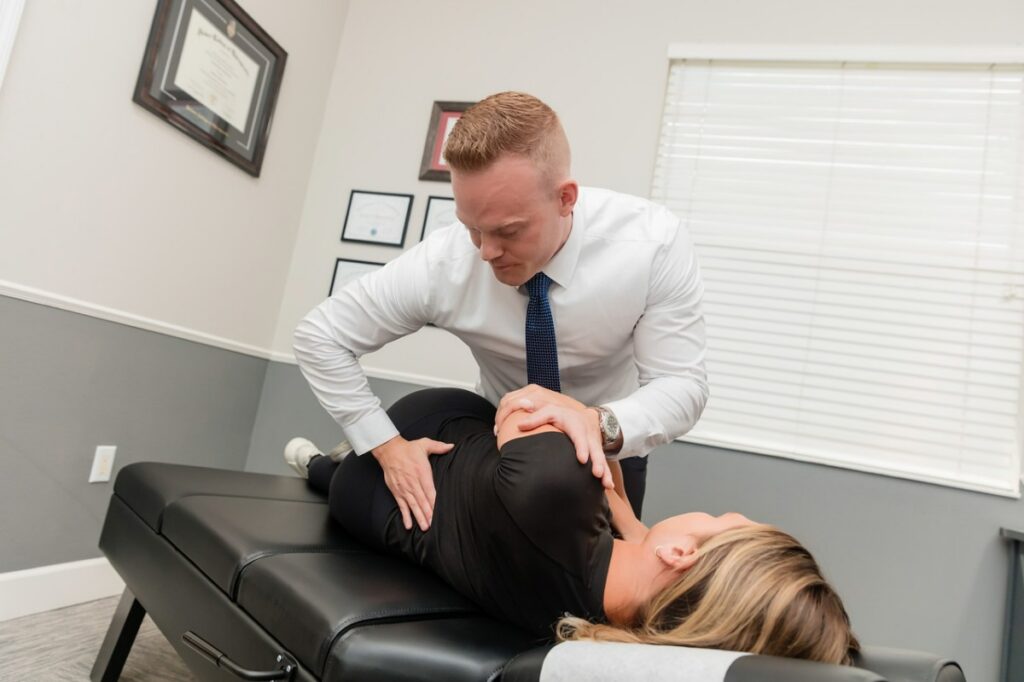
If you’re dealing with ongoing back pain despite trying various remedies, it might be time to explore chiropractic care as a solution. As a local chiropractor, I can help you understand how our approach focuses on addressing the root causes of discomfort rather than just masking symptoms.
During your visit, I’ll assess your posture and spinal alignment, identifying any underlying issues that may be contributing to your pain. With personalized strategies designed specifically for you, I can guide you on how to improve your alignment and strengthen your back effectively.
Chiropractic care offers valuable insights and techniques that can empower you to take control of your health. I’ll teach you exercises tailored to your specific needs, ensuring you perform them with the correct techniques to prevent further injury.
Additionally, I may incorporate complementary treatments like massage therapy or acupuncture to relieve tension and promote healing.
If you’re unsure about where to begin, I encourage you to reach out. Many patients find that working with a chiropractor not only helps them manage their back pain but also leads to long-term improvements in their overall well-being.
Investing in your health through natural healing methods can pave the way for lasting relief and better posture. Let’s work together to find the best path for you!
Conclusion
As a local chiropractor, I’m here to help you understand that improving your posture and alleviating back pain is absolutely achievable with the right approach. It all starts with evaluating your posture—this awareness is crucial. Investing in ergonomic furniture can make a world of difference for your spine. Strengthening your core muscles is another key element; a strong core supports your back and promotes good alignment.
Don’t underestimate the power of stretching; it not only keeps your muscles flexible but also helps prevent stiffness. Wearing supportive footwear is essential as well—your feet are the foundation of your posture. Staying active throughout the day, whether through walking or engaging in other physical activities, is vital for maintaining a healthy back.
When lifting objects, remember to use proper techniques to protect your spine. And if you’re experiencing persistent pain or discomfort, seeking professional help from a chiropractor can provide you with tailored solutions. By keeping these tips in mind, you’re on the path to achieving a healthier, pain-free back and improved overall posture. I’m here to guide you every step of the way!