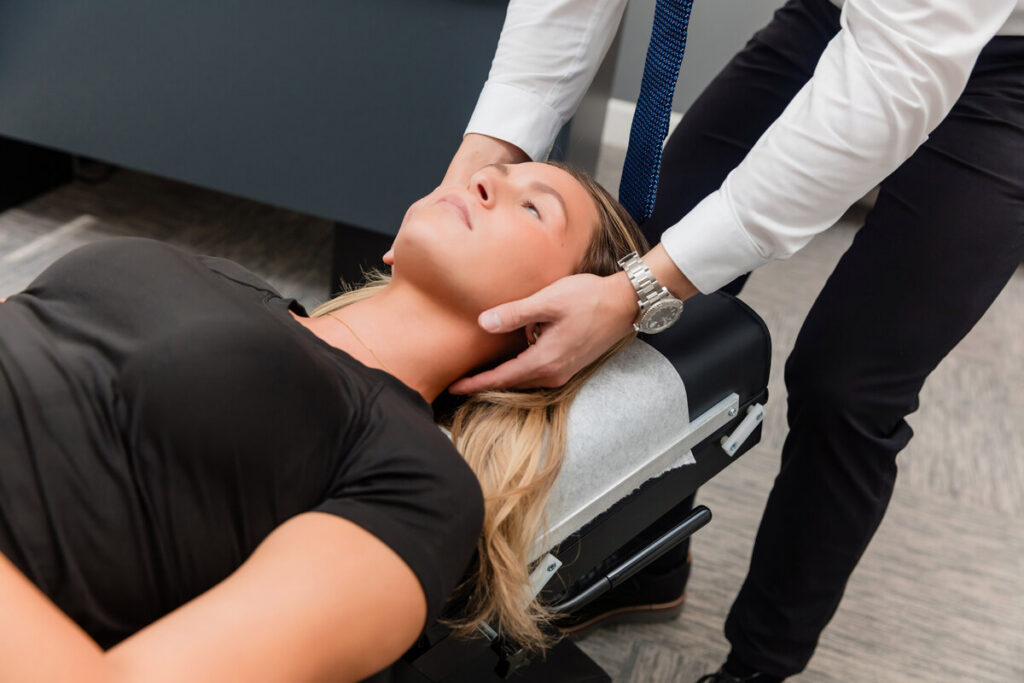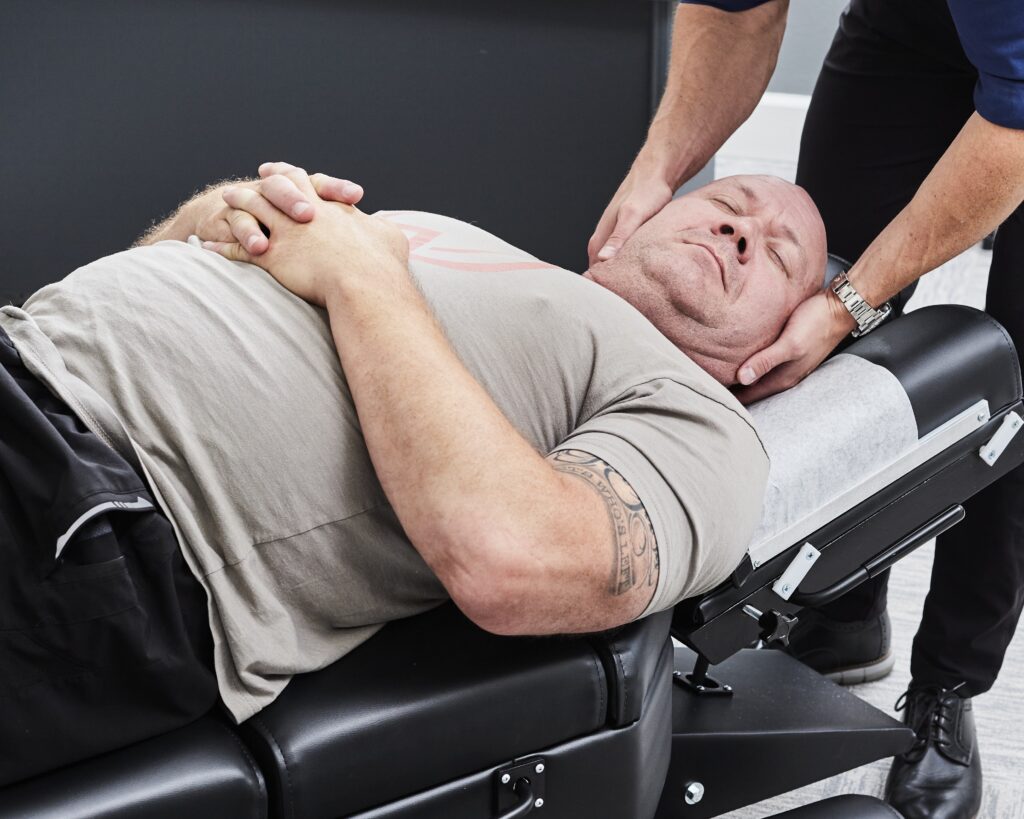

As a local chiropractor, I understand that facing a sports injury can leave you feeling overwhelmed and frustrated. It's important to know that you don't have to rely solely on conventional treatments for your recovery. By embracing natural healing strategies, such as gentle movement and proper nutrition, you can foster a more holistic healing process.
At my practice, I focus on educating my patients about how these elements work in harmony to not only expedite your recovery but also to fortify your body for the future. It's fascinating to see how incorporating chiropractic care, along with other natural techniques, can make a significant difference in your healing journey. If you're curious about specific methods that can enhance your recovery, I'd be happy to discuss them with you and guide you toward a healthier, stronger you.
Understanding Sports Injuries
As a local chiropractor, I want to share how understanding sports injuries can play a significant role in your overall health and well-being, especially if you're an athlete at any level.
It's important to recognize that injuries are a common risk, and being informed can help you prevent setbacks.
Let's talk about some typical injuries you might encounter, such as sprains, strains, and fractures. A sprain occurs when ligaments—the tissues connecting bones at a joint—stretch or tear.
Strains, on the other hand, involve muscles or tendons and can leave you feeling limited in your movement. Fractures are more severe, representing breaks in the bone that can result from direct impact or repetitive stress on the body.
Your body often provides warning signs when something isn't right. Symptoms like sharp pain, swelling, or a sense of instability can indicate that you should take a step back and assess the situation.
Ignoring these signs can lead to longer recovery times and even more serious injuries. It's crucial to listen to your body and take proactive steps to protect yourself.
Injury prevention is vital, and as a chiropractor, I encourage you to start with proper warm-ups and cooldowns. These practices help prepare your muscles for activity and aid in recovery afterward.
Additionally, wearing the right equipment—such as supportive footwear or braces—can help shield you from common injuries.
If you do find yourself injured, remember that rest and recovery are key components of healing. It's important not to rush back into your activities.
Instead, seek guidance from a healthcare professional who can evaluate your injury and create an appropriate recovery plan. Chiropractic care can be a natural and effective way to support your healing process, focusing on restoring balance and function to your body.
By gaining a better understanding of sports injuries and how to manage them, you can enhance your recovery and get back to doing what you love.
Let's work together to keep you healthy and active!
The Role of Nutrition
As a local chiropractor, I want to emphasize the vital role nutrition plays in your recovery from sports injuries. The right nutrients are essential for repairing tissues and reinforcing your body's natural healing abilities.
Additionally, maintaining proper hydration can significantly enhance your recovery speed. Let's delve into how incorporating the right foods and ensuring adequate hydration can positively impact your rehabilitation journey.
Understanding this can empower you to take an active role in your healing process and complement the chiropractic care you receive.
Essential Nutrients for Healing
As a local chiropractor, I want to emphasize the significant role nutrition plays in your recovery after a sports injury. Your body requires specific building blocks to repair itself, and the right nutrients can make a substantial difference in your healing process.
Here are three crucial nutrients that I recommend incorporating into your diet to support your recovery:
- Protein: This nutrient is vital for tissue repair. It helps rebuild damaged muscles and facilitates recovery. To ensure you're getting enough protein, include sources such as lean meats, fish, eggs, and legumes in your meals.
- Vitamins C and D: Vitamin C is essential for collagen formation, which is crucial for healing wounds and repairing tendons. Meanwhile, Vitamin D plays a key role in bone health and supports your immune system. You can boost your Vitamin C intake by enjoying citrus fruits and bell peppers, while Vitamin D can be found in fatty fish and fortified dairy products.
- Omega-3 Fatty Acids: These healthy fats are known for their ability to reduce inflammation, which aids in the healing process. Consider adding foods like walnuts, flaxseeds, and fatty fish such as salmon to your diet to harness the benefits of Omega-3s.
By focusing on these essential nutrients, you can support your body's natural healing abilities and enhance the effectiveness of your chiropractic care.
Hydration's Impact on Recovery
As a local chiropractor dedicated to your health and recovery, I want to emphasize the crucial role that hydration plays in healing from sports injuries. When your body is well-hydrated, it promotes better blood circulation, which is essential for delivering vital nutrients to the damaged tissues. This improved circulation can lead to faster healing and a reduction in inflammation—two key factors for getting you back into your favorite activities.
On the flip side, dehydration can significantly impede your recovery process. It may lead to muscle cramps, joint discomfort, and overall fatigue, making it challenging to engage in rehabilitation exercises that are crucial for your progress.
To enhance your recovery, I encourage you to drink water consistently throughout the day. You might also want to include electrolyte-rich beverages, as these can help replenish lost minerals and maintain your body's balance.
Remember, staying hydrated during your workouts is just as important. Keeping a water bottle nearby serves as a great reminder to sip regularly, even if you don't feel thirsty.
Additionally, incorporating hydrating foods such as fruits and vegetables into your meals can further increase your fluid intake and support your overall recovery journey. By prioritizing hydration, you're taking a significant step towards a quicker and more effective healing process.
Herbal Remedies for Healing
As your local chiropractor, I want to share how herbal remedies can be a supportive addition to your recovery from sports injuries. Many patients may not realize the benefits that natural healing options can provide alongside chiropractic care.
Incorporating popular healing herbs into your recovery plan can enhance the healing process. These herbs can be applied in various ways, such as through topical ointments, teas, or supplements, depending on your specific needs and preferences.
However, it's essential to keep in mind some important safety considerations when using herbal remedies, especially if you're taking other medications or have underlying health conditions.
Let's take a closer look at how these natural options can work synergistically with chiropractic care to help you heal more effectively and get back to your active lifestyle.
Popular Healing Herbs
As your local chiropractor, I want to share how popular healing herbs can significantly aid in your recovery from sports injuries. These natural remedies can enhance your body's healing capabilities, reduce inflammation, and contribute to your overall wellness.
Here are three powerful herbs that I recommend incorporating into your recovery routine:
- Turmeric: This vibrant yellow spice contains curcumin, a compound renowned for its potent anti-inflammatory properties. Turmeric can help alleviate pain and swelling, making it an excellent choice for those recovering from injuries.
- Arnica: Frequently used in topical applications, arnica is effective in minimizing bruising and soreness. It's especially useful for treating sprains and strains, promoting a quicker healing process. You can apply it directly to affected areas for optimal results.
- Ginger: Not only does ginger enhance the flavor of your meals, but it also boasts impressive anti-inflammatory benefits. This herb can improve circulation and help reduce pain, making it a beneficial addition to your recovery plan.
By integrating these healing herbs into your routine, you can support your recovery journey and complement the chiropractic care you receive.
Let's work together to optimize your healing and get you back to your active lifestyle!
Application Methods Explained
As your local chiropractor, I want to share with you the incredible healing potential of herbs and the various ways you can incorporate them into your wellness routine. Understanding these application methods can enhance your recovery and overall health.
One popular method is topical application, where you can utilize essential oils or infused oils. By mixing a few drops of your chosen oil with a carrier oil, such as coconut or olive oil, you can gently massage this blend into the areas that need relief. This approach can complement the adjustments I provide during your visits.
Another method to consider is making herbal infusions. This involves steeping herbs in hot water to create a soothing tea. Drinking this tea can support your healing process from within, helping you feel more balanced and rejuvenated.
If you're dealing with a specific injury, poultices can be a great option. You can simply crush fresh herbs or combine dried herbs with water to create a paste. Apply this directly to the affected area, cover it with a clean cloth, and let it sit for a while. This allows the herbs to penetrate the skin and promote healing.
Lastly, don't underestimate the power of herbal baths. Adding herbs like Epsom salt or chamomile to your bathwater can provide a relaxing and therapeutic experience. It's a wonderful way to unwind while also aiding in your recovery.
Each of these methods has unique benefits, and I encourage you to explore them to see what resonates with you on your healing journey.
Safety Considerations Highlighted
As a local chiropractor, I want to help you navigate the world of herbal remedies safely and effectively, especially if you're new to chiropractic care and natural healing.
While these remedies can be beneficial in supporting your wellness journey, it's crucial to approach them with care. Here are three important safety considerations to keep in mind:
- Consult with Your Healthcare Provider: Before introducing any herbal treatments into your routine, I recommend discussing this with your healthcare provider. They can give you valuable insights into how these remedies might interact with any existing medications or treatments you're receiving.
- Choose Reputable Sources: It's essential to purchase herbal products from trusted suppliers. Look for brands that provide third-party testing to ensure their quality and potency. This helps guarantee that what you're taking is both safe and effective.
- Listen to Your Body: As you try herbal remedies, pay close attention to how your body responds. If you notice any negative side effects, stop using the product right away and reach out to your healthcare provider for guidance.
Your safety and well-being are my top priorities, and I'm here to support you on your journey to better health through natural healing methods.
Importance of Hydration
As a local chiropractor, I want to emphasize the crucial role hydration plays in your recovery from sports injuries. When you maintain proper hydration, your body can function optimally, which is essential for healing and reducing inflammation. Water is fundamental in transporting vital nutrients to injured tissues, helping to speed up the recovery process.
On the other hand, dehydration can lead to fatigue, muscle cramps, and hindered recovery, all of which can extend your time away from the activities you love. Your muscles and joints depend greatly on sufficient fluid levels to retain their flexibility and avoid stiffness.
When you're recovering from an injury, your body actually needs even more fluids to help eliminate toxins and repair damaged tissues effectively. Drinking water, along with electrolyte-rich beverages, can help replenish the fluids you may have lost, particularly if you're still engaging in light physical activities during your recovery.
I recommend that you aim to drink water consistently throughout the day, rather than just when you feel thirsty. A good guideline is to consume at least half of your body weight in ounces of water daily. If you're active or healing from an injury, consider increasing that amount.
It's important to listen to your body; if you notice dark urine or ongoing fatigue, those could be signs that you need to improve your hydration. In addition to drinking water, incorporating hydrating foods like fruits and vegetables into your diet can significantly boost your fluid intake.
By prioritizing hydration, you not only support your recovery process but also enhance your overall health. Take charge of your healing journey by making hydration a fundamental aspect of your daily routine.
Gentle Movement Techniques
As your local chiropractor, I want to emphasize the importance of staying hydrated as a foundational step in your recovery journey. Proper hydration not only supports your overall health but also sets the stage for incorporating gentle movement techniques that can enhance your healing process.
When you're on the mend, it's essential to engage in low-impact activities that promote circulation and flexibility without putting undue strain on your injuries. Here are three effective gentle movement techniques I recommend:
- Gentle Stretching: Begin with light stretching exercises to improve your range of motion. It's important to focus on the areas surrounding your injury while being mindful not to overexert yourself. Aim to hold each stretch for 15-30 seconds, and remember to breathe deeply to help relax your muscles.
- Walking: If your injury permits, short walks can be incredibly beneficial. Walking stimulates blood flow and helps strengthen your muscles without overwhelming your body. Start with just a few minutes each day and gradually increase your distance as you become more comfortable.
- Water Therapy: Exercising in water is an excellent way to minimize strain on your body. I recommend trying gentle movements like water walking or basic aquatic stretches. The buoyancy of the water supports your body, allowing you to move freely and safely.
By integrating these gentle movement techniques into your routine, you can significantly aid your recovery process. They're instrumental in maintaining strength, enhancing flexibility, and promoting your overall well-being.
Always listen to your body; if something doesn't feel right, don't hesitate to adjust your routine. Remember, staying hydrated and embracing gentle movement are key components in setting yourself up for a smoother and more effective recovery journey.
If you have any questions or need guidance on how to implement these techniques, feel free to reach out during your next visit!
Mindfulness and Mental Health
As a chiropractor, I want to emphasize the crucial role mindfulness can play in your recovery from sports injuries. Many people overlook the emotional and mental hurdles that come with physical setbacks, but mindfulness can help you navigate these challenges more effectively. By practicing mindfulness, you can become more aware of your thoughts and feelings, allowing you to manage frustration, anxiety, and sadness that often accompany an injury. This awareness can significantly change your perspective on both your injury and the recovery process.
Incorporating mindfulness techniques, such as meditation or deep-breathing exercises, can greatly alleviate stress and promote a sense of calm during your healing journey. By focusing on the present moment, you can create distance from negative thoughts surrounding your injury and its impact on your life. This shift in mindset not only builds emotional resilience but also supports your overall mental health, which is essential for a successful recovery.
Additionally, mindfulness encourages self-compassion. Instead of being hard on yourself for needing time to heal, you learn to treat yourself with kindness and understanding. This compassionate mindset can help reduce feelings of guilt or inadequacy, making it much easier to embrace your recovery journey.
I also recommend considering journaling as a beneficial practice. Writing down your thoughts and feelings can offer clarity and help you process your experiences. It serves as a way to track your progress and celebrate small victories along the way.
Incorporating mindfulness into your daily routine doesn't have to be overwhelming. Just a few minutes each day can significantly improve how you cope with your injury and enhance your overall mental strength, supporting your path to recovery through natural healing methods.
Sleep and Recovery
As a local chiropractor dedicated to your health and recovery, I want to emphasize the critical role sleep plays in healing—especially when you're recovering from a sports injury.
Quality sleep isn't just about feeling rested; it's a vital component of your body's natural repair processes. During sleep, your body releases growth hormones that are essential for rebuilding tissues and muscles, which is crucial for your recovery.
To enhance your sleep quality and support your healing journey, here are three practical tips:
- Establish a Routine: Aim to go to bed and wake up at the same time every day. A consistent sleep schedule helps regulate your body's internal clock, leading to improved sleep quality. This routine can be particularly beneficial in managing pain and discomfort during recovery.
- Create a Relaxing Environment: Transform your bedroom into a restful sanctuary. Keep the space dark, quiet, and cool. This may involve using blackout curtains to block out light, earplugs to reduce noise, or a white noise machine to create a soothing background sound. A tranquil environment can significantly enhance your ability to fall asleep and stay asleep.
- Limit Screen Time: The blue light emitted by screens can disrupt your natural sleep patterns. To improve your sleep quality, I recommend avoiding electronics at least an hour before bedtime. Instead, consider engaging in calming activities like reading a book or practicing deep breathing exercises to help wind down.
By incorporating these tips into your routine, you can greatly enhance your recovery process.
Remember, your body has an incredible ability to heal itself, and proper sleep is one of the most effective ways to support that healing.
If you have any questions about how chiropractic care can further aid in your recovery, don't hesitate to reach out!
Massage and Bodywork
As a local chiropractor, I want to emphasize the vital role that quality sleep plays in your recovery, but I also want to highlight how massage and bodywork can significantly enhance your healing journey. These techniques aren't just about relaxation; they're fundamental in promoting your body's natural healing processes. By improving circulation, reducing muscle tension, and fostering relaxation, massage can be an essential component in recovering from sports injuries and other physical stresses.
Incorporating massage into your recovery routine allows you to address not just the symptoms, but also the underlying causes of pain and stiffness. I encourage you to explore various types of massage, such as deep tissue, sports, or trigger point therapy. Each of these methods targets specific muscle groups, helping to release tension in the muscles and fascia, which can accelerate your recovery and enhance your overall mobility.
Moreover, the physical touch from a skilled therapist can provide comfort and reassurance, which plays a crucial role in your mental well-being as you navigate the healing process.
Don't overlook the benefits of self-massage techniques as well. Tools like foam rollers and massage balls can be very effective in addressing sore spots at home. This empowers you to take control of your recovery, alleviating discomfort and improving your flexibility on your own terms.
It's important to listen to your body during this process. If you notice tightness or pain in a particular area, make sure to focus on that during your massage sessions. Consistency is key; regular massage treatments can build on one another, leading to more substantial and lasting benefits.
Incorporating massage and bodywork into your recovery plan isn't merely a luxury; it's a strategic approach to help you heal more efficiently. This holistic method can get you back to your favorite activities with renewed strength and energy, allowing you to embrace life fully.
Building a Support System
As a local chiropractor, I understand how crucial a strong support system is for anyone recovering from a sports injury. Surrounding yourself with the right people can significantly enhance your healing journey. Your support network can provide encouragement, motivation, and practical assistance, helping you remain focused on your recovery goals.
Here are three essential components to consider when building your support system:
1. Family and Friends: These individuals know you best and can offer the emotional support you need during recovery. They can assist with daily tasks and be your cheerleaders as you progress.
Don't hesitate to lean on them; they genuinely want to see you heal and thrive.
2. Healthcare Professionals: Collaborating with chiropractors, physical therapists, and nutritionists is vital for a holistic approach to recovery.
We not only provide expertise in natural healing techniques but can also become part of your accountability team. Regular appointments and check-ins will help keep you motivated and on track towards your recovery goals.
3. Support Groups: Engaging with others who are navigating similar challenges can be incredibly beneficial.
Whether you find these groups in-person or online, they offer valuable insights, encouragement, and a sense of community. Realizing that you're not alone in your struggles can greatly lessen the emotional burden of recovery.
Creating a Recovery Plan
As a local chiropractor, I want to emphasize that building a strong support system is just the start of your recovery journey. The next vital step is crafting a comprehensive recovery plan tailored to your specific needs.
Begin by setting clear, achievable goals for your recovery. Consider what you aim to achieve, whether it's regaining full mobility, alleviating pain, or returning to your favorite activities. Breaking these goals into smaller, manageable milestones will help you effectively track your progress.
Integrating a balanced approach to your recovery is crucial. This means incorporating chiropractic adjustments and rehabilitation exercises designed specifically for your injury. Proper nutrition is also essential in supporting your healing process, as is allowing your body sufficient rest to recover.
I encourage you to consult with me or another qualified professional to create a personalized exercise program that aligns with your unique situation.
It's important to remember that recovery isn't just physical; mental wellness plays a significant role too. Incorporating practices such as mindfulness, meditation, or visualization techniques into your recovery plan can help you maintain a positive outlook, even on challenging days.
Regular check-ins with yourself and your support network are vital for assessing your progress. Be open to adjusting your plan as needed, recognizing that recovery can have its ups and downs. Celebrate each achievement, no matter how small, and always feel free to reach out for additional support if you encounter setbacks.
Lastly, keep communication lines open with your healthcare providers, coaches, or anyone involved in your recovery process. Sharing your goals and progress can foster a sense of accountability and encouragement.
Conclusion
As a local chiropractor, I want to share how incorporating natural strategies into your recovery can profoundly impact your healing process after a sports injury. It's essential to prioritize nutrition, engage in gentle movement, and practice mindfulness to support your body's innate ability to heal. Hydration and rest are equally vital, so don't overlook their importance.
Chiropractic care embodies a holistic approach that respects your body's unique needs. By addressing the underlying issues and promoting overall wellness, we can work together to enhance your recovery. With patience and dedication, you'll not only regain strength and mobility but also set the stage for a successful return to your favorite activities. Remember, healing is a journey, and I'm here to guide you every step of the way.