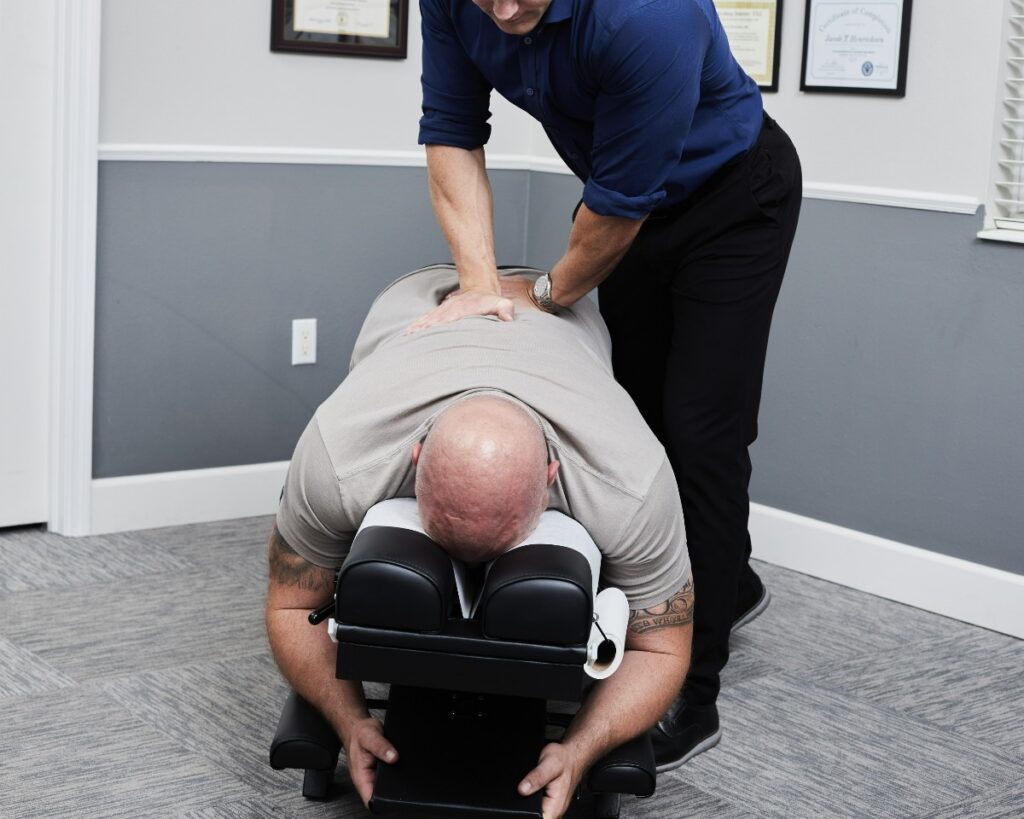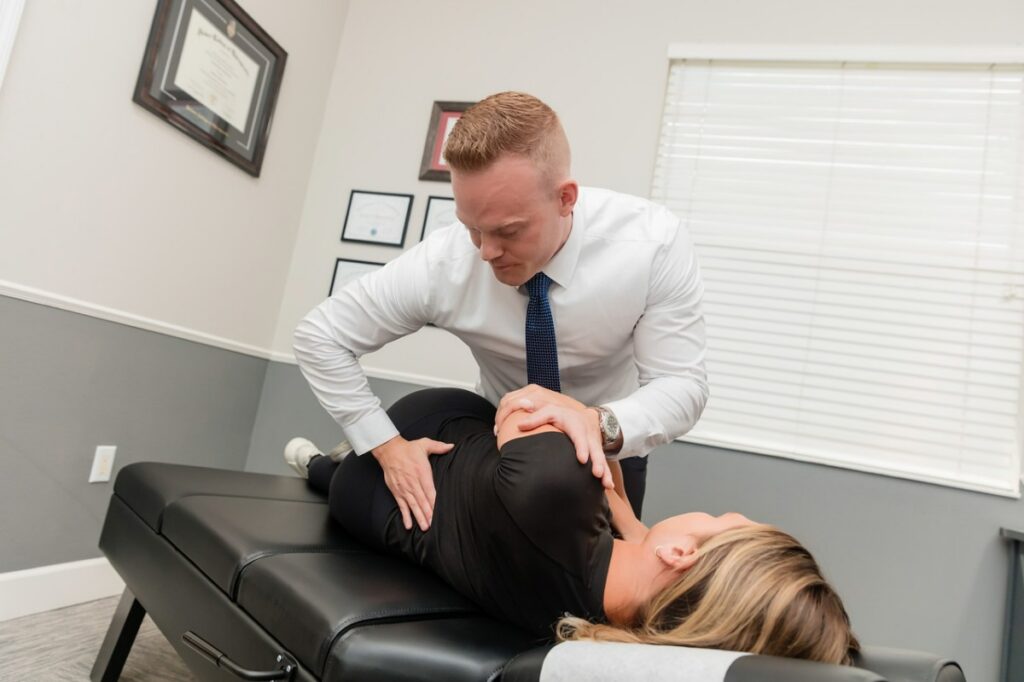

If you're experiencing sports-related back pain, it's crucial to explore effective relief strategies that can help you return to peak performance. As a local chiropractor, I want to share some insights into how natural healing can support your recovery. Incorporating a combination of stretching, strengthening exercises, and proper body mechanics can significantly enhance your well-being. For instance, the cat-cow stretch and various core strengthening exercises can not only ease your discomfort but also help prevent future injuries.
However, achieving lasting relief often extends beyond these exercises alone. It's essential to consider lifestyle modifications that promote overall spinal health and to develop an awareness of how your body moves. By being mindful of your posture and everyday activities, you can further safeguard your back. I encourage you to explore these strategies and to consult with a chiropractor, who can provide personalized guidance and support on your journey to a healthier, stronger back.
Understanding Back Pain in Athletes
As a local chiropractor, I often see athletes struggling with back pain, an issue that can be frustrating and debilitating. It's important to recognize that back pain isn't just a minor inconvenience; it can significantly affect your performance, training, and even your day-to-day activities.
When you're pushing your body to the limits, having a healthy spine is vital for optimal function. You may find that your back pain varies depending on the sport you engage in. For example, sports that involve repetitive bending and twisting movements can place extra strain on your back compared to others. This strain can lead to discomfort, making it challenging for you to perform at your best.
Additionally, the mental impact of chronic pain can be substantial, as it might distract you during crucial moments in your sport. Each athlete experiences back pain differently. Some may feel sharp, acute pain, while others may endure a dull, persistent ache. This variability can make it difficult to pinpoint the issue and seek the right treatment.
It's crucial to listen to your body; if you notice persistent pain, it's essential not to overlook it. Recognizing the signs of back pain early can help you take proactive measures before the problem worsens. Focusing on your posture, incorporating core-strengthening exercises, and adding flexibility training to your routine can all play a vital role in reducing the risk of back pain.
Common Causes of Sports-Related Back Pain
As a local chiropractor, I often see patients who experience sports-related back pain, and I want to share some insights to help you understand the common causes behind it.
One prevalent issue is improper technique during physical activities. Whether you're playing tennis or lifting weights, using the wrong form can place undue stress on your back, leading to pain and discomfort. It's crucial to learn the correct techniques to prevent these injuries.
Another significant factor is overuse. When athletes push their bodies too hard without allowing time for recovery, the muscles supporting the spine can become fatigued. This fatigue can manifest as soreness or acute pain, particularly after demanding training sessions or competitions. It's essential to listen to your body and give it the rest it needs.
Core strength is also vital in preventing back pain. Your core muscles play a crucial role in supporting your spine. If these muscles are weak, your back has to compensate, which can lead to strains and injuries. Incorporating core-strengthening exercises into your routine can help alleviate this risk.
Lack of flexibility is another contributor to back pain. Tight muscles, especially in areas like the hamstrings or hip flexors, can create tension in your pelvis and spine, causing discomfort.
Additionally, maintaining poor posture—whether during sports or in daily activities—can exacerbate these problems, putting extra strain on your back.
Lastly, let's not overlook age-related degeneration. As we age, our spine and discs naturally wear down, which can be worsened by sports that involve repetitive motions or heavy impacts. Understanding this process can help you take proactive steps to protect your back.
By being aware of these common causes, you can make informed choices to safeguard your back while enjoying your favorite sports.
If you're experiencing pain, consider visiting a chiropractor who can offer guidance and natural healing strategies tailored to your needs.
Effective Stretching Techniques
As a local chiropractor, I want to emphasize how incorporating effective stretching techniques into your daily routine can significantly help in reducing the risk of sports-related back pain. Stretching not only improves flexibility but also enhances blood circulation and prepares your muscles for any physical activity. Here are some essential stretches you should consider integrating into your regimen.
First, let's start with the cat-cow stretch, which is fantastic for spinal mobility. Begin on your hands and knees, ensuring your wrists are aligned under your shoulders and your knees under your hips. Inhale deeply as you arch your back, letting your belly drop towards the floor (this is the cow position). Then, as you exhale, round your back and tuck your chin to your chest (the cat position). Repeat this sequence for about 30 seconds to help relieve tension in your spine.
Next, I recommend trying the child's pose. From the hands-and-knees position, gently sit back on your heels and stretch your arms forward while lowering your chest toward the floor. Hold this comforting pose for 20 to 30 seconds and focus on breathing deeply to help relax your back muscles.
Another excellent stretch is the seated forward bend. Sit with your legs extended straight in front of you. Inhale, raising your arms overhead, and as you exhale, hinge at your hips to reach for your toes. It's important to keep your back straight during this stretch. Hold this position for 20 to 30 seconds to promote flexibility in your lower back.
Lastly, don't forget to include the standing hamstring stretch in your routine. Stand tall and place one foot on a low surface, ensuring that the leg remains straight. Lean forward slightly while keeping your back flat. Hold this position for 20 seconds on each side to help lengthen your hamstrings and alleviate tension in your lower back.
Strengthening Exercises for Prevention
As a local chiropractor, I want to emphasize the importance of building a strong core to help prevent sports-related back pain. Your core muscles—comprising the abdominals, obliques, and lower back—are crucial for stabilizing your spine during various physical activities.
By incorporating targeted strengthening exercises into your routine, you can enhance your core stability and significantly reduce your risk of injury.
Let's start with the plank exercise. To perform a plank, position yourself face down, resting on your forearms and toes, ensuring that your body forms a straight line from head to heels. Aim to hold this position for 20-30 seconds, gradually increasing the duration as your strength improves.
Planks engage your entire core and help promote stability and endurance.
Next, I recommend trying bridges. To do this exercise, lie on your back with your knees bent and your feet flat on the floor. Lift your hips off the ground by squeezing your glutes and engaging your core, holding the position for a few seconds before lowering back down.
Aim for 10-15 repetitions. Bridges specifically target the lower back and glutes, which are essential for supporting your spine.
Don't overlook the benefits of side planks. For this exercise, lie on your side and prop yourself up on one forearm, lifting your hips off the ground. Hold this position for 20-30 seconds on each side.
Side planks focus on the obliques and greatly enhance lateral stability, which is vital for overall core strength.
Finally, consider adding bird-dogs to your routine. Begin on all fours and extend one arm forward while simultaneously extending the opposite leg back. Hold this position briefly before switching sides.
Bird-dogs promote coordination and balance within your core muscles.
Incorporating these exercises into your regimen can't only strengthen your core but also support your overall spinal health.
As always, if you have any questions about how to perform these exercises correctly or how they fit into your chiropractic care plan, feel free to ask during your next visit!
Lifestyle Modifications for Pain Relief
As a local chiropractor, I want to share some important insights about managing sports-related back pain through lifestyle modifications. While strengthening your core is essential, there are several other key strategies that can significantly alleviate discomfort and support your overall health.
First and foremost, let's talk about posture. Whether you're sitting at a desk or actively engaged in sports, maintaining good posture is crucial. Proper alignment—keeping your shoulders back and your spine straight—can greatly reduce strain on your back. I encourage my patients to be mindful of their posture throughout the day.
Next, consider how you go about your daily activities. If you regularly carry heavy equipment or bags, it's vital to use proper lifting techniques. Remember to bend your knees and keep the load close to your body; this approach minimizes pressure on your back and helps prevent injuries.
Additionally, if you're engaged in prolonged activities, take frequent breaks to allow your muscles to rest and recover.
Incorporating flexibility and mobility exercises into your routine is another key aspect of pain management. Stretching not only enhances your range of motion but also helps prevent stiffness and injuries. I often recommend regular yoga sessions or gentle stretching exercises to keep your muscles flexible and ready for activity.
Your sleep environment also plays a significant role in your back health. Ensure that your mattress and pillow provide adequate support to maintain proper spinal alignment during the night. Quality sleep is essential for recovery and can significantly reduce pain levels.
Lastly, maintaining a healthy weight is important in managing back pain. Excess weight can place additional strain on your spine, so a balanced diet combined with regular exercise is beneficial.
By adopting these lifestyle changes, you can create a supportive environment for your back, helping to alleviate pain and enhance your athletic performance.
When to Seek Professional Help
As a local chiropractor, I want to share some important insights about sports-related back pain and when it's crucial to seek professional help. Many athletes and active individuals tend to push through discomfort, hoping it will simply go away on its own. However, ignoring persistent pain can lead to more serious complications down the road.
If you find that your back pain lingers for more than a few days, I encourage you to reach out to a healthcare professional. It's important to listen to your body. Symptoms such as severe pain that doesn't improve with rest or over-the-counter medications are red flags that shouldn't be ignored.
Additionally, if you experience any numbness, tingling, or weakness in your legs, it's essential to seek immediate medical attention. These signs can indicate nerve involvement, which requires prompt care to prevent further issues.
You should also be aware of other concerning symptoms. If your back pain is accompanied by fever, unexplained weight loss, or any loss of bladder or bowel control, please seek help right away. These may be indicators of a more serious underlying condition that needs urgent treatment.
Furthermore, if you notice that your performance in sports or daily activities is being impacted by pain, it's time to consult a professional like myself. Understanding the root cause of your discomfort is vital for effective recovery.
I offer specialized care that focuses on natural healing methods tailored to your specific needs, helping you return to your favorite activities as quickly and safely as possible. Your well-being is my priority, and together we can develop a comprehensive treatment plan to get you back on track.
Conclusion
As a local chiropractor, I want to emphasize the importance of a proactive approach to managing sports-related back pain. Incorporating effective stretching and strengthening exercises into your routine is crucial for reducing discomfort and preventing future issues. It's essential to listen to your body; practicing good posture and prioritizing rest and nutrition can significantly aid in your recovery. Remember, if your pain persists, seeking professional help is vital. Chiropractic care can provide natural healing and support, ensuring you can perform at your best and enjoy your favorite sports without the burden of back pain. Let's work together to help you achieve a pain-free, active lifestyle.