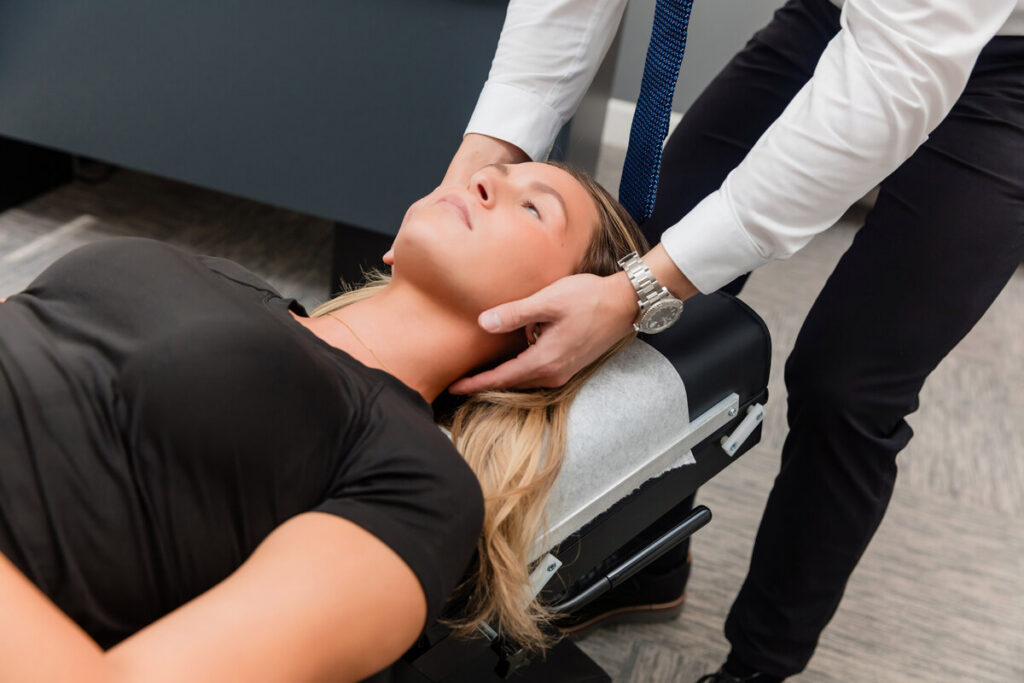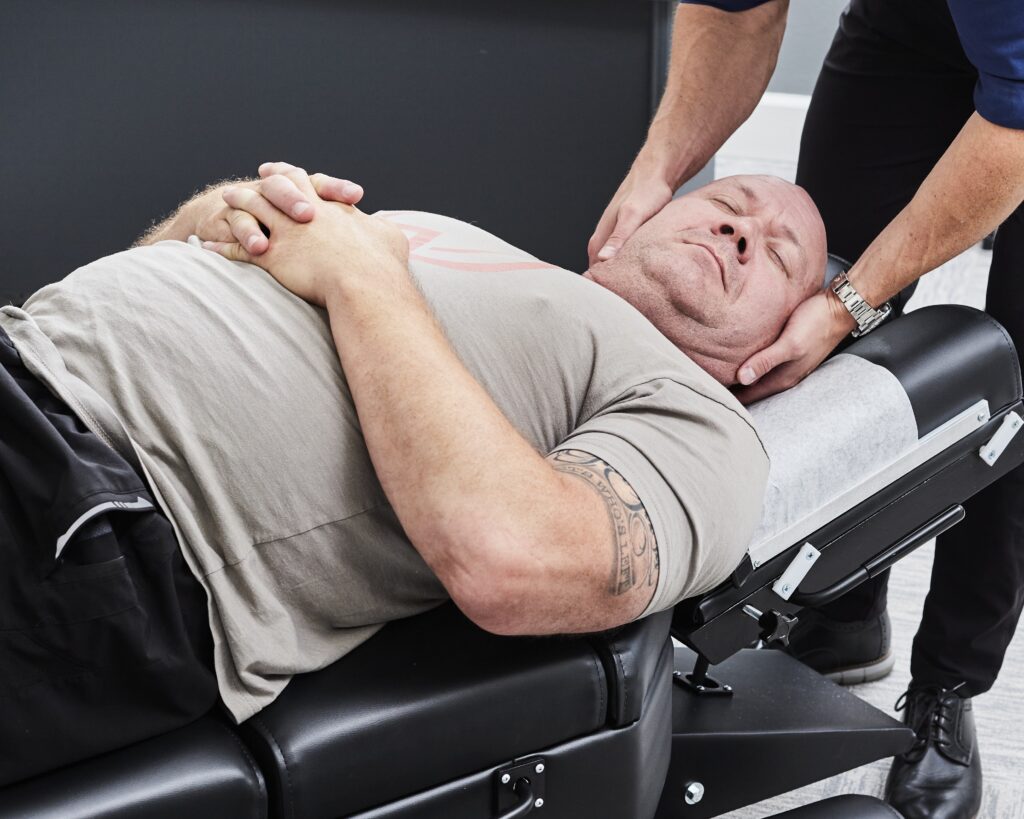

If you’re experiencing neck pain, know that you’re not alone—many people struggle with discomfort stemming from poor posture, stress, or repetitive movements. Fortunately, there are simple stretches that can provide significant relief and enhance your overall well-being. As a chiropractor, I believe that incorporating targeted exercises into your daily routine can be a natural and effective way to reduce tension and improve flexibility.
By focusing on your spine and neck health through these stretches, you’ll not only alleviate pain but also promote better alignment and function in your body. Here are some effective neck pain stretches that can transform how you feel each day, making it easier to enjoy your activities and live a healthier life.
- Neck Tilts: Sit or stand comfortably. Gently tilt your head to one side, bringing your ear toward your shoulder. Hold for 15-30 seconds, then switch sides. This stretch helps release tension in the muscles around your neck.
- Chin Tucks: While sitting or standing, gently tuck your chin towards your chest, as if trying to create a double chin. Hold for 5 seconds and repeat 10 times. This exercise strengthens the neck muscles and promotes better posture.
- Shoulder Shrugs: Raise your shoulders up towards your ears and then relax them down. Repeat this motion 10 times. Shoulder shrugs can help relieve tension in the upper back and neck.
- Neck Rotations: Slowly rotate your head from side to side, looking over each shoulder. Do this for 15-30 seconds. This stretch increases mobility in your neck and reduces stiffness.
In addition to these stretches, remember to maintain good posture throughout your day. Keep your computer screen at eye level, take breaks to move around if you sit for long periods, and be mindful of how you hold your phone.
Chiropractic care is an excellent choice for achieving optimal health and addressing neck pain naturally. Regular adjustments can help realign your spine, reduce discomfort, and enhance your body’s ability to heal itself. By combining chiropractic treatments with these simple stretches, you can create a powerful approach to lasting relief and improved wellness.
Take charge of your health today by incorporating these techniques into your routine, and consider visiting a chiropractor to explore how personalized care can support your journey towards a pain-free life.
Key Takeaways
- Start by performing gentle neck tilts. Simply bring your ear toward your shoulder to help relieve tension in your neck. Hold this position for 15-30 seconds on each side. This simple movement can make a big difference in how your neck feels.
- Incorporate chin tucks into your routine by gently tucking your chin toward your chest. This exercise helps align your spine and supports better posture. Hold for 5-10 seconds and repeat as needed. It’s a great way to reset your neck position throughout the day.
- Engage in neck rotations by slowly turning your head to look over each shoulder. Hold for 15-30 seconds on each side to enhance mobility. This will not only help relieve tension but also improve your range of motion.
- Don’t forget about shoulder shrugs! Strengthening your upper trapezius muscles can alleviate neck tension. Simply lift your shoulders toward your ears and then roll them back. Repeat this a few times to help release built-up stress in your neck and shoulders.
- Regularly practicing these stretches can significantly improve your flexibility, reduce discomfort, and prevent future neck issues. Remember, chiropractic care is a wonderful way to support your overall health and wellness journey. By focusing on natural healing and maintaining a healthy spine, you can achieve lasting relief and enhance your quality of life. Always listen to your body, and don’t hesitate to reach out to a chiropractor for personalized guidance tailored to your needs.
Understanding Neck Pain: Causes and Symptoms
When you experience neck pain, it’s important to understand its potential causes and symptoms, as well as how chiropractic care can help. Neck pain can stem from various factors, such as poor posture, muscle strain, or even an injury. For instance, you might feel discomfort after spending long hours at your desk or looking down at your phone.
Stress and tension can also play a significant role, causing your muscles to tighten and leading to pain.
Symptoms of neck pain can vary from a dull ache to sharp pains that may radiate down your arms. You might also experience stiffness, making it difficult to turn your head. In some cases, neck pain can come with headaches or tingling sensations in your fingers.
Recognizing these signs early is key to addressing the issue effectively. Chiropractic care is an excellent option for relieving neck pain and promoting overall wellness. Chiropractors focus on spinal health, using gentle adjustments to realign the spine and relieve tension in the neck and surrounding muscles.
This natural approach not only alleviates pain but also helps improve your overall mobility and well-being.
To take care of your neck health, consider these general tips:
- Maintain good posture by keeping your shoulders back and your head aligned with your spine.
- Take regular breaks when working at a desk or using your phone to stretch and move around.
- Practice stress-relief techniques, such as deep breathing or gentle yoga, to reduce muscle tension.
- Stay active with regular exercise to strengthen your neck and back muscles.
If you’re experiencing persistent neck pain, don’t hesitate to reach out for chiropractic care. Understanding these elements is the first step toward finding relief and achieving optimal health through natural healing.
The Importance of Stretching for Neck Health
Stretching plays a vital role in maintaining neck health, and as a chiropractor, I want to emphasize just how beneficial it can be for you. Regular stretching enhances flexibility and mobility, making it easier to perform everyday activities without discomfort. When you stretch, you help reduce muscle tension, which can often lead to pain and stiffness.
Incorporating neck stretches into your routine is a simple yet effective way to promote natural healing and wellness. By prioritizing these stretches, you’re not just addressing immediate discomfort but also working to prevent future issues. A well-stretched neck supports your spine’s alignment and can enhance your overall health.
Here are a few easy stretches you can try at home:
- Neck Tilts: Gently tilt your head to one side, bringing your ear toward your shoulder. Hold for 15-30 seconds, then switch sides. This helps relieve tension in the muscles on the sides of your neck.
- Neck Rotations: Slowly turn your head to one side until you feel a gentle stretch. Hold for 15-30 seconds, then rotate to the other side. This promotes mobility and flexibility.
- Chin Tucks: Sit or stand up straight, then gently tuck your chin in towards your chest. Hold for a few seconds, then relax. This helps improve posture and reduces strain on your neck.
Remember, regular chiropractic care is an excellent way to support your neck health. A chiropractor can provide personalized adjustments and guidance tailored to your specific needs, ensuring your spine and neck are functioning optimally.
Enhances Flexibility and Mobility
To maintain a healthy neck and enhance your overall well-being, prioritizing flexibility and mobility is essential. Regular neck stretching can play a significant role in this process. By incorporating simple neck stretches into your daily routine, you can improve your range of motion, making everyday activities much easier.
Gentle movements such as neck tilts and rotations not only enhance your mobility but also allow you to turn your head with greater ease and comfort. This increased flexibility helps prevent stiffness and discomfort, giving you the freedom to move during your daily activities and physical pursuits.
Moreover, a flexible neck supports better posture, which is crucial for reducing strain on your muscles and joints. When your spine is aligned and your muscles are relaxed, you’re less likely to experience pain and tension.
As a chiropractor, I encourage you to take just a few minutes each day to stretch your neck. Simple exercises can make a world of difference in how you move and feel.
Remember, chiropractic care can provide you with tailored guidance to ensure your neck and spine are functioning optimally, leading to a more active, pain-free lifestyle.
Reduces Muscle Tension
While you may not realize it, tight muscles in your neck can lead to considerable discomfort and tension. As a chiropractor, I want to emphasize the importance of addressing this issue through natural methods like stretching. It plays a vital role in alleviating muscle strain, promoting relaxation, and supporting overall neck health.
Here’s how stretching can help you reduce muscle tension:
- Improves Blood Flow: Gentle stretches can boost circulation in your neck, ensuring that more oxygen and nutrients reach your muscles. This can help them recover and function better.
- Enhances Range of Motion: Incorporating regular stretching into your routine helps maintain flexibility. This allows for smoother movement, reduces stiffness, and can enhance your overall mobility.
- Relieves Stress: Stretching doesn’t just benefit your muscles; it can also help release endorphins, which are your body’s natural pain relievers. This can significantly lower stress levels and alleviate tension in your neck.
As part of a broader approach to health and wellness, I encourage you to incorporate these stretches into your daily routine. This can lead to noticeable improvements in your neck health and overall well-being.
Gentle Neck Stretches to Start Your Routine
Starting your day with gentle neck stretches can significantly alleviate tension and enhance flexibility, setting a positive tone for your health and wellness. As a chiropractor, I often emphasize the importance of maintaining spinal health, and these simple stretches can play a crucial role in that.
Begin your routine by slowly tilting your head to the right, bringing your ear toward your shoulder. Hold this position for 15-30 seconds to allow the muscles on the side of your neck to relax. Then, switch to the left side and repeat. This stretch not only feels good but also helps to improve your range of motion.
Next, gently rotate your head in a circular motion. Start with clockwise circles, then switch to counterclockwise. This movement helps release any tightness in your neck and encourages better blood flow to the area. It’s a simple yet effective way to keep your cervical spine healthy.
You can also practice chin tucks by tucking your chin toward your chest and holding for a few seconds. This exercise strengthens your neck muscles and promotes better posture, which is vital for overall spinal health.
Lastly, looking over your right shoulder and holding for a moment before switching to the left can further enhance your neck’s flexibility. These stretches not only alleviate discomfort but also support your body’s natural healing processes.
Incorporating these gentle neck stretches into your morning routine can significantly benefit your overall well-being.
Seated Neck Stretches for Office Workers
If you find yourself spending long hours at your desk, you’re likely familiar with how neck pain can sneak up on you. As a local chiropractor, I want to share some simple seated neck stretches that can help relieve tension and enhance your comfort while working. Incorporating these stretches into your daily routine can be a powerful way to support your spinal health and overall well-being.
Here are a few effective seated neck stretches you can do right at your desk:
- Neck Tilt: While sitting up straight, gently tilt your head to one side, bringing your ear toward your shoulder. Hold for 15-30 seconds, feeling the stretch along the opposite side of your neck. Repeat on the other side.
- Chin Tuck: Sit up tall and gently tuck your chin toward your chest without bending forward. This stretch helps to strengthen the muscles that support your neck and can alleviate strain. Hold for 5-10 seconds.
- Neck Rotation: Slowly turn your head to one side, looking over your shoulder. Hold for 15-30 seconds and then switch to the other side. This movement can help improve your neck’s range of motion.
- Shoulder Shrugs: Lift your shoulders up towards your ears and then roll them back and down. Repeat this several times to relieve tension in your shoulders and neck.
In addition to these stretches, it’s essential to ensure that your workspace is ergonomically set up. Your chair, desk, and computer should be arranged to promote good posture and minimize strain on your body.
Simple adjustments, such as using a chair with proper lumbar support and positioning your monitor at eye level, can significantly reduce neck pain.
Remember, chiropractic care is an excellent option for addressing neck pain and promoting natural healing. Regular visits to a chiropractor can help ensure your spine is aligned and functioning optimally, which is key to achieving lasting pain relief and overall wellness.
If you’re experiencing persistent neck pain, don’t hesitate to reach out to a chiropractor who can provide personalized care tailored to your needs. Taking proactive steps today can lead to a healthier, more comfortable tomorrow!
Simple Seated Exercises
As a chiropractor, I understand that spending long hours at your desk can lead to tension in your neck, which not only causes discomfort but can also hinder your productivity.
The good news is that there are simple seated exercises you can incorporate into your routine to relieve that tension and promote better spinal health. Here are three effective stretches that can help:
- Neck Tilt: Sit up straight in your chair, ensuring your back is supported. Gently tilt your head to one side, bringing your ear towards your shoulder. This stretch helps to release tension in the neck muscles. Hold this position for 15-30 seconds, then switch sides. Remember, maintaining good posture while doing this is essential for spinal health.
- Neck Rotation: Slowly turn your head to the right, looking over your shoulder. This movement helps improve flexibility and can alleviate stiffness in the neck. Hold for 15-30 seconds, then repeat on the left side. Regular neck rotations can contribute to better spinal alignment and overall comfort.
- Shoulder Shrugs: Lift your shoulders towards your ears and hold for a few seconds before releasing. This exercise helps to relax tight muscles in the shoulder area. Repeat this motion 5-10 times. Incorporating shoulder shrugs into your daily routine can further enhance your posture and reduce tension.
Remember, these quick exercises not only provide significant relief but also support your spinal health, allowing you to stay focused throughout your workday.
If you’re experiencing ongoing discomfort, chiropractic care is a natural and effective way to address the root cause of your pain, enhance your well-being, and achieve optimal health.
Consider making an appointment with your local chiropractor to explore personalized strategies for pain relief and wellness.
Ergonomic Desk Setup Tips
Creating an ergonomic desk setup is essential for maintaining your spinal health and enhancing your overall comfort while working. As a chiropractor, I often see the effects of poor posture and desk ergonomics on my patients. By making a few adjustments, you can significantly reduce your risk of pain and discomfort.
Start by ensuring your chair is set up correctly. Your feet should rest flat on the floor, and your knees should form a 90-degree angle. This position helps to support your lower back, which is crucial for good posture. Consider using a chair that offers good lumbar support to keep your spine aligned.
Next, position your monitor at eye level, about an arm’s length away. This can help prevent neck strain, which is common when people look down or up at their screens. Your keyboard and mouse should be at elbow height, allowing your arms to rest comfortably by your sides.
Incorporating regular breaks into your routine is also vital. I recommend taking a moment every hour to stand up, stretch, and move around. Simple neck stretches, like gently tilting your head side to side and forward, can relieve tension and promote better spinal health.
Remember, a well-designed workspace not only improves your efficiency but also supports your overall well-being.
Chiropractic care is an excellent choice for achieving and maintaining optimal health, as it focuses on the natural alignment of your spine and the body’s ability to heal itself. By integrating these ergonomic tips into your daily routine, you’ll be taking a significant step towards a healthier, pain-free life.
Standing Neck Stretches for Improved Posture
While many people may not realize it, neck stretches play a crucial role in maintaining a healthy spine and improving your overall posture. As a chiropractor, I encourage patients to incorporate standing neck stretches into their daily routines. These stretches not only help relieve tension but also promote better spinal alignment, which is essential for optimal health.
Here are three effective stretches you can do anytime, anywhere:
- Neck Tilt: Stand tall and gently tilt your head to one side, bringing your ear toward your shoulder. This stretch helps to release tightness in the muscles supporting your neck. Hold for 15-30 seconds, then switch sides. Remember to breathe deeply throughout the stretch.
- Neck Rotation: Keeping your shoulders relaxed, slowly turn your head to one side, looking over your shoulder. This movement encourages flexibility in the cervical spine and can help improve your range of motion. Hold for 15-30 seconds before switching sides.
- Chin Tuck: Stand straight and gently pull your chin back toward your neck, creating a double chin. This stretch is excellent for counteracting forward head posture, which is common in our tech-driven world. Hold for a few seconds, then release. Repeat this movement 5-10 times.
Incorporating these simple standing neck stretches into your daily life can significantly enhance your posture and alleviate discomfort.
Remember, chiropractic care is a fantastic way to support your spine’s health and address any pain you may be experiencing. By making these stretches a part of your routine, you’re taking an important step toward a healthier, more aligned body.
Always consult with your chiropractor for personalized advice on how to optimize your spinal health and overall wellness.
Strengthening Exercises for Neck Support
To maintain a strong and supportive neck, incorporating some simple strengthening exercises into your routine can make a significant difference. As a local chiropractor, I believe that these exercises not only help to alleviate discomfort but also enhance your overall neck health and resilience.
Start with neck isometric exercises. Gently press your head against your palms or a wall without moving your head. This technique helps build stability and strength in the neck muscles, which is crucial for supporting your head and maintaining good posture.
Next, try chin tucks. Whether you’re sitting or standing, sit tall and gently tuck your chin towards your chest. Hold this position for a few seconds. This exercise strengthens the muscles that stabilize your head and can improve your posture, which is vital for spinal health.
Shoulder shrugs are another great exercise to include. Simply raise your shoulders towards your ears and hold for a moment before releasing. This movement strengthens the upper trapezius muscles, helping to alleviate tension and discomfort in the neck area.
Lastly, consider incorporating resistance band exercises into your routine. Anchor a resistance band at head height, grasp it with one hand, and gently pull your head sideways against the resistance. This exercise not only strengthens the neck but also promotes flexibility.
Remember, these exercises can be a great complement to regular chiropractic care. Chiropractic adjustments can help realign your spine and relieve any tension in your muscles, enhancing the benefits of your strengthening exercises.
Focus on practicing these movements consistently, and you’ll likely notice improvements in your neck support and overall well-being. Embrace these natural methods for pain relief and optimal health!
Foam Roller Techniques for Neck Relief
Foam rolling can be a game changer for relieving neck pain and tension, and while it’s a great tool, it’s essential to remember that chiropractic care is the most effective way to achieve lasting relief and optimal health.
As a chiropractor, I understand how important it’s to address not just the symptoms but the underlying causes of neck discomfort.
When using a foam roller, you can target tight areas in the neck and upper back, but always prioritize safety and listen to your body. It’s essential to combine foam rolling with regular chiropractic adjustments to ensure proper spinal alignment and overall well-being.
Here are some effective techniques and tips to enhance your foam rolling experience while keeping chiropractic care at the forefront of your wellness journey:
- Choose the Right Roller: Use a medium-density foam roller. A too-soft roller may not provide enough pressure, while a too-firm one can cause discomfort.
- Focus on the Upper Back: Instead of rolling directly on your neck, target the upper back (thoracic spine) to release tension that often contributes to neck pain. Lie back on the roller and gently roll from the mid-back to the upper back.
- Gentle Neck Stretches: After foam rolling, incorporate gentle neck stretches. Tilt your head side to side and forward and backward to maintain flexibility.
- Stay Hydrated: Drink plenty of water before and after foam rolling. Hydration helps keep your muscles pliable and supports overall spinal health.
- Consistency is Key: Make foam rolling a regular part of your wellness routine, but don’t forget to complement it with chiropractic care for the best results.
- Listen to Your Body: If you experience any sharp pain or discomfort while foam rolling, stop immediately. Always consult with your chiropractor about any concerns.
Remember, while foam rolling can provide temporary relief, regular chiropractic adjustments are crucial for maintaining spinal health and preventing future neck pain.
Benefits of Foam Rolling
Many individuals experience relief from neck pain through foam rolling, a straightforward yet effective technique that addresses muscle tightness and tension.
While foam rolling can provide temporary benefits, it’s essential to understand that chiropractic care offers the most comprehensive approach to achieving long-term relief and overall wellness.
Here are some key benefits of foam rolling for your neck, along with tips on how to integrate it into a holistic health routine:
1. Increased Blood Flow: Foam rolling can help improve circulation to the neck muscles, allowing essential nutrients to reach them and supporting recovery.
However, to truly enhance your blood flow and promote healing, consider regular chiropractic adjustments, which align your spine and improve overall circulation throughout your body.
2. Enhanced Flexibility: Using a foam roller can help increase your neck’s range of motion, making daily activities more comfortable.
For optimal flexibility and mobility, incorporating chiropractic care can address any underlying spinal misalignments that may be contributing to your neck discomfort.
3. Stress Relief: The self-myofascial release technique of foam rolling promotes relaxation and can help alleviate tension.
Complement this practice with chiropractic adjustments, which not only relieve muscle tension but also address the nervous system, leading to greater overall relaxation and stress reduction.
General Tips:
- When foam rolling, take your time and listen to your body. Spend extra time on areas that feel particularly tight, but avoid rolling directly over bony areas or joints.
- Combine foam rolling with gentle neck stretches to enhance its effectiveness.
- Regular visits to your chiropractor can help maintain the benefits of foam rolling and ensure your spine is aligned, further supporting your neck health.
Remember, while foam rolling can be a helpful addition to your self-care routine, chiropractic care remains the best choice for achieving lasting pain relief and promoting natural wellness.
Embrace a holistic approach to health, and consider scheduling an appointment with your local chiropractor to take your wellness journey to the next level.
Effective Rolling Techniques
Integrating effective rolling techniques into your neck relief routine can significantly enhance your overall wellness and support your chiropractic care.
Begin by lying on your back with a foam roller positioned under your upper back, just below the neck. Gently roll back and forth, allowing the roller to soothe tight muscles. Pay special attention to areas that feel particularly tense, as these are often where discomfort can arise.
Next, transition to your side and place the roller under your shoulder, rolling gently toward your neck. This movement is particularly beneficial for releasing tension in the upper trapezius, which is often a source of discomfort.
Additionally, you can utilize a wall by placing the roller against it and leaning into it to target specific tight spots.
As you practice these techniques, remember to take deep breaths. This not only helps promote relaxation but also enhances the effectiveness of the rolling.
Incorporating these techniques regularly into your routine can lead to maximum neck relief and improved flexibility, complementing the benefits of chiropractic care.
By focusing on natural methods like these, you empower your body to heal itself and maintain optimal health.
Remember, chiropractic care is a fantastic resource for achieving pain relief and promoting overall wellness.
Safety Precautions to Consider
When using a foam roller for neck relief, it’s essential to prioritize safety to ensure you’re supporting your overall health and wellness. Here are three key tips for a safe and effective experience:
- Start Slow: Begin your foam rolling gently. Allow your neck muscles to adjust to the pressure before gradually increasing intensity. This approach helps your body adapt and reduces the risk of strain.
- Listen to Your Body: Always be mindful of how your body feels during the process. If you experience discomfort or pain, it’s crucial to stop immediately and reassess your technique. Remember, your comfort is paramount, and if something doesn’t feel right, don’t hesitate to adjust your method.
- Avoid Direct Pressure on the Spine: Focus on the surrounding muscles of your neck rather than rolling directly over the spine itself. This technique helps prevent unnecessary strain and supports your spine’s natural alignment, promoting better overall health.
Incorporating these practices can enhance your self-care routine, but don’t forget that regular visits to your chiropractor can provide additional support for neck pain relief and overall wellness.
Chiropractic care is designed to ensure your body functions optimally, offering a natural approach to health without the need for medications or invasive procedures.
Take charge of your health today by exploring the benefits of chiropractic care alongside your foam rolling routine!
Incorporating Breathing Techniques With Stretches
Breathing techniques can significantly enhance the effectiveness of neck pain stretches, allowing you to relax and fully engage with the movements. By synchronizing your breath with each stretch, you not only deepen your relaxation but also improve your range of motion. This is especially important for maintaining spinal health and overall wellness. Here’s a simple guide to help you incorporate effective breathing techniques while stretching:
| Breathing Technique | How to Incorporate |
|---|---|
| Diaphragmatic Breathing | Inhale deeply through your nose, expanding your abdomen to promote oxygen flow. Exhale slowly through your mouth, releasing tension. |
| 4-7-8 Breathing | Inhale for 4 seconds, hold for 7 seconds, and then exhale slowly for 8 seconds. Repeat this pattern during your stretches to relax your body and mind. |
| Box Breathing | Inhale for 4 seconds, hold for 4 seconds, exhale for 4 seconds, and hold again for 4 seconds. This technique is excellent for calming nerves and can be particularly helpful if you’re feeling anxious about your pain. |
| Resonant Breathing | Inhale for 5 seconds, then exhale while making a gentle humming sound for 5 seconds. This can help soothe your nervous system and enhance relaxation. |
Incorporating these breathing techniques into your stretching routine can transform your experience, making it more effective and enjoyable. Remember, when you focus on your breath, you not only promote relaxation but also support your body’s natural healing processes.
As a chiropractor, I encourage you to explore these techniques as part of your journey towards optimal health and wellness. By working on your flexibility and incorporating mindful breathing, you’re taking proactive steps to maintain a healthy spine and alleviate discomfort naturally. Embrace these practices, and feel free to reach out for more personalized advice on how chiropractic care can support your path to pain relief and overall well-being.
Tips for Maintaining Neck Health Daily
Taking care of your neck health is crucial for your overall well-being, especially if you find yourself spending long hours at a desk or looking down at your phone.
As a local chiropractor, I want to share some practical tips to help you maintain a healthy neck and promote natural healing through chiropractic care:
1. Practice Good Posture: It’s important to be mindful of your posture throughout the day. When sitting or standing, keep your shoulders back and your head aligned over your spine. This alignment helps reduce strain on your neck muscles and can prevent discomfort.
If you’re unsure about your posture, consider visiting a chiropractor for a spinal assessment.
2. Take Frequent Breaks: Remember to give your neck a break! Set a timer to remind yourself to take a break every 30 minutes. Stand up, stretch your arms and neck, and move around.
Gentle stretches can relieve tension and improve circulation, enhancing your overall neck health.
3. Stay Hydrated: Keeping your body well-hydrated is essential for maintaining healthy spinal discs and muscle elasticity. Make it a habit to drink plenty of water throughout the day.
Proper hydration supports your spine and can help prevent stiffness and discomfort.
Incorporating these simple tips into your daily routine can help you maintain a healthy neck and improve your overall quality of life.
If you experience persistent neck pain, consider scheduling a visit with a chiropractor. Chiropractic care is a safe, natural approach to pain relief and can help you achieve optimal health without the need for medications or surgery.
Take charge of your neck health today!
When to Seek Professional Help for Neck Pain
How can you tell if your neck pain needs professional attention? If your discomfort lasts more than a week despite trying at-home remedies, it’s a good idea to consult with a chiropractor.
Keep an eye out for symptoms such as numbness, tingling, or weakness in your arms or hands, as these may indicate nerve involvement that could benefit from chiropractic care.
If you start experiencing severe headaches, fever, or unexplained weight loss along with your neck pain, don’t wait to get help. These signs can be serious, and a chiropractor can assess your condition to determine the best course of action.
Additionally, if your neck pain follows an injury or accident, seeking a professional evaluation is crucial to ensure your spine and nervous system are functioning optimally.
Remember, chiropractic care focuses on natural healing and promoting overall wellness. Regular chiropractic adjustments can help alleviate neck pain and prevent future issues by addressing the root causes rather than just masking symptoms.
Staying active, maintaining good posture, and incorporating gentle stretches into your routine can also support neck health. If you’re uncertain about your neck pain, reach out to a chiropractor; they can guide you on the path to recovery and optimal health.
Conclusion
Incorporating these proven neck pain stretches into your daily routine can greatly enhance your comfort and mobility. Just a few minutes each day dedicated to these techniques can help alleviate tension, improve your posture, and support your long-term neck health. Remember, consistency is key to seeing lasting results.
However, it’s important to understand that while stretching can provide relief, the best way to address the underlying causes of neck pain is through chiropractic care. A chiropractor can assess your spine, provide personalized treatment, and guide you on the best practices for maintaining a healthy neck. If your pain persists, don’t hesitate to reach out to a chiropractic professional. Your neck deserves the gentle, effective care that chiropractic offers to keep you feeling your best!
For added support, here are some general tips to enhance your neck health:
- Stay Hydrated: Drinking plenty of water can help maintain the health of your spinal discs.
- Maintain Good Posture: Be mindful of your posture, especially when sitting for long periods. Your ears should align with your shoulders, and your back should be straight.
- Take Breaks: If you work at a desk, take regular breaks to stretch and move around to avoid stiffness.
- Sleep Smart: Use a supportive pillow that keeps your neck in a neutral position while you sleep.
By adopting these habits and seeking chiropractic care, you can achieve optimal health and enjoy a pain-free life!