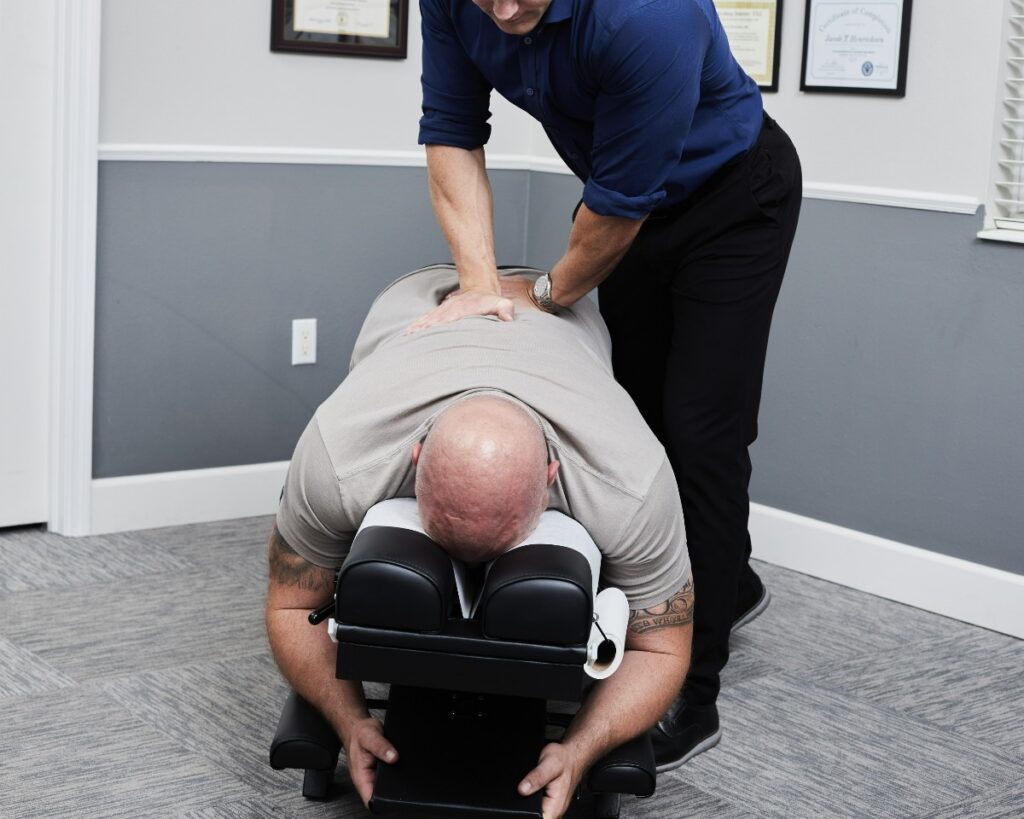
If you’ve recently experienced a whiplash injury, understanding the best recovery strategies is crucial for your healing journey. As a local chiropractor, I want to emphasize the importance of early diagnosis and personalized treatment plans, which can significantly impact your recovery process. Chiropractic care is a natural, effective option to help ease pain and promote healing without the need for medications or invasive procedures.
So, what specific steps can you take to ensure a thorough recovery? Here are some practical strategies:
- Chiropractic Adjustments: Regular visits to a chiropractor can help realign your spine and alleviate pressure on your nervous system, promoting better healing and pain relief.
- Gentle Stretching and Exercise: Incorporating gentle neck stretches and low-impact exercises can maintain mobility and strengthen the surrounding muscles. Always consult your chiropractor for tailored exercises that suit your recovery.
- Hot and Cold Therapy: Applying heat or cold packs can help reduce inflammation and soothe muscle tension. Use cold therapy in the first few days after the injury, followed by heat to promote blood flow and healing.
- Maintain Good Posture: Being mindful of your posture while sitting, standing, or sleeping can prevent additional strain on your neck. Your chiropractor can provide guidance on maintaining proper alignment.
- Stay Hydrated and Nourished: Drinking plenty of water and consuming a balanced diet rich in anti-inflammatory foods can support your body’s healing process.
- Listen to Your Body: Pay attention to how your body responds to different activities and adjust accordingly. If something causes discomfort, it’s essential to modify your approach.
- Regular Follow-ups: Consistent check-ins with your chiropractor will ensure that you’re on the right track and allow for adjustments to your recovery plan as needed.
By focusing on these natural healing strategies and prioritizing chiropractic care, you can set yourself on a path toward optimal health and a complete recovery from whiplash. Remember, the journey to wellness is a gradual process, and with the right support, you can achieve lasting relief and improved well-being.
Key Takeaways
- Start your recovery journey with an early diagnosis and assessment to pinpoint your whiplash symptoms. This helps in creating a personalized recovery plan that works best for you.
- Incorporate gentle movements into your routine, like stretching and walking. These activities help reduce stiffness and encourage healing, making you feel better faster.
- Consider chiropractic adjustments and therapeutic exercises as essential components of your recovery. They not only help restore proper alignment but also strengthen your neck muscles for better support and function.
- Manage pain naturally by using heat and cold therapy, alongside mindfulness practices. These techniques can effectively alleviate discomfort without the need for medications.
- Focus on maintaining good posture, staying active, and nourishing your body with a balanced diet. These habits are crucial for long-term recovery and can help prevent future injuries. Remember, chiropractic care is a natural and effective way to support your overall health and wellness!
Understanding Whiplash Injuries
When you experience a whiplash injury, it’s important to understand what’s happening to your body and how you can take steps toward healing. Whiplash commonly occurs when your head is suddenly jerked back and forth, often as a result of a car accident. This rapid motion can put a strain on the muscles and ligaments in your neck, leading to pain and stiffness.
Along with neck discomfort, you might also notice headaches, dizziness, or difficulty concentrating as your body responds to the trauma. It’s essential to listen to your body; symptoms can sometimes develop hours or even days after the incident, so don’t overlook any lingering pain.
The injury can also impact your cervical spine, causing inflammation and discomfort. You may feel tension in your shoulders or notice a reduced range of motion. This is where chiropractic care comes into play. A chiropractor can help alleviate your pain through gentle adjustments and therapies, promoting natural healing and restoring mobility.
Here are some general tips to support your recovery:
- Stay Active: Gentle movement can help reduce stiffness. Consider light stretching or walking to keep your body moving without overexerting yourself.
- Apply Heat or Ice: Using a warm compress or ice pack can help alleviate pain and inflammation. Try applying heat to relax tight muscles or ice to reduce swelling.
- Maintain Good Posture: Pay attention to your posture, especially when sitting at a desk or using your phone. Proper alignment can help relieve strain on your neck.
- Stay Hydrated: Drinking plenty of water supports overall health and can help your body recover more effectively.
- Seek Chiropractic Care: Regular visits to a chiropractor can provide you with personalized care tailored to your needs. They can help realign your spine, relieve tension, and promote healing naturally.
Importance of Early Diagnosis
Early diagnosis of whiplash is crucial for your recovery, and as a local chiropractor, I want to emphasize how important it’s to address any symptoms as soon as they arise. By recognizing these signs early on, you can ensure that you receive an accurate assessment of your injury and develop a personalized treatment plan that focuses on natural healing.
Chiropractic care is an excellent choice for treating whiplash because it promotes healing without the need for surgeries or medications. Through gentle adjustments and targeted therapies, we can help align your spine, reduce pain, and restore your body’s natural function.
This proactive approach not only accelerates your healing but also significantly lowers the risk of long-term complications.
Here are some general tips to help you manage whiplash and promote overall wellness:
- Stay Active: Engage in gentle movements and stretches. Light activity can help keep your muscles strong and flexible.
- Apply Heat or Cold: Alternating between heat and cold packs can reduce inflammation and improve circulation, aiding in your recovery.
- Good Posture: Maintaining proper posture, especially when sitting or working at a desk, can help alleviate strain on your neck and spine.
- Hydration: Drinking plenty of water supports your body’s healing processes and helps maintain the health of your spinal discs.
- Consider Chiropractic Adjustments: Regular visits to a chiropractor can help restore balance to your spine and promote overall wellness.
Immediate Symptom Identification
How quickly can you spot the signs of whiplash? Recognizing symptoms early can significantly enhance your recovery process. Common signs include neck pain, stiffness, and headaches. If you experience any of these symptoms following an accident, it’s crucial to act promptly.
Here’s a handy reference table to help you identify symptoms:
| Symptom | Description | Action Needed |
|---|---|---|
| Neck Pain | Discomfort or soreness | Visit your chiropractor for an assessment and relief |
| Stiffness | Reduced range of motion | Rest, followed by gentle stretching, and schedule a chiropractic session |
| Headaches | Persistent or severe pain | Consult your chiropractor for natural pain relief techniques |
| Dizziness | Lightheadedness or balance issues | Seek immediate evaluation from a chiropractic professional |
| Fatigue | Unusual tiredness | Monitor symptoms closely and consider chiropractic care to restore balance |
Recognizing these symptoms early allows for better management of your recovery. Chiropractic care is an excellent choice for addressing these issues naturally, helping to relieve pain and promote overall wellness. By focusing on spinal health and proper alignment, you can enhance your body’s ability to heal itself.
If you’re experiencing any of these symptoms, don’t hesitate to reach out to a chiropractor. They can provide you with personalized care and guidance, ensuring you get back to feeling your best as quickly as possible. Remember, taking care of your spine is vital to your overall health!
Accurate Injury Assessment
Accurate injury assessment is vital for your recovery from whiplash and can significantly influence your path to wellness. Understanding the extent of your injury is the first step in creating a personalized treatment plan that aligns with your body’s natural healing processes. By seeking a thorough evaluation from a chiropractor, you can gain insights into your specific symptoms and any underlying issues that may be contributing to your discomfort.
Chiropractors are skilled in conducting comprehensive physical examinations and utilizing non-invasive diagnostic tools to assess your condition. This clarity is crucial as it helps avoid complications down the road and ensures that you receive targeted care right from the start. When you have a clear understanding of the severity of your injury, you can make informed decisions about your recovery journey.
One of the best things you can do is to prioritize chiropractic care, which focuses on restoring alignment and function to your spine. This natural approach not only addresses pain relief but also promotes overall wellness. Remember, your body has an incredible ability to heal itself when it’s properly supported.
Here are some general tips to help you on your journey to recovery:
- Stay Active: Gentle movement can help maintain flexibility and prevent stiffness. Consider incorporating light stretching or walking into your daily routine.
- Posture Awareness: Be mindful of your posture, especially if you spend long hours sitting. Adjust your workspace to support good alignment and reduce strain on your neck and spine.
- Hydration Matters: Drink plenty of water to keep your muscles and joints hydrated, which can aid in recovery.
- Rest and Recovery: Ensure you get adequate rest to allow your body to heal. Listen to your body and don’t push yourself too hard.
- Consult Your Chiropractor: Regular adjustments and care from your chiropractor can enhance your recovery, keeping your spine aligned and your nervous system functioning optimally.
Don’t underestimate the importance of seeking accurate assessments and chiropractic care; they lay the foundation for effective healing and can greatly improve your long-term health outcomes. Embrace this natural path to wellness and give your body the opportunity to thrive!
Tailored Treatment Plans
Getting an accurate assessment of your injury is crucial for developing tailored treatment plans that address your unique needs. When it comes to whiplash, early diagnosis helps us understand how severe your injury is, allowing us to recommend the best natural interventions to promote healing. A personalized approach, particularly through chiropractic care, can greatly enhance your chances of a faster recovery while reducing the risk of long-term complications.
At our chiropractic practice, we focus on natural healing methods that not only alleviate pain but also promote overall wellness. Here are some effective treatment options we offer:
| Treatment Type | Description |
|---|---|
| Chiropractic Adjustments | Gentle spinal corrections to restore alignment and improve mobility. |
| Therapeutic Exercises | Customized exercises designed to strengthen the neck and back muscles. |
| Lifestyle Advice | Guidance on ergonomics, posture, and stress management to support your healing journey. |
In addition to these treatments, here are some general tips to help you on your path to wellness:
- Stay Active: Gentle movements can help maintain flexibility and reduce stiffness. Listen to your body and gradually increase activity levels.
- Practice Good Posture: Be mindful of your posture when sitting or standing. Using ergonomic furniture can make a big difference in your comfort.
- Stay Hydrated: Drinking plenty of water helps keep your tissues healthy and can aid in your recovery.
- Manage Stress: Techniques like deep breathing, meditation, or yoga can help reduce stress, which is essential for healing.
Role of Physical Therapy
Chiropractic care plays a pivotal role in whiplash recovery, helping you regain strength and mobility after an injury without the need for invasive procedures.
As your chiropractor, I’ll assess your condition and create a personalized treatment plan specifically designed for your needs. This plan may include gentle adjustments to align your spine and improve your overall function, along with guided exercises to enhance flexibility, stability, and strength in your neck and upper back.
You’ll learn effective techniques to minimize strain on your muscles and joints, which is crucial for a successful recovery. Hands-on methods, such as spinal manipulation, can alleviate tension and boost circulation, promoting natural healing throughout your body.
As you progress on your journey to recovery, I’ll support you through everyday activities, ensuring that you can safely resume your normal routines.
Remember, consistency is essential—regular visits to the chiropractic office and adherence to your at-home exercises make a significant difference. By actively engaging in your chiropractic care, you’ll not only enhance your recovery but also set the stage for a healthier, more vibrant life.
For those looking to support their healing process, consider these general tips: maintain good posture, stay hydrated, and incorporate gentle stretches into your daily routine.
These simple actions can significantly contribute to your overall health and well-being. Embrace the benefits of chiropractic care as a natural approach to achieving optimal health and wellness!
Pain Management Techniques
After addressing the structural issues through chiropractic care, the next important step in your whiplash recovery journey is to focus on managing pain naturally. Chiropractic care not only helps realign the spine but also promotes your body’s innate ability to heal itself.
While some may turn to over-the-counter pain relievers, it’s best to consider natural alternatives that support your overall wellness.
One effective method is using heat and cold therapy. Applying a warm compress or an ice pack to the affected area for 15-20 minutes can significantly ease pain and reduce inflammation. This simple technique can be easily integrated into your daily routine.
Topical analgesics can also provide localized relief. Look for natural options that can soothe discomfort without the side effects associated with medications.
Additionally, incorporating mindfulness and relaxation practices, such as deep breathing or meditation, can help shift your perception of pain and promote a sense of calm.
Don’t forget the importance of rest! Allowing your body to recuperate through adequate sleep is crucial for healing. Listen to your body and take breaks when needed.
Ultimately, prioritizing your comfort and well-being during recovery is essential. By focusing on these natural techniques and the benefits of chiropractic care, you can pave the way to a healthier, pain-free life.
Incorporating Exercise Into Recovery
Incorporating exercise into your recovery is crucial for regaining strength and mobility after a whiplash injury. As a chiropractor, I emphasize the importance of gentle movements to help alleviate stiffness and promote healing.
Begin with simple stretches and light exercises that encourage mobility. As you progress and start feeling more comfortable, you can gradually incorporate strength training exercises to enhance your recovery.
Remember, chiropractic care plays a vital role in your healing journey. Regular adjustments can help align your spine, relieve pain, and improve overall function, making it easier to engage in your recovery exercises. It’s important to listen to your body and not rush the process.
Here are some general tips to help you on your path to recovery:
- Stay Consistent: Aim for short, regular sessions of gentle exercise rather than long, infrequent workouts. Consistency is key.
- Focus on Mobility: Incorporate stretches that target your neck, shoulders, and upper back. These areas often hold tension after a whiplash injury.
- Strengthening: As you feel more comfortable, add strength training exercises that focus on your core and upper body. A strong core supports your spine and can help prevent future injuries.
- Listen to Your Body: If something doesn’t feel right, don’t push through the pain. Consult your chiropractor for guidance on modifying your routine.
- Chiropractic Care: Make regular visits to your chiropractor part of your recovery plan. Adjustments can help reduce pain, improve mobility, and facilitate a quicker recovery.
Importance of Gentle Movements
While it might be tempting to completely rest after experiencing a whiplash injury, gentle movements play a crucial role in your recovery process. Engaging in light activities, such as easy stretching and slow neck rotations, helps keep your neck flexible and prevents stiffness.
These gentle movements also promote blood circulation, which is vital for healing and can help reduce pain.
Listen to your body as you move; if something feels uncomfortable, it’s perfectly okay to ease off and try again later. Aim to incorporate gentle exercises a few times throughout your day, focusing on small, gradual improvements rather than pushing for intensity.
This approach not only aids in regaining mobility but also enhances your confidence in your body’s ability to heal.
In addition to these movements, consider incorporating chiropractic care into your recovery routine. A chiropractor can provide tailored guidance, hands-on treatment, and exercises that align with your specific needs, supporting your journey toward optimal health and natural wellness.
Progressing to Strength Training
As you regain mobility and confidence through gentle movements, consider enhancing your recovery by incorporating strength training into your routine. Strength training can be a fantastic way to support your spine and overall health, and it’s essential to approach it with care.
Start with light resistance exercises that target your neck, shoulders, and upper back. Resistance bands and light weights are excellent tools to help you gradually build strength while ensuring you maintain proper form.
Aim for two to three sessions each week, and always allow your body time to recover between workouts. It’s important to listen to your body during this process; if you experience any pain, reduce the weight or modify the exercise to prevent strain.
Strength training not only bolsters muscle support but also enhances your overall stability and function, which is vital for maintaining a healthy spine.
Additionally, regular chiropractic care can complement your strength training by ensuring your spine is properly aligned, which can enhance your overall performance and reduce the risk of injury.
Ergonomic Adjustments for Daily Activities
To support your recovery from whiplash and enhance your overall wellness, making ergonomic adjustments in your daily activities is key. As a local chiropractor, I want to share some simple yet effective ways to minimize strain on your neck and promote healing naturally.
First, let’s talk about your workspace. An ergonomic setup can work wonders! Adjust your chair so that your feet rest flat on the floor and your knees are bent at a comfortable 90-degree angle. Position your computer monitor at eye level—this helps keep your head in a neutral position and prevents unnecessary tilting that can strain your neck.
When driving, it’s vital to use a supportive headrest to maintain proper alignment of your neck and spine. Regular breaks are also essential—aim to stand up or stretch every 30 minutes if you find yourself sitting or doing repetitive tasks for long periods. This simple practice can significantly reduce tension and promote better circulation.
Lifting objects? Always bend at your hips and knees instead of your back, and keep the item close to your body. This technique not only protects your spine but also encourages proper body mechanics.
Finally, consider incorporating ergonomic tools into your routine, such as a headset for phone calls. This can help you maintain a neutral neck position, minimizing strain during conversations.
These small adjustments can lead to big improvements in your recovery process. Remember, chiropractic care is an excellent option for addressing pain and achieving optimal health.
Nutrition’s Impact on Healing
Enhancing your recovery after whiplash can be achieved through a combination of chiropractic care and smart nutritional choices.
While chiropractic adjustments can help realign your spine and alleviate pain, the food you eat also plays a significant role in your healing process. A balanced diet filled with essential nutrients can support your body’s natural ability to heal and reduce inflammation.
Here are some easy-to-incorporate foods that can boost your recovery:
- Omega-3 Fatty Acids: Foods like fish, flaxseeds, and walnuts are packed with omega-3s, which are known to help lower inflammation—an important factor in recovery.
- Antioxidant-Rich Foods: Incorporate berries, leafy greens, and nuts into your meals. These foods fight oxidative stress, which can slow down healing.
- Lean Proteins: Foods such as chicken, tofu, and legumes provide the necessary building blocks for your body to repair damaged tissues effectively.
Remember, while chiropractic care focuses on spinal alignment and overall wellness, nourishing your body with the right foods can further enhance your recovery.
Prioritizing both aspects will set you on the path to optimal health and well-being. If you have any questions about how chiropractic care can support your healing journey, feel free to reach out!
Mental Health and Emotional Support
While physical healing is crucial after a whiplash injury, it’s equally important to focus on your mental health and emotional support during your recovery. When you’re dealing with pain and limitations, it’s common to experience feelings of frustration, anxiety, or even depression. Recognizing these emotions is the first step toward healing, and it’s okay to seek help when you need it.
One effective way to support your emotional well-being is through chiropractic care. Regular adjustments can help alleviate pain, improve mobility, and promote overall wellness, which can positively impact your mental state. When your spine is aligned and functioning properly, it can lead to reduced stress and a better mood.
In addition to chiropractic care, talking to a therapist or counselor can provide a safe space for you to express your feelings and develop coping strategies. Connecting with friends and family is also beneficial; sharing your experiences can help lighten the emotional load and foster a supportive environment.
Consider incorporating mindfulness practices, such as meditation or deep breathing exercises, into your daily routine. These techniques can enhance your emotional well-being and complement the physical benefits of chiropractic adjustments.
Long-Term Strategies for Prevention
As you work towards recovery from whiplash, implementing long-term strategies for prevention is key to reducing the likelihood of future injuries. Staying proactive and making simple adjustments can lead to a healthier lifestyle that supports your spine and overall well-being. Here are some effective strategies to consider:
- Prioritize Good Posture: Pay attention to your posture when sitting at your desk, standing, or driving. Keeping your body aligned can significantly reduce strain on your neck and spine. A chiropractor can help guide you on maintaining proper posture tailored to your individual needs.
- Strengthen Your Neck Muscles: Incorporate exercises specifically designed to strengthen the muscles in your neck and upper back. These muscles play a vital role in supporting your spine, helping to prevent re-injury. A chiropractic professional can recommend specific exercises that are safe and effective for your recovery.
- Utilize Proper Safety Gear: Always buckle up when in a vehicle, and ensure your headrest is positioned correctly. This can help minimize the impact on your neck during any potential accidents.
Remember, chiropractic care is a natural and effective way to promote healing and maintain optimal health.
Regular visits to your chiropractor can’t only assist in your recovery from whiplash but also improve your overall spinal health, helping you to lead a more active and pain-free life.
Conclusion
Recovering from whiplash is all about taking a holistic approach that prioritizes early diagnosis and personalized chiropractic care. Chiropractic adjustments can help realign your spine and alleviate pain, setting the stage for a smoother recovery. Pairing this with therapeutic exercises tailored to your needs will help strengthen your neck and improve flexibility.
Don’t overlook the role of nutrition and mental well-being during your recovery journey. Eating a balanced diet filled with anti-inflammatory foods can support your healing process, while practicing relaxation techniques can help manage stress.
By choosing chiropractic care as your primary means of treatment, you can not only promote healing but also lower the chances of long-term issues. Remember, the goal is to empower yourself with knowledge about your body and its healing capabilities. Embrace these strategies for a healthier future!