
When you're dealing with chronic back pain, the choices for relief can feel overwhelming. Non-invasive solutions, like physical therapy and acupuncture, promise an alternative to more invasive procedures, but do they really deliver lasting results? You might find that these methods not only ease your discomfort but also empower you to reclaim control over your health. Yet, the effectiveness of these approaches can vary greatly from person to person. So, what factors should you consider when weighing your options?
Understanding Chronic Back Pain
Chronic back pain, often lingering for months or even years, can greatly impact your daily life. It's not just about discomfort; it can limit your ability to work, exercise, or even enjoy simple activities like playing with your kids. Understanding the nature of this pain is vital to managing it effectively.
You might experience chronic back pain due to various factors, including age, injury, or underlying health conditions. It often stems from muscle strain, herniated discs, or degenerative disk disease. When you ignore these issues, they can lead to persistent pain that disrupts your routine. It's important to recognize the signs early on. If you've been feeling discomfort for more than three months, it's time to take it seriously.
The pain may manifest as a constant ache, sharp sensations, or stiff muscles. You may also notice it intensifies after prolonged sitting or standing. Pay attention to how your body reacts to different activities. Keeping a pain journal can help you identify triggers and patterns in your pain levels.
It's also important to note that chronic back pain may not always have a clear physical cause. Sometimes, emotional factors like stress can exacerbate your discomfort. This connection highlights the significance of a holistic approach to managing your pain.
Overview of Non-Invasive Solutions
When it comes to managing chronic back pain, non-invasive solutions can make a significant difference.
You can explore physical therapy techniques, engage in regular exercise and stretching, and practice mindfulness and relaxation to find relief.
Each approach offers unique benefits that can help you regain control over your pain and improve your quality of life.
Physical Therapy Techniques
Many people find relief from chronic back pain through various physical therapy techniques, which focus on restoring movement and strength. These techniques are tailored to your individual needs, helping you regain control over your body.
Physical therapists use hands-on methods, education, and tailored exercises to relieve pain and prevent future issues.
Here are some key techniques you might encounter:
- Manual Therapy: Skilled therapists manipulate your spine and muscles to reduce tension and improve mobility.
- Modalities: Treatments like heat, ice, or electrical stimulation can soothe pain and promote healing.
- Posture Training: Learning proper body mechanics can prevent strain and reduce discomfort in daily activities.
- Patient Education: Understanding your condition and how to manage it empowers you to take charge of your recovery.
Exercise and Stretching
Incorporating exercise and stretching into your routine can greatly enhance your back pain management strategy. Regular physical activity strengthens the muscles that support your spine, improving stability and reducing pain. You don't have to become a gym rat; simple activities like walking, swimming, or cycling can make a significant difference.
Stretching is equally important. It helps maintain flexibility in your muscles and joints, reducing stiffness that often accompanies back pain. You can start with gentle stretches focusing on your back, hips, and legs. These areas tend to hold tension, so targeting them can provide relief.
Aim for a balanced routine that includes both aerobic exercises and strength training. Strengthening your core muscles is particularly beneficial, as a strong core supports your spine and alleviates pressure on your back.
Remember to listen to your body; if an exercise causes pain, modify it or consult a healthcare professional.
Consistency is key. Set achievable goals, and gradually increase the intensity and duration of your workouts. By committing to exercise and stretching, you're taking proactive steps toward managing your chronic back pain and improving your overall quality of life.
Mindfulness and Relaxation
Mindfulness and relaxation techniques can play an essential role in managing chronic back pain. When you incorporate these practices into your daily routine, you can reduce stress and tension in your body, which often contributes to pain.
By focusing on the present moment, you can create a sense of calm that helps you cope with discomfort more effectively.
Here are some powerful benefits of embracing mindfulness and relaxation:
- Reduced muscle tension: Learning to relax helps release tightness in your back and surrounding muscles.
- Improved emotional well-being: Mindfulness can elevate your mood, making it easier to deal with pain.
- Enhanced focus: Concentrating on your breath or body can shift your attention away from pain, providing temporary relief.
- Increased resilience: Developing coping strategies through mindfulness can empower you to face challenges with confidence.
Benefits of Non-Invasive Treatments
Non-invasive treatments offer a range of benefits for those suffering from chronic back pain. These methods focus on alleviating discomfort without the need for surgery or invasive procedures, making them appealing for many.
One key advantage is that you can often start seeing results relatively quickly. Many non-invasive treatments, such as physical therapy or chiropractic adjustments, provide immediate relief and can help improve your mobility.
Another significant benefit is the reduced risk of complications. Unlike surgical options, non-invasive treatments typically come with fewer side effects and a lower chance of complications. This means you can focus on healing rather than worrying about potential post-operative issues.
Additionally, non-invasive approaches often promote a more holistic view of health. They encourage lifestyle changes, such as exercise, better posture, and stress management, which can lead to long-term pain relief and overall well-being. You'll not only address the symptoms but also the underlying causes of your back pain.
Moreover, these treatments are generally more cost-effective. With no need for hospital stays or extensive medical procedures, you can save on your healthcare expenses. Plus, many non-invasive therapies are covered by insurance, making them accessible options for many individuals.
Finally, non-invasive treatments empower you to take control of your health. You're actively involved in your recovery process, which can boost your confidence and motivate you to maintain healthier habits moving forward.
Comparison With Traditional Methods
When considering treatment options for chronic back pain, it's essential to compare non-invasive solutions with traditional methods like surgery or prescription medications. Traditional methods often promise quick fixes, but they can come with significant risks and side effects. You might find yourself facing lengthy recovery times, complications, or dependency on medications that mask the pain rather than treat its root cause.
In contrast, non-invasive solutions focus on holistic approaches that empower you to manage your pain without the same level of risk. These methods often prioritize long-term relief and overall well-being, allowing you to regain control over your life.
Consider these emotional aspects when weighing your options:
- Fear of surgery: The anxiety around going under the knife can be overwhelming.
- Dependency on painkillers: Relying on medication can lead to addiction and unwanted side effects.
- Long recovery times: Traditional treatments may keep you sidelined for weeks or months, affecting your daily activities.
- Frustration with temporary relief: Many traditional methods only provide short-term benefits, leaving you in a cycle of pain.
Popular Non-Invasive Techniques
Many individuals are turning to popular non-invasive techniques for managing chronic back pain, seeking alternatives that minimize risk and promote long-term relief. These methods can be effective in reducing discomfort and improving your quality of life without the need for surgery or heavy medication.
One widely used technique is physical therapy. Through targeted exercises, stretches, and manual therapy, a trained physical therapist can help you strengthen your back muscles, improve flexibility, and correct posture. This not only alleviates pain but also empowers you to take control of your recovery.
Acupuncture is another option that many people find beneficial. This ancient practice involves inserting thin needles into specific points on your body, which can stimulate the release of endorphins and promote healing. Many patients report significant pain relief and improved mobility after acupuncture sessions.
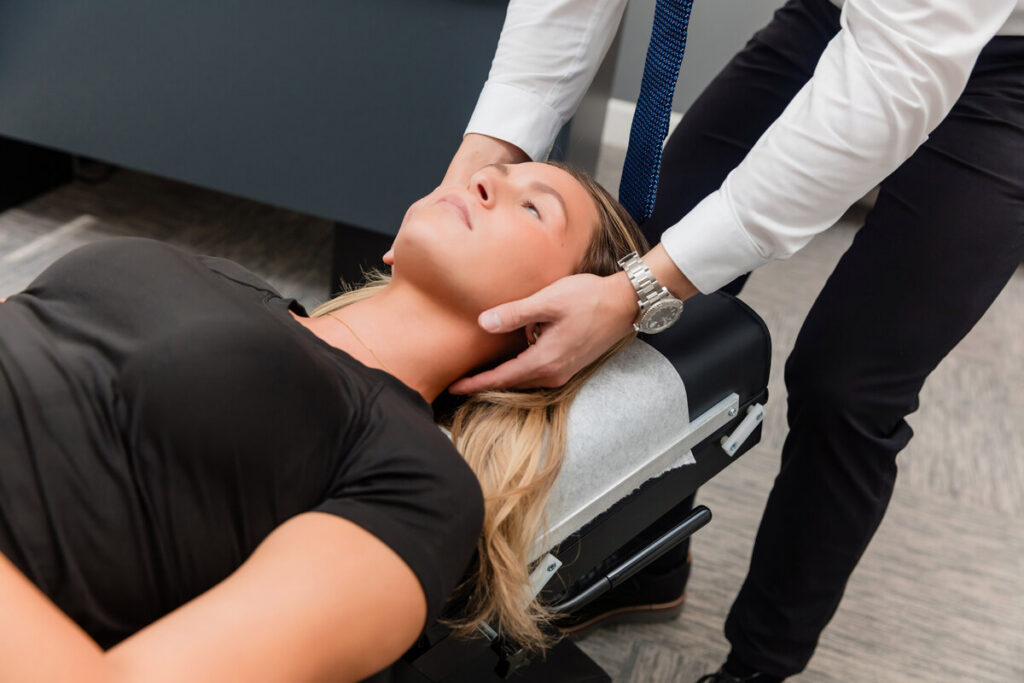
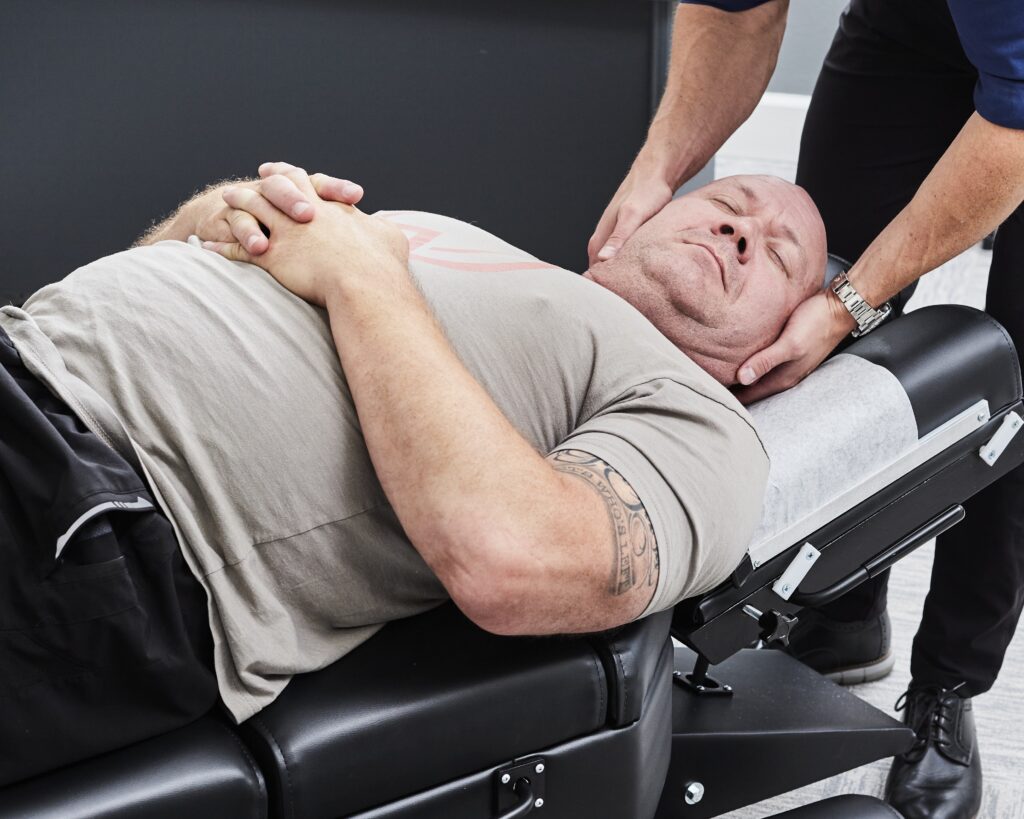
Chiropractic care is also popular for back pain relief. Chiropractors use hands-on spinal manipulation to align your spine, which can alleviate pressure on nerves and reduce pain. Regular adjustments can lead to lasting improvements in your back health.
Lastly, mindfulness and relaxation techniques such as yoga and meditation can provide mental relief from chronic pain. By focusing on your breath and cultivating awareness of your body, you can reduce stress and tension, which often exacerbate pain symptoms.
These non-invasive techniques offer you a range of options to explore, allowing you to find what works best for your unique situation.
Success Stories and Case Studies
You'll find that real-life patient experiences can offer powerful insights into the effectiveness of non-invasive treatments for chronic back pain.
Many individuals have achieved remarkable outcomes, transforming their daily lives through these solutions.
Let's explore some inspiring success stories that highlight just how impactful these approaches can be.
Real-Life Patient Experiences
Real-life success stories illustrate the transformative power of non-invasive solutions for chronic back pain relief. You might find comfort in hearing how others, just like you, have navigated their journeys toward pain-free living.
These stories can inspire hope and show you that change is possible.
- Regained Mobility: Many patients have experienced a newfound ability to engage in activities they once loved, like hiking or playing with their kids.
- Improved Quality of Life: Countless individuals report a significant boost in their overall well-being and happiness after adopting non-invasive treatments.
- Empowerment: Patients have shared how taking control of their pain management through non-invasive methods has empowered them to make healthier lifestyle choices.
- Community Support: Many find strength in connecting with others facing similar challenges, fostering a sense of belonging and encouragement.
These narratives remind you that relief is achievable.
By exploring non-invasive options, you're not just seeking to alleviate pain; you're setting out on a journey toward reclaiming your life and well-being.
Your path to healing may just be one story away from transforming your experience with chronic back pain.
Effective Treatment Outcomes
Patients frequently share remarkable success stories that highlight the effectiveness of non-invasive treatments for chronic back pain. Many of you have found relief through physical therapy, where targeted exercises not only strengthened your muscles but also improved flexibility.
One patient, after just a few sessions, reported a significant reduction in pain, allowing them to return to activities they once loved.
Others have turned to acupuncture, finding it surprisingly effective. A case study showcased a patient who experienced debilitating back pain for years. After a series of acupuncture treatments, they noted a dramatic decrease in discomfort and an enhancement in their overall quality of life.
Chiropractic care has also been transformative for many. One individual shared that regular adjustments helped alleviate their pain and restore mobility. As a result, they could engage in daily activities without the looming fear of a flare-up.
These stories exemplify the potential of non-invasive approaches, demonstrating that you can reclaim your life from chronic back pain.
With the right treatment plan tailored specifically to your needs, you too can experience similar success and discover a path toward lasting relief.
Tips for Managing Back Pain
Managing chronic back pain can feel overwhelming, but there are effective strategies to help ease discomfort. You don't have to suffer in silence; taking proactive steps can make a significant difference in your daily life. Here are some tips to help you manage your back pain:
- Stay Active: Gentle exercises and stretches can strengthen your back and improve flexibility. Activities like walking, swimming, or yoga can be beneficial.
- Maintain Good Posture: Whether you're sitting at a desk or lifting objects, being mindful of your posture can help prevent additional strain on your back.
- Apply Heat or Cold: Using a heating pad or ice pack can provide relief. Heat relaxes tight muscles, while cold can reduce inflammation.
- Practice Relaxation Techniques: Stress can exacerbate pain. Techniques like deep breathing, meditation, or mindfulness can help you cope better.
It's essential to listen to your body. If certain activities worsen your pain, it's okay to modify them or take a break.
Consider consulting with a physical therapist who can tailor a program to your needs. Staying connected with supportive friends and family can also provide the emotional boost you need to cope with chronic pain.
Conclusion
To sum up, exploring non-invasive solutions can greatly enhance your journey toward managing chronic back pain. By incorporating techniques like physical therapy and acupuncture, you can regain control over your well-being without the risks of surgery. Remember, it's about finding what works best for you and staying committed to your treatment plan. With the right approach, you can improve your quality of life and foster long-term healing. Don't hesitate to seek support and make those positive lifestyle changes!