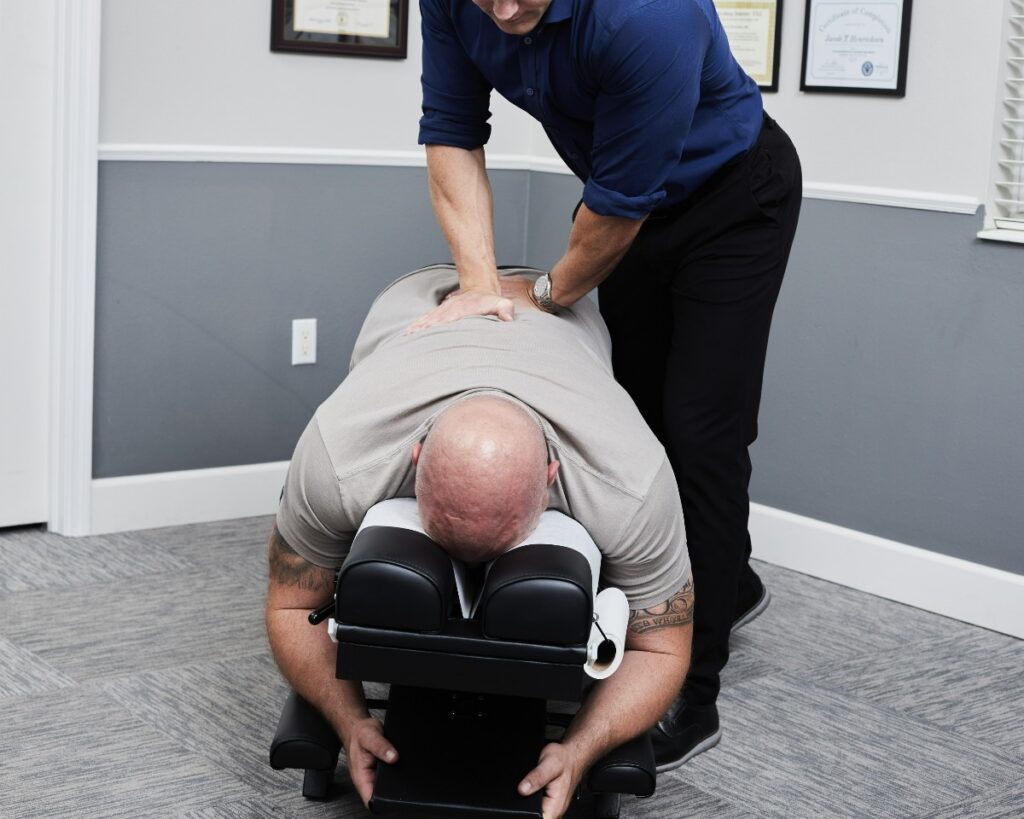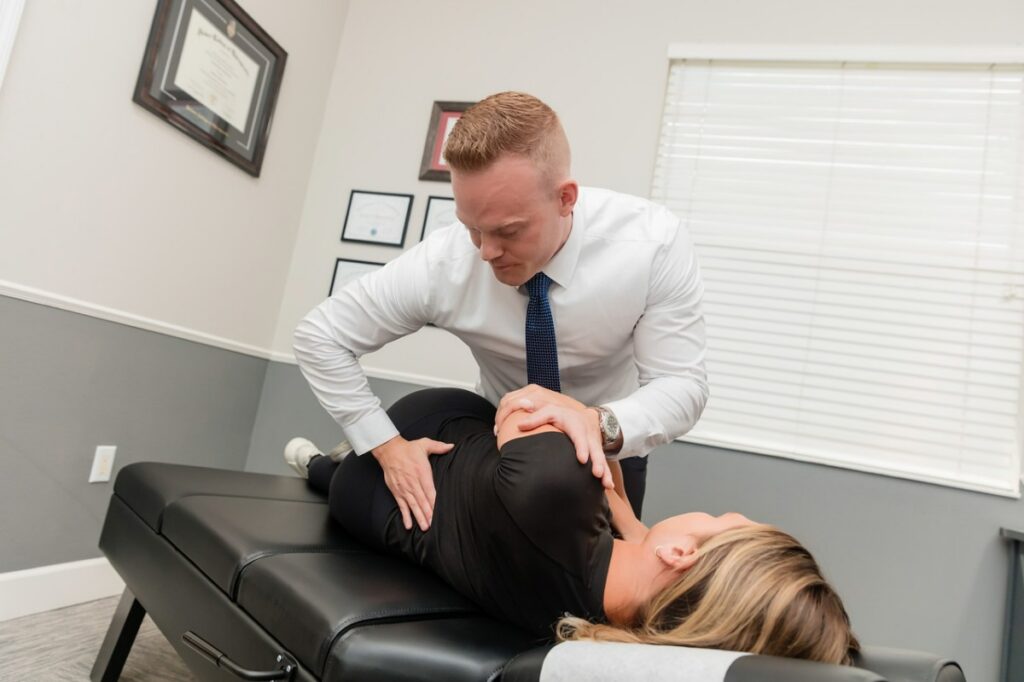

When you're managing chronic pain, it's easy to focus solely on treatment after the fact, but have you considered how preventative care can change your approach? Regular check-ups and open communication with your healthcare provider can help you identify potential issues before they escalate. By prioritizing preventative strategies, you can not only address pain more effectively but also enhance your overall well-being. Understanding the role of lifestyle modifications and early interventions may lead you to discover solutions you hadn't thought of before. What if these small changes could profoundly improve your quality of life?
Understanding Chronic Pain
Chronic pain affects millions of people, and understanding it's vital for managing your experience. Unlike acute pain, which is a direct response to injury or illness, chronic pain persists long after the initial cause has resolved. It can evolve into a condition that affects not just your body but also your emotional and mental well-being. Recognizing this distinction helps you grasp the complexity of what you're dealing with.
You may experience chronic pain for various reasons, including arthritis, fibromyalgia, or nerve damage. It's important to identify the underlying cause, as this can guide your treatment options. This pain isn't just a symptom; it can become a condition in its own right, often leading to heightened sensitivity in your nervous system. You might find that activities you once enjoyed become difficult, leading to frustration or depression.
Understanding your chronic pain also involves acknowledging its impact on your daily life. You may notice disruptions in your sleep patterns, changes in your mood, or a decline in your social activities. These effects can create a cycle that's hard to break.
The more you learn about your pain, the better equipped you'll be to communicate with healthcare providers, advocate for yourself, and explore treatment options effectively.
The Role of Preventative Care
Preventative care is essential in managing chronic pain, as regular check-ups can help catch issues before they escalate.
Importance of Regular Check-ups
Regular check-ups are crucial for effectively managing pain and maintaining overall health. During these visits, your healthcare provider can monitor your condition, assess the effectiveness of your current treatment plan, and make necessary adjustments. This proactive approach helps prevent complications and guarantees that your pain management strategies remain effective.
You might think regular appointments are just a formality, but they serve a critical purpose. By keeping a consistent schedule, you can catch any changes in your health early, allowing for timely interventions. This is particularly important in managing chronic pain, as it often requires ongoing evaluation and adaptation of treatment methods.
Moreover, check-ups give you the chance to discuss any new symptoms or concerns. Open communication with your healthcare provider fosters a partnership that can lead to better outcomes. You'll feel more empowered to take an active role in your care, which can greatly improve your quality of life.
Incorporating regular check-ups into your routine not only helps you manage pain more effectively but also promotes overall wellness.
Prioritize these appointments and take charge of your health—your future self will thank you.
Lifestyle Modifications for Prevention
Making lifestyle modifications plays an essential role in preventing the onset or worsening of pain. By adopting healthier habits, you can greatly reduce your risk of developing chronic pain conditions. Start by incorporating regular physical activity into your routine. Exercise strengthens your muscles, improves flexibility, and promotes overall wellness, all of which can help manage pain levels.
Additionally, pay attention to your diet. Eating a balanced diet rich in whole foods, fruits, vegetables, and healthy fats can reduce inflammation in your body. Staying hydrated is equally important, as it helps maintain joint lubrication and overall health.
Managing stress is another important factor. Techniques such as mindfulness, meditation, or yoga can help you develop coping strategies and lower your pain perception.
Prioritizing sleep is essential, too; aim for 7-9 hours of quality sleep each night to allow your body to heal and recover.
Finally, consider avoiding harmful habits like smoking and excessive alcohol consumption, which can exacerbate pain. By making these lifestyle changes, you empower yourself to take control of your health and prevent chronic pain from taking hold.
Lifestyle Modifications for Pain Relief
Making simple lifestyle modifications can greatly impact your pain levels.
By adjusting your diet and incorporating regular exercise, you can boost your overall well-being and manage discomfort more effectively.
Let's explore how these changes can help you find relief.
Diet and Nutrition Adjustments
Food plays an essential role in managing chronic pain, as certain dietary choices can either exacerbate or alleviate discomfort. You mightn't realize it, but what you eat can influence inflammation levels in your body. Incorporating anti-inflammatory foods like leafy greens, fatty fish, and nuts can help reduce pain. Omega-3 fatty acids, found in salmon and flaxseeds, are particularly beneficial.
On the other hand, you should be cautious with foods high in sugar and refined carbohydrates. These can trigger inflammation and worsen your pain. Processed foods and trans fats are also best avoided, as they can contribute to chronic inflammation.
Staying hydrated is vital, too. Drinking plenty of water helps your body function effectively and can assist in pain management. Consider adding spices like turmeric and ginger to your meals; both have natural anti-inflammatory properties.
Lastly, pay attention to any food sensitivities you might have. Keeping a food diary can help you identify triggers that may be exacerbating your pain. By making these dietary adjustments, you can take a proactive step toward managing your chronic pain efficiently.
Exercise and Physical Activity
Alongside dietary adjustments, incorporating regular exercise and physical activity can greatly enhance your ability to manage chronic pain. Engaging in physical activity not only strengthens your body but can also improve your mood and overall well-being.
Here are four key benefits of exercise for pain relief:
- Increased Flexibility: Stretching and mobility exercises can help improve your range of motion, making daily activities easier and reducing discomfort.
- Enhanced Strength: Building muscle strength supports your joints and can alleviate pressure on painful areas.
- Improved Mood: Regular exercise releases endorphins, which are natural pain relievers and can help combat feelings of depression and anxiety often associated with chronic pain.
- Better Sleep Quality: Physical activity can promote better sleep, which is essential for healing and managing pain effectively.
Start by incorporating low-impact activities like walking, swimming, or yoga into your routine.
Remember to listen to your body and gradually increase your activity level. By prioritizing exercise, you're taking an essential step toward managing your chronic pain and enhancing your quality of life.
Importance of Early Interventions
Recognizing the signs of chronic pain early can greatly influence your long-term management and quality of life. When you identify symptoms promptly, you're setting the stage for effective interventions that can prevent the pain from escalating. Early detection allows you to seek appropriate medical advice and explore various treatment options tailored to your specific needs.
By addressing chronic pain early, you can reduce the risk of developing related complications, such as anxiety, depression, or decreased mobility. You'll likely find that the sooner you act, the easier it's to manage your pain and maintain your daily activities. This proactive approach can lead to quicker, more effective solutions, enabling you to regain control over your life.
It's essential to communicate openly with your healthcare provider about your symptoms. If you notice persistent discomfort, don't hesitate to discuss it during your next appointment. Early interventions often include lifestyle modifications, physical therapy, or medication adjustments that can considerably improve your situation before it worsens.
Additionally, you might benefit from keeping a pain journal to track your symptoms, triggers, and responses to different treatments. This information can be invaluable for your healthcare team in crafting a personalized management plan.
In essence, the importance of early interventions in managing chronic pain can't be overstated. By staying vigilant and proactive, you can enhance your quality of life and prevent the pain from dictating your daily experiences.
Make your health a priority, and take those vital first steps toward better pain management.
Holistic Approaches to Pain Management
When it comes to managing chronic pain, holistic approaches can offer a thorough way to enhance your overall well-being.
These methods focus on treating the whole person rather than just the symptoms, integrating physical, emotional, and spiritual health. By adopting a holistic approach, you can empower yourself to take control of your pain management.
Here are four effective strategies you can consider:
- Mindfulness Meditation: Practicing mindfulness helps you stay present and reduces stress, which can exacerbate pain. Regular meditation can lead to improved emotional resilience and a better pain perception.
- Yoga: Engaging in yoga can enhance your flexibility, strengthen muscles, and promote relaxation. The combination of physical movement, breath control, and meditation can help reduce pain and improve your quality of life.
- Nutrition: A balanced diet packed with anti-inflammatory foods can have a significant impact on your pain levels. Incorporating fruits, vegetables, whole grains, and healthy fats can nourish your body and reduce inflammation.
- Acupuncture: This ancient practice can stimulate specific points on the body, promoting pain relief and relaxation. Many people find that acupuncture helps to alleviate chronic pain and improve their overall well-being.
Building a Support System
A strong support system can make a significant difference in managing chronic pain. When you're surrounded by understanding friends and family, it becomes easier to navigate the daily challenges that come with your condition. Start by identifying those in your life who genuinely care about your well-being and are willing to listen. Share your experiences with them, including your pain levels and coping strategies. This openness fosters empathy and strengthens your connections.
Don't hesitate to reach out to support groups, either online or in-person. These communities can provide valuable insights and encouragement from people who truly understand what you're going through. You'll find that sharing your struggles and hearing others' experiences can be incredibly empowering.
Consider involving healthcare professionals, such as physical therapists or counselors, in your support network. They can offer expert advice tailored to your specific situation, helping you develop effective coping mechanisms. Additionally, they can guide your loved ones on how best to support you.
Remember, your support system should also include self-care practices. Engage in activities that bring you joy and relaxation, such as yoga, meditation, or hobbies. These elements can fortify your resilience against chronic pain.
Ultimately, building a diverse support system enhances your emotional and physical well-being. You're not alone in this journey, and having the right people and resources around you can make all the difference in managing your chronic pain effectively.
Conclusion
By prioritizing preventative care, you can take control of your chronic pain and enhance your overall well-being. Regular check-ups, lifestyle modifications, and a strong support system empower you to manage your pain effectively. Don't underestimate the importance of early interventions and holistic approaches; they can greatly improve your quality of life. Remember, proactive steps today pave the way for a healthier, pain-free tomorrow. Stay engaged in your health journey—your future self will thank you!