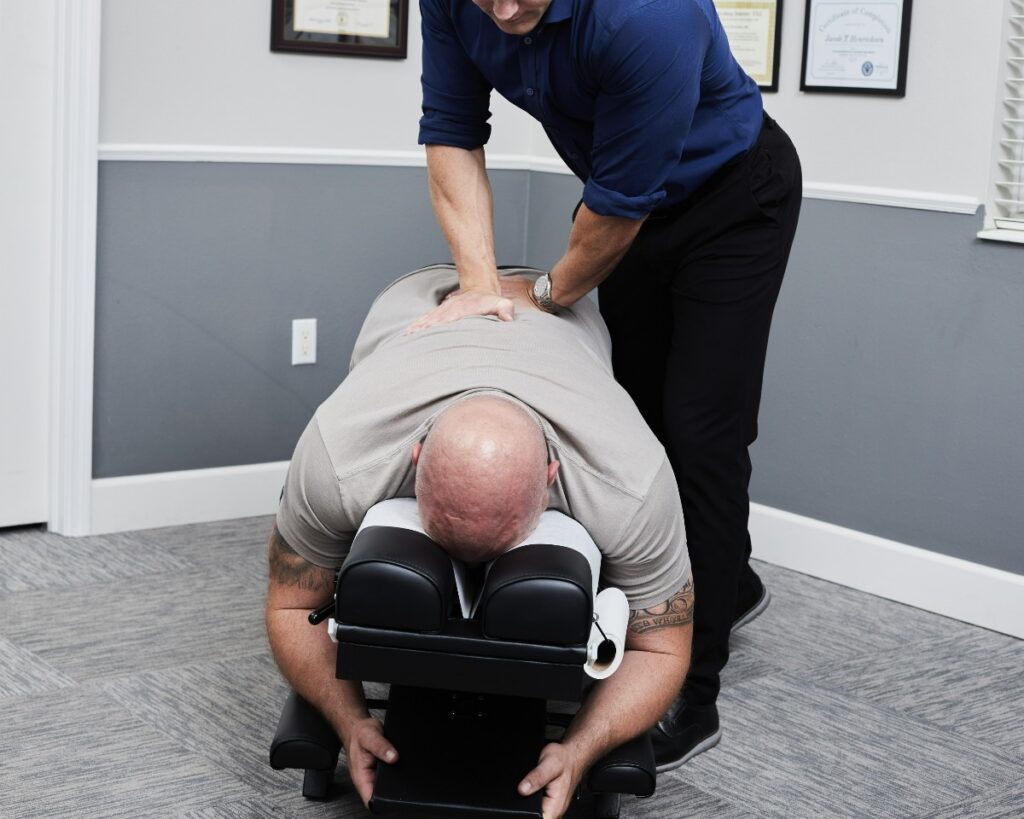

When you think about your health, it's easy to focus on treating issues as they arise. But have you considered how preventative care can shape your long-term well-being? Regular check-ups and proactive lifestyle choices can greatly reduce your risk of chronic diseases and lead to better health outcomes. It's not just about avoiding illness; it's about enhancing your quality of life and even saving on healthcare costs. As you explore the various dimensions of preventative care, you'll find compelling reasons to prioritize your health now, which might lead you to reconsider some long-held beliefs.
Understanding Preventative Care
Preventative care is all about taking proactive steps to maintain your health and catch potential issues before they become serious. It involves a variety of services, like regular check-ups, screenings, and vaccinations. By participating in preventative care, you're not just responding to health problems as they arise; you're actively working to prevent them from developing in the first place.
Understanding the components of preventative care can empower you to make informed decisions about your health. For instance, annual physical exams can help identify risk factors early, allowing you to address them before they escalate. Screenings for conditions like high blood pressure or high cholesterol can reveal underlying issues that might otherwise go unnoticed. Vaccinations protect you from infectious diseases and can also contribute to community immunity.
Regular communication with your healthcare provider is essential. Discuss your medical history, lifestyle choices, and any concerns you may have. This dialogue helps tailor your preventative care plan to suit your specific needs.
Additionally, adopting a balanced diet, staying active, and managing stress are integral parts of maintaining overall health.
Reduced Risk of Chronic Diseases
Engaging in preventative care greatly reduces your risk of developing chronic diseases. By prioritizing regular check-ups, vaccinations, and healthy lifestyle choices, you actively protect your body from ailments such as heart disease, diabetes, and certain types of cancer. These diseases often stem from risk factors like obesity, high blood pressure, and high cholesterol, which you can mitigate through preventative measures.
When you participate in preventative care, you're not just reacting to health issues; you're taking proactive steps to maintain your well-being. For instance, adopting a balanced diet rich in fruits, vegetables, and whole grains can lower your risk of chronic health problems. Regular physical activity strengthens your heart and improves your overall fitness level, making you less susceptible to serious conditions.
Additionally, routine screenings help identify risk factors early on. By keeping track of your blood pressure, cholesterol levels, and blood sugar, you can make informed decisions about your health. If a potential issue arises, you can tackle it before it develops into something more serious.
Moreover, preventative care encourages you to cultivate healthy habits and make lifestyle changes that benefit your long-term health. By quitting smoking, reducing alcohol consumption, and managing stress, you further decrease your risk of chronic diseases.
In short, engaging in preventative care empowers you to take control of your health, leading to a longer, healthier life free from the burden of chronic diseases.
Early Detection of Health Issues
Regular check-ups and screenings can considerably enhance your chances of catching health issues early. When you schedule routine visits with your healthcare provider, you create opportunities to identify potential problems before they escalate. This proactive approach can lead to better management of conditions and improve your overall health outcomes.
During these check-ups, your doctor will assess various aspects of your health, including blood pressure, cholesterol levels, and screenings for certain cancers. For instance, mammograms and colonoscopies can detect issues long before symptoms arise. The earlier you spot a problem, the more treatment options you typically have, and the greater your chances of successful intervention.
You might think, "I feel fine, so why bother?" However, many health issues don't present noticeable symptoms initially. By the time you notice something's wrong, it may be too late for simple solutions. Regular screenings can help prevent diseases from progressing, allowing you to maintain a higher quality of life.
In addition, early detection often means less invasive treatments. If you catch a health issue like diabetes in its initial stages, lifestyle changes or medication can often manage it effectively without requiring more drastic measures later on.
Ultimately, making preventative care a priority in your life empowers you to take control of your health. It's not just about avoiding illness; it's about fostering a longer, healthier life.
Cost Savings Over Time
Many people don't realize that investing in preventative care can lead to significant cost savings over time. When you prioritize regular check-ups, screenings, and vaccinations, you're not just safeguarding your health; you're also minimizing potential expenses down the road. By catching health issues early, you can often avoid costly treatments that come with advanced conditions.
Think about it: treating a chronic illness or serious disease can require extensive medical interventions, which can quickly add up. In contrast, a simple preventative care visit is typically much less expensive. When you stay proactive about your health, you reduce the risk of emergencies that could lead to high hospital bills.
Moreover, preventative care often leads to fewer missed days at work due to illness. By staying healthy, you maintain your productivity and income, which is a financial benefit that can't be overlooked. Additionally, many health insurance plans cover preventative services at little or no cost to you, making this investment even more appealing.
Lastly, consider the long-term impact of maintaining your health. By avoiding chronic diseases, you're likely to save on medication and ongoing care costs. Fundamentally, spending a little on preventative measures now can save you a lot in future healthcare expenses.
Improved Quality of Life
Investing in preventative care not only saves you money but also enhances your overall quality of life. When you prioritize regular check-ups, vaccinations, and screenings, you're taking proactive steps to maintain your health. This means fewer unexpected illnesses and hospital visits, allowing you to enjoy life without the constant stress of health concerns looming over you.
By staying ahead of potential health issues, you can engage in activities you love—whether it's hiking, playing with your kids, or simply enjoying time with friends. A healthier lifestyle fosters greater energy levels and improved physical capabilities, which directly contribute to your daily satisfaction. You'll find it easier to pursue hobbies and interests that bring joy, enhancing your overall happiness.
Moreover, preventative care empowers you with knowledge about your body. When you understand your health status, you can make informed choices about diet, exercise, and lifestyle modifications. This awareness often leads to healthier habits that not only prevent disease but also promote longevity and liveliness.
Additionally, maintaining your health through preventative measures tends to improve your social connections. When you feel good physically, you're more likely to participate in social activities, nurturing relationships that are essential for emotional support. This sense of community can greatly enrich your life, creating a fulfilling environment where you thrive.
In short, investing in preventative care is an investment in a vibrant, active, and enjoyable life. You deserve to live your best life, and taking these steps makes it possible.
Enhanced Mental Health Benefits
When it comes to your mental health, implementing stress reduction techniques can make a significant difference.
You'll find that these strategies not only help you manage daily pressures but also improve your emotional resilience over time.
Embracing these practices can lead to a more balanced and fulfilling life.
Stress Reduction Techniques
Stress reduction techniques play an essential role in enhancing mental health benefits. When you actively engage in these methods, you can greatly lower anxiety levels, improve mood, and boost overall well-being.
Techniques like mindfulness meditation can help you stay present, allowing you to manage stress more effectively. By focusing on your breathing and being aware of your thoughts, you can create a calm mental space that reduces emotional turmoil.
Yoga is another powerful practice that combines physical movement with breath control, helping to release tension. Regularly incorporating yoga into your routine can help you feel more centered and balanced, both physically and mentally.
Additionally, engaging in regular physical exercise boosts the production of endorphins, the body's natural mood lifters. Whether you prefer walking, jogging, or dancing, find an activity you enjoy, and make it a regular part of your life.
Lastly, don't underestimate the value of social connections. Spending quality time with friends or family can provide support and comfort, making it easier to cope with stress.
Improved Emotional Resilience
Improved emotional resilience is an essential component of enhanced mental health benefits. When you engage in preventative care, you're not just safeguarding your body; you're also nurturing your mind.
This proactive approach helps you cope better with life's challenges, enabling you to bounce back more quickly from setbacks.
Think about the power of emotional resilience in your life:
- Feeling empowered to face daily stressors without being overwhelmed
- Building stronger relationships by communicating effectively and managing conflict
- Enhancing your self-esteem as you develop coping strategies that work for you
- Cultivating a positive mindset, which leads to overall happiness and fulfillment
Strengthened Immune System
A strengthened immune system is essential for your overall health and well-being.
By focusing on balanced nutrition, regular health screenings, and enhancing your disease resistance, you can markedly boost your body's defenses.
Let's explore how these factors work together to keep you healthy and thriving.
Enhanced Disease Resistance
Building a robust immune system is essential for enhancing disease resistance. When your immune system is strong, you stand a better chance of warding off infections and illnesses that can disrupt your life.
With preventative care, you can take proactive steps to guarantee your body is prepared for any challenges it faces.
Consider these emotional benefits of a strengthened immune system:
- Peace of Mind: You'll feel more secure knowing your body can fend off illness.
- Increased Energy: A healthy immune system means you're less likely to feel fatigued or drained.
- Enhanced Quality of Life: Enjoy activities and experiences without the worry of falling sick.
- Stronger Connections: You'll be more available to spend time with loved ones, strengthening your relationships.
Balanced Nutrition Intake
To maintain a strengthened immune system, balanced nutrition intake plays an essential role. You need to focus on consuming a variety of nutrients that support your body's defenses. Incorporating fruits and vegetables rich in vitamins A, C, and E helps boost your immune response. These antioxidants combat oxidative stress, allowing your immune cells to operate more effectively.
Don't forget about proteins—fundamental for building antibodies and immune cells. Including lean meats, beans, and nuts in your diet guarantees you get the amino acids necessary for peak immune function.
Healthy fats, like those found in fish and avocados, also play an important role by reducing inflammation in your body.
Moreover, hydration is key. Drinking enough water helps maintain cellular health and supports overall bodily functions, including your immune system.
Aim for a well-rounded diet that includes whole grains for energy and fiber, which aids gut health—a significant component of immunity.
Regular Health Screenings
Regular health screenings serve as a powerful tool for maintaining a strengthened immune system.
By staying proactive about your health, you can catch potential issues before they escalate, ensuring your body remains resilient against illnesses. These screenings help identify deficiencies, monitor essential health markers, and keep you informed about your overall wellness.
Here are some emotional motivations to prioritize regular screenings:
- Peace of Mind: Knowing you're on top of your health can reduce anxiety and stress.
- Empowerment: Taking charge of your health journey boosts your confidence and motivation.
- Stronger Connections: A healthy you can spend more quality time with loved ones, making memories that last.
- Vibrant Living: Regular check-ups can help you maintain the energy and vitality to pursue your passions.
Building Healthy Habits
Establishing healthy habits lays the foundation for a vibrant life. You have the power to transform your daily routine and enhance your well-being through simple, consistent actions.
Start by incorporating nutritious foods into your diet; think fresh fruits, vegetables, whole grains, and lean proteins. These choices fuel your body and keep your energy levels up, making it easier to stay active.
Next, make physical activity a priority. Aim for at least 150 minutes of moderate exercise each week. This can be as simple as brisk walking, dancing, or cycling. Find an activity you enjoy, so it doesn't feel like a chore. Remember, it's about creating a sustainable routine that fits your lifestyle.
Sleep also plays an essential role in your health. Aim for 7-9 hours of quality sleep each night. Establish a calming bedtime routine, and limit screen time before bed to improve your sleep quality. A well-rested mind and body are more resilient and better equipped to handle stress.
Mindfulness and stress management are just as important as physical health. Incorporate practices like meditation, deep breathing, or yoga into your day. These habits can help you stay centered and focused, reducing anxiety and boosting your overall mood.
Lastly, stay hydrated. Drinking enough water is vital for maintaining energy levels and supporting bodily functions.
Community Health Impact
Healthy communities thrive on the collective well-being of their members, and your involvement can make a significant difference. When you engage in preventative care initiatives, you're not just taking steps for your own health; you're also fostering a stronger, healthier community. By prioritizing prevention, you help reduce the burden on healthcare systems, alleviate financial strain, and promote a culture of wellness that benefits everyone.
Your participation can lead to improved health outcomes for all. For instance, when you advocate for regular health screenings, you're encouraging others to do the same. This collective action means early detection of diseases, which can save lives.
Plus, when community members come together for wellness programs, they create supportive environments that motivate each other to adopt healthier lifestyles.
Consider the powerful impact you can have:
- Fostering connections that build trust and resilience within your community.
- Encouraging families to participate in health-promoting activities like exercise groups or nutrition workshops.
- Creating awareness about local health resources and preventative measures.
- Inspiring others to take charge of their health, creating a ripple effect of positive change.
Ultimately, by actively participating in community health efforts, you contribute to a collective mindset that values prevention.
Together, you can cultivate a thriving environment where everyone feels empowered to lead healthier lives, reinforcing the idea that a strong community is built on the health of its individuals.
Conclusion
Incorporating preventative care into your routine can transform your long-term health. By focusing on regular check-ups, early detection, and healthy lifestyle choices, you greatly lower your risk of chronic diseases while boosting your overall well-being. The benefits extend beyond your personal health; they contribute to a healthier community and reduce healthcare costs. Embrace these habits today, and you'll enjoy a better quality of life, increased resilience, and a stronger immune system for years to come.