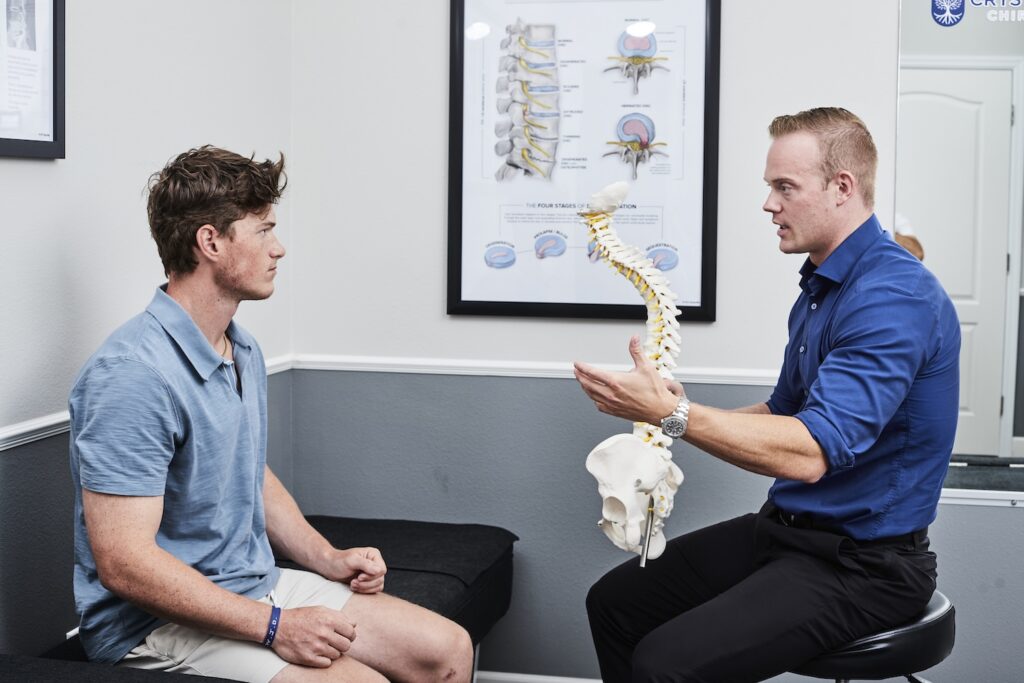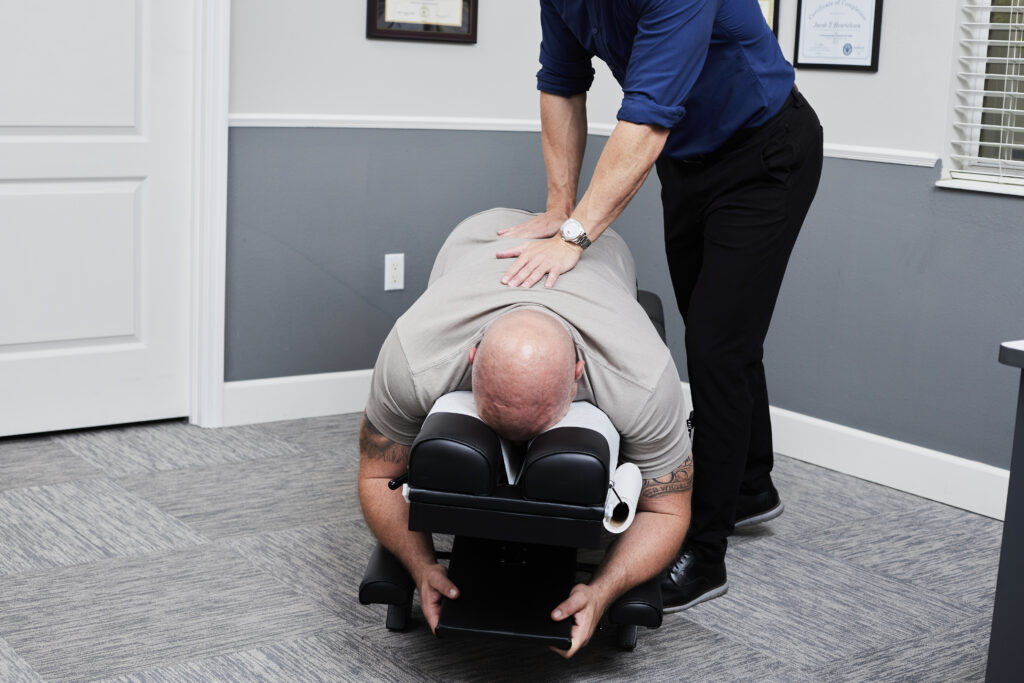

If you’re dealing with back pain, you may already be aware of how it can disrupt your daily routine. Achieving long-term relief isn’t just about quick solutions; it requires a comprehensive approach to wellness. As a local chiropractor, I believe that understanding the underlying causes of your pain is crucial. By incorporating regular physical activity, maintaining proper posture, and focusing on nutrition, we can work together to enhance your quality of life.
So, what specific steps can you take to create a sustainable management plan for your back pain? Let’s delve into some effective strategies that can empower you on your healing journey. Through chiropractic care, we can address misalignments in your spine and improve your overall functionality. Additionally, I can guide you on exercises tailored to your needs, posture corrections, and dietary recommendations to support your recovery. Together, we can develop a holistic plan that fosters long-term relief and promotes a healthier lifestyle.
Understanding the Root Causes of Back Pain
As a local chiropractor, I want to emphasize the importance of understanding the root causes of back pain, especially since so many of us will experience it at some point in our lives.
One significant factor that can contribute to your discomfort is poor posture, particularly when sitting or standing for extended periods. This can lead to imbalances in your spine and surrounding muscles.
Additionally, overexertion during physical activities or improper lifting techniques can put undue strain on your back. It’s also important to consider underlying conditions such as herniated discs or arthritis, which can result in chronic pain.
Moreover, stress is often an overlooked factor that can lead to muscle tension, further aggravating your symptoms.
Identifying these triggers is crucial for finding relief. I encourage you to pay attention to your daily habits and any changes in how your body feels.
By becoming more aware of your movements and your environment, you can make necessary adjustments to prevent future issues. Listening to your body’s signals is vital, as it helps you know when it might be time to seek professional help.
By addressing these root causes through chiropractic care, we can’t only alleviate your pain but also enhance your overall well-being.
Together, we can develop a personalized plan that promotes healing and helps you maintain a healthy, pain-free lifestyle.
The Importance of Regular Physical Activity
As your local chiropractor, I want to emphasize the crucial role that regular physical activity plays in not only maintaining a healthy weight but also in promoting a healthy spine and alleviating back pain.
Staying active isn’t just about exercise; it’s about strengthening the very muscles that support your back, improving your flexibility, and enhancing your posture.
Here are four key ways that regular physical activity can significantly benefit your back health:
- Increases Flexibility: Engaging in regular movement and stretching routines helps maintain your spine’s range of motion, which is vital for overall mobility.
- Enhances Strength: Consistent workouts build muscle strength, especially in the core and back areas, which can provide better support and reduce the risk of injury.
- Improves Circulation: Physical activity enhances blood flow, ensuring that essential nutrients are delivered to the structures of your spine and aiding in recovery from any strain or discomfort.
- Reduces Stress: Exercise releases endorphins, the body’s natural mood lifters, which can help you manage stress effectively—an important factor since stress can often exacerbate back pain.
Incorporating regular physical activity into your daily routine can have a profound impact on your back health.
I recommend aiming for a balanced mix of aerobic exercises, strength training, and flexibility routines to achieve the best outcomes.
Strengthening Core Muscles for Support
As a local chiropractor, I want to emphasize the importance of strengthening your core muscles.
While many individuals often concentrate on their back muscles, it’s crucial to recognize that a strong core plays a vital role in supporting your spine. Your core muscles, which include those in your abdomen, hips, and lower back, work in unison to stabilize your body, helping to prevent injuries and alleviate discomfort.
Incorporating core-strengthening exercises into your weekly routine can significantly reduce back pain and enhance overall spinal health. I recommend exercises such as planks, bridges, and bird-dogs, as these engage multiple muscle groups at once, promoting better posture and alignment.
For optimal results, aim to perform these exercises at least two to three times a week. Remember, a strong core not only supports your spine but also contributes to your overall well-being.
If you have any questions or need guidance on how to get started, feel free to reach out!
Incorporating Stretching and Flexibility Exercises
As a local chiropractor, I want to emphasize the significant benefits of incorporating stretching and flexibility exercises into your daily routine, especially if you’re dealing with back pain.
These gentle movements can greatly enhance your overall well-being by improving your range of motion and alleviating muscle tension, which are crucial for effective healing.
When you engage in regular flexibility routines, you’re not just addressing the symptoms of back pain; you’re also supporting your body’s natural healing processes.
Let me guide you through some effective exercises that can truly make a difference in your recovery journey.
Benefits of Stretching
As a local chiropractor, I want to share with you the incredible benefits of incorporating stretching into your daily routine. Many people think of stretching solely in terms of flexibility, but it has profound implications for your overall well-being and can be particularly effective in alleviating back pain.
Here are some key benefits of regular stretching that I encourage my patients to consider:
- Improved posture: Stretching is vital for aligning your spine, which can significantly reduce strain on your back. Good posture is essential for preventing discomfort and promoting a healthy spine.
- Increased blood flow: Engaging in stretching exercises enhances circulation throughout your body. This increased blood flow nourishes your muscles and aids in their recovery, which is crucial for maintaining optimal health.
- Reduced muscle tension: Regular stretching can help release tightness in your muscles, relieving discomfort and preventing injuries. This is especially important for those who may experience chronic muscle tension or stiffness.
- Better range of motion: By increasing your flexibility through stretching, you can achieve a greater range of motion. This not only makes daily activities easier but also helps to prevent injuries during physical activities.
Integrating stretching into your routine can be a simple yet effective way to support your chiropractic care and enhance your overall health.
If you have any questions or would like personalized stretching recommendations, feel free to reach out during your next visit!
Effective Flexibility Routines
As a local chiropractor, I want to emphasize the importance of incorporating flexibility routines into your daily life for improved health and well-being. Stretching and flexibility exercises are vital for maintaining muscle elasticity and joint mobility, which can significantly alleviate back pain—a common issue I see in my practice.
I recommend starting with gentle stretches such as the cat-cow pose or the knee-to-chest stretch. While performing these exercises, focus on your breathing; it’s crucial for relaxation and effectiveness. Aim for at least 10-15 minutes of stretching each day, and as your flexibility improves, you can gradually increase the intensity of your stretches.
It’s also important to incorporate dynamic stretches before engaging in any physical activity, and to practice static stretches afterward to aid in recovery. Remember, consistency is key! By maintaining a regular flexibility routine, you not only relieve discomfort but also help prevent future injuries.
Listen to your body; it will guide you on when to stretch and how far to push yourself. By prioritizing flexibility in your daily life, you pave the way for long-term relief and enhanced overall health.
If you have any questions about how flexibility routines can complement chiropractic care, feel free to ask during your next visit.
The Role of Proper Posture and Ergonomics
As a local chiropractor, I want to emphasize how crucial your posture and workspace arrangement are in the prevention of back pain.
Many people overlook the impact of their daily habits and the ergonomics of their environment, but simple adjustments can lead to significant relief from discomfort.
Let’s delve into some practical strategies that can help you improve your posture and create a more ergonomic workspace, ultimately supporting your overall health and well-being.
Importance of Ergonomic Setup
As a local chiropractor, I want to emphasize the importance of an ergonomic setup in your everyday environment.
Prioritizing ergonomics isn’t just about comfort; it plays a crucial role in preventing back pain and promoting overall spinal health. A thoughtfully designed workspace encourages proper posture, which can lead to significant long-term relief.
Here are four essential components to consider for creating an ergonomic setup:
- Chair Height: It’s vital to choose a chair that supports your lower back and allows your feet to rest flat on the floor. This support can help maintain the natural curve of your spine and reduce strain.
- Desk Position: Your desk should be adjusted to elbow height, enabling your arms to rest comfortably while you type. This positioning minimizes tension in your shoulders and neck, which can often lead to discomfort.
- Monitor Level: Positioning your monitor at eye level is key to avoiding neck strain. By maintaining a natural head position, you can prevent the common issue of “tech neck,” which is becoming increasingly prevalent in our digital age.
- Keyboard and Mouse: Keep your keyboard and mouse close enough to your body to avoid reaching. This simple adjustment promotes relaxed shoulder posture, reducing the risk of repetitive strain injuries.
By making these adjustments to your workspace, you can support your spine and overall well-being, helping you to live a healthier, pain-free life.
If you have any questions about setting up your workspace ergonomically or about chiropractic care in general, please feel free to reach out. Your health is our priority!
Daily Posture Habits
As a local chiropractor, I want to emphasize the importance of daily posture habits and how they can significantly impact your health. Many people don’t realize that proper posture is key to preventing back pain and promoting overall well-being. It’s not just about sitting or standing; it’s about being aware of your body’s alignment in every activity you do.
When you’re seated, make sure to keep your shoulders back, your spine straight, and your head aligned with your neck. I recommend checking in with your posture frequently throughout the day. Simple changes, such as using a chair that supports your lower back, can lead to remarkable improvements in your comfort and health.
When standing, remember to distribute your weight evenly on both feet. This can alleviate unnecessary strain on your back.
And even when you’re using your phone, holding it at eye level can prevent neck strain, which is a common issue I see in my practice.
By consciously adopting good posture habits, you can significantly reduce your risk of back pain and enhance your overall well-being.
As a chiropractor, I’m here to guide you on this journey toward natural healing and improved health. Let’s work together to create a healthier posture for a healthier life!
Workplace Adjustments Strategies
As a chiropractor dedicated to promoting natural healing and overall wellness, I want to share some essential strategies for creating an ergonomic workspace that can significantly enhance your comfort and productivity.
Adjusting your work environment can help prevent strain and discomfort, which are common complaints I see in my practice. Here’s how you can optimize your workspace:
- Chair Height: It’s crucial to adjust your chair so that your feet are flat on the floor and your knees form a right angle. This position supports proper posture and reduces stress on your spine.
- Monitor Position: Your monitor should be at eye level and approximately an arm’s length away. This alignment helps to minimize neck strain and encourages a more natural posture while you work.
- Keyboard and Mouse Placement: Keep your keyboard and mouse within easy reach, ensuring that your wrists remain straight and well-supported. This can help prevent repetitive strain injuries that can lead to chronic discomfort.
- Frequent Breaks: I recommend taking short breaks every hour to stand, stretch, and move around. This practice not only alleviates tension but also promotes blood circulation, which is vital for maintaining spinal health.
By incorporating these adjustments into your daily routine, you can create a more supportive work environment that fosters your well-being.
Mindfulness and Stress Management Techniques
As a local chiropractor, I understand that back pain can often feel overwhelming for many of my patients. However, I want to share how incorporating mindfulness and stress management techniques can significantly alleviate your discomfort.
Practicing mindfulness allows you to stay present in the moment, which can help reduce anxiety related to your pain. Simple techniques, such as deep breathing exercises or guided meditations, can effectively calm your mind and shift your focus away from any discomfort you may be experiencing.
I recommend setting aside just a few minutes each day to engage in these practices. Many of my patients report a noticeable decrease in stress levels, which can be a contributing factor to muscle tension and pain.
Additionally, activities like yoga or tai chi not only promote relaxation but also enhance flexibility, which is crucial for maintaining back health.
As part of your holistic approach to healing, I encourage you to explore these mindfulness techniques alongside your chiropractic care. Together, they can create a supportive environment for recovery and well-being.
Nutrition and Its Impact on Back Health
As a local chiropractor, I want to emphasize how vital nutrition is for maintaining a healthy back and supporting your overall well-being. The right nutrients not only strengthen your spine but also help reduce inflammation and enhance your body’s natural healing processes.
Here are four key nutritional elements that I encourage my patients to consider:
- Calcium: This mineral is crucial for building strong bones. Incorporating calcium-rich foods, such as dairy products, leafy greens, and almonds, can help prevent issues like fractures and osteoporosis, which are common concerns as we age.
- Vitamin D: To ensure your body effectively absorbs calcium, you need sufficient vitamin D. You can get this essential vitamin from sunlight exposure, fatty fish, and various fortified foods. A healthy level of vitamin D is a game changer for your spinal health.
- Omega-3 Fatty Acids: These healthy fats, found in sources like fish and walnuts, are known for their ability to reduce inflammation. This is particularly beneficial for anyone dealing with back pain or discomfort.
- Magnesium: This mineral plays a key role in supporting muscle function and can help alleviate tension and spasms in your back. Great sources of magnesium include nuts, seeds, and whole grains.
By integrating these nutrients into your diet, you can take proactive steps towards better back health and overall wellness.
Exploring Alternative Therapies for Pain Relief
As a local chiropractor, I want to share some insights on how alternative therapies can provide effective relief for back pain, beyond what you might typically expect from conventional treatments.
One of the key techniques we utilize in chiropractic care is spinal alignment. By focusing on the spine, we can enhance your mobility and reduce discomfort, allowing your body to heal naturally.
In addition to chiropractic adjustments, I often recommend incorporating mindfulness practices such as yoga and meditation into your routine. These techniques not only help alleviate physical tension but also promote mental well-being, giving you a holistic approach to managing pain.
Many patients also find relief with herbal remedies and supplements, like turmeric and ginger, known for their anti-inflammatory effects. These natural options can be a beneficial addition alongside your chiropractic treatments.
Massage therapy is another fantastic complement to chiropractic care. It helps relax tight muscles and improve circulation, providing immediate relief from discomfort.
I encourage you to explore these alternative therapies and consider how they might work together with chiropractic care to create a personalized pain relief strategy.
However, it’s important to consult with a healthcare professional before starting any new treatments to ensure they align with your overall care plan.
Together, we can find the best approach to help you feel your best.
The Benefits of Professional Physical Therapy
As a local chiropractor, I want to emphasize the importance of incorporating professional physical therapy into your back pain relief strategy. Doing so can significantly enhance the benefits you receive from chiropractic care and other alternative therapies.
Here’s how physical therapy can support your journey to better health:
- Improved Mobility: A skilled physical therapist will create a custom exercise plan designed to increase your range of motion. This means you’ll be able to move more freely and comfortably in your daily activities.
- Strength Building: Through targeted exercises, you’ll work on strengthening the muscles that support your spine. This is crucial for preventing future injuries and minimizing pain, allowing you to maintain a more active lifestyle.
- Pain Management Techniques: Physical therapists are equipped to teach you various pain management strategies. They can introduce methods like manual therapy and the use of modalities such as heat and ice, which can specifically address your pain points.
- Education and Prevention: One of the most valuable aspects of physical therapy is the education you’ll receive. You’ll learn about proper posture, body mechanics, and lifestyle adjustments that can help prevent the aggravation of your back pain in the long term.
By integrating physical therapy with chiropractic care, you can empower yourself with the knowledge and tools needed to achieve lasting relief from back pain.
Together, we can work towards a healthier, pain-free life.
Creating a Personalized Back Pain Management Plan
At our chiropractic clinic, we believe that creating a personalized back pain management plan is crucial for effectively addressing your individual needs and lifestyle. The first step in this process is to evaluate your pain triggers and patterns. We recommend keeping a journal to track your symptoms, daily activities, and any treatments you’ve tried. This information can be invaluable in helping us identify what works for you and what doesn’t.
Next, we encourage you to consult with our healthcare professionals, including experienced chiropractors and physical therapists, who can provide tailored advice specific to your condition. We’ll work together to recommend specific exercises, stretches, or manual therapies designed to align with your unique situation. These recommendations can be gradually incorporated into your daily routine for optimal results.
In addition to chiropractic care, we also suggest making lifestyle changes that can significantly impact your back health. Improving your posture, utilizing ergonomic furniture, and adjusting your sleeping position are all beneficial steps.
Furthermore, we emphasize the importance of stress management techniques, such as meditation or yoga, which can help alleviate tension and enhance your overall well-being.
Lastly, we encourage you to set realistic goals for your recovery and to regularly reassess your plan with us. Staying flexible and adapting your approach as needed is key to keeping you on track toward achieving long-term relief.
Our goal is to empower you with knowledge and support as you embark on your journey to better back health.
Conclusion
As a local chiropractor, I want to share some valuable strategies that can lead to significant long-term relief from back pain. It’s essential to understand the root causes of your discomfort, and I encourage you to stay active while focusing on strengthening your core and improving your flexibility. These elements are crucial for building a solid foundation for a healthier back.
Don’t overlook the importance of good posture and proper nutrition in your daily life—they play a vital role in your overall well-being. If you’re unsure where to start, I invite you to seek professional guidance. Together, we can create a personalized management plan tailored to your specific needs. By embracing these changes, you’ll likely notice not just improvements in your back pain, but in your overall health as well!