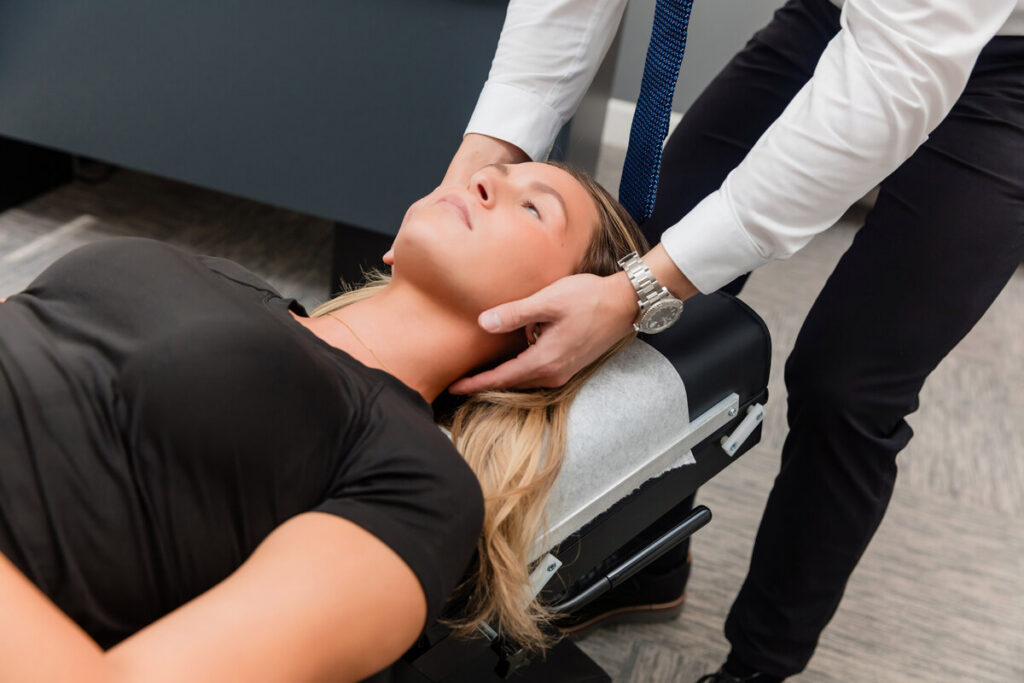
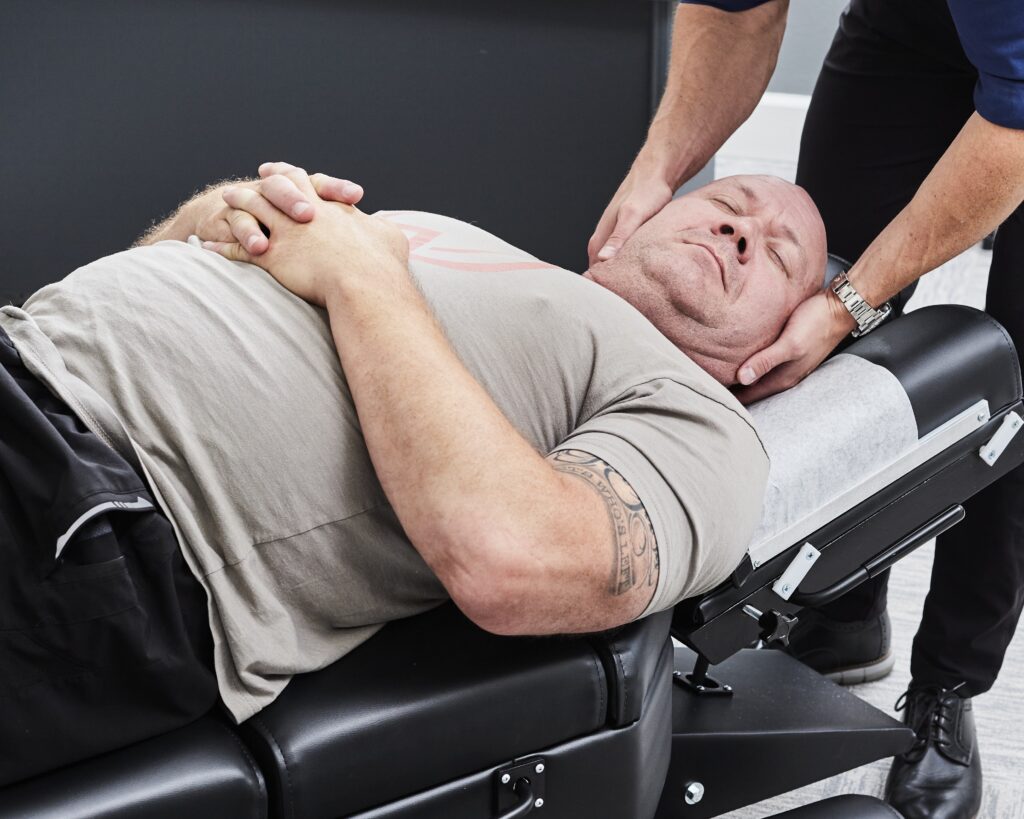
As a local chiropractor, I want to highlight the profound impact that flexibility has on your everyday life. Many people don't realize that even small adjustments can lead to significant improvements. Through chiropractic care, combined with specific stretching techniques, we can work together to realign your body and enhance your range of motion.
When you explore different methods to boost your flexibility, it's essential to remember that each adjustment not only supports your physical health but also plays a vital role in your overall well-being. Imagine if the key to unlocking your full potential lies in these straightforward practices! Let's take a closer look at the essential elements that can transform your understanding and approach to flexibility. Together, we can help you feel your best and move more freely in your daily life.
Understanding Flexibility
When we discuss flexibility in the context of your overall health, it's essential to understand that it's about much more than simply being able to touch your toes. Flexibility pertains to the range of motion in your joints and muscles, which is crucial for optimal physical performance. A flexible body can manage various physical activities more efficiently, from daily chores to rigorous exercise routines.
As your chiropractor, I want to help you recognize that flexibility is influenced by several factors, including muscle length, joint structure, and the nervous system. Everyone's flexibility is unique, shaped by both genetics and lifestyle choices. For example, athletes often exhibit greater flexibility due to their dedicated training regimens, while those who lead a more sedentary lifestyle might experience increased stiffness over time.
It's important to note that flexibility isn't a fixed attribute; it can change based on your habits and activities. Engaging in regular stretching exercises can significantly improve your range of motion, while a lack of movement may lead to reduced flexibility, making even simple tasks more difficult.
Beyond physical activity, your hydration and nutrition levels also play a vital role in your flexibility. Staying well-hydrated helps maintain muscle elasticity, while a balanced diet supports overall muscle health.
Benefits of Improved Flexibility
As a local chiropractor, I want to share with you the numerous benefits of improved flexibility, which can significantly enhance both your daily life and physical performance.
One of the key advantages of increased flexibility is the reduction of injury risk. When your muscles and joints are more supple, they're better equipped to absorb shock and adapt to sudden movements. This is crucial for anyone who participates in sports or engages in physical activities, as it makes strains and sprains much less likely.
Furthermore, greater flexibility is instrumental in achieving better posture. Many individuals experience discomfort and pain due to tight muscles that pull the body out of alignment. By focusing on improving your flexibility, you can ease tension, promote a more balanced posture, and ultimately enhance your overall well-being.
Another vital benefit to consider is an improved range of motion. As your flexibility increases, everyday tasks—like bending down to tie your shoes or reaching for items on a high shelf—become much easier. This enhanced mobility not only makes daily activities more manageable but also boosts your performance in various physical activities, allowing for more efficient movement.
Moreover, improved flexibility can support better circulation. Enhanced blood flow to your muscles aids in recovery and helps reduce muscle soreness after workouts. When your muscles are well-oxygenated and nourished, you'll feel more energized and prepared to take on your next challenge.
Incorporating flexibility training into your routine can lead to a healthier, more active lifestyle. As your chiropractor, I'm here to guide you on this journey towards improved flexibility and overall wellness.
Stretching Techniques to Consider
As a local chiropractor, I often emphasize the significant role that stretching techniques play in enhancing flexibility and overall well-being.
It's crucial to understand that dynamic stretching is an excellent way to prepare your body for movement, especially before engaging in physical activities. On the other hand, static stretching is instrumental in gradually improving your flexibility over time.
Incorporating both methods into your routine can greatly benefit your muscle health and joint function. Dynamic stretching helps to warm up your muscles and increase blood flow, while static stretching can aid in lengthening muscles and reducing tension.
By understanding these techniques, we can work together to create a personalized approach that supports your body's natural healing process and promotes optimal mobility.
Let's explore how these stretching methods can enhance your health and fitness journey.
Dynamic Stretching Benefits
As a local chiropractor dedicated to your overall well-being, I want to share the valuable benefits of dynamic stretching as part of your physical activity routine. Unlike static stretches that hold your muscles in one position, dynamic stretching incorporates movement, which is crucial for increasing blood flow and elevating muscle temperature. This is especially beneficial for enhancing your performance in various sports and workouts.
Incorporating dynamic stretching into your warm-up can significantly improve your range of motion. This means you'll be able to perform exercises with better form and efficiency, reducing unnecessary strain on your body. You may notice that you feel more agile and ready to tackle physical activities, which is essential for preventing injuries during high-intensity workouts.
Moreover, dynamic stretching can play a vital role in activating your muscles and enhancing your coordination and balance. By engaging in movements that simulate the activities you're about to perform—such as running, lifting weights, or playing sports—you are effectively "waking up" your muscles and nervous system.
This preparation primes your body for the physical demands ahead, ultimately contributing to a safer and more effective workout experience.
Embracing dynamic stretching as part of your routine not only supports your physical performance but also aligns with a holistic approach to health that I advocate in my practice. By understanding and utilizing these techniques, you're taking proactive steps towards maintaining your body's health and functionality.
Static Stretching Techniques
As a local chiropractor, I want to share some valuable insights about the role of static stretching in promoting flexibility and recovery. While dynamic stretching is essential for warming up before physical activity, static stretching is equally important for enhancing your overall well-being and aiding in your recovery process.
One effective static stretch you can try is the seated hamstring stretch. To perform this, sit on the floor with one leg extended straight out and the other leg bent. Gently reach toward your toes on the extended leg, and hold this position for 15-30 seconds. You'll feel a nice stretch along the back of your leg, which can help alleviate tension and improve flexibility.
Another beneficial stretch is the standing quadriceps stretch. Stand tall, grab your ankle, and pull your heel toward your glutes while keeping your knees close together. This stretch targets the front of your thigh and helps maintain balance in your leg muscles.
Don't overlook the butterfly stretch, either. Sit on the floor with the soles of your feet touching each other, allowing your knees to drop out to the sides. For a deeper stretch, gently press down on your knees with your elbows. Remember to breathe deeply as you hold these stretches, and avoid any bouncing, as that can lead to injury.
I recommend holding each stretch for at least 30 seconds and repeating them 2-3 times. By incorporating these static stretching techniques into your routine, you'll not only enhance your flexibility but also support your recovery and overall mobility.
This can significantly impact how you feel in your daily activities and contribute to a more comfortable lifestyle. If you have any questions about how stretching fits into your personal health journey, feel free to reach out!
Incorporating Mindfulness Practices
As a local chiropractor, I often emphasize the importance of incorporating mindfulness practices into your daily routine to enhance both physical and mental flexibility. When you focus on the present moment, you can develop a deeper awareness of your body's sensations, which is crucial for improving flexibility. This isn't just about stretching; it's about tuning into how your body feels, allowing you to pinpoint areas of tension and stiffness that may be affecting your overall well-being.
To begin, I encourage you to integrate mindfulness into your stretching sessions. Before you start, take a few deep breaths to ground yourself. As you stretch, pay close attention to each breath and how it influences your muscles. Notice the sensations that arise as you maintain each position. This heightened awareness can help you avoid pushing too hard, reducing your risk of injury while promoting greater flexibility.
Meditation is another effective mindfulness practice that I recommend. You don't need to dedicate hours to it; even a few minutes each day can be beneficial. Focus on your breath or visualize your goal of increased flexibility. This practice can bolster your mental resilience, enabling you to tackle physical challenges with a calm and focused mindset.
Additionally, consider incorporating mindful movement practices such as yoga or tai chi into your routine. These activities combine flexibility training with mindfulness, offering a comprehensive approach to enhancing both your physical and mental flexibility. By being present and engaged in your movements, you'll likely discover that you not only stretch further but also build a stronger connection with your body.
As your chiropractor, I'm here to support you in your journey toward better health and flexibility through natural healing and mindfulness practices. Let's work together to create a routine that benefits your overall well-being.
Lifestyle Adjustments for Flexibility
As a local chiropractor, I want to share some valuable insights on how you can enhance your flexibility through simple lifestyle adjustments and mindful practices. These changes can significantly improve your overall well-being and mobility.
First and foremost, staying hydrated is crucial. Drinking enough water helps keep your muscles supple and prevents stiffness. I recommend aiming for at least eight glasses a day, especially if you lead an active lifestyle. Proper hydration supports your body's natural functions, including flexibility.
Next, let's talk about your daily habits. Many of my patients spend long hours sitting, which can lead to tightness in the hips and hamstrings. If you work at a desk, consider setting a timer to remind yourself to stand up and stretch at least once an hour. Incorporating simple movements like leg swings or torso twists can counteract the effects of prolonged sitting and promote better flexibility.
Your sleeping position is also important. A supportive mattress and pillow can help maintain proper alignment, reducing tension in your body. If you tend to sleep on your side, placing a pillow between your knees can alleviate strain on your hips and enhance your comfort.
Nutrition plays a vital role in your flexibility and overall health. A balanced diet rich in fruits, vegetables, lean proteins, and healthy fats fuels your body and supports recovery. Foods high in omega-3 fatty acids, such as salmon and walnuts, can help reduce inflammation, making it easier for you to move freely.
Finally, I can't stress enough the importance of incorporating stretching into your daily routine. Whether you dedicate a specific time to stretch or integrate stretches into other activities, consistency is key. Even just five minutes a day can lead to noticeable improvements over time.
Tracking Your Progress
Tracking your progress in flexibility is vital for maintaining motivation and ensuring your journey toward better mobility is on the right track, especially when it comes to the holistic approach of chiropractic care. As your chiropractor, I encourage you to actively monitor your improvements, as this will help you appreciate how far you've come in your healing process, reinforcing your commitment to your wellness goals.
Begin by setting specific, measurable targets tailored to your needs—this could be something as simple as aiming to touch your toes or achieve a split. I recommend documenting your efforts, whether in a journal or using an app. Keep track of the exercises you engage in, any discomfort you feel, and the outcomes of your stretching sessions. This information is crucial for us to adjust your treatment plan effectively.
Regularly revisiting your goals allows us to modify your approach if needed. For instance, if you notice that a specific stretch isn't yielding results, it may be time to adapt your routine or incorporate different techniques that align with your body's unique needs.
Visual documentation—like photos or videos—can also be incredibly motivating, providing you with tangible evidence of your dedication and progress.
Don't forget to celebrate your achievements, no matter how small they may seem. Recognizing milestones, such as improved range of motion or mastering a challenging pose, can significantly boost your confidence and keep you engaged in your flexibility training.
I encourage you to share your journey with friends, family, or even on social media; their support can be a powerful motivator.
In essence, tracking your progress goes beyond mere measurements—it's a vital tool that enhances your overall healing journey. Stay consistent, stay engaged, and together, we can watch as your flexibility improves step by step, contributing to your overall well-being and health.
Conclusion
As a local chiropractor, I want to share how incorporating chiropractic adjustments and targeted stretching into your routine can significantly enhance your flexibility. Many people may not be familiar with the benefits of chiropractic care, but understanding these advantages is key to improving your overall mobility and reducing the risk of injuries.
Chiropractic adjustments help align your spine and enhance your body's natural movement, while targeted stretching can further increase your flexibility. By combining these techniques, you can experience noticeable improvements in how you move and feel. It's also important to embrace mindfulness and make lifestyle adjustments that align with your flexibility goals.
As you embark on this journey, I encourage you to track your progress and celebrate each milestone, no matter how small. This will help keep you motivated and committed to achieving better flexibility. Start today by incorporating these practices, and you'll soon experience the positive changes in your body and overall performance. If you have any questions or need guidance, feel free to reach out; I'm here to help!