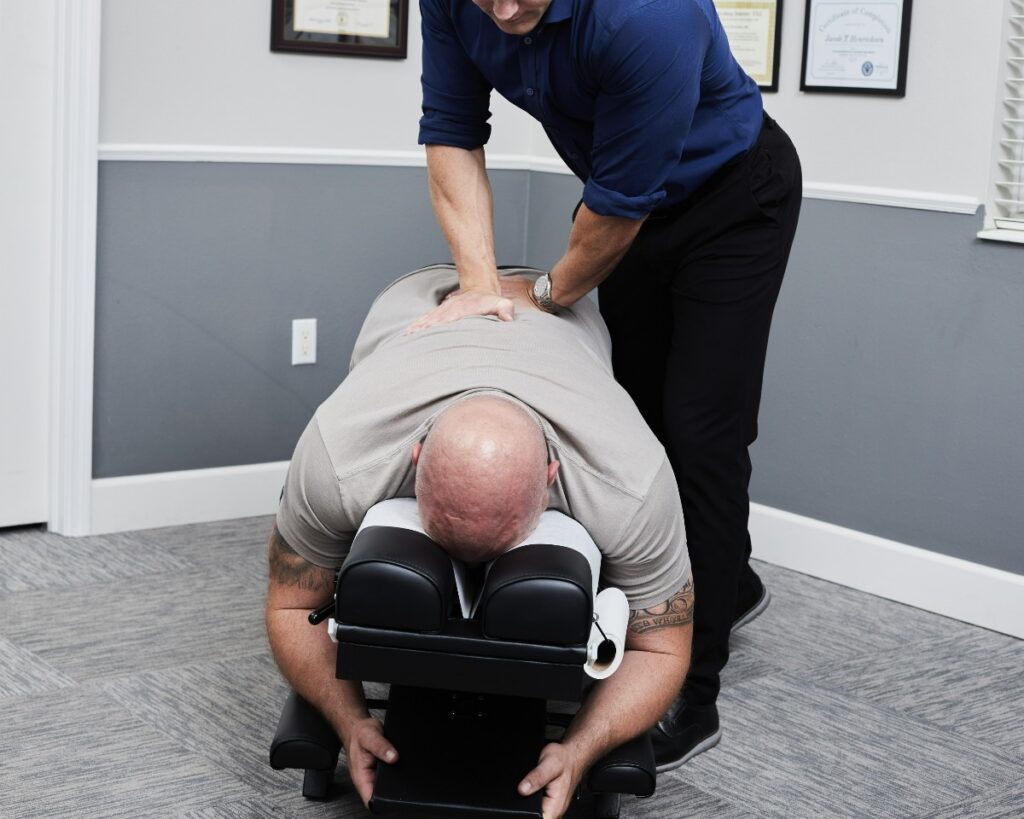
If you’ve experienced whiplash, you understand just how challenging neck pain can be. It’s crucial to take the right steps towards relief and recovery. As a local chiropractor, I’m here to share effective, natural methods to ease your discomfort and support your healing process without the need for medications or surgeries.
First and foremost, consider visiting a chiropractor who specializes in treating whiplash injuries. Chiropractic care focuses on realigning the spine and restoring proper function, which can significantly reduce pain and promote healing. Gentle adjustments can help alleviate tension in the neck and surrounding muscles, allowing you to regain your mobility more quickly.
In addition to chiropractic adjustments, there are several self-care strategies you can incorporate into your routine. Here are some helpful tips:
- Gentle Stretching: Incorporate simple neck stretches into your day. Slowly tilt your head from side to side and forward and backward to ease tension. Always do this gently, and stop if you feel any pain.
- Heat Therapy: Applying a warm compress or heating pad to your neck can help relax tight muscles and improve blood flow. Just be sure to use a comfortable temperature to avoid burns.
- Cold Therapy: If swelling occurs, use an ice pack wrapped in a cloth to reduce inflammation. Apply it for 15-20 minutes at a time, allowing for breaks in between.
- Posture Awareness: Pay attention to your posture, especially if you spend long hours sitting. Ensure your workstation is ergonomically friendly, and take regular breaks to stretch and move around.
- Stay Active: Engage in light physical activity, such as walking or swimming, to keep your body moving and promote healing. Always consult with your chiropractor before starting any new exercise regimen.
- Hydration and Nutrition: Staying well-hydrated and maintaining a balanced diet can support your overall recovery. Foods rich in anti-inflammatory properties, such as fruits, vegetables, and omega-3 fatty acids, can be particularly beneficial.
Remember, recovery from whiplash takes time, and it’s essential to be patient with yourself. By choosing chiropractic care as your primary method of treatment, you are taking a proactive step toward achieving optimal health and wellness. If you have any questions or need personalized advice, don’t hesitate to reach out to your local chiropractor for guidance. Together, we can work towards a pain-free future!
Key Takeaways
- To start relieving neck pain after a whiplash injury, apply ice to your neck for 15-20 minutes. This helps to reduce inflammation and numb the pain, offering immediate relief right after the injury occurs.
- It’s essential to allow your body to rest and avoid any strenuous activities that could worsen your neck pain. This downtime promotes healing and gives your body the chance to recover effectively.
- Consider seeking chiropractic care. As a chiropractor, I emphasize the importance of personalized assessments and treatment plans tailored to your unique needs. Chiropractic adjustments can address musculoskeletal issues that often arise from whiplash, helping you regain mobility and reduce pain naturally.
- Incorporate gentle neck stretches and strengthening exercises into your routine. These movements improve flexibility and relieve tension, enhancing your overall neck health. Always start slow and listen to your body.
- Maintaining proper posture is crucial in preventing further strain on your neck. Ensure that your workspace is ergonomic, and practice good posture during daily activities. This simple adjustment can make a significant difference in your recovery journey.
Remember, chiropractic care is a natural and effective way to achieve optimal health and well-being. By focusing on your spine and overall body alignment, you can find lasting relief from neck pain and support your body’s natural healing processes.
Understanding Whiplash and Its Symptoms
When you experience whiplash, your neck can endure a sudden and forceful movement, often due to a car accident or a fall. This jarring motion can strain the muscles and ligaments in your neck, leading to a range of uncomfortable symptoms.
You may feel immediate pain, stiffness, or tenderness in your neck, and headaches can arise, frequently starting at the base of your skull.
As time progresses, you might notice it becomes harder to move your head, and dizziness or fatigue can set in. Some individuals even report tingling or numbness in their arms.
Recognizing these symptoms early is vital, as they can indicate the seriousness of your injury. Ignoring them may result in prolonged discomfort or complications. This is where chiropractic care comes in as a natural and effective option for relief.
Chiropractic adjustments can help realign your spine, reduce muscle tension, and improve mobility, supporting your body’s natural healing process. If you’re experiencing symptoms of whiplash, consider visiting a chiropractor who can provide tailored care to address your specific needs.
In addition to seeking chiropractic treatment, there are some general tips you can follow:
- Rest and Recover: Allow your body to rest, especially in the early stages after the injury.
- Gentle Stretching: Engage in gentle neck stretches to help maintain mobility without straining the muscles.
- Apply Ice: Use ice packs on your neck for 15-20 minutes to help reduce swelling and alleviate pain.
- Stay Hydrated: Drinking plenty of water can aid in the healing process.
Taking your symptoms seriously and seeking chiropractic care is an important step toward recovery and achieving optimal health. Remember, your body has the ability to heal naturally, and chiropractic adjustments can play a crucial role in that journey.
Immediate First Aid for Neck Pain
When you experience neck pain after a whiplash injury, taking immediate action can significantly improve your comfort and recovery. As a chiropractor, I emphasize the importance of addressing neck pain naturally and effectively. Here are some key steps to consider for immediate relief:
- Apply Ice: Gently applying ice to the affected area can help reduce inflammation and numb the pain. Aim for 15-20 minutes at a time, making sure to wrap the ice in a cloth to protect your skin.
- Rest: Giving your body time to heal is crucial. Avoid strenuous activities that may aggravate your neck. Instead, focus on gentle movements and positions that provide comfort.
- Chiropractic Care: Seeking chiropractic care is one of the best steps you can take for neck pain relief. Chiropractors specialize in diagnosing and treating musculoskeletal issues, using hands-on techniques to restore proper alignment and function to your spine. This can alleviate pain, reduce tension, and promote healing.
- Gentle Stretches: Once you feel ready, incorporate gentle neck stretches to maintain mobility. Simple movements like tilting your head side to side can help keep your muscles flexible without putting too much strain on your neck.
- Stay Hydrated: Drinking plenty of water can support overall health and help keep your muscles and joints functioning properly.
Remember, while these immediate steps can provide relief, ongoing chiropractic care can be key to ensuring long-term wellness and preventing future neck pain.
Ice Application Techniques
To effectively manage neck pain after a whiplash injury, ice application can be an excellent first step towards recovery. Begin by wrapping ice or a cold pack in a thin cloth—this is important to prevent frostbite from direct contact with your skin. Place the ice pack gently on the affected area for about 15-20 minutes every hour, especially during the first 48 hours after your injury. If you don’t have an ice pack handy, a bag of frozen vegetables can work just as well!
While you ice your neck, be sure to keep an eye on your skin’s response and take breaks between applications to avoid any irritation. This simple technique can significantly help reduce inflammation and numb the pain, providing you with some much-needed relief.
It’s important to remember that while ice helps in the short term, incorporating chiropractic care into your recovery plan can lead to lasting benefits. A chiropractor can address the underlying issues contributing to your neck pain and guide you through effective rehabilitation exercises tailored to your needs.
In addition to ice therapy, here are a few general tips for better neck health:
- Stay Hydrated: Drinking plenty of water supports overall health and can help keep your spinal discs well-nourished.
- Maintain Good Posture: Pay attention to your posture, especially if you spend long hours sitting. Keeping your spine aligned can prevent further pain.
- Gentle Stretching: Engage in gentle neck stretches and movements to keep your muscles flexible and reduce tension.
- Chiropractic Adjustments: Regular visits to your chiropractor can help maintain spinal health, relieve pain, and improve your overall well-being.
Rest and Immobilization
Rest and immobilization are crucial steps in managing neck pain after a whiplash injury, as they allow your muscles and ligaments to recover naturally. For the first few days following your injury, it’s important to minimize movement in your neck. This means steering clear of activities that may put strain on your neck, such as heavy lifting or quick, jerky movements.
One effective way to support your neck is by using a cervical collar, which can help limit motion and provide stability. However, it’s important not to wear it for too long, as prolonged use can weaken your neck muscles. Instead, focus on alternating between periods of rest and gentle, controlled movements as you start to feel better.
Listening to your body is essential during this time. If you notice an increase in pain, it’s a clear signal to take it easy and allow yourself more time to heal.
Beyond rest, incorporating chiropractic care into your recovery plan can greatly enhance your healing process. A chiropractor can help assess your condition, provide tailored adjustments, and guide you through exercises that promote natural healing and strengthen your neck. This holistic approach not only aids in pain relief but also supports overall wellness.
Remember to stay hydrated, maintain a healthy diet, and practice good posture to aid in your recovery. These simple lifestyle adjustments can contribute significantly to your healing journey. Your body is designed to heal itself, and with the right support, you can achieve optimal health and wellness.
Over-the-Counter Pain Relief
If you’ve experienced neck pain from a whiplash injury, you’re likely looking for relief. While over-the-counter pain relief options like ibuprofen or acetaminophen can provide temporary comfort, I want to emphasize the benefits of chiropractic care as a holistic approach to healing and wellness.
Chiropractic care focuses on the alignment of your spine and overall body function, which can play a significant role in reducing pain and improving movement after an injury. By addressing the root cause of your discomfort, rather than just masking the pain, chiropractic adjustments can help restore proper function to your neck and promote natural healing.
Here are some tips to enhance your recovery process:
- Stay Active: Gentle movements and stretches can help maintain mobility in your neck. Consult with your chiropractor for specific exercises that are safe for your condition.
- Apply Heat or Cold: Using a warm compress or ice pack can help ease inflammation and soothe sore muscles. Alternating between the two can be particularly effective.
- Maintain Good Posture: Be mindful of your posture throughout the day, especially when sitting or using a computer. Proper alignment can prevent further strain on your neck.
- Stay Hydrated: Drinking plenty of water supports overall health and helps maintain the elasticity of spinal discs, which is crucial for recovery.
- Consider Chiropractic Adjustments: Regular visits to your chiropractor can help relieve tension, improve mobility, and support your body’s natural healing process.
Always remember to consult with your chiropractor to create a personalized plan that addresses your specific needs.
Applying Heat and Cold Therapy
Whether you’re experiencing persistent discomfort from whiplash or simply seeking relief from everyday aches, incorporating heat and cold therapy into your routine can be a fantastic way to promote healing. Heat therapy enhances blood flow and eases tight muscles, while cold therapy numbs the area and helps reduce inflammation. Here’s a straightforward guide to help you determine when to use each method:
| Therapy Type | When to Use |
|---|---|
| Heat | For chronic pain or muscle stiffness |
| Cold | For acute pain or swelling |
| Heat | After doing gentle muscle relaxation exercises |
| Cold | Right after an injury |
| Heat | Before engaging in physical activity |
To apply heat, you can use a warm towel or a heating pad for about 15-20 minutes. For cold therapy, wrap some ice in a cloth or use a cold pack for the same duration. Alternating between heat and cold can provide excellent relief, but always pay attention to how your body feels.
As a chiropractor, I want to emphasize that while these methods can help alleviate pain, they are best used alongside chiropractic care. Regular chiropractic adjustments can address the root causes of discomfort, enhance your body’s natural healing processes, and support overall wellness. Remember, your health journey is unique, so find what works best for you and consult with your chiropractor for personalized recommendations.
Gentle Stretching and Strengthening Exercises
Incorporating gentle stretching and strengthening exercises into your daily routine can significantly aid in your recovery from whiplash and enhance your overall neck health.
These exercises not only help restore mobility and reduce stiffness but also strengthen the muscles that support your spine. Remember, it’s essential to start slowly and pay attention to how your body feels.
Here are some effective exercises to consider, which can complement your chiropractic care:
- Neck Tilts: Gently tilt your head towards each shoulder, holding for a few seconds. This will help release tension and improve flexibility.
- Chin Tucks: Pull your chin back towards your neck. This simple movement strengthens the deep neck muscles that play a crucial role in supporting your spine.
- Shoulder Shrugs: Raise your shoulders towards your ears and then relax them down. This helps alleviate tightness in your shoulders and upper back.
- Side Neck Stretch: Use one hand to hold the side of your head gently, pulling for a deeper stretch. This can help relieve tension in the neck muscles.
- Gentle Rotation: Slowly turn your head from side to side. This movement enhances flexibility and promotes a better range of motion.
Always consult with your chiropractor before starting any new exercise routine to ensure it aligns with your health needs.
Chiropractic care is a natural and effective way to improve your overall wellness and help you achieve optimal health. Embracing these exercises, combined with regular chiropractic adjustments, can lead you on the path to a pain-free and healthier life.
Remember to listen to your body and take things at your own pace for the best results.
Importance of Proper Posture
Maintaining proper posture is crucial for preventing and alleviating neck pain, especially after experiencing whiplash. When your posture is poor, it can put unnecessary strain on your neck, making discomfort worse.
However, by focusing on good ergonomics in your daily life, you can help keep your spine aligned and promote natural healing.
As a local chiropractor, I want to emphasize that incorporating specific exercises for neck alignment can greatly support your recovery and enhance your overall well-being. Simple practices, like ensuring your work station is set up correctly and taking regular breaks to stretch, can make a significant difference.
Here are a few tips to help you maintain proper posture and support your spine:
- Adjust Your Workstation: Make sure your computer screen is at eye level and your chair provides good support for your lower back.
- Practice Good Sitting Habits: Sit all the way back in your chair with your feet flat on the floor. Avoid slouching or leaning forward.
- Stretch Regularly: Take short breaks to stretch your neck and shoulders throughout the day. Gentle neck rolls and shoulder shrugs can help relieve tension.
- Stay Active: Regular exercise can strengthen your neck and back muscles, making it easier to maintain good posture.
- Consider Chiropractic Care: Regular visits to a chiropractor can help you achieve optimal spinal alignment and provide personalized advice on maintaining good posture.
By following these simple tips and considering chiropractic care, you can take proactive steps towards a healthier, pain-free life.
Impact of Poor Posture
Poor posture can significantly worsen neck pain, especially after experiencing a whiplash injury. It’s crucial to understand how your daily habits influence your recovery and overall well-being. Slouching or leaning forward can put unnecessary strain on your neck muscles, making it more challenging to heal. By being mindful of your posture, you can enhance your comfort and support your healing journey.
Here are some common habits to be aware of:
- Sitting with your shoulders hunched: Ensure your back is straight and your shoulders are relaxed.
- Holding your phone too low or high: Keep your phone at eye level to avoid straining your neck.
- Leaning forward when using a computer: Maintain an upright position with your screen at eye level.
- Sleeping on a pillow that’s too high or low: Use a pillow that supports the natural curve of your neck.
- Carrying heavy bags on one shoulder: Distribute weight evenly by using a backpack or switching shoulders frequently.
By correcting these habits, you can alleviate pressure on your neck, ultimately aiding in a quicker recovery and helping to prevent future pain.
Remember, maintaining good posture throughout your day not only contributes to healing but also promotes overall health and wellness.
Chiropractic care is a powerful ally in your journey to optimal health. Regular adjustments can help align your spine, reduce tension, and improve your posture, making it easier for your body to heal naturally.
If you’re looking for effective pain relief and a holistic approach to wellness, consider incorporating chiropractic care into your routine.
Ergonomics in Daily Life
Good posture plays a crucial role in maintaining your overall health, especially when you’re recovering from issues like whiplash. By focusing on proper alignment while sitting, standing, or moving, you can significantly reduce strain on your neck and promote natural healing.
When sitting at your desk, keep your feet flat on the floor and your back straight against your chair. This simple adjustment can make a world of difference. Make sure your computer screen is at eye level to help prevent hunching over—a common culprit for neck pain. If you need to take calls, consider using a headset. This way, you can keep your neck in a neutral position rather than craning it, which can lead to discomfort.
Sleep is another important aspect of recovery. Choose a supportive pillow that keeps your spine aligned, which can help you wake up feeling refreshed and pain-free.
Remember, chiropractic care can be an excellent resource for recovery and maintaining optimal health. Regular adjustments can help restore your spine’s alignment, alleviate discomfort, and enhance your overall well-being.
Incorporating these small changes into your daily routine can lead to significant improvements in your neck health and overall posture. By prioritizing your spinal health and considering chiropractic care as part of your wellness journey, you can achieve a more balanced and pain-free life.
Exercises for Neck Alignment
To achieve proper neck alignment, it’s vital to incorporate specific exercises into your daily routine. These gentle, targeted movements can help strengthen your neck muscles, promote better posture, and ultimately reduce pain and discomfort.
As a chiropractor, I believe that natural methods, such as these exercises, are the best way to support your body’s healing process. Here are some effective exercises you can easily integrate into your life:
- Chin Tucks: This simple exercise involves pulling your chin straight back, aligning your head over your shoulders. It helps strengthen the muscles that support your neck and improves posture.
- Neck Stretches: Gently tilting your head to each side helps stretch the muscles around your neck. This can relieve tension and improve flexibility, making it easier to maintain good posture throughout the day.
- Shoulder Shrugs: Raise your shoulders toward your ears and then release them down. This movement helps relieve tension in the shoulders and neck, which can contribute to discomfort.
- Wall Angels: Stand against a wall and slide your arms up and down while keeping your back flat against the wall. This exercise improves shoulder mobility and encourages proper alignment of the spine.
- Neck Isometrics: By gently pushing your head against your hand in different directions—forward, backward, and sideways—you can strengthen your neck muscles without any equipment.
Incorporating these exercises into your routine can lead to lasting improvements in your neck alignment and overall comfort.
Remember, maintaining proper neck alignment is key to your overall health and wellness. If you’re experiencing persistent pain or discomfort, consider visiting a chiropractor who can provide personalized care and guidance tailored to your specific needs.
Embracing chiropractic care can be a natural and effective way to achieve optimal health and well-being.
Over-the-Counter Pain Relief Options
Managing neck pain after whiplash can be challenging, but there are effective ways to find relief naturally. As a chiropractor, I believe that chiropractic care is one of the best options for addressing pain and promoting overall wellness. Our bodies are designed to heal themselves, and with the right support, you can achieve optimal health.
While over-the-counter (OTC) pain relief options may offer temporary relief, they often don’t address the root cause of your discomfort. Chiropractic adjustments focus on aligning the spine and supporting the body’s natural healing processes, which can lead to longer-lasting relief from pain.
Here are some general tips to help manage neck pain:
- Stay Active: Gentle movement and stretching can help keep your neck flexible. Activities like walking or light yoga can promote circulation and reduce stiffness.
- Apply Heat or Cold: Using a warm compress or ice pack can provide temporary relief. Heat helps soothe tight muscles, while cold can reduce inflammation.
- Practice Good Posture: Be mindful of your posture, especially when sitting at a desk or using your phone. Keeping your head aligned with your spine can prevent additional strain.
- Stay Hydrated: Drinking plenty of water aids in keeping your muscles and joints healthy, promoting better recovery.
- Consider Chiropractic Care: Regular chiropractic adjustments can help restore proper alignment, improve mobility, and reduce pain. A chiropractor can also provide tailored exercises and lifestyle advice to support your recovery.
By focusing on these natural healing methods, you can effectively manage your neck pain and work towards a healthier lifestyle.
Seeking Professional Help: Physical Therapy and Chiropractic Care
When neck pain from whiplash lingers, turning to a chiropractor can be a game-changer for your recovery. Chiropractic care offers natural, effective treatments that not only relieve pain but also restore your mobility. Here’s what you can expect when you seek help from a chiropractic professional:
- Personalized Assessment: Your chiropractor will take the time to evaluate your unique condition and craft a treatment plan specifically for you. This individualized approach is key to addressing your pain effectively.
- Gentle Adjustments: Using hands-on techniques, your chiropractor will adjust your spine and neck, helping to realign your body and alleviate discomfort. These adjustments can reduce tension and improve your overall function.
- Tailored Exercise Programs: You’ll be guided through exercises that strengthen your neck and improve flexibility. These exercises are designed to empower you and support your healing process.
- Natural Pain Relief Techniques: Chiropractors often employ natural modalities such as heat, ice, and gentle stretches to help manage your pain without the need for medications.
- Educational Support: Your chiropractor will educate you on proper posture and ergonomics to help you avoid future injuries. Understanding how to maintain your spinal health is crucial for long-term wellness.
Investing in chiropractic care isn’t just about relieving your current pain; it’s also about guiding you towards a healthier lifestyle.
Long-Term Strategies for Neck Health and Prevention
Chiropractic care sets a strong foundation for lasting neck health, and it’s essential to maintain that progress through simple daily habits. Here are some easy ways to keep your neck feeling great and prevent future pain:
- Daily Neck Stretches and Exercises: Incorporate gentle neck stretches and exercises into your routine. These movements enhance flexibility and strengthen the muscles around your neck, which can help prevent strain.
- Ergonomic Workspace: Make sure your workspace is set up to support good posture. Choose a chair that provides proper back support and position your computer screen at eye level to avoid straining your neck.
- Mind Your Sleeping Position: Your sleeping habits can greatly affect neck health. Use a supportive pillow to keep your neck aligned with your spine. It’s best to sleep on your back or side rather than your stomach, which can twist your neck awkwardly.
- Stay Active: Engage in low-impact activities like swimming, walking, or yoga. Not only do these exercises promote overall body health, but they also support your neck and spine by keeping them strong and flexible.
- Manage Stress: Stress can lead to muscle tension, contributing to neck pain. Incorporate relaxation techniques such as yoga, meditation, or deep-breathing exercises into your daily routine to help alleviate tension.
By prioritizing these long-term strategies, you can’t only prevent future neck pain but also enhance your overall well-being.
Conclusion
To sum up, managing neck pain after whiplash is best approached through natural and holistic methods, particularly chiropractic care. Start by applying ice to reduce inflammation and resting your neck to promote healing. Gentle stretches can also help alleviate tension. Remember, maintaining good posture is crucial for supporting your neck health.
Chiropractic care is a fantastic option for relieving pain and restoring mobility after a whiplash injury. A chiropractor can provide tailored treatments that focus on realigning the spine and relieving pressure on the nerves, helping you heal naturally without the need for medications or invasive procedures.
If your pain lingers, consider visiting a chiropractor who can guide you on the path to recovery. They will work with you to create a personalized plan that may include adjustments, exercises, and lifestyle tips to enhance your overall wellness.
Taking care of your neck health today can prevent future issues and help you feel your best. Remember, prioritizing natural healing through chiropractic care is a powerful step toward optimal health and well-being.